

The logistics landscape is evolving, and choosing the right shipping method can be daunting. Understanding rail and air freight is essential.
China-Europe rail freight typically takes 15–30 days1, while air freight usually delivers in 1–5 days2. Knowing the right option can save time and money.
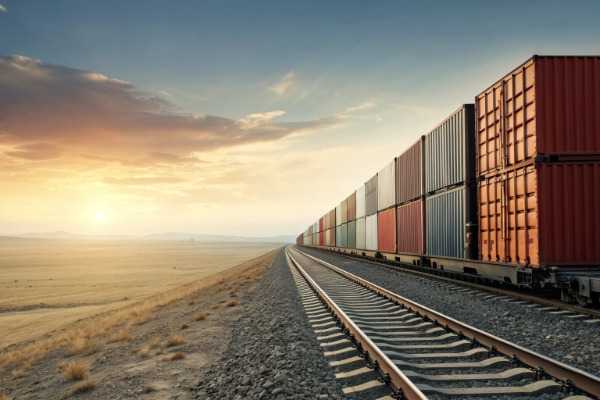
When deciding between rail and air freight, knowing their differences is crucial. Each method has its strengths and weaknesses. Rail freight provides a balance between cost and transit time.3 Air freight, while faster, comes with higher expenses. This article will explore their main differences, costs, and cargo suitability.
What Are the Main Differences Between China-Europe Rail Freight and Air Freight?
Rail freight and air freight differ significantly in terms of speed, cost, and cargo capacity. Rail freight moves goods over land using trains. It can handle larger volumes and heavier loads than air freight4, which is limited by aircraft cargo space.
Air freight is faster, taking only 1–5 days for delivery. Rail freight takes 15–30 days. The choice between the two is often based on urgency and budget. Companies need to assess their shipment requirements carefully.
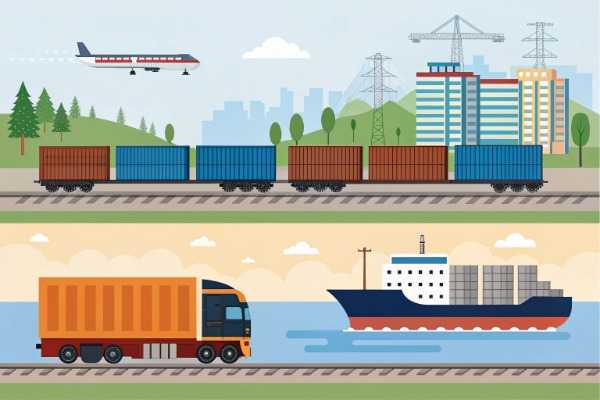
Air freight is ideal for urgent shipments, especially those with high value or time-sensitive deadlines.5 Rail freight, on the other hand, is suitable for medium-urgency shipments that need a balance between cost and speed.
How Do China-Europe Rail Freight and Air Freight Compare in Cost?
Cost is a major factor when choosing a shipping method. Rail freight generally costs 40–60% less per tonne than air freight on long-haul China-Europe routes. Companies can save significantly by opting for rail freight.
For example, if a shipment costs $1,000 by air, it might only cost $400-$600 by rail. This is a substantial difference, especially for bulk shipments. Rail freight can be about four to five times cheaper than air freight for China-Europe shipments.6
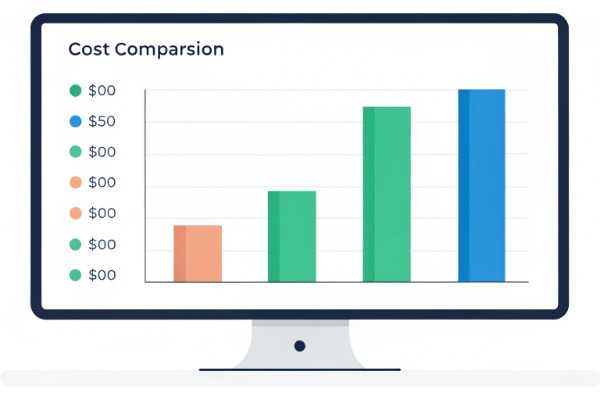
However, this cost-effectiveness may vary depending on cargo density. Rail pricing is usually more advantageous for dense and consolidated cargo.7 Air freight remains viable for small, compact, high-margin shipments.
How Do Rail Freight and Air Freight Compare in Transit Time?
Transit time is a crucial aspect of logistics. Air freight is the clear winner in speed, delivering goods within 1–5 days. Rail freight, while slower, offers reliability with transit times of 15–30 days.
The specific transit time for rail can vary based on several factors. These include the chosen corridor, customs processing, destination, and final-mile delivery arrangements.
For companies with tight deadlines, air freight is often the preferred choice. However, rail freight is suitable for shipments that do not require immediate delivery. Companies should weigh their urgency against costs when making this decision.
Which Types of Cargo Are Better Suited for Rail Freight or Air Freight?
Choosing the right shipping method depends on the type of cargo. Rail freight is best for medium-urgency, higher-volume shipments that cannot wait for ocean transport. It is not as expensive as air freight.
Air freight is ideal for urgent, high-value shipments. Examples include production-critical items or deadline-sensitive goods. Lightweight but bulky cargo is often disproportionately expensive by air. Airlines charge based on the higher of actual weight or volumetric weight.8
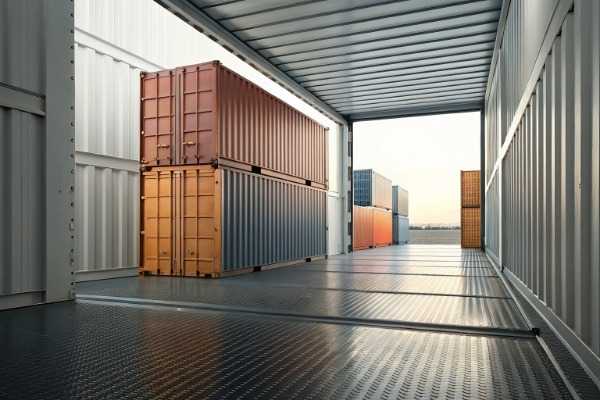
On the other hand, rail freight efficiently handles dense, consolidated cargo. Companies should consider the nature of their shipment when deciding which option to use.
What Are the Advantages and Disadvantages of China-Europe Rail Freight?
Rail freight offers several advantages. It is generally the lower-carbon option compared to air cargo.9 This makes it more appealing for environmentally-conscious companies.
Additionally, rail freight can handle larger volumes, making it suitable for bulk shipments. However, there are disadvantages. Gauge changes between different rail networks in countries like Kazakhstan and Belarus can add complexity.10
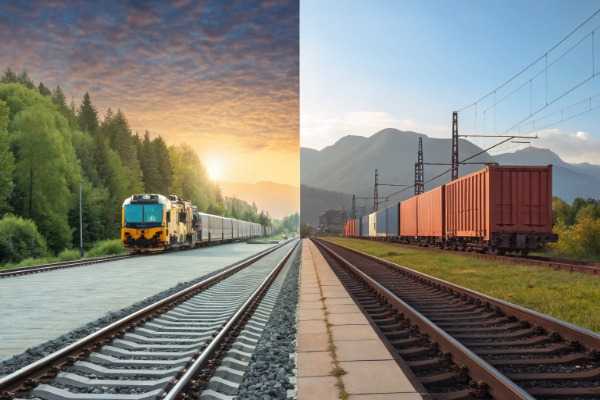
Delays and handling risks can occur due to these gauge changes.11 Companies should be aware of these factors when considering rail as an option.
When Is Air Freight a Better Choice for Shipping from China to Europe?
Air freight is often the right choice for urgent shipments. High-value goods, such as electronics or fashion items, benefit from speedy delivery.
When deadlines are tight, air freight provides peace of mind. Shipments reach their destination quickly, ensuring production schedules remain on track.
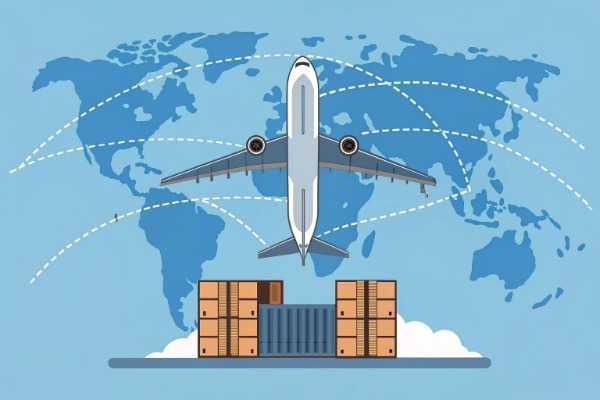
However, the high cost can be a limitation. Companies should evaluate their shipment's value against the expenses associated with air freight.
When Is Rail Freight a Better Choice for Shipping from China to Europe?
Rail freight is a solid choice for medium-urgency shipments. It provides a balance between cost and transit time.
For example, consumer goods or promotional products are often shipped via rail when immediate delivery is not necessary. Rail is advantageous for dense cargo, as it reduces overall shipping costs.
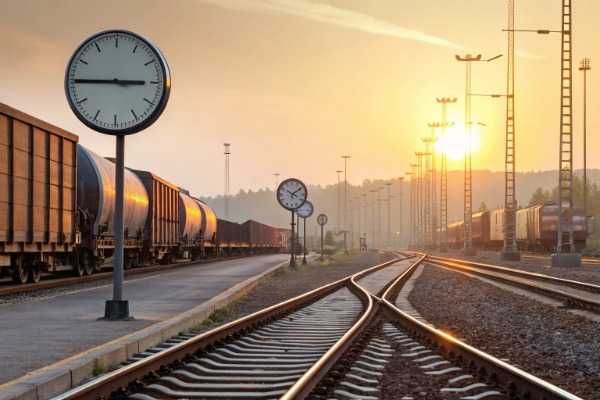
Companies seeking to manage costs while maintaining reasonable delivery times often prefer rail freight.
How Do You Choose Between Rail Freight and Air Freight?
Choosing the right shipping method depends on several factors. Consider the urgency of the shipment, the type of cargo, and budget constraints.
Evaluate whether speed or cost savings is more important for your shipment. Understanding the nature of the cargo can guide this decision.
Ultimately, a balanced approach can lead to better logistics strategies. Companies must align their shipping methods with their operational needs.
Conclusion
Understanding the differences between rail and air freight is essential for effective logistics planning. Each method has unique advantages and costs that can impact business operations.
"'China- Middle Corridor-Europe transit times are now around 30 days ...", https://www.railfreight.com/railfreight/2024/11/05/china-middle-corridor-europe-transit-times-are-now-around-30-days/. A transport-institution source should document typical China–Europe rail freight transit-time ranges and show that published schedules commonly fall in the multi-week range. Evidence role: statistic; source type: institution. Supports: China-Europe rail freight typically takes 15–30 days.. Scope note: Transit times vary by origin, destination, corridor, border processing, and final-mile arrangements, so the source may support a typical range rather than every shipment. ↩
"The Impact of the COVID-19 Pandemic on Freight Transportation ...", https://www.usitc.gov/research_and_analysis/tradeshifts/2020/special_topic.html. An air-cargo or logistics-institution source should substantiate that international air freight commonly has delivery times measured in days and is generally faster than rail for China–Europe movements. Evidence role: statistic; source type: institution. Supports: Air freight usually delivers in 1–5 days.. Scope note: Door-to-door air freight times depend on customs clearance, flight availability, consolidation, and local pickup or delivery, so the evidence is likely contextual rather than a guaranteed service level. ↩
"China-Europe freight transportation under the first wave of COVID-19 ...", https://pmc.ncbi.nlm.nih.gov/articles/PMC9682051/. A transport-policy or logistics research source should describe rail freight as an intermediate option between air and ocean freight in speed and cost, supporting the characterization of rail as a cost-time compromise. Evidence role: expert_consensus; source type: research. Supports: Rail freight provides a balance between cost and transit time.. Scope note: The source may describe the general position of rail in freight markets rather than prove the optimal choice for a specific shipment. ↩
"[PDF] Analysis of Freight Movement Mode Choice Factors - FDOT", https://www.fdot.gov/docs/default-source/rail/publications/studies/planning/modechoicefactors.pdf. A transport engineering or institutional source should explain that rail freight wagons and intermodal trains can carry substantially heavier and larger aggregate loads than aircraft cargo holds, supporting the capacity comparison. Evidence role: mechanism; source type: education. Supports: Rail freight can handle larger volumes and heavier loads than air freight.. Scope note: Specific capacity depends on train length, wagon type, aircraft model, route restrictions, and load planning. ↩
"Air Freight: A Market Study with Implications for Landlocked Countries", https://www.worldbank.org/en/topic/transport/publication/air-freight-study. An air-cargo industry or academic logistics source should state that air transport is typically used for time-sensitive, high-value goods because its speed offsets higher transport costs. Evidence role: expert_consensus; source type: research. Supports: Air freight is suited to urgent, high-value, or time-sensitive shipments.. Scope note: The source supports a common logistics pattern, not that air freight is economically justified for every urgent or high-value shipment. ↩
"China to Europe Shipping: Ocean vs Rail vs Air Cost & Time", https://unilogistics.com.cn/En/newsinfo/32.html. A comparative freight-cost source should show that rail rates on China–Europe routes can be several times lower than air freight rates under some shipment assumptions. Evidence role: statistic; source type: research. Supports: Rail freight can be about four to five times cheaper than air freight for China-Europe shipments.. Scope note: The phrase 'four to five times cheaper' is rate-sensitive and may not align with all lanes, cargo types, or pricing periods. ↩
"Energy and economic benefits from economies of scale in ...", https://pmc.ncbi.nlm.nih.gov/articles/PMC11953041/. A logistics costing source should explain how freight pricing and equipment utilization make dense, consolidated loads more cost-effective in rail or intermodal transport than low-density shipments. Evidence role: mechanism; source type: education. Supports: Rail pricing is usually more advantageous for dense and consolidated cargo.. Scope note: The source may explain general freight economics rather than China–Europe rail pricing specifically. ↩
"Air Cargo Tariffs and Rules: What You Need to Know - IATA", https://www.iata.org/en/publications/newsletters/iata-knowledge-hub/air-cargo-tariffs-and-rules-what-you-need-to-know/. An air-cargo standards or carrier-independent logistics source should define chargeable weight in air freight as the greater of actual gross weight and volumetric, or dimensional, weight. Evidence role: definition; source type: institution. Supports: Airlines charge based on the higher of actual weight or volumetric weight.. Scope note: Dimensional-weight divisors and calculation rules can differ by carrier, region, and service type. ↩
"Savings in per-passenger CO2 emissions using rail rather ...", https://pmc.ncbi.nlm.nih.gov/articles/PMC11017125/. A transport emissions source should compare greenhouse-gas emissions by mode and indicate that rail freight generally produces substantially lower emissions per tonne-kilometre than air freight. Evidence role: statistic; source type: government. Supports: Rail freight is generally the lower-carbon option compared to air cargo.. Scope note: Emissions depend on load factor, energy mix, route, aircraft type, and rail traction source, so the comparison is general rather than shipment-specific. ↩
"Break of gauge - Wikipedia", https://en.wikipedia.org/wiki/Break_of_gauge. A railway or transport geography source should document that China–Europe rail routes encounter different track gauges, including standard gauge and the 1,520 mm gauge used in parts of the former Soviet rail network, requiring transshipment or bogie exchange at break-of-gauge points. Evidence role: mechanism; source type: encyclopedia. Supports: Gauge changes between different rail networks in countries like Kazakhstan and Belarus can add operational complexity.. Scope note: The exact border locations and procedures vary by route, and some corridors may use specialized systems to reduce delays. ↩
"Break of gauge", https://en.wikipedia.org/wiki/Break_of_gauge. A rail-freight operations source should explain that break-of-gauge points can require container transfer, bogie exchange, or other handling steps, which may add time and operational risk. Evidence role: mechanism; source type: research. Supports: Delays and handling risks can occur due to gauge changes on rail routes.. Scope note: The source may support the mechanism of added handling and time, while actual delay frequency depends on terminal capacity, congestion, and operating conditions. ↩