
China-Europe rail freight is an efficient and growing option1 for businesses. It combines speed and cost-effectiveness, making it attractive for importers.
China-Europe rail freight offers a balance between air and sea transport2, typically delivering goods in 16–22 days to major European hubs3. With a final-mile trucking option, it ensures a complete door-to-door service.
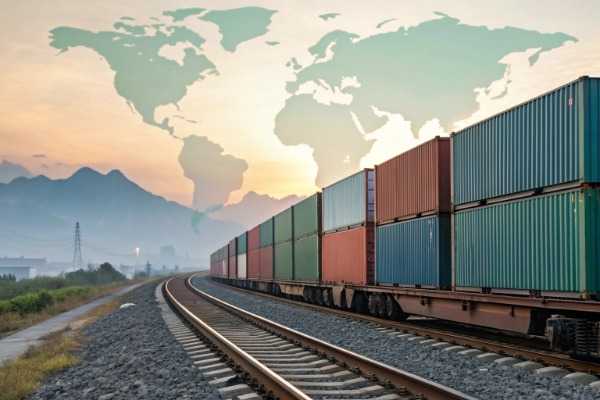
Rail freight combines many factors. It links key cities in China with major hubs in Europe. This connection is becoming increasingly popular for various reasons. Many businesses are seeking reliable freight options. This guide will explore everything you need to know about China-Europe rail freight.
What Is China-Europe Rail Freight?
Rail freight between China and Europe has become a significant part of global trade4. It uses trains to transport goods across vast distances, connecting Asia with Europe. The rail network allows for fast and efficient transport, avoiding some challenges of sea and air transport.
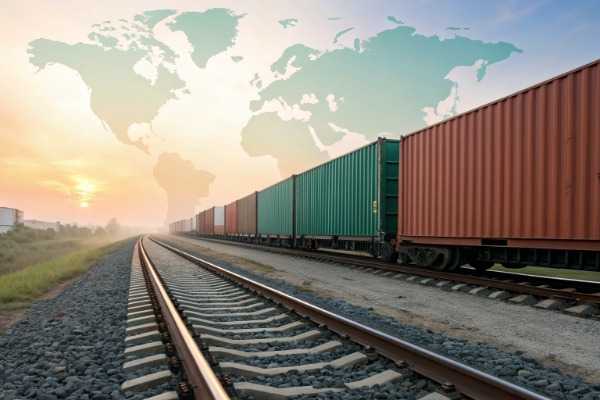
China-Europe rail freight acts as a bridge for trade, connecting key cities with major European markets and offering a cost-effective alternative to air freight.
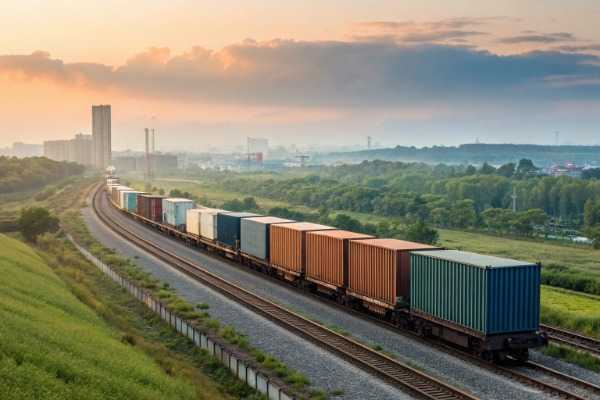
This freight service operates on various routes. It facilitates trade for businesses in both regions. The rail system allows for streamlined transit, enabling quicker delivery times. Importers can benefit from this service by receiving goods faster than traditional shipping methods.
Why Is China-Europe Rail Freight Becoming Popular for Importers?
Many importers are turning to rail freight for several reasons. It’s faster than sea freight and cheaper than air freight. This balance makes rail freight an attractive option for businesses.
The rise in e-commerce and demand for timely deliveries has increased the use of rail freight services5, providing a reliable way to transport goods between China and Europe.
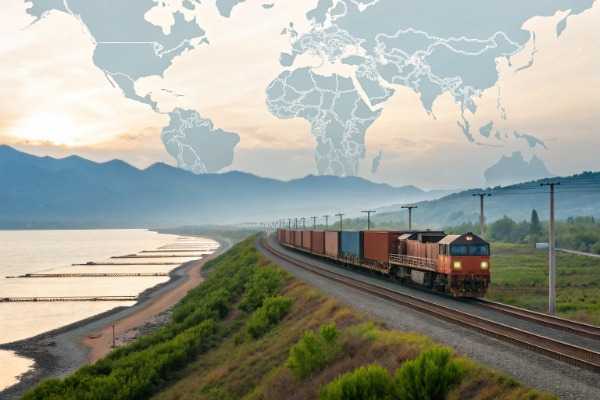
Additionally, the reliability of rail services has improved over time. With the right planning, businesses can expect fewer delays. This reliability is essential for maintaining inventory and meeting customer demands.
How Does China-Europe Rail Freight Work?
The process begins by consolidating cargo in China. Key cities like Xi’an, Chengdu, and Chongqing serve as departure hubs. Once consolidated, goods are loaded onto trains and transported across multiple countries.
Trains travel through major corridors, offering a mix of Full Container Load (FCL) and Less than Container Load (LCL) services6, allowing for both large and small shipments.

During the journey, there are specific logistical considerations. Gauge differences between rail systems in China and Europe require adjustments at corridor break points7. This can include transshipment or bogie handling, ensuring that cargo arrives safely.
What Are the Main China-Europe Railway Routes?
The Northern Corridor is the primary route for China-Europe rail freight. It connects inland Chinese cities to Europe via Kazakhstan, Russia, Belarus, and Poland8.
This route allows for efficient transport of goods to key European markets while avoiding some of the risks associated with maritime shipping.
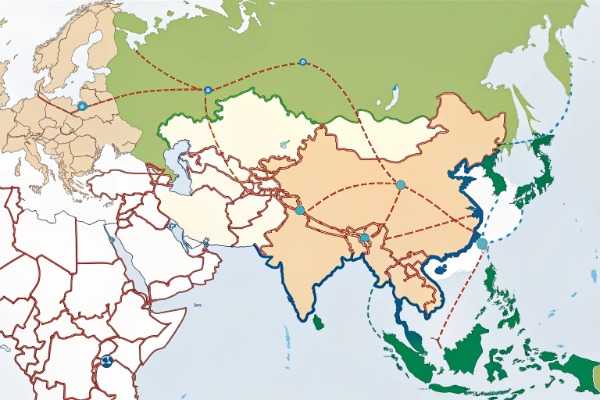
Other routes, like the Middle Corridor9, provide alternatives. They avoid Russia and pass through Kazakhstan, the Caspian Sea, and various countries before reaching Europe. This flexibility allows businesses to choose a route that best suits their needs.
Which Countries Can Be Reached by China-Europe Rail Freight?
Countries like Poland, Germany, the Netherlands, Hungary, France, and Italy are key destinations for China-Europe rail freight.
These countries are connected through established rail networks, ensuring smooth distribution channels for imported goods.
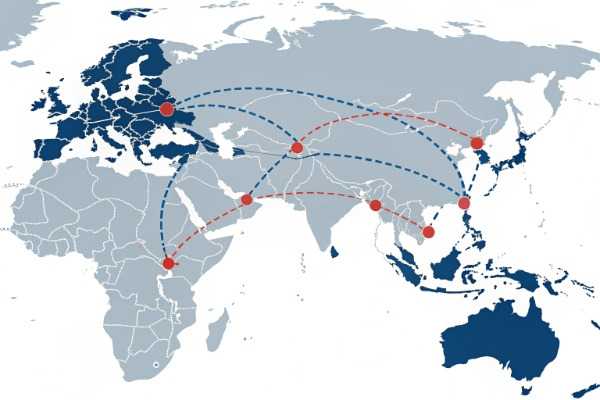
The rail services help businesses reach multiple markets quickly. This connection is vital for companies looking to expand their operations in Europe.
What Types of Goods Are Suitable for China-Europe Rail Freight?
Rail freight is versatile. It can transport a wide range of goods, including electronics, machinery, textiles, and consumer products.
Time-sensitive cargo that doesn’t justify air freight costs is often ideal for rail transport10, providing a balance between speed and expense.
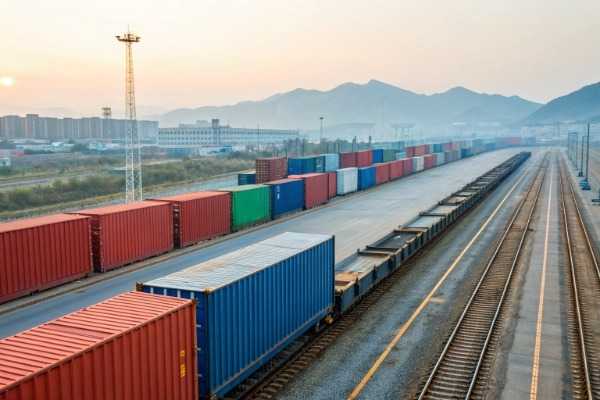
Furthermore, both FCL and LCL options make it easier for businesses to send smaller shipments. This flexibility helps meet the needs of various industries and supports e-commerce growth.
What Are the Advantages and Disadvantages of China-Europe Rail Freight?
Rail freight comes with distinct advantages and disadvantages.
Advantages include faster transit times compared to sea freight, lower costs than air freight, and a reliable delivery schedule.
However, there are some drawbacks. Cargo moving through Russia requires careful screening for sanctions11. This can complicate logistics for certain products. Additionally, businesses must consider border clearance times and equipment availability.
How Much Does China-Europe Rail Freight Cost?
Cost is an important factor for businesses. Rail freight rates vary based on several factors. These include the type of goods, distance, and service level requested.
Generally, rail freight offers a competitive pricing structure, making it a viable choice for many importers.
While exact pricing can vary, businesses should request quotes from multiple service providers. This helps ensure they receive the best deal for their specific needs.
How Long Does China-Europe Rail Freight Take?
Transit times typically range from 16 to 22 days. This timeline can vary depending on the specific route and any potential delays at borders.
Final-mile trucking can extend the door-to-door transit time, so businesses should account for this in their logistics planning.
It's essential to have buffer time built into your logistics plan. This helps manage expectations and ensures smoother operations.
How Do You Choose the Best China-Europe Rail Freight Service?
Selecting the right rail freight service is crucial. Look for providers with a strong track record and knowledge of both Chinese and European markets.
Consider their ability to handle customs clearance, provide quality control, and offer reliable communication.
Also, evaluate their ability to accommodate your specific needs, such as LCL or FCL shipments. A provider that understands the complexities of rail logistics will be invaluable.
Conclusion
China-Europe rail freight is a growing and efficient transport solution for importers, balancing speed and cost effectively across major routes.
"Assessing the impact of China Railway Express operations ...", https://www.sciencedirect.com/science/article/abs/pii/S2210539524000786. Reports official train-count or freight-volume trends for China-Europe Railway Express services, supporting the characterization of rail freight as a growing transport option. Evidence role: statistic; source type: institution. Supports: China-Europe rail freight is a growing option for businesses.. Scope note: Growth may vary by year, corridor, and geopolitical conditions. ↩
"China to Europe Shipping: Ocean vs Rail vs Air Cost & Time", https://unilogistics.com.cn/En/newsinfo/32.html. Compares rail, sea, and air freight on transit time and cost, supporting the general claim that rail occupies an intermediate position between ocean and air transport. Evidence role: general_support; source type: research. Supports: China-Europe rail freight offers a balance between air and sea transport.. Scope note: The exact balance varies by commodity, route, capacity, and market rates. ↩
"Rail Freight From China (2026) – Time, Rates, Routes & ...", https://ddpchain.com/rail-freight-from-china/. Documents typical China-Europe rail transit times to European logistics hubs, supporting the stated 16–22 day range for many services. Evidence role: statistic; source type: institution. Supports: China-Europe rail freight typically delivers goods in 16–22 days to major European hubs.. Scope note: Transit times depend on origin, destination, corridor, border clearance, and service schedule. ↩
"China-Europe rail freight growth: long-lasting trend or flash in ...", https://market-insights.upply.com/en/china-europe-rail-freight-growth-long-lasting-trend-or-flash-in-the-pan. Provides trade-volume or corridor-development data for China-Europe rail services, supporting the claim that the corridor has become significant within Eurasian trade logistics. Evidence role: statistic; source type: institution. Supports: Rail freight between China and Europe has become a significant part of global trade.. Scope note: Rail remains only one component of global trade and may be small compared with maritime transport by total tonnage. ↩
"China-Europe rail freight growth: long-lasting trend or flash in the pan?", https://market-insights.upply.com/en/china-europe-rail-freight-growth-long-lasting-trend-or-flash-in-the-pan?hs_amp=true. Examines the relationship between e-commerce logistics, delivery-time requirements, and Eurasian rail freight demand, providing contextual support for the stated demand driver. Evidence role: general_support; source type: paper. Supports: The rise in e-commerce and demand for timely deliveries has increased the use of rail freight services between China and Europe.. Scope note: Such sources may show correlation or sectoral relevance rather than proving e-commerce alone caused the increase. ↩
"Rail freight transport from China to Europe", https://dimerco.com/services/freight-forwarding/road-and-rail/rail-freight-transport-china-europe/. Defines FCL and LCL container services and documents their use in rail freight operations, supporting the claim that the corridor can handle both full-container and consolidated shipments. Evidence role: definition; source type: education. Supports: China-Europe rail freight offers both Full Container Load and Less than Container Load services.. Scope note: Availability of LCL services may depend on the operator, route, and consolidation schedule. ↩
"Bogie exchange", https://en.wikipedia.org/wiki/Bogie_exchange. Explains the differing railway gauges used across Eurasian networks and the resulting need for transshipment, bogie exchange, or gauge-changing procedures at break-of-gauge points. Evidence role: mechanism; source type: encyclopedia. Supports: Gauge differences between rail systems in China and Europe require adjustments at corridor break points.. Scope note: The exact procedure depends on the route and infrastructure at the border terminal. ↩
"Here's all you need to know about the Eurasian transport corridors", https://www.railfreight.com/railfreight/2024/07/26/heres-all-you-need-to-know-about-the-eurasian-transport-corridors/. Maps or describes the Northern Corridor for China-Europe rail freight through Kazakhstan, Russia, Belarus, and Poland, supporting the stated route geography. Evidence role: historical_context; source type: institution. Supports: The Northern Corridor connects inland Chinese cities to Europe via Kazakhstan, Russia, Belarus, and Poland.. Scope note: Operational use of this corridor may be affected by sanctions, war-related disruptions, and routing decisions. ↩
"Middle Trade and Transport Corridor", https://thedocs.worldbank.org/en/doc/6248f697aed4be0f770d319dcaa4ca52-0080062023/original/Middle-Trade-and-Transport-Corridor-World-Bank-FINAL.pdf. Describes the Trans-Caspian International Transport Route, commonly called the Middle Corridor, as an alternative Eurasian route linking China and Europe through Central Asia, the Caspian region, and the South Caucasus or Türkiye. Evidence role: definition; source type: institution. Supports: The Middle Corridor provides an alternative China-Europe rail route that avoids Russia.. Scope note: The source may describe the corridor generally rather than confirming every service option used by individual freight operators. ↩
"China-Europe Rail Freight: A Third Way for Global Shippers", https://ufreight.com/rising-sea-air-costs-why-china-europe-rail-freight-is-the-critical-third-way-for-global-shippers/. Explains that rail freight can serve goods requiring shorter transit than sea freight but not the cost or urgency of air freight, supporting the article’s suitability claim for moderately time-sensitive cargo. Evidence role: expert_consensus; source type: research. Supports: Time-sensitive cargo that does not justify air freight costs is often suitable for China-Europe rail transport.. Scope note: Suitability also depends on cargo value, dimensions, handling requirements, and service reliability. ↩
"Russia sanctions: statutory guidance", https://www.gov.uk/government/publications/russia-sanctions-guidance/russia-sanctions-guidance. Summarizes sanctions and compliance obligations affecting goods, counterparties, or transit involving Russia, supporting the need for screening when cargo routes pass through Russian territory. Evidence role: general_support; source type: government. Supports: Cargo moving through Russia requires careful screening for sanctions.. Scope note: The legal impact depends on jurisdiction, product classification, parties involved, and current sanctions lists. ↩