
Struggling to budget for shipping from China? Unexpected fees and taxes can feel overwhelming, turning a profitable import into a loss. This guide will give you clarity on all costs.
The total shipping cost from China to Germany1 depends on the method. Air express2 for a 1kg parcel is about $15-$30, LCL sea freight3 is $65-$90 per CBM, and a full 20ft container (FCL) can cost between $4,640 and $5,920, excluding duties and VAT.
Knowing the basic rates is just the first step. The final price on your invoice is often much higher than the initial quote. To really understand your costs, you need to look at all the different parts that make up the total. Let's break down each element so you can ship with confidence and avoid any surprises.
How Much Does Shipping to Germany Cost?
Trying to get a clear price for shipping? Quotes can vary so much that planning your budget feels like a guessing game. I'll give you the current, real-world price ranges.
For small packages, air express costs $15-$30 per kg. For larger shipments, Less-than-Container Load (LCL) sea freight is $65-$90 per cubic meter (CBM). A full 20ft container (FCL) costs $4,640-$5,920, while a 40ft container is $6,880-$8,640.
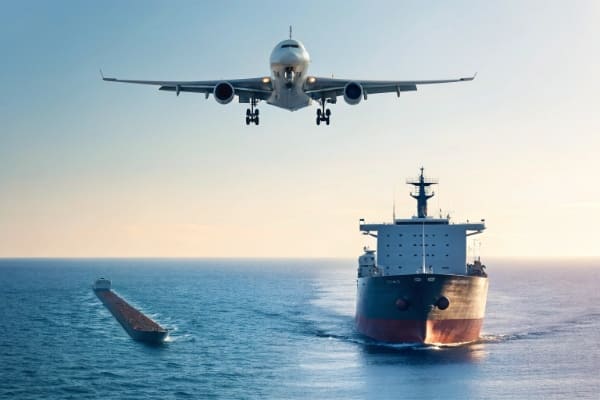
When I first started helping clients ship goods, the variety of quotes was confusing. It’s important to know what you're paying for. Air express2 is the fastest and simplest for small items, often with door-to-door pricing. Sea freight is more economical for bulkier goods but has more moving parts. LCL means you share container space, paying only for the volume you use. FCL gives you an entire container, which is more cost-effective if you have enough product to fill it. These base rates are a great starting point, but they don't include many other fees we'll discuss next.
Here is a simple table to compare the base freight costs:
| Shipping Method | Typical Cost Range | Best For |
|---|---|---|
| Air Express | $15 - $30 per kg | Small, urgent parcels (under 100kg) |
| LCL Sea Freight | $65 - $90 per CBM | Medium shipments (1-15 CBM) |
| FCL Sea Freight | $4,640 - $5,920 (20ft) | Large shipments (over 15 CBM) |
| FCL Sea Freight | $6,880 - $8,640 (40ft) | Very large shipments (over 30 CBM) |
What Factors Affect the Total Cost?
Did your final shipping bill come in much higher than the quote? Hidden surcharges and fees are a common frustration in logistics. Let's uncover these costs so you can budget accurately.
Beyond the base freight rate, your total cost is affected by cargo weight and volume, fuel surcharges4, terminal handling fees, customs clearance5, and insurance. These can add 10-20% or more to your initial quote, so they must be factored into your budget.

I’ve seen many clients get surprised by these additional charges. It's crucial to understand them before you commit. Your freight forwarder6 calculates "chargeable weight7," using either the actual weight or the volumetric weight of your cargo, whichever is greater. On top of that, you have surcharges. Fuel surcharges fluctuate with oil prices, and Terminal Handling Charges8 (THC) cover the cost of moving containers at the port. Then there's insurance, which I always recommend. It typically costs 0.3% to 1% of your cargo's value but saves you from huge losses if something goes wrong. Finally, don't forget demurrage fees9, which are penalties for leaving your container at the port too long. They can be $100 per day or more.
Breakdown of Additional Costs
| Factor | Description | Estimated Cost |
|---|---|---|
| Fuel Surcharge | A variable fee to cover fluctuating fuel prices. | 10-20% of base freight |
| Terminal Handling | Fees charged by the port for handling containers. | Varies by port |
| Cargo Insurance | Protects against damage or loss during transit. | 0.3% - 1% of cargo value |
| Demurrage/Detention | A penalty for failing to move a container from the port within the free period. | ~$100 per day per container |
How Does VAT Impact Import Costs?
Is German VAT10 a source of confusion for your imports? Miscalculating it is a common mistake that can lead to unexpected tax bills and eat into your profits. Let's clarify how it works.
Germany's standard import VAT is 19%. It is calculated on the total of the CIF value11 (Cost, Insurance, Freight) plus any customs duties paid. A reduced rate of 7% applies to specific goods like books and certain foods.

This is a step where many importers get tripped up. The VAT isn't just applied to your product cost. It's applied to the "landed cost." The German customs authorities want to tax the total value of the goods as they arrive in the country. This means they add up your product cost, the shipping cost (freight), the insurance cost, and the customs duty. The final 19% VAT is calculated on this grand total. This makes VAT one of the most significant expenses in your import process. Forgetting to account for it correctly is a costly error I help my clients avoid every day.
Calculating Your Total Landed Cost: An Example
Let's walk through a quick example to see how it adds up:
- Product Cost (FOB): $20,000
- Insurance & Freight (CIF components): $5,000
- Total CIF Value: $25,000
- Customs Duty (e.g., average 4%): $25,000 * 4% = $1,000
- VAT Base (CIF Value + Duty): $25,000 + $1,000 = $26,000
- VAT Due (19%): $26,000 * 19% = $4,940
As you can see, the VAT alone can be a substantial amount.
What Are the Common Shipping Risks?
Worried that your products might get damaged, lost, or stuck in transit? These fears are valid, as shipping halfway across the world involves real risks. Let's identify them so you can prepare.
The most common shipping risks12 include cargo damage or loss, unexpected delays from port congestion13 or customs inspections14, and surprise costs like demurrage fees9. Without proper planning, these issues can easily derail your shipment and your budget.
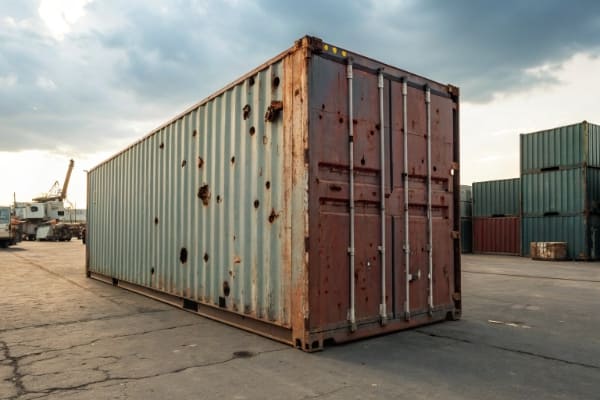
I remember a client whose entire shipment of fragile electronics was ruined because of poor packaging15 and rough handling. It was a tough lesson. That’s why we always stress the importance of robust packaging15 and cargo insurance16. Another major risk is delays. Your shipment can get stuck at a congested port or flagged for a random customs inspection, which can take days or even weeks. These delays aren't just inconvenient; they trigger demurrage fees9, which are daily penalties for not clearing your container on time. All these risks—damage, delays, and unexpected costs—can be minimized with a proactive approach. Working with a partner who anticipates these issues is key to protecting your investment. We always perform pre-shipment inspections to check packaging15 and ensure all paperwork is perfect to avoid these headaches.
How to Mitigate Common Risks
- Cargo Damage: Use high-quality packaging15 and secure proper cargo insurance16.
- Unexpected Delays: Work with a forwarder who has up-to-date information on port conditions and can help prepare flawless customs documentation.
- Hidden Costs: Get a detailed, all-inclusive quote (like a DDP quote) to ensure you've budgeted for all potential fees.
How to Choose a Reliable Freight Forwarder?
Worried about picking the wrong partner for your shipping needs? A cheap quote can be tempting, but it often leads to costly delays and communication nightmares. Let's define what makes a truly great partner.
A reliable freight forwarder6 provides transparent, all-inclusive pricing, manages all customs paperwork expertly, offers robust tracking, and has a strong network in both China and Germany. Clear, proactive communication is the most important sign of a trustworthy partner.

Over the years, I've learned that a freight forwarder6 is more than just a logistics provider; they are an extension of your team. The best partners don't just give you a price; they give you a plan. They should be able to offer a Delivered Duty Paid (DDP)17 quote, which means the price includes all costs to get the goods to your door, including transport, duties, and taxes. They should have deep experience with the China-to-Germany trade lane and be able to advise you on compliance and documentation. Look for a company that can offer more than just freight, such as warehousing and consolidation services. At Toncentlink, we built our business on this model—acting as a single point of contact for sourcing18, quality control, and global logistics. This integrated approach saves our clients time, money, and stress.
Key Qualities of a Top-Tier Partner
| Quality | Why It Matters |
|---|---|
| Price Transparency | You can budget accurately with no surprise fees. Look for DDP quotes. |
| Clear Communication | You get fast, honest updates and can solve problems quickly. |
| Strong Network | They have reliable agents on the ground in both China and Germany. |
| Full-Service | They handle customs, consolidation, and warehousing to streamline your supply chain. |
Conclusion
Mastering shipping costs from China to Germany is about understanding all the pieces. With the right knowledge and a reliable partner, you can import with confidence and financial clarity.
Understanding the average shipping cost helps you budget effectively for your imports. ↩
Air express is the fastest shipping method; learn why it might be the best choice for urgent deliveries. ↩
LCL sea freight can save you money on shipping; find out how it works and when to choose it. ↩
Fuel surcharges can significantly impact your shipping budget; learn how they are calculated. ↩
Understanding customs clearance is crucial to avoid delays and additional costs in shipping. ↩
Choosing the right freight forwarder can streamline your shipping process and save you money. ↩
Knowing about chargeable weight can help you avoid unexpected shipping fees. ↩
Understanding Terminal Handling Charges can help you anticipate additional shipping costs. ↩
Avoiding demurrage fees can save you money; find out how to manage your shipping timeline. ↩
Understanding VAT calculations can prevent unexpected tax bills and protect your profits. ↩
Knowing what CIF value encompasses helps you budget accurately for your imports. ↩
Understanding shipping risks helps you prepare and protect your investment during transit. ↩
Port congestion can delay your shipments; find out how to plan for it effectively. ↩
Customs inspections can cause delays; learn how to prepare for them in advance. ↩
Proper packaging is crucial to prevent damage; discover best practices for your shipments. ↩
Cargo insurance can save you from significant losses; learn how it works and why it's essential. ↩
DDP quotes can simplify your budgeting by including all costs; learn more about this option. ↩
Understanding sourcing can enhance your supply chain efficiency; explore its importance. ↩