Understanding Incoterms is crucial for anyone involved in international trade. Most people feel confused. They worry about costs, responsibilities, and risks. Let’s break this down simply.
Incoterms® 2020 includes 11 standardized rules1 that clearly define the responsibilities, costs, and risks for buyers and sellers. Each rule also specifies the delivery point where the risk of loss or damage shifts from the seller to the buyer2.
Incoterms are important. They help businesses manage their shipping processes better. But many still don’t fully grasp their implications. Understanding them can save money and avoid disputes.
What Responsibilities Do Buyers and Sellers Have Under Incoterms?
When you enter a trade agreement, responsibilities come into play. Buyers and sellers have specific roles. The seller usually prepares the goods for shipment. They also handle clearing the goods for export. But the buyer takes charge once the goods are delivered as per the agreed terms.
For example, under EXW (Ex Works), the seller simply makes the product available at their location3. In this case, the buyer handles nearly all subsequent costs and risks4. This means the buyer must arrange for transportation and cover all costs after the goods leave the seller’s premises.
Under FCA (Free Carrier), the seller delivers the goods, cleared for export, to the buyer's chosen carrier at a specific location.5 The seller's responsibility ends once the goods are handed over.
How Are Shipping Costs Divided Between Buyers and Sellers?
Shipping costs can be tricky. The responsibility for these costs often depends on the Incoterm used. For instance, under DAP (Delivered at Place), the seller covers all costs up until the goods reach the destination6. This includes freight, loading, and possible import duties.
However, under FCA, costs start shifting to the buyer once the goods are handed off to the carrier. This means buyers need to be prepared to pay for the transportation from that point onward. Each Incoterm clearly defines who pays for what.

When Does Risk Transfer Under Each Incoterm?
Risk transfer is a crucial aspect of Incoterms. It’s essential for understanding who bears the risk of loss or damage. This transfer occurs at the delivery point defined by the specific Incoterm.
For example, under CFR (Cost and Freight), the seller bears the cost of transport, but the risk passes to the buyer once the goods are loaded onto the vessel7. This means that while the seller pays for shipping, the buyer assumes the risk during transit.
Risk transfer isn’t uniform across all Incoterms. It's important to identify the delivery point outlined in the contract. This clarity helps ensure both parties understand their risks.
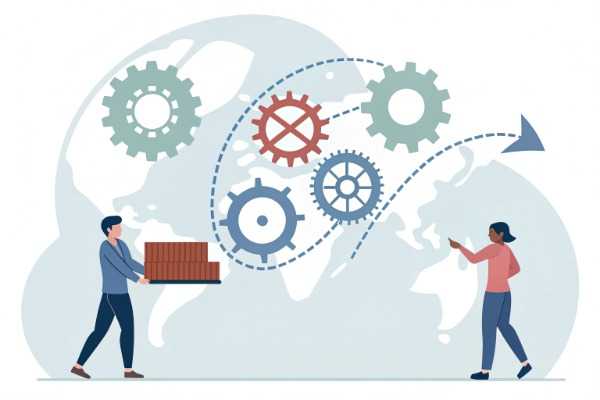
Who Handles Export and Import Customs Clearance?
Customs clearance is another crucial area of responsibility. Under most Incoterms, the seller is responsible for export clearance.8 This means they handle the necessary paperwork and fees to get goods out of their country.
However, import clearance is typically the responsibility of the buyer9. The buyer must ensure they have all the necessary documentation and pay any duties required to bring goods into their country. This division of labor helps facilitate smoother transactions.
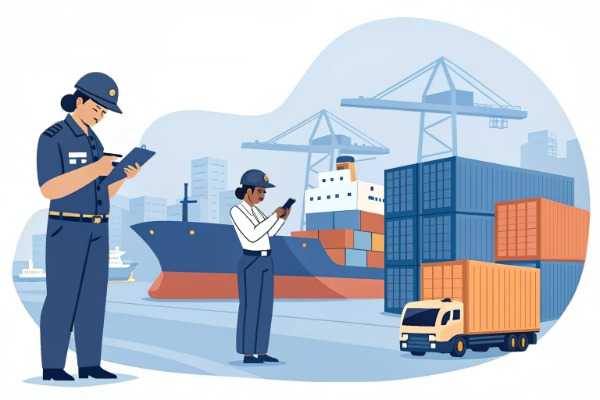
Who Pays for Freight, Insurance, and Delivery?
Payment responsibilities vary widely among the different Incoterms. Under CIF (Cost, Insurance, and Freight), the seller pays for freight and insurance. They must also bear the risk until the goods reach the port of destination.
In contrast, under EXW, the buyer pays for nearly all costs associated with freight and delivery once the goods leave the seller's facility. This variation means that businesses must carefully choose the appropriate Incoterm based on their needs and capabilities.
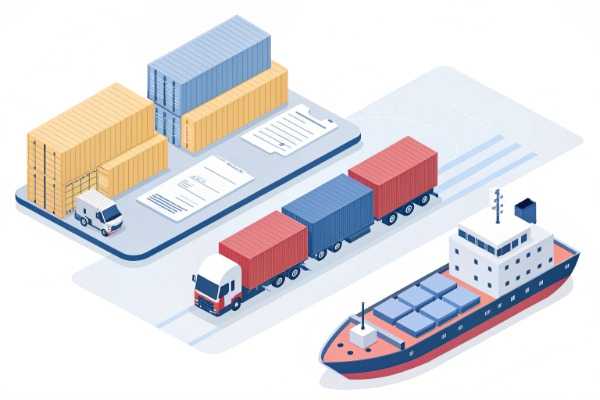
How Do Incoterms Affect the Total Landed Cost of Imported Goods?
The total landed cost includes all costs associated with bringing a product to market. This encompasses production, shipping, insurance, customs duties, and any other fees. Incoterms directly influence this total cost.
By choosing an appropriate Incoterm, companies can better manage their total landed cost. For instance, using DDP (Delivered Duty Paid) means the seller covers all costs, including customs duties and taxes, until the goods reach the buyer's premises. This choice can simplify budgeting and financial planning for the buyer.
Understanding how each Incoterm affects the overall cost is essential. It helps both buyers and sellers manage their finances better and anticipate unexpected expenses.
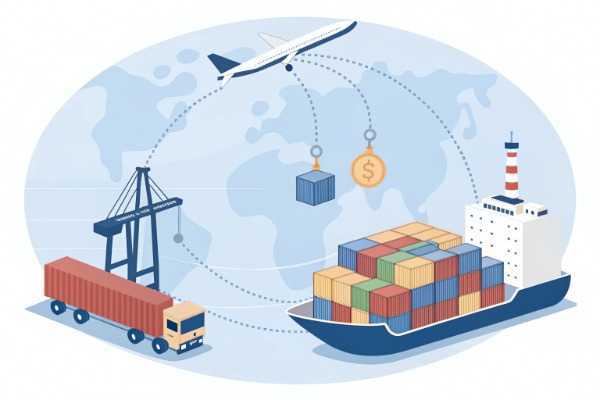
Conclusion
In conclusion, understanding Incoterms is crucial for effective international trade. They clarify responsibilities, costs, and risks, making transactions smoother for both parties.
"Know Your Incoterms - International Trade Administration", https://www.trade.gov/know-your-incoterms. A neutral reference should establish that Incoterms® 2020 consists of eleven trade terms issued by the International Chamber of Commerce for use in international sales contracts. Evidence role: definition; source type: institution. Supports: Incoterms® 2020 includes 11 standardized rules.. ↩
"Know Your Incoterms", https://www.trade.gov/know-your-incoterms. A source on Incoterms should document that each rule defines a delivery obligation and that risk transfers from seller to buyer at the delivery point specified by the applicable term. Evidence role: definition; source type: institution. Supports: Each Incoterms rule specifies the delivery point where the risk of loss or damage shifts from the seller to the buyer.. Scope note: This supports the general Incoterms framework; the exact risk-transfer point differs by rule and contract wording. ↩
"Know Your Incoterms", https://www.trade.gov/know-your-incoterms. A trade-law or government source should explain that under Ex Works, the seller’s main delivery obligation is to place the goods at the buyer’s disposal at the seller’s premises or another named place. Evidence role: definition; source type: government. Supports: Under EXW, the seller makes the product available at their location.. Scope note: Additional obligations may arise from the sales contract or mandatory local law, so the statement should be read as the Incoterms default allocation. ↩
"Cost-Ins.-Freight (CIF) | BETA - The Market Diversification Tool", https://beta.trade.gov/article?id=Cost-Insurance-and-Freight-CIF. A source on Ex Works should support that, after the seller places the goods at the buyer’s disposal, the buyer generally bears transport arrangements, costs, and risk from that point onward. Evidence role: general_support; source type: institution. Supports: Under EXW, the buyer handles nearly all subsequent costs and risks.. Scope note: The phrase “nearly all” is a summary; actual allocation can be modified by contract and affected by export-clearance restrictions. ↩
"Free Carrier (FCA) | Privacy Shield", https://www.privacyshield.gov/ps/article?id=Free-Carrier-FCA. An Incoterms reference should state that under FCA the seller delivers the goods, cleared for export, to a carrier or another person nominated by the buyer at the named place. Evidence role: definition; source type: institution. Supports: Under FCA, the seller delivers the goods, cleared for export, to the buyer's chosen carrier at a specific location.. Scope note: The delivery mechanics differ depending on whether the named place is the seller’s premises or another location. ↩
"Know Your Incoterms: An Overview | BETA", https://beta.trade.gov/article?id=Incoterms-Overview. A source on DAP should show that the seller bears the costs and risks of bringing goods to the named destination, while import clearance and import duties are normally excluded from the seller’s obligation under DAP. Evidence role: definition; source type: institution. Supports: Under DAP, the seller covers costs up until the goods reach the destination.. Scope note: This supports the destination-cost principle but does not support any suggestion that DAP includes import duties; those are normally handled by the buyer unless the contract states otherwise. ↩
"Know Your Incoterms", https://www.trade.gov/know-your-incoterms. An Incoterms source should document that under CFR the seller pays the cost and freight to the named destination port, but risk transfers to the buyer when the goods are on board the vessel at the port of shipment. Evidence role: definition; source type: institution. Supports: Under CFR, the seller bears the cost of transport, but the risk passes to the buyer once the goods are loaded onto the vessel.. Scope note: CFR applies only to sea and inland waterway transport, so the rule should not be generalized to other transport modes. ↩
"Know Your Incoterms - International Trade Administration", https://www.trade.gov/know-your-incoterms. A comparative Incoterms reference should support that the seller normally handles export clearance under most rules, with Ex Works commonly identified as the main exception. Evidence role: general_support; source type: government. Supports: Under most Incoterms, the seller is responsible for export clearance.. Scope note: This is a generalization across terms; obligations may vary by the chosen rule, named place, contract modifications, and export-control law. ↩
"Know Your Incoterms", https://www.trade.gov/know-your-incoterms. A comparative Incoterms guide should indicate that import clearance, import duties, and taxes are generally the buyer’s responsibility under most terms, with Delivered Duty Paid as the principal exception. Evidence role: general_support; source type: government. Supports: Import clearance is typically the responsibility of the buyer.. Scope note: This is a default allocation and may be altered by contract terms or local customs requirements. ↩