
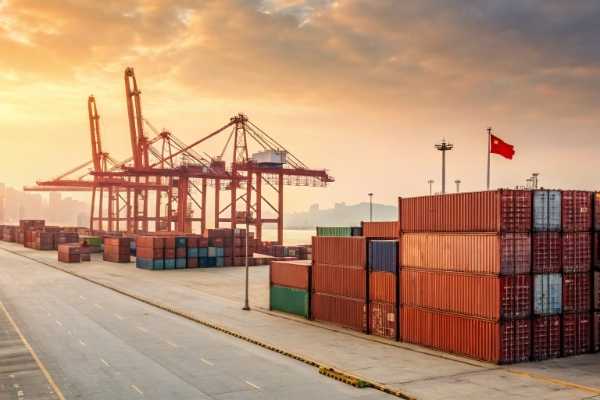
Importing from China can seem overwhelming. However, with the right information, you can navigate this process easily. This guide simplifies everything.
This article provides a complete step-by-step approach to importing from China to the UK, ensuring you know what you need to do, from finding suppliers to clearing customs.

Many UK businesses seek to import goods from China.1 The reasons are varied, but they mostly revolve around cost-effectiveness and product availability2. Importing offers UK businesses a chance to access a wide range of products at lower prices3.
Why Do UK Businesses Import Products from China?
Importing from China makes sense for many UK businesses. Many companies save significant costs by sourcing their goods from Chinese manufacturers. The ability to find products not easily available in the UK is another big draw.
UK businesses import from China primarily to benefit from lower costs and a wider selection of products. This can enhance their competitive edge in the market.
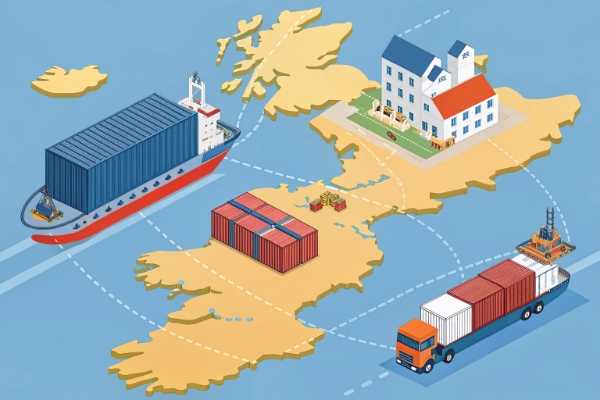
The world of imports can seem complex, but understanding product categories helps. Some items are more common in imports than others, and knowing these can aid your sourcing decisions.
What Products Are Most Commonly Imported into the UK?
From electronics to textiles, many products are regularly imported into the UK. Some popular categories include machinery, clothing, and toys4. Electronics, such as smartphones and computers, also dominate the import market.5
Commonly imported products into the UK from China include electronics, clothing, and machinery. These categories are popular due to their demand and cost-effectiveness.

Finding reliable suppliers is crucial for successful importing. Not every supplier is trustworthy, and the right approach is essential in this process.
How Can You Find Reliable Chinese Suppliers?
Finding a reliable supplier starts with research. Online platforms like Alibaba and Global Sources can be useful. Reading reviews and checking ratings can help you pick a good supplier.
To find reliable Chinese suppliers, use platforms like Alibaba and read reviews. This helps ensure you choose trustworthy partners in your importing journey.

Once you have a supplier, you need a clear plan to import your goods. There are several steps involved, each essential for smooth operations.
What Are the Steps to Import Goods from China to the UK?
Start by selecting your products and negotiating prices. Once agreements are in place, you need to arrange for shipping. You may require a GB EORI number to import into Great Britain, and possibly an XI EORI for Northern Ireland.6
- Select products and negotiate prices.
- Arrange shipping, considering your needs.
- Obtain necessary import documentation.
- Work with a customs agent or handle customs yourself.
- Ensure compliance with UK regulations.7
The steps to import goods from China include selecting products, negotiating prices, arranging shipping, and ensuring compliance with UK regulations.

Now, let's discuss shipping methods. Selecting the right shipping method is crucial for timely delivery and cost management.
Which Shipping Method Should You Choose?
When importing, you have several shipping options like sea freight, air freight, and courier services. Sea freight is cost-effective for large shipments, while air freight is faster but pricier.8
Choosing the right shipping method depends on your urgency and budget. Sea freight suits larger shipments, while air freight is better for quick delivery.
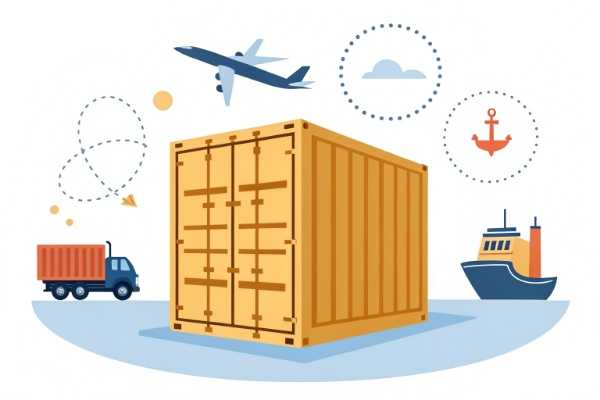
Before your goods arrive, you must prepare for UK customs. Having the right documents can save you from delays and additional costs.
What Documents Do You Need for UK Customs?
You need several documents for UK customs. These include the commercial invoice, packing list, and bill of lading9. The commodity code also plays a key role. It determines the duty rate and whether an import licence is required.10
Essential documents for UK customs include the commercial invoice, packing list, and bill of lading. The commodity code is crucial for understanding duties and licensing requirements.

Navigating customs can be tricky, especially for first-time importers. Avoid common pitfalls to streamline your experience.
What Mistakes Should First-Time Importers Avoid?
First-time importers often overlook compliance with UK laws. Failing to check UK labelling and marketing rules can lead to unnecessary fines.11 Another mistake is not considering hidden costs.
First-time importers should avoid overlooking compliance with UK laws and failing to consider hidden costs. Proper planning can help prevent these mistakes.

Finally, let's address some common questions about importing from China to the UK. This can provide further clarity on the process.
FAQs About Importing from China to the UK
Do I need a customs agent? Most importers use a customs agent, but you can handle customs declarations yourself if you prefer.
What is the cost of customs duty? Customs duty and VAT are calculated using the declared value of the goods.12
Can I reclaim import VAT? VAT-registered importers can usually reclaim import VAT using the C79 certificate.
Do I need extra licences for certain products? Yes, categories like food and chemicals may need extra licences or certificates.
What is the importance of commodity codes? The commodity code determines both the duty rate and whether an import licence is required.
These FAQs about importing provide further clarity on the process, helping you navigate the complexities of imports smoothly.

Conclusion
In conclusion, importing from China to the UK requires careful planning and attention to detail. Understanding the process helps ensure success.
"Trade in Goods with China Available years: 2026 | 2025 | 2024 | 2023", https://www.census.gov/foreign-trade/balance/c5700.html. UK trade statistics identify China as a major source of UK goods imports, supporting the contextual claim that China is an important import market for UK businesses. Evidence role: statistic; source type: government. Supports: Many UK businesses import or seek to import goods from China.. Scope note: This would evidence the scale of UK imports from China, not directly the intentions of individual businesses. ↩
"Manufacturing, value added (% of GDP) - China", https://data.worldbank.org/indicator/NV.IND.MANF.ZS?locations=CN. International trade data showing China’s large role in global manufacturing exports can contextualize claims about product availability and sourcing cost advantages. Evidence role: general_support; source type: institution. Supports: UK businesses often import from China because of cost considerations and access to a broad range of products.. Scope note: Such evidence supports the market context but does not prove that every UK importer obtains lower prices from China. ↩
"Who Is the Next “China” in Labor-Intensive Manufacturing? So Far", https://sccei.fsi.stanford.edu/china-briefs/who-next-china-labor-intensive-manufacturing-so-far-china. Comparative manufacturing and trade studies can support the general proposition that China has historically offered cost advantages in many manufactured goods categories. Evidence role: general_support; source type: paper. Supports: Importing from China can allow UK businesses to access some products at lower prices.. Scope note: The support is category-dependent and does not establish lower prices for all products or suppliers. ↩
"The Role of China in the UK Relative Imports from Three Selected ...", https://pmc.ncbi.nlm.nih.gov/articles/PMC5750899/. Official UK import statistics by commodity group can verify whether machinery, apparel, and toys are significant categories among UK goods imported from China. Evidence role: statistic; source type: government. Supports: Machinery, clothing, and toys are common product categories imported into the UK from China.. Scope note: The source may rank categories differently depending on year, commodity classification, and value versus volume. ↩
"Trump spares smartphones, computers, other electronics from China ...", https://www.reuters.com/markets/us-excludes-smartphones-computers-reciprocal-tariffs-2025-04-12/. Commodity-level UK import statistics can show the relative value of electrical machinery, telecommunications equipment, computers, and related electronics imported from China. Evidence role: statistic; source type: government. Supports: Electronics such as phones and computers are major UK import categories from China.. Scope note: The term “dominate” should be checked against the specific year and product classification used by the statistical source. ↩
"Apply for an EORI number - GOV.UK", https://www.gov.uk/eori/apply-for-eori. UK government guidance explains when businesses need an EORI number for customs movements and distinguishes GB and XI EORI requirements for Great Britain and Northern Ireland. Evidence role: definition; source type: government. Supports: Importers may need a GB EORI number for Great Britain and an XI EORI number for Northern Ireland movements.. ↩
"United Kingdom - Import Requirements and Documentation", https://www.trade.gov/country-commercial-guides/united-kingdom-import-requirements-and-documentation. UK government import guidance sets out that importers must comply with customs, product-specific, and regulatory requirements before goods are released or sold in the UK. Evidence role: general_support; source type: government. Supports: Importers must ensure that goods comply with relevant UK regulations.. Scope note: General import guidance may not cover every product-specific rule, so additional sector sources may be needed for regulated goods. ↩
"Air Freight: A Market Study with Implications for Landlocked Countries", https://www.worldbank.org/en/topic/transport/publication/air-freight-study. Trade logistics references generally describe ocean freight as lower-cost for bulk shipments and air freight as faster but more expensive, supporting the comparison between transport modes. Evidence role: expert_consensus; source type: institution. Supports: Sea freight is usually more economical for large shipments, while air freight is faster and more expensive.. Scope note: Actual costs and transit times vary by route, weight, volume, season, and market conditions. ↩
"Understanding export documentation for international trade", https://www.business.gov.uk/export-from-uk/learn/categories/selling-across-borders-product-and-services-regulations-licensing-and-logistics/get-your-goods-into-the-destination-country/understand-documentation-for-international-trade/. UK customs and international shipping guidance identify commercial invoices, packing lists, and bills of lading or equivalent transport documents as common documents used in import clearance. Evidence role: definition; source type: government. Supports: Commercial invoices, packing lists, and bills of lading are common documents needed for UK customs clearance.. Scope note: Required documents can vary depending on the goods, transport mode, and customs procedure. ↩
"Trade Tariff: look up commodity codes, duty and VAT rates - GOV.UK", https://www.gov.uk/trade-tariff. UK tariff guidance explains that commodity codes are used to determine applicable duty rates, VAT treatment, restrictions, and licensing requirements for imported goods. Evidence role: definition; source type: government. Supports: A commodity code determines the applicable duty rate and can indicate whether import restrictions or licences apply.. ↩
"Packaging and labelling - Food Standards Agency", https://www.food.gov.uk/business-guidance/packaging-and-labelling. UK product compliance guidance and enforcement materials show that breaches of labelling, product information, or marketing requirements can result in enforcement action, including penalties. Evidence role: general_support; source type: government. Supports: Failure to comply with UK labelling and marketing rules can lead to fines or enforcement action.. Scope note: Penalties depend on the product category, legal regime, and enforcement authority involved. ↩
"Tax and customs for goods sent from abroad: Tax and duty - GOV.UK", https://www.gov.uk/goods-sent-from-abroad/tax-and-duty. HMRC guidance explains that customs duty is based on the customs value of imported goods and that import VAT is calculated using the value of the goods together with relevant duty and other costs. Evidence role: mechanism; source type: government. Supports: Customs duty and import VAT calculations use the declared or customs value of the imported goods as a basis.. Scope note: The article’s wording simplifies the calculation because import VAT may include duty, excise duty, and incidental costs, not only the declared goods value. ↩