The cost of a factory audit in China can be confusing for many importers trying to ensure quality and compliance. Knowing what to expect is crucial.
The average cost of a factory audit in China ranges from $150 to $398 USD per man-day1, depending on factors like complexity and location.

When considering a factory audit, it is important to factor in all aspects of the audit process. Understanding the costs will help you make informed decisions and protect your interests.
What Is the Average Cost of a Factory Audit in China?
The average cost of a factory audit can vary greatly. A simple factory audit may start at around $150 USD. This type of audit typically covers basic verification of licenses and quality systems2. For more extensive audits, you can expect to pay around $238 USD per man-day in mainland China. These audits often involve a deeper dive into the factory's operations and compliance standards.
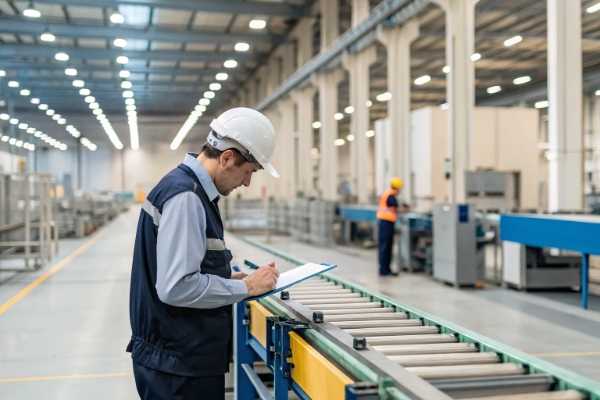
In larger factories employing over 500 workers, a complete audit often requires about two man-days3. This increases the total cost to $476 USD or more, depending on the audit's complexity. It's essential to budget accordingly when planning your audit.
What Factors Affect Factory Audit Pricing?
Several factors can influence the pricing of factory audits. Location is one of the most significant factors. Audits conducted in major manufacturing hubs like Shenzhen or Guangzhou are usually cheaper and quicker to arrange4. In contrast, audits in less accessible areas may incur additional travel costs5.

The complexity of the audit also plays a critical role. If specialized testing or compliance certifications, like ISO or CE, need to be verified on-site6, expect the costs to rise substantially. Basic supplier verification audits can start as low as $50 USD for remote checks. However, these might miss critical operational risks, leaving you exposed.
How Do Different Types of Audits Compare in Cost?
There are different types of factory audits, each associated with varying costs. Remote audits, also known as desk-based audits, tend to be much cheaper than full on-site inspections7. They are ideal for initial screenings or smaller suppliers but should not be relied upon for comprehensive evaluations8.
On-site audits involve a physical presence at the factory and tend to be more thorough. These audits provide more valuable insights into the factory's working conditions, equipment, and quality control processes9. The additional cost can be worth it, especially for larger orders where quality is critical.
What Additional Expenses Should Importers Expect?
When planning for a factory audit, it’s essential to consider potential additional expenses. Travel surcharges may apply if the factory is located in remote regions. These costs can add up quickly if the audit requires multiple days or overnight stays.

Importers should also be aware of other costs such as report generation fees and follow-up inspections. While many audit companies offer all-inclusive prices, it’s essential to clarify what is covered upfront to avoid surprises later.
Is a Factory Audit Worth the Investment?
Investing in a factory audit often pays off in the long run. The long-term cost avoidance from preventing defective shipments or supplier fraud can outweigh the initial audit expense. Studies suggest that the return on investment can be as high as 10–50 times the cost of the audit10.

Audits can protect your brand’s reputation by ensuring that the products you receive meet your quality standards. They also help build long-term relationships with suppliers who align with your business values.
How Can You Reduce Audit Costs Without Increasing Risk?
Many importers are looking to cut costs while still ensuring quality. One way to reduce audit costs is to bundle multiple audits together. This can lower travel expenses and make the audit process more efficient.

Another strategy is to conduct remote or desk-based pre-audits. While not a replacement for full audits, these can identify potential issues before committing to an on-site inspection. Ensuring robust communication and clear requirements with your audit provider can also streamline the process, avoiding unnecessary expenses.
Conclusion
Understanding the costs associated with factory audits in China is crucial for importers. The investment often pays off by preventing larger issues down the line.
"Factory Audit Cost in China: Real Prices and Hidden Fees (2026)", https://change-sourcing.com/how-much-does-a-factory-audit-cost-in-china/. A neutral pricing benchmark or procurement dataset should document typical man-day rates for third-party factory audits in China and show whether the stated USD range is representative. Evidence role: statistic; source type: other. Supports: The average cost of a factory audit in China ranges from $150 to $398 USD per man-day.. Scope note: Factory-audit pricing is often published by service providers rather than public institutions, so neutral support may be limited and should be treated as a market benchmark rather than an official average. ↩
"ISO 19011: Guidelines for Auditing Management Systems - ASQ", https://asq.org/quality-resources/iso-19011?srsltid=AfmBOortJlXhc5u7Uc2zYTqmuDc_NQ0eqfdQHkCFksIH0MTvUwtYDKRa. ISO 19011 describes management-system auditing as a structured process for evaluating audit evidence against criteria, supporting the statement that supplier audits commonly review management systems and documented conformity evidence. Evidence role: definition; source type: institution. Supports: A simple factory audit typically covers basic verification of licenses and quality systems.. Scope note: ISO 19011 defines audit principles and processes generally; it does not specify the exact checklist or price of a China factory audit. ↩
"Key Topic: What Is Social Auditing? | U.S. Department of Labor", https://www.dol.gov/agencies/ilab/sourcingstrong/steps-to-a-social-compliance-system/step-5-monitor-compliance/key-topic-what-is-social-auditing. Social and supplier-audit methodology documents that scale audit duration by workforce size can provide contextual support that larger facilities require more auditor time. Evidence role: general_support; source type: institution. Supports: In larger factories employing over 500 workers, a complete audit often requires about two man-days.. Scope note: Workforce-size audit-duration tables vary by audit scheme and scope, so they may support the principle more directly than the exact two-man-day figure. ↩
"[PDF] China's First Special Economic Zone - World Bank Document", https://documents1.worldbank.org/curated/en/294021468213279589/pdf/564470PUB0buil10Box349496B01PUBLIC1.pdf. Official or institutional material on Guangdong’s concentration of manufacturing and logistics infrastructure can support the contextual claim that audits in Shenzhen and Guangzhou are easier to arrange than audits in more remote areas. Evidence role: historical_context; source type: government. Supports: Audits conducted in major manufacturing hubs like Shenzhen or Guangzhou are usually cheaper and quicker to arrange.. Scope note: Such sources would support the infrastructure and supplier-density rationale, not prove a universal price discount for audits in those cities. ↩
"[PDF] Travel Expense Reporting and Reimbursement Audit - College Station", https://www.cstx.gov/media/ceshyzt1/24-01-travel-expense-reporting-and-reimbursement-process-audit-report.pdf. Procurement or audit-planning guidance that treats travel time, transport, and accommodation as audit expenses would support the claim that remote factory locations can increase audit costs. Evidence role: mechanism; source type: institution. Supports: Audits in less accessible areas may incur additional travel costs.. Scope note: The source may explain the cost mechanism generally rather than provide China-specific surcharge amounts. ↩
"Compliance FAQs: CE Marking | NIST", https://www.nist.gov/standardsgov/compliance-faqs-ce-marking. EU guidance on CE marking and conformity assessment, together with ISO management-system audit guidance, can support that some compliance claims require review of documentation, certification status, and production controls. Evidence role: definition; source type: government. Supports: Specialized compliance certifications, such as ISO or CE, may need to be verified as part of an on-site audit.. Scope note: CE marking requirements differ by product category, and not all CE-related verification requires an on-site factory audit. ↩
"Remote audits: a CRO virtual reality – what lessons have been ...", https://pmc.ncbi.nlm.nih.gov/articles/PMC8320653/. IAF guidance on remote auditing explains that information and communication technologies can be used when physical site visits are not feasible, supporting the distinction between remote and on-site audit methods. Evidence role: definition; source type: institution. Supports: Remote audits, also known as desk-based audits, are distinct from full on-site inspections and may reduce cost by avoiding site travel.. Scope note: Remote-audit guidance explains the method and potential efficiencies but may not quantify cost differences. ↩
"[PDF] IAF MD 4:2025, Issue 3", https://iaf.nu/iaf_system/uploads/documents/IAF_MD_4_Issue_3_30012025.pdf. Remote-audit guidance from accreditation or standards bodies can support the limitation that remote techniques may be unsuitable where direct observation of processes, conditions, or controls is necessary. Evidence role: expert_consensus; source type: institution. Supports: Remote audits should not be relied upon for comprehensive evaluations in all cases.. Scope note: The degree of limitation depends on audit objectives, available digital evidence, and the reliability of site-provided information. ↩
"[PDF] Conducting Labour Inspections on Construction", https://www.ilo.org/sites/default/files/wcmsp5/groups/public/@ed_dialogue/@lab_admin/documents/publication/wcms_570678.pdf. ILO and ISO audit guidance can support that on-site assessments allow auditors to observe workplace conditions, facilities, processes, and control practices directly. Evidence role: mechanism; source type: institution. Supports: On-site audits provide insight into a factory’s working conditions, equipment, and quality control processes.. Scope note: The source would support the observational advantage of on-site audits generally, not guarantee that every on-site audit will detect all problems. ↩
"[PDF] Reducing the Costs of Poor Quality: A Manufacturing Case Study", https://scholarworks.waldenu.edu/cgi/viewcontent.cgi?article=6608&context=dissertations. Research on prevention costs, cost of poor quality, or supplier-quality management should be used to support any quantified return claim for audits as a risk-prevention activity. Evidence role: statistic; source type: paper. Supports: The return on investment from factory audits can be as high as 10–50 times the audit cost.. Scope note: Evidence may show broad cost-of-quality savings rather than a direct 10–50× ROI for China factory audits specifically; the article should avoid overstating the multiplier unless the cited study measures audits directly. ↩