
Importing products can be a daunting task, especially when navigating different regulations and logistics. Are you curious about how to successfully import from China to New Zealand in 2026?
To import products into New Zealand, you need to be aware of various documents and regulations. This knowledge can help ensure a smooth customs clearance process and avoid delays.
You may be wondering what documents you need. Getting the right paperwork is crucial. If you don’t have the correct documents, you might face delays or additional charges. This can be frustrating for anyone trying to keep their business running smoothly.
LOOP START
What Documents Are Required to Import into New Zealand?
When it comes to importing into New Zealand, there are key documents you must have. Without them, you risk complications at customs.
Importing products into New Zealand involves preparing documents like a commercial invoice, packing list, bill of lading, and a certificate of origin1. Each document plays a role in ensuring compliance and smooth customs clearance.
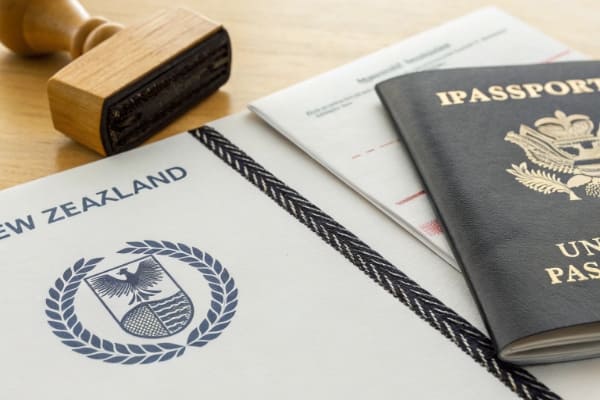
Let's dive deeper into these documents.
Commercial Invoice2: This document details the transaction between the buyer and the seller. It should include product descriptions, quantities, prices, and payment terms.
Packing List: This outlines the items in your shipment. It helps customs officials verify the contents and aids in resolving any discrepancies.
Bill of Lading3: This serves as a receipt and shipping contract. It is critical for tracking your shipment.
Certificate of Origin4: This document certifies where your goods were manufactured. It may be required to determine tariff rates.
Having all these documents in order makes your shipping process smoother and helps you avoid costly mistakes.
LOOP END
What Import Duties and GST Will You Pay in New Zealand?
Knowing the costs involved is essential for budgeting your imports.
New Zealand imposes a 15% Goods and Services Tax (GST) on all imports5, in addition to potential tariffs that vary according to the product type6. Understanding these costs helps you price your products appropriately.
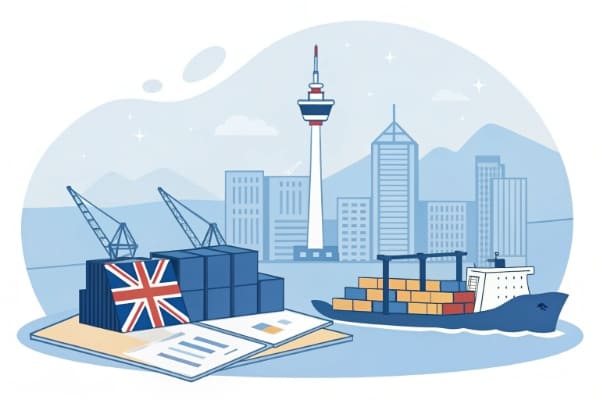
Let’s explore this further.
The GST is calculated on the total value of the goods, including shipping and insurance costs7. Some products may also attract additional import duties, which are based on the Harmonized System (HS) codes8. It’s wise to research the specific HS code for your products to know the exact duties you'll need to pay.
Being informed about duties and taxes aids in forecasting your landed costs and planning your pricing strategy accordingly.
What Products Are Restricted or Prohibited in New Zealand?
Before importing, it's vital to know what you can and cannot bring into the country.
New Zealand has strict regulations concerning restricted and prohibited items, including certain food products, plants, and animals9. Failing to comply with these regulations can lead to fines or confiscation of goods.

To ensure compliance, consider these guidelines.
Certain items are strictly prohibited, such as:
- Endangered species10: Any products made from endangered species are not allowed.
- Pesticides and chemicals: Many chemicals are restricted due to safety concerns.
Additionally, some products require special permits, such as firearms or certain pharmaceuticals. It’s crucial to check the New Zealand Customs Service website for the most current regulations.
Should You Use Air Freight, Sea Freight, or Express Shipping?
Choosing the right shipping method is key to your import strategy.
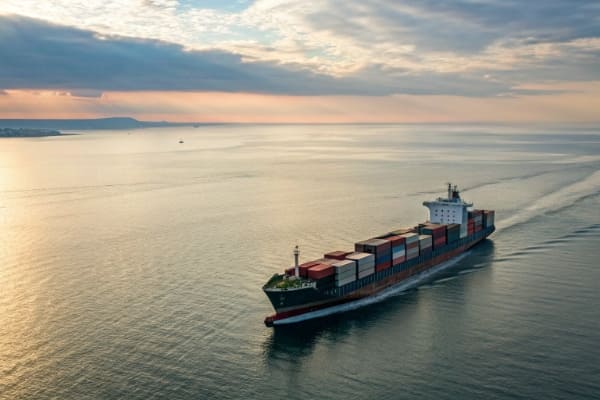
Sea freight is the most cost-effective shipping method for large-volume imports11 from China to New Zealand, despite longer transit times. Air freight is faster but significantly more expensive12, making it suitable for high-value or time-sensitive goods.
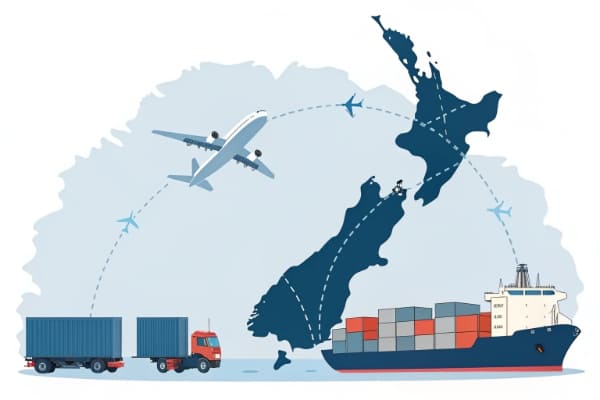
Let’s look closer at these options.
Sea Freight: Ideal for bulk shipments. It is economical for large orders, but expect longer transit times.
Air Freight: Best for urgent or high-value shipments. It’s faster but comes at a higher cost.
Express Shipping: Suitable for small, time-sensitive orders. This method allows quick delivery, but costs can add up.
Ultimately, your choice depends on your budget and the urgency of your shipment.
How Can You Avoid Shipping Delays and Hidden Charges?
No one likes surprise costs or delays.
To avoid shipping delays and hidden charges, maintain clear communication with your freight forwarder and understand all shipping terms. Proper planning and organization can save you from unexpected issues.
Let’s discuss some strategies.
Use a reliable freight forwarder: An experienced forwarder understands the complexities of international shipping. They can help navigate regulations and ensure compliance.
Plan ahead: Start your shipping process early. This allows time to address any issues that may arise.
Get detailed quotes: Ask for quotes that include all potential costs. This helps you avoid hidden fees.
By being proactive, you can streamline your import process and minimize delays.
How to Find a Trusted China Freight Forwarder for New Zealand?
Finding the right freight forwarder can make all the difference.
Hiring an experienced freight forwarder specializing in China–New Zealand routes reduces costs, avoids errors, and ensures regulatory compliance. Their expertise can be invaluable to your import success.
Here are some tips for selecting a freight forwarder.
Research: Look for companies with a solid reputation and experience in shipping from China to New Zealand.
Ask for recommendations: Use networks, trade shows, or industry contacts to find trusted forwarders.
Check reviews: Read customer feedback to gauge their reliability and service quality.
A good freight forwarder will help you navigate the complexities of importing, bringing peace of mind to your business operations.
Conclusion
Successfully importing products from China to New Zealand in 2026 requires understanding regulations, costs, and logistics. Being well-prepared can ensure your imports run smoothly.
"Common Export Documents - International Trade Administration", https://www.trade.gov/common-export-documents. New Zealand border-agency guidance identifies commercial documentation, transport documents, and origin information as common records used to assess imported goods and process border clearance. Evidence role: general_support; source type: government. Supports: Importing products into New Zealand involves preparing documents like a commercial invoice, packing list, bill of lading, and a certificate of origin.. Scope note: The precise documents required can vary by commodity, transport mode, and tariff-treatment claim. ↩
"CHAPTER 6. Customs Valuation in - IMF eLibrary", https://www.elibrary.imf.org/display/book/9781589062115/ch06.xml. Customs guidance describes the commercial invoice as a key trade document containing information such as seller, buyer, goods description, value, and transaction terms for customs valuation and clearance. Evidence role: definition; source type: government. Supports: A commercial invoice details the transaction between the buyer and the seller, including product descriptions, quantities, prices, and payment terms.. Scope note: Invoice-format requirements may differ depending on the transaction and the importing authority's requested evidence. ↩
"Bill of lading - Wikipedia", https://en.wikipedia.org/wiki/Bill_of_lading. Standard trade and transport references define a bill of lading as a document that evidences receipt of goods by the carrier and the contract of carriage, and may also function as a document of title. Evidence role: definition; source type: encyclopedia. Supports: A bill of lading serves as a receipt and shipping contract for imported goods.. Scope note: The document's legal effect can vary between negotiable and non-negotiable forms and by governing law. ↩
"New Zealand - Import Requirements and Documentation", https://www.trade.gov/country-commercial-guides/new-zealand-import-requirements-and-documentation. New Zealand trade and customs guidance explains that certificates or declarations of origin are used to substantiate where goods originate, including for eligibility under preferential tariff arrangements. Evidence role: definition; source type: government. Supports: A certificate of origin certifies where goods were manufactured and may be required to determine tariff rates.. Scope note: Not every shipment requires a formal certificate of origin; requirements depend on the product and tariff preference claimed. ↩
"Goods and Services Tax (New Zealand) - Wikipedia", https://en.wikipedia.org/wiki/Goods_and_Services_Tax_(New_Zealand). New Zealand Inland Revenue and Customs guidance states that GST is charged at 15% and is generally payable on imported goods unless a specific exemption or low-value import rule applies. Evidence role: statistic; source type: government. Supports: New Zealand imposes a 15% GST on imports.. Scope note: The statement should account for exceptions, including certain low-value goods rules and exemptions. ↩
"New Zealand - Import Tariffs - International Trade Administration", https://www.trade.gov/country-commercial-guides/new-zealand-import-tariffs. New Zealand Customs tariff guidance classifies imported goods by tariff item and applies duty rates according to the goods' classification, origin, and applicable concessions or preferences. Evidence role: mechanism; source type: government. Supports: Potential import tariffs in New Zealand vary according to product type.. Scope note: A specific duty rate cannot be inferred without the product's classification, origin, and any applicable preference or concession. ↩
"Duty and allowances - New Zealand Customs Service", https://www.customs.govt.nz/sending-and-receiving/duty-and-gst/duty-and-allowances. New Zealand Customs guidance explains that import GST is calculated on the customs value of the goods plus duty and certain freight, insurance, and other importation costs. Evidence role: mechanism; source type: government. Supports: GST on imports is calculated using the value of goods together with costs such as shipping and insurance.. Scope note: The exact calculation can differ for low-value goods, excisable goods, and cases involving concessions or exemptions. ↩
"Harmonized System (HS) Codes - International Trade Administration", https://www.trade.gov/harmonized-system-hs-codes. The World Customs Organization describes the Harmonized System as an internationally standardized nomenclature used to classify traded products for customs tariffs and trade statistics. Evidence role: definition; source type: institution. Supports: Import duties are based on Harmonized System codes used to classify products.. Scope note: National tariff schedules extend the HS differently, so New Zealand duty outcomes require the New Zealand tariff classification. ↩
"[PDF] Food and Agricultural Import Regulations and Standards Country ...", https://apps.fas.usda.gov/newgainapi/api/Report/DownloadReportByFileName?fileName=Food+and+Agricultural+Import+Regulations+and+Standards+Country+Report_Wellington_New+Zealand_06-30-2021.pdf. New Zealand biosecurity and customs guidance identifies food, plant, animal, and related biological products as goods subject to import prohibitions, restrictions, inspections, or permits to protect biosecurity and public safety. Evidence role: general_support; source type: government. Supports: New Zealand restricts or prohibits certain food products, plants, and animals from importation.. Scope note: Whether a particular item is prohibited, restricted, or permitted depends on the exact commodity, origin, treatment, and import health standard. ↩
"CITES | U.S. Fish & Wildlife Service", https://www.fws.gov/international-affairs/cites. New Zealand's CITES guidance explains that trade in specimens and products from endangered species is controlled through permits and prohibitions under the Convention on International Trade in Endangered Species. Evidence role: historical_context; source type: government. Supports: Products made from endangered species are not allowed or are tightly controlled in New Zealand imports.. Scope note: Some CITES-listed specimens may be traded legally with the required permits, so not all endangered-species products are absolutely prohibited. ↩
"[PDF] Performance of Maritime Logistics | OECD", https://www.oecd.org/content/dam/oecd/en/publications/reports/2022/07/performance-of-maritime-logistics_bee321c8/8e06fcd1-en.pdf. International freight literature and transport economics sources generally find maritime shipping to have lower unit costs for high-volume cargo than air transport, while requiring longer transit times. Evidence role: expert_consensus; source type: research. Supports: Sea freight is generally the most cost-effective method for large-volume imports from China to New Zealand.. Scope note: Actual cost-effectiveness depends on cargo type, route, season, container utilization, fuel prices, and service contracts. ↩
"[PDF] Fathoming Shipping Costs: An Exploration - World Bank Document", https://documents1.worldbank.org/curated/en/099436104042241280/pdf/IDU0c20d2ae90046304ca009ab508217e50747bd.pdf. Transport and logistics sources consistently characterize air cargo as faster than ocean shipping but more costly per unit weight or volume, making it more suitable for time-sensitive or high-value goods. Evidence role: expert_consensus; source type: research. Supports: Air freight is faster but more expensive than sea freight and is often used for high-value or urgent cargo.. Scope note: The magnitude of the price difference varies by lane, shipment size, fuel surcharges, and market capacity. ↩