
Shipping delays from China are frustrating and cost you money. Choosing a reliable freight forwarder1 is the key to fixing this problem and gaining control over your supply chain2.
A reliable freight forwarder1 for China-Canada shipping has proper licenses, physical offices in both countries, transparent pricing3, and strong customs expertise4. They use technology for tracking and prioritize long-term partnerships over cheap rates, ensuring your cargo arrives safely and on time.
Finding the right shipping partner5 can feel overwhelming when so many companies promise the same thing. But when your business depends on products arriving on time, you can't afford to take a chance on an unknown forwarder. It's about finding a partner who truly understands the complexities of this specific trade lane. Let's break down exactly what you need to look for to ensure your supply chain2 is in safe hands.
What are the key factors of a reliable freight forwarder1?
Many freight forwarder1s look the same online. Picking the wrong one can lead to hidden fees, customs headaches, and frustrating delays. You need to focus on core factors to find the best.
Key factors include proper licensing in both China and Canada, a physical presence6 at major ports, strong carrier relationships7, and comprehensive insurance. These elements create a foundation for a smooth and secure shipping process8, protecting your business from unexpected issues and financial loss.

When I first started importing, I learned that a reliable forwarder isn't just a company that moves boxes; they are a critical business partner. Their reliability is built on a few non-negotiable pillars that protect your investment and your timeline.
Licensing and Compliance
A legitimate forwarder must hold the correct licenses. In China, they need proper registration to operate legally. More importantly, for Canadian imports, they should have a CBSA-licensed customs broker on their team or as a direct partner. This proves they meet government standards and can handle your customs clearance9 correctly, which prevents your goods from getting stuck at the border.
Physical Presence and Network
A company with offices or dedicated teams in key Chinese ports (like Shenzhen or Ningbo) and Canadian gateways (like Vancouver or Toronto) has a huge advantage. This physical presence6 means their own staff can manage your cargo on the ground. They aren't just passing your shipment off to a third party. This direct control helps resolve issues faster and gives you a more consistent level of service.
Insurance and Carrier Relationships
Things can go wrong in shipping. A reliable forwarder carries sufficient cargo liability10 and errors-and-omissions insurance to cover your financial risk. They also have long-term contracts with major ocean and air carriers. This gives them priority access to space on vessels and planes, which is crucial during busy seasons when capacity is tight.
| Factor | Why It's Important |
|---|---|
| Proper Licensing | Ensures legal compliance and correct customs handling. |
| Physical Presence | Provides on-the-ground control and faster problem-solving. |
| Carrier Contracts | Guarantees space and stable pricing on ships and planes. |
| Sufficient Insurance | Protects your financial investment if something goes wrong. |
How important is experience in China–Canada shipping?
The shipping route between China and Canada has unique rules and regulations. A small mistake made by an inexperienced forwarder can hold up your entire shipment for weeks, costing you sales.
Experience is crucial. A forwarder with deep knowledge of the China-Canada lane understands specific customs rules (like CBSA requirements), port operations, and carrier preferences. This expertise helps prevent costly delays, ensures compliance, and makes the entire shipping process8 smoother and more predictable.
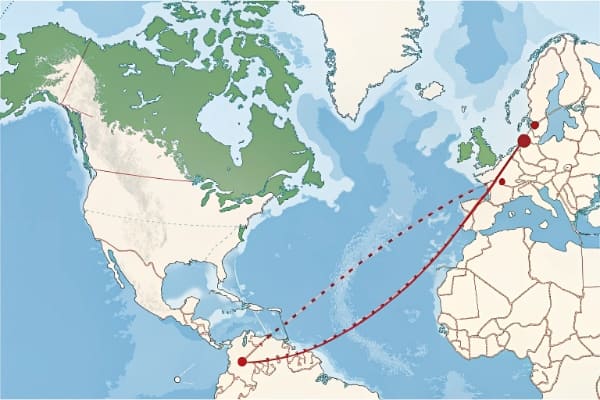
General shipping experience isn't enough. You need a partner who lives and breathes the China-to-Canada trade lane every single day. I once worked with a client who was importing a new line of electronic accessories. Their previous forwarder, who mostly handled European shipments, didn't know the specific documentation needed for Innovation, Science and Economic Development Canada (ISED). Their first shipment was stuck in Canadian customs for over a month, causing them to miss their product launch date.
Navigating Canadian Customs
An experienced forwarder knows exactly what the Canada Border Services Agency11 (CBSA) requires for different product types. Whether it's paperwork for Health Canada, labeling rules for textiles, or duties for specific goods, they get it right the first time. This expertise is the difference between a shipment clearing customs in 24 hours and one being held for a detailed inspection. They can advise you on the correct HS codes to use, which directly impacts the duties you pay.
Understanding Port Logistics
Each major Canadian port—Vancouver, Toronto, Montreal—has its own operational quirks. A forwarder with experience knows which terminals are most efficient, how to avoid congestion, and the best way to move cargo from the port to your warehouse. This local knowledge helps streamline the final leg of the journey, which is often where unexpected delays and costs pop up. They have established relationships with local trucking companies and warehouses, ensuring a seamless transition once your goods arrive in Canada.
How do communication and response time affect reliability?
Your shipment is on the water, and you hear nothing from your forwarder. This uncertainty is stressful and makes it impossible to plan for your inventory, marketing, and customer deliveries.
Fast, clear communication is essential. A reliable forwarder provides proactive updates, especially when there are delays. Quick response times mean problems are solved faster. This transparency builds trust and allows you to manage your supply chain2 and customer expectations effectively.
In my experience, the quality of a forwarder's communication is a direct reflection of their overall service quality. A silent forwarder is often a disorganized one. True reliability comes from knowing where your shipment is and trusting that your partner will inform you of any issues immediately.
Proactive Updates vs. Reactive Service
A great forwarder doesn't wait for you to ask for an update. They are proactive. They will notify you when your cargo leaves the factory, when it's loaded onto the vessel, and when it arrives at the port. More importantly, if there's a potential delay—like a storm at sea or port congestion—they tell you right away and present a solution. This is completely different from a reactive forwarder, where you have to constantly send emails and make calls just to find out what's going on.
The Value of a Dedicated Contact
Dealing with a different person every time you call is inefficient. A reliable partner will assign you a dedicated account manager. This person knows your business, your products, and your shipping history. When you have a question or a problem, you have a single point of contact who is responsible for finding the answer. This simple practice saves an incredible amount of time and frustration. It builds a real partnership where the forwarder feels like an extension of your own team, working together to achieve the same goal: getting your products delivered smoothly.
Why is pricing transparency critical when choosing a forwarder?
You get a cheap quote that seems too good to be true. Then, when the final bill arrives, it's loaded with hidden fees that you never agreed to. This is a common and frustrating trick.
Transparent pricing is critical to avoid surprise costs that ruin your budget. A reliable forwarder provides an all-inclusive quote with every fee clearly listed—from origin charges to destination fees. This honesty builds trust and ensures the price you agree to is the price you pay.
The cheapest initial quote is rarely the cheapest final price. I learned this lesson the hard way early in my career. A forwarder who hides fees in the fine print is not a partner you can trust. A reliable forwarder knows that a long-term relationship is built on honesty, and that starts with the price quote.
What an All-Inclusive Quote Looks Like
A transparent quote should break down all the potential costs. Instead of just giving you a single "ocean freight" number, it will detail every component of the journey. This includes:
- Origin Charges: Trucking from the factory, export documentation, terminal handling charges (THC) at the Chinese port.
- Main Freight: The cost for sea or air transport.
- Destination Charges: Terminal handling at the Canadian port, customs clearance9 fees, duties and taxes, and final delivery trucking.
"Bad Quote" vs. "Good Quote"
Many importers get trapped by quotes that are intentionally incomplete. Here’s a simple comparison:
| "Bad" Quote (Incomplete) | "Good" Quote (All-Inclusive) |
|---|---|
| Ocean Freight: $1,500 | Ocean Freight: $1,500 |
| Hidden fees appear later | Origin THC: $200 |
| Export Docs: $75 | |
| Destination THC: $250 | |
| Customs Clearance: $150 | |
| Total Estimated Cost: $2,175 |
By providing a complete picture upfront, a reliable forwarder allows you to budget accurately. There are no nasty surprises, and you know exactly what you're paying for. This transparency is a clear sign of a professional and trustworthy company.
How do tracking systems improve shipping reliability12?
Your cargo is somewhere in the middle of the Pacific Ocean. Not knowing its exact location or status makes it impossible to plan your inventory, manage cash flow, or give your customers accurate information.
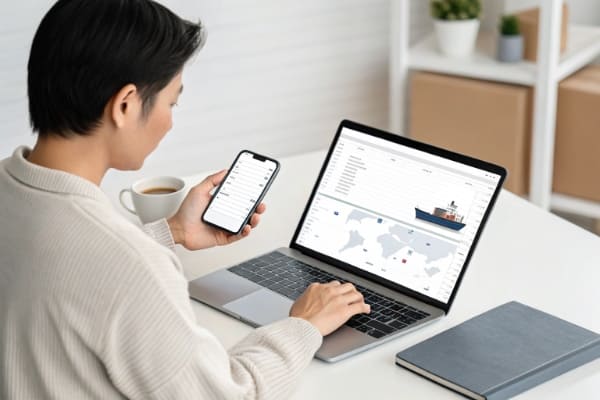
Real-time tracking systems provide visibility into your shipment's journey. They give you milestone updates from the factory to your door. This technology improves reliability by allowing you to anticipate arrival times, manage inventory, and quickly respond to any potential disruptions in the supply chain2.
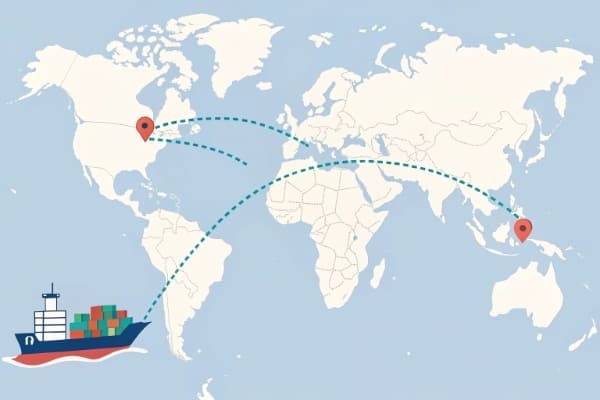
In today's world, data is everything. A reliable freight forwarder1 uses technology to give you power over your supply chain2. Gone are the days of waiting for an email reply to find out where your goods are. A modern, integrated platform provides the visibility you need to make smart business decisions.
Beyond Basic Vessel Tracking
A good tracking system does more than just show you where a ship is on a map. It integrates information from every step of the process into a single online portal. You should be able to see key milestones, such as:
- Cargo picked up from the factory
- Goods cleared through China customs
- Container loaded onto the vessel
- Vessel departure and estimated arrival
- Container unloaded at the Canadian port
- Shipment cleared by CBSA
- Final delivery scheduled
This level of detail turns an unpredictable process into a manageable one.
Using Data for Better Planning
When you have access to real-time tracking13 data, you can plan your business operations with much greater accuracy. You can tell your warehouse team exactly when to expect a delivery, so they can prepare the space. You can update your e-commerce store with more precise delivery estimates for your customers. If you see a delay, you can adjust your marketing campaigns or notify key clients in advance. A consolidated, technology-driven platform is a hallmark of a forwarder who is serious about providing reliable, modern service.
Can a cheap freight forwarder1 still be reliable?
Everyone wants to save money on shipping costs14. But chasing the lowest price often leads to bigger costs in the form of delays, damaged goods, and wasted time. The real question is about value, not just price.
It's rare. A cheap forwarder often cuts corners on service, insurance, or carrier relationships7, which leads to unreliability. A reliable forwarder invests in technology, experienced staff, and strong partnerships. They focus on total value and risk mitigation, not just the lowest initial price.

Choosing a freight forwarder1 based on price alone is one of the biggest mistakes an importer can make. A reliable supply chain2 is an asset that protects your brand's reputation and profitability. A cheap, unreliable one is a constant liability.
The Hidden Costs of "Cheap"
A low upfront quote can hide significant downstream costs. Here’s where cheap forwarders often cut corners:
- Service: They don't have enough staff, so communication is slow and problems are ignored.
- Carrier Choice: They use the cheapest, slowest shipping lines, which are more likely to have delays or get your cargo "rolled" to a later sailing.
- Insurance: They may not have adequate insurance, putting your goods at financial risk.
- Expertise: They lack the customs expertise4 to prevent your shipment from getting stuck at the border, leading to fines and storage fees.
Reliable Partner vs. Cheap Forwarder
Think of it as an investment in your business's stability. A reliable partner might have a slightly higher quote, but they deliver peace of mind and predictability.
| The Cheap Forwarder | The Reliable Partner |
|---|---|
| Focuses on lowest price | Focuses on total value and risk |
| Reactive communication | Proactive updates and solutions |
| Uses unreliable carriers | Has contracts with premium carriers |
| Incomplete, tricky quotes | Transparent, all-inclusive pricing |
| Creates supply chain2 stress | Builds a resilient supply chain2 |
Ultimately, a reliable forwarder saves you money by preventing costly problems. They are a long-term partner dedicated to helping your business succeed.
Conclusion
A reliable forwarder is a partner offering transparency, experience, and strong systems. They focus on delivering long-term value and peace of mind, not just the lowest initial price.
Explore this link to understand the essential qualities of a reliable freight forwarder and how they can enhance your shipping experience. ↩
Discover the essential elements that contribute to a successful and efficient supply chain. ↩
Find out how transparent pricing can save you from unexpected costs and build trust with your freight forwarder. ↩
Discover why customs expertise is crucial for avoiding delays and ensuring compliance in international shipping. ↩
Explore tips for selecting a reliable shipping partner that meets your business needs. ↩
Explore the advantages of having a physical presence in key ports for better cargo management and service. ↩
Learn how strong relationships with carriers can ensure timely deliveries and better service. ↩
Get a detailed overview of the shipping process to better understand logistics and planning. ↩
Learn about the customs clearance process to ensure your goods arrive without delays. ↩
Understand the importance of cargo liability insurance and how it protects your investment during shipping. ↩
Get insights into CBSA requirements to ensure your shipments clear customs smoothly. ↩
Explore the key factors that enhance shipping reliability and ensure timely deliveries. ↩
Discover how real-time tracking systems enhance visibility and reliability in the shipping process. ↩
Understand the potential hidden costs in shipping and how to avoid them for better budgeting. ↩