
Facing a supply chain crisis? The Strait of Hormuz1 disruption is causing shipping costs2 to skyrocket. This uncertainty threatens your business's bottom line and delivery timelines.
The Strait of Hormuz1 crisis dramatically increases global ocean freight costs3s]. Rerouting ships around Africa adds thousands of miles to voyages, raising fuel consumption4, insurance premiums5, and transit times6. Carriers pass these expenses on to importers through surcharges, pushing spot rates7 up by hundreds or thousands of dollars.
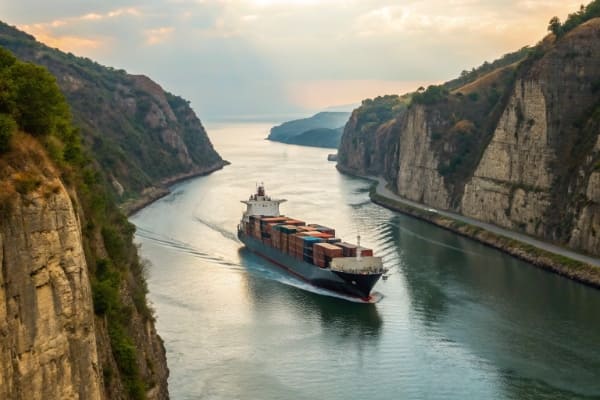
The situation is complex, and many of my clients are asking how this one chokepoint can cause such a massive ripple effect across the globe. To really understand the impact, we need to break down the problem piece by piece. Let's dive into what makes this narrow waterway so important.
What is the Strait of Hormuz1 and why is it critical for global trade?
Ever wondered why a small waterway matters so much? The Strait of Hormuz1 is a major chokepoint. If it closes, global trade faces huge disruptions and delays.
The Strait of Hormuz1 is a narrow sea passage between the Persian Gulf and the Gulf of Oman. It's a critical chokepoint for global trade, especially for oil and gas. About one-fifth of the world's oil consumption passes through it daily, making its stability vital for energy markets.
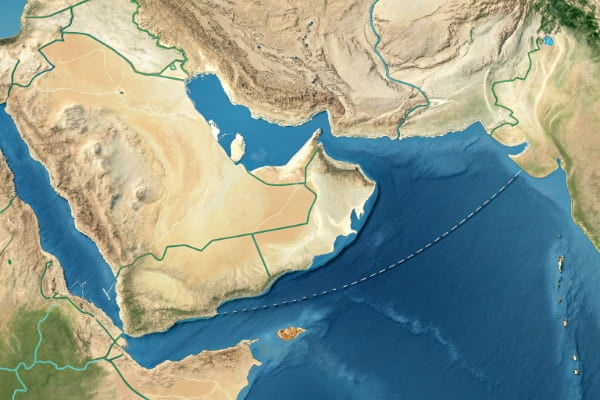
I often explain to clients that you can think of the Strait of Hormuz1 as a major highway for global commerce. It’s not just about oil. A huge volume of containerized goods from Asia and the Middle East also passes through this route on its way to Europe and the Americas. When this "highway" gets blocked or becomes dangerous, it's like a massive traffic jam that affects everyone. The entire global supply chain relies on predictable, safe passages like this one.
Key Commodities Transiting the Strait
- Crude Oil & LNG: The most significant volume comes from oil and liquefied natural gas (LNG). Major producers like Saudi Arabia, Iraq, UAE, and Kuwait depend on it.
- Containerized Goods: Finished products, raw materials, and components for manufacturing also use this route.
Any disruption here doesn't just raise fuel prices. It also delays the parts needed for factories and the products headed for store shelves. That's why its stability is a global concern.
How does the Strait of Hormuz1 disruption affect global shipping routes?
Worried about your cargo's route? A disruption in the Strait of Hormuz1 forces ships to take much longer paths. This means your shipments will be delayed significantly.
A disruption forces shipping lines to avoid the Strait of Hormuz1 and the Suez Canal. Instead, they must reroute vessels around the Cape of Good Hope in Africa. This detour adds thousands of nautical miles and weeks to a typical voyage, severely impacting delivery schedules and vessel availability.
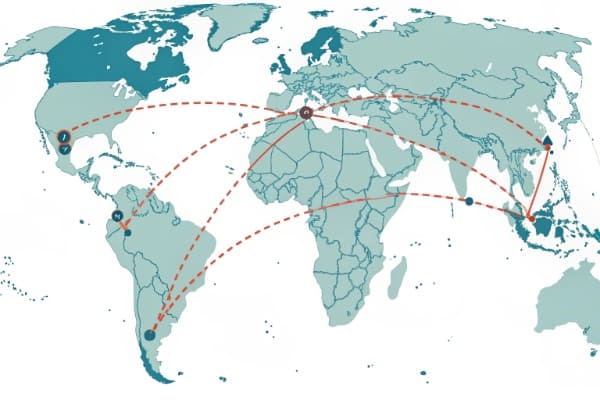
The primary effect is a massive rerouting effort. I’ve seen this happen before with other crises. The standard route for Asia-Europe trade goes through the Indian Ocean, the Red Sea, the Suez Canal, and the Mediterranean. The Strait of Hormuz1 is a key entry/exit point for this entire system. When it becomes unsafe, carriers have no choice but to take the long way around Africa. This isn't a small detour. It adds about 9,000 kilometers (or 5,600 miles) and 10-14 days to a one-way trip.
Impact of Rerouting
| Aspect | Standard Route (via Suez) | Rerouted Route (via Cape of Good Hope) |
|---|---|---|
| Distance | Shorter | Adds ~9,000 km |
| Transit Time | Faster (by 10-14 days) | Longer |
| Fuel Costs | Lower | Significantly Higher |
| Schedule Reliability | Higher | Lower due to volatility |
This longer journey means more fuel is burned, more crew time is needed, and the ship is unavailable for its next scheduled trip, creating a domino effect of delays across the network.
Why do ocean freight rates increase during geopolitical crises8 in the Middle East?
Confused by sudden price hikes? Geopolitical crises create risk and uncertainty. Shipping carriers pass these new, higher costs directly on to you, the importer.
Ocean freight rates increase due to a combination of factors. Carriers face higher operational costs from longer routes (more fuel), soaring war-risk insurance premiums5, and the need to add security surcharges. Reduced vessel capacity and port congestion also drive prices up as demand outstrips available space.
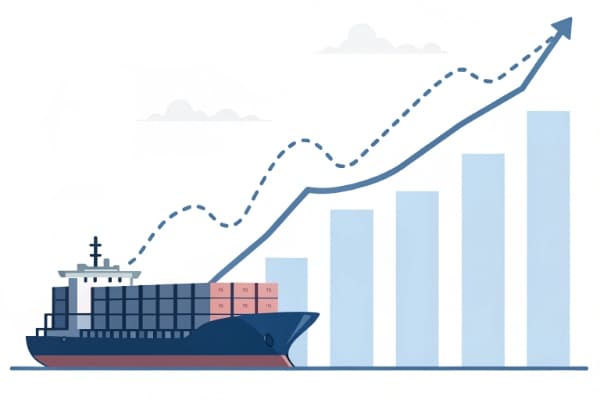
It’s a perfect storm of cost increases. From my experience managing shipments for clients, I see these costs stack up quickly. First, there's the direct cost of the longer journey—more fuel and more days at sea. Then, the insurance companies that cover these massive vessels raise their rates. They call it "war-risk insurance," and premiums for ships near conflict zones can skyrocket. I've seen premiums double overnight, adding millions to a fleet's annual costs. Carriers don't absorb this; they pass it on. They introduce new fees, like an "Emergency Risk Surcharge" or "Conflict Surcharge." I recently saw a surcharge of over $1,500 added to a single 20-foot container. All these layers of cost are ultimately paid by the importer. It’s a direct consequence of increased risk in the region.
Which shipping routes are most affected (Asia–Europe, Middle East, US trade)?
Is your trade route affected? Shipments between Asia, Europe, and the Middle East are hit the hardest. This disruption causes major delays and cost increases for these lanes.
The Asia–Europe trade lane is the most severely impacted, as it relies heavily on the Suez Canal route. Shipments to and from the Middle East are also directly affected. Even trade with the US East Coast feels the ripple effect, as vessel capacity gets tighter globally.
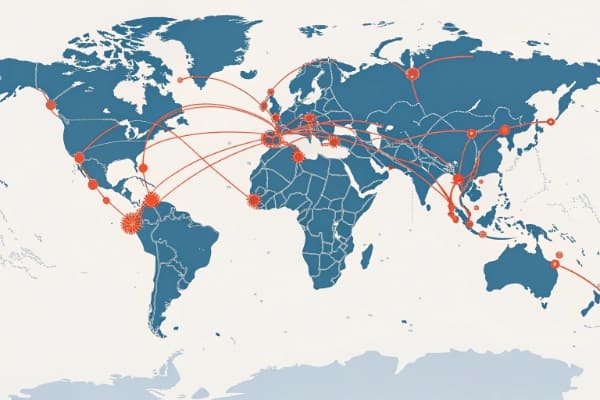
While it feels like a regional problem, the impact is global. The most directly affected routes are clear.
Breakdown of Affected Trade Lanes
- Asia–Europe: This is the primary victim. Almost all container traffic on this lane uses the Suez Canal, which is now considered a high-risk area due to its proximity to the crisis. Rerouting around Africa is now the norm for many carriers.
- Middle East Trade9: Any cargo originating from or destined for countries in the Persian Gulf (like the UAE, Saudi Arabia, or Qatar) faces immediate challenges. Getting ships in and out becomes a high-risk, high-cost operation.
- US East Coast Trade10: Many services from Asia to the US East Coast also use the Suez Canal. These routes are now facing the same rerouting decisions, leading to longer transit times6 compared to shipping to the West Coast.
The crisis tightens vessel capacity everywhere. A ship stuck on a longer route can't be used elsewhere, so there are fewer available ships and containers globally. This scarcity drives up prices even on routes that don't go anywhere near the Middle East.
What are the alternative shipping routes11 if the Strait of Hormuz1 is blocked?
Looking for a way around the problem? The main alternative is the long sea route around Africa. But there are other, less common options to consider for your cargo.
The primary alternative is rerouting ships12 around Africa's Cape of Good Hope. This is the most viable option for large container vessels. Other limited alternatives include the Northern Sea Route13 (seasonal) or multimodal options like sea-air or land bridges (e.g., China-Europe rail), though these are more expensive.
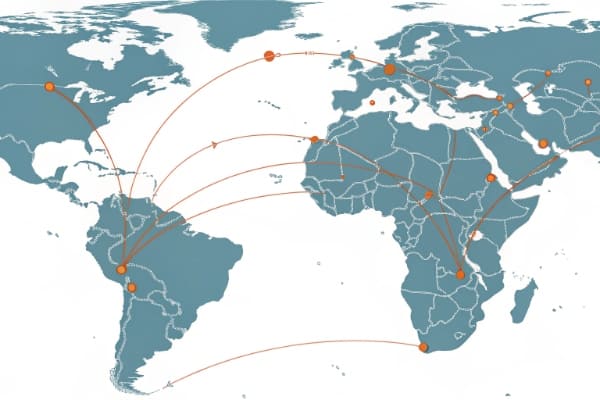
When a major "highway" like the Strait of Hormuz1 is closed, we have to look for detours. For large ocean vessels, there's really only one main alternative that can handle the volume.
Major Shipping Alternatives
| Route | Description | Pros | Cons |
|---|---|---|---|
| Cape of Good Hope | Sailing south around the tip of Africa. | Avoids the conflict zone entirely. | Adds 10-14 days, high fuel costs, longer transit time. |
| China-Europe Rail | Using the rail network across Asia to Europe. | Faster than the rerouted sea route. | Much higher cost, limited capacity, not suitable for all cargo types. |
| Sea-Air Service | Shipping by sea to a hub and then by air. | Faster than pure sea freight. | Significantly more expensive than sea, cheaper than pure air. |
| Northern Sea Route13 | Sailing over the top of Russia. | Shortest distance between Asia and Europe. | Only navigable a few months a year, requires icebreakers. |
For most of my clients importing promotional products, the Cape of Good Hope route is what the carriers choose. The rail and sea-air options are usually reserved for high-value or extremely time-sensitive goods.
How long could global shipping delays14 last during the crisis?
Tired of waiting for your shipment? These delays aren't short-term. The disruption could last for months, or as long as the geopolitical instability in the region continues.
Delays could last for months, with the duration directly tied to the geopolitical situation in the Middle East. Even after the immediate crisis ends, it will take weeks or months for shipping schedules to return to normal and for the backlog of delayed cargo to clear.

This is the million-dollar question my clients keep asking. The honest answer is: nobody knows for sure. The delays are directly linked to the geopolitical crisis. If the situation is resolved quickly, shipping lines could revert to their normal routes within weeks. However, these conflicts often drag on. Based on past events, we should prepare for a prolonged period of disruption, likely lasting several months. Even when the routes are safe again, the system won't just snap back to normal. There will be a "hangover" effect. Ships will be in the wrong places, ports will be congested with backlogged cargo, and it will take a considerable amount of time to restore schedule reliability. I advise my clients to add at least 3-4 weeks to their expected transit times6 for planning purposes for the foreseeable future.
How should importers prepare for rising freight costs15 and delays?
Is your business ready for this? Ignoring rising costs and delays will hurt your profits. You need a proactive strategy to protect your supply chain and budget.
Importers should prepare by increasing their safety stock16, booking shipments much earlier than usual, and communicating transparently with customers about potential delays. It's also crucial to budget for higher freight costs15 and explore alternative sourcing or shipping options with a supply chain partner.

You can't control geopolitics, but you can control how you react. I always tell my clients that preparation is key. Don't wait for your shipment to get delayed; assume it will be.
Proactive Steps for Importers
- Adjust Your Timelines: The most important step is to add more buffer time to your supply chain. If a product used to take 30 days to arrive, plan for 45 or 50. Place your orders with suppliers much earlier.
- Update Your Budget: Freight costs are going up. You need to factor these new, higher rates and surcharges into your product costing. Ignoring this will destroy your profit margins.
- Increase Inventory: If possible, hold more safety stock16. This will help you weather delays without running out of products to sell. This is what we call strategic stockpiling.
- Communicate: Be honest with your customers. Let them know that global events are causing delays and be transparent about delivery timelines.
- Stay Flexible: Talk with your sourcing partner about options. Can you use a different port? Is air freight viable for a small, urgent portion of your order? Being flexible can save you.
How can freight forwarders17 help stabilize supply chains during disruptions?
Feeling lost in the supply chain chaos? Trying to manage this alone is risky and expensive. A good freight forwarder can navigate the complexity for you.
A reliable freight forwarder or sourcing partner acts as your eyes and ears on the ground. We provide up-to-date information, negotiate with carriers, find alternative routes, and manage logistics to minimize delays and costs. We leverage our network to secure space on vessels and offer solutions like consolidation.

In times of crisis, a strong partner is your best asset. At Toncentlink, our role becomes even more critical. We aren't just booking shipments; we are managing risk for our clients. We have constant communication with carriers, so we get the latest information on surcharges, route changes, and delays. This allows us to give our clients accurate forecasts. We also use our relationships to secure space on crowded vessels. When capacity is tight, carriers prioritize their biggest and most reliable partners. We also help by offering creative solutions. For example, we can consolidate cargo from different suppliers to fill a container, which is more cost-effective. We can also explore multimodal options like sea-rail or sea-air that you might not have considered. Think of us as your dedicated logistics department, navigating the storm so you can focus on your business.
Conclusion
The Strait of Hormuz1 crisis highlights global supply chain vulnerability18. Planning ahead, budgeting for higher costs, and working with a trusted partner are key to navigating this uncertainty successfully.
Understanding its importance can help you grasp the broader implications of supply chain disruptions. ↩
Explore how various elements impact shipping expenses, especially in times of uncertainty. ↩
This resource will provide insights into the factors affecting shipping costs during geopolitical tensions. ↩
This link will explain the relationship between fuel costs and overall shipping expenses. ↩
Understanding this can help you anticipate additional costs in your shipping budget. ↩
This resource will clarify how delays can impact your supply chain and delivery schedules. ↩
Gain insights into how spot rates fluctuate and what that means for your shipping costs. ↩
This link will provide a broader context on how global events affect trade dynamics. ↩
Explore the specific challenges faced by trade routes in the Middle East during crises. ↩
This resource will shed light on how global issues affect trade with the US. ↩
Discover viable options for rerouting shipments to avoid delays and costs. ↩
Learn about the challenges and costs associated with rerouting, which can affect delivery timelines. ↩
Learn about this alternative route and its potential benefits and limitations. ↩
This link will provide insights into the potential duration of shipping disruptions. ↩
Understanding these factors can help you prepare your budget for unexpected expenses. ↩
This link will provide strategies for managing inventory effectively during crises. ↩
Explore the critical role of freight forwarders in managing logistics during crises. ↩
Learn about proactive measures to mitigate risks in your supply chain. ↩