
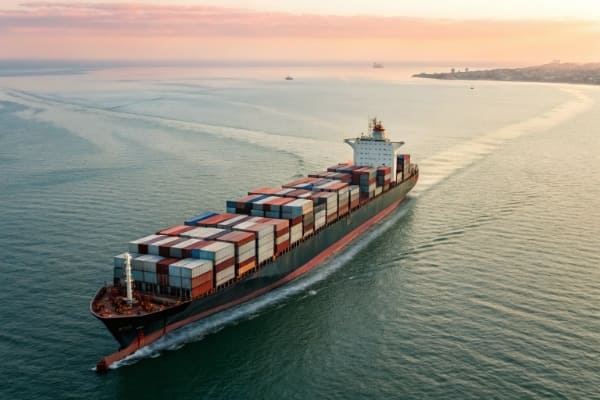
Struggling with high shipping costs from China to the UAE1? The unpredictable fees and complex options can quickly eat into your profits, leaving you searching for a better way.
The cheapest way to ship from China to the UAE2 is almost always sea freight. For smaller shipments, Less than Container Load (LCL)3 is the most cost-effective, while Full Container Load (FCL)4 offers the lowest per-unit cost for larger, bulk orders that can fill an entire container.

Finding the "cheapest" shipping method is a great start, but it's not the whole story. The cheapest option might be too slow for your deadline, or it might come with hidden costs5 that erase your savings. To make the right choice for your business, you need to understand the full picture, from transit times6 to final delivery fees. Let's break down all the details so you can ship with confidence.
What Is the Cheapest Way to Ship from China to UAE?
Choosing a shipping method feels like a puzzle. You see options for sea, air, and express, but it’s hard to know which one truly saves you the most money.
Sea freight is the undisputed cheapest way to ship goods from China to the UAE. If your shipment is small, Less than Container Load (LCL)3 is your best bet. For larger volumes, a Full Container Load (FCL)4 provides the lowest possible cost per item, making it ideal for bulk goods.
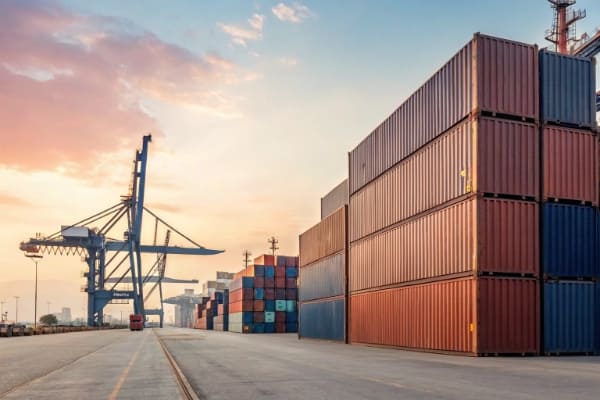
When we talk about shipping from China, we're mainly looking at three methods. Each one serves a different purpose, balancing cost against speed. Understanding this balance is key to managing your supply chain effectively. I’ve seen clients save thousands just by picking the right option for their specific needs.
Here’s a simple breakdown of your main choices:
- Sea Freight: This is your go-to for saving money.
- Less than Container Load (LCL)3: You share container space with other importers. It's perfect for smaller shipments that don't need a full container. You only pay for the volume your goods occupy.
- Full Container Load (FCL)4: You rent an entire container (usually 20ft or 40ft). This is the cheapest method per cubic meter if you have enough goods to fill it.
- Air Freight: This is much faster than sea freight but also much more expensive. It's best for high-value, lightweight, or urgent shipments.
- Express Courier: Services like DHL or FedEx are the fastest but also the most expensive. They're great for samples or very small, time-sensitive deliveries.
| Shipping Method | Best For | Cost | Speed |
|---|---|---|---|
| Sea Freight (LCL) | Small to medium volumes | Lowest | Slowest |
| Sea Freight (FCL) | Large, bulk volumes | Very Low | Slowest |
| Air Freight | Urgent or high-value goods | High | Fast |
| Express Courier | Samples, documents, tiny parcels | Highest | Fastest |
For most businesses importing promotional products or other goods in volume, sea freight is the only option that makes financial sense.
How Much Does Shipping from China to UAE Cost?
Getting a clear price for shipping can be frustrating. You ask for a quote and get a number, but you’re never sure if that’s the final price you'll actually pay.
Sea freight LCL shipping can cost around $18 USD per cubic meter. A 20-foot FCL container typically costs between $1,800 and $2,100. In contrast, air freight starts above $2/kg, and express couriers like DHL can charge over 11 AED/kg for shipments heavier than 100 kg.

These numbers give you a good starting point, but the final cost depends on several factors. I always tell my clients to look beyond the base freight rate. The total cost is influenced by the shipment's weight and volume, the origin and destination ports, and even the time of year you ship. For example, shipping from a major southern China port like Shenzhen or Guangzhou to Jebel Ali in the UAE is often cheaper because there's more competition and shorter sailing routes.
Here are some estimated costs for 2026 to help you budget:
| Shipping Method | Typical Volume/Weight | Estimated Cost (USD) |
|---|---|---|
| Sea Freight (LCL) | 2 Cubic Meters (CBM) | $36+ |
| Sea Freight (FCL) | 20-foot Container | $1,800 - $2,100 |
| Air Freight | 100 kg | $200+ |
| Express Courier | 100 kg | $300+ (approx. 1100 AED+) |
Remember, these are just for the freight itself. They don't include other potential charges like customs duties7, taxes, or local delivery fees. That's why it's so important to get a detailed, all-inclusive quote from your shipping partner.
Sea Freight vs Air Freight: Which Is Cheaper?
You need your products, but you also need to protect your profit margins. This often leads to a tough choice: pay more for speed with air freight or save money with sea freight?
Sea freight is significantly cheaper than air freight, especially for anything heavy or bulky. Air freight is priced by weight, and its cost adds up quickly. Sea freight, priced by volume, is the clear winner for any business looking to control costs on bulk shipments.
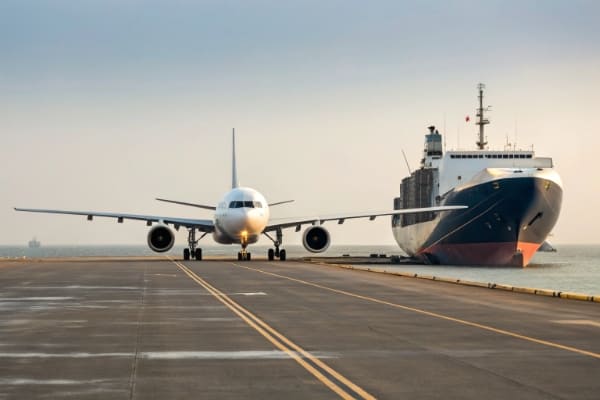
The cost difference between sea and air freight is not small—it's huge. I had a client who needed to ship 1,000 custom water bottles. The air freight quote was over five times higher than our sea freight option. Unless you're shipping diamonds or a last-minute emergency order, the math almost always points to the ocean.
Let's look at a direct comparison to see why. The decision depends on your shipment's chargeable weight, which is the greater of its actual weight or its volumetric weight. Air freight is very sensitive to this, while sea freight is more forgiving.
| Feature | Sea Freight | Air Freight |
|---|---|---|
| Pricing Model | Per cubic meter (CBM) | Per kilogram (kg) |
| Ideal For | Heavy, bulky, non-urgent goods | Lightweight, high-value, urgent goods |
| Example Cost (500 kg shipment) | ~$100 - $300 (as LCL) | ~$1,000+ |
| Cost-Effectiveness | Excellent for volumes over 1 CBM | Poor for heavy or large items |
Think about it this way: a standard 20-foot container (FCL) can hold around 33 cubic meters of goods. You pay one flat rate for that entire space, around $2,000. To ship that same volume by air would cost tens of thousands of dollars. The choice becomes pretty clear for most importers.
How Long Does the Cheapest Shipping Take?
You found a great, cheap shipping rate, but now comes the waiting game. The biggest downside of saving money on shipping is often the time it takes for your products to arrive.
The cheapest shipping method, sea freight, is also the slowest. You should expect a port-to-port transit time of 16 to 28 days for a ship to travel from China to Jebel Ali, UAE. This timeline does not include inland transport, customs clearance, or potential port delays.
When I help clients plan their inventory, I always stress that "transit time" is just one part of the total journey. The entire process, from the moment your goods leave the factory in China to when they arrive at your warehouse in the UAE, takes longer. Forgetting to account for this full timeline is a common mistake that can lead to stockouts and missed deadlines.
Here’s a more realistic look at a typical sea freight timeline:
| Stage | Estimated Time |
|---|---|
| 1. Factory to China Port | 2-5 days |
| 2. Export Customs & Port Handling | 3-7 days |
| 3. Sea Transit (Sailing Time) | 16-28 days |
| 4. UAE Customs Clearance | 3-5 days |
| 5. Port to Your Warehouse | 1-3 days |
| Total Estimated Time | 25-48 days |
As you can see, the 16-28 day sailing time is just the middle part of the journey. In contrast, air freight can get your goods from China to the UAE in about 5-10 days total, and express couriers can do it in 3-7 days. The cost savings from sea freight are substantial, but they require careful planning far in advance.
What Hidden Costs Should You Watch Out For?
Nothing is worse than getting a cheap shipping quote, only to be hit with a final bill that’s double the original price. Hidden costs can turn a great deal into a financial nightmare.
Watch out for destination charges. These include terminal handling fees, customs brokerage fees, import duties, and VAT. These costs are often excluded from basic port-to-port quotes and can easily add hundreds or even thousands of dollars to your final bill.

I’ve seen this happen too many times. A client comes to me after getting a "super cheap" quote from another company. The quote was for port-to-port shipping only. When the container arrived in Jebel Ali, they were suddenly responsible for paying all the local charges, and they had no idea how much it would be. They ended up paying more than if they had just used an all-inclusive service from the start.
To avoid surprises, you need to know what to look for. Here are the most common hidden costs5:
- Terminal Handling Charges (THC): Fees charged by the destination port for handling your container.
- Customs Clearance Fees: The cost for a broker to process your import documents.
- Import Duties & Taxes: The UAE has a 5% VAT on most goods, plus potential import duties depending on the product.
- Demurrage & Detention8: Fees for using a container longer than the allotted free time, often due to customs delays.
- Inland Trucking: The cost to transport your goods from the port to your final warehouse.
The best way to avoid these surprises is to ask for a DDP (Delivered Duty Paid)9 quote. A DDP quote includes all costs from the factory in China to your door in the UAE. It might look more expensive upfront, but it gives you total price certainty.
How to Get the Lowest Shipping Quote from China to UAE?
You know you need to control costs, but getting the absolute lowest price feels like a secret you're not in on. How can you make sure you're getting the best possible deal?
To get the lowest quote, ship during the off-season, consolidate smaller shipments10 into one LCL booking, and work with a freight forwarder11 who can access volume discounts. Also, always get quotes from southern China ports like Shenzhen, as they are often more competitive.

Getting the lowest quote isn’t about luck; it’s about being strategic. As a sourcing partner, part of my job is to find these efficiencies for my clients. Simple timing changes can make a big difference. For example, booking your shipment well before major holidays like Christmas or Chinese New Year can save you 10-20% by avoiding peak-season surcharges.
Here are actionable steps you can take to secure the best shipping rate:
- Plan and Book Early: Avoid last-minute bookings. Shipping rates are lower when demand is low. Aim to book at least 3-4 weeks in advance.
- Consolidate Your Orders: If you have multiple small orders from different suppliers, use a partner like us to consolidate them into a single LCL shipment. This is far cheaper than shipping each one separately.
- Be Flexible with Ports: While Shanghai and Ningbo are huge ports, sourcing your products and shipping from southern China (e.g., Shenzhen, Guangzhou) can often result in lower sea freight rates to the UAE.
- Provide Accurate Information: To get an accurate quote, give your forwarder the exact details: product description, number of cartons, total weight, and total volume (CBM).
- Request a DDP Quote: Always ask for an all-inclusive DDP (Delivered Duty Paid)9 price. This lets you compare the true total costs between different providers and avoids any nasty surprises upon arrival.
Conclusion
Sea freight is your cheapest shipping option from China to the UAE, but planning is everything. To truly save, look beyond the freight rate, account for transit time, and work with a partner who offers transparent, all-inclusive pricing.
Understanding shipping costs can help you budget effectively and avoid unexpected expenses. ↩
Discovering the cheapest shipping methods can significantly reduce your overall expenses. ↩
Learn about LCL shipping to optimize costs for smaller shipments and maximize savings. ↩
Understanding FCL can help you make informed decisions for bulk shipping needs. ↩
Identifying hidden costs can prevent budget overruns and ensure accurate financial planning. ↩
Knowing transit times helps in planning inventory and meeting deadlines. ↩
Understanding customs duties is crucial for accurate cost estimation and compliance. ↩
Being aware of these fees can prevent unexpected charges during shipping. ↩
A DDP quote provides clarity on total shipping costs, avoiding surprises. ↩
Consolidating shipments can reduce costs and improve efficiency. ↩
A freight forwarder can help you navigate shipping complexities and save money. ↩