
Sea freight is a vital part of global trade1. It involves transporting goods by cargo ships across oceans or seas2. If you are new to this, it might seem complex. But understanding sea freight can help you navigate your shipping needs effectively.
Sea freight is the transport of goods by cargo ship over oceans or seas, making it essential for international trade. Knowing how it works can save time and money.
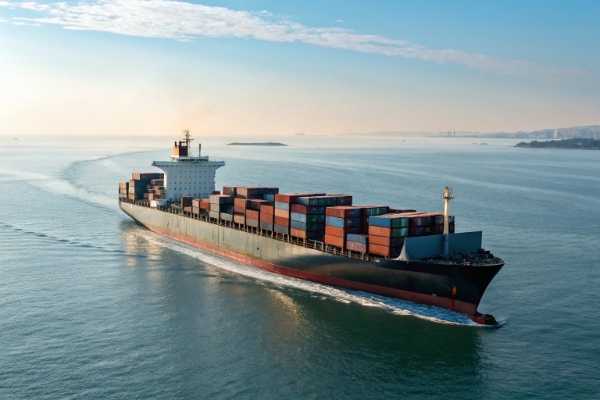
Sea freight is often chosen for its cost efficiency, especially when shipping large quantities over long distances3. It typically involves a series of steps from booking space to loading cargo onto vessels4. The process may seem daunting, but it can be broken down into manageable parts.
What Is Sea Freight?
Sea freight refers to the transportation of goods using cargo ships. It is one of the most economical ways to move large volumes of goods internationally. This method is widely used for importing and exporting products across the globe. It allows businesses to ship everything from raw materials to finished products5.
Sea freight is a method to transport goods internationally by cargo ships, making it an essential service for global trade.
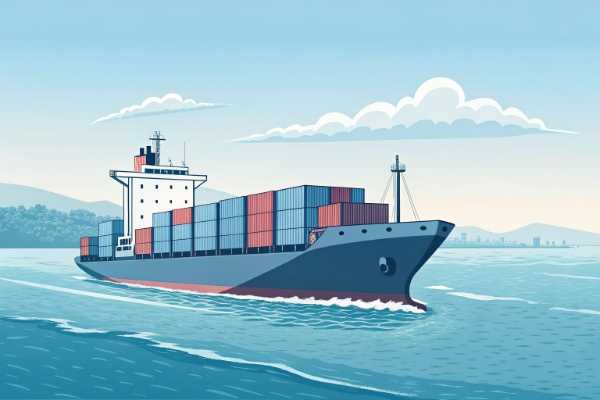
The appeal of sea freight lies in its ability to handle large quantities. Goods are usually loaded into standardized containers6. This standardization helps streamline the loading, unloading, and storage process. As a result, sea freight is a dependable choice for many businesses.
How Does Sea Freight Work from China to International Destinations?
When shipping from China to other countries, several steps are involved. First, shippers book space on a vessel through a freight forwarder or carrier7. This step is crucial because it secures the necessary space for the cargo.
The process begins with booking space on a vessel through a freight forwarder, which ensures your cargo is secured for transportation.
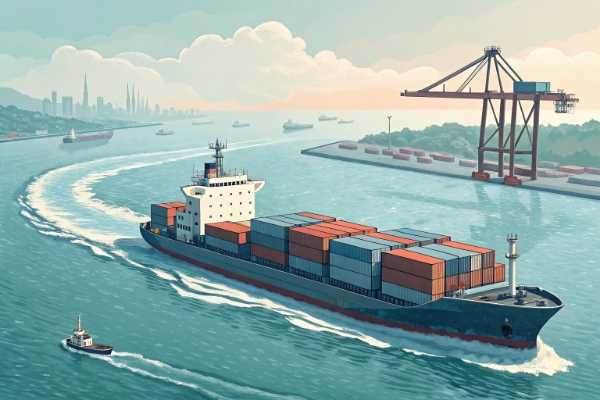
After booking, goods are packed into containers. This is a critical step that ensures protection during transit. The containers are then transported to the port where they are loaded onto the vessel.
Once the cargo reaches its destination, it goes through customs clearance8. This is an important step for ensuring that all regulatory requirements are met. After customs clearance, the shipment may require inland transport to its final destination.
What Are the Different Types of Sea Freight Services?
There are primarily two types of sea freight services: Full Container Load (FCL) and Less than Container Load (LCL)9.
- FCL is suitable for shipments that fill an entire container. This option is often more cost-effective for large volumes.
- LCL is ideal for smaller shipments where the cargo does not fill a whole container. It allows multiple shipments from different customers to share container space.
FCL and LCL services are the two main options for sea freight, catering to different cargo volumes and needs.
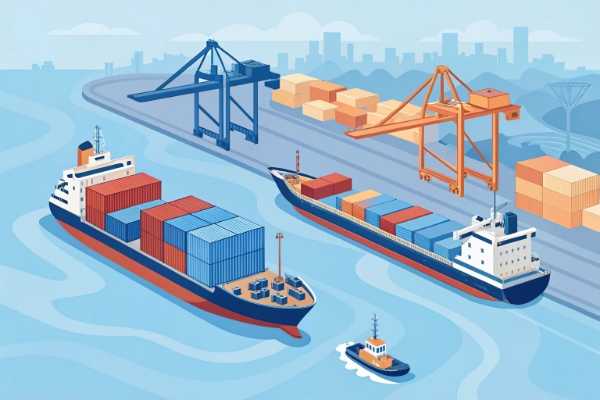
Choosing between FCL and LCL depends on the volume of goods and budget considerations. Each service has its own set of advantages based on the shipment's needs.
What Are the Advantages and Disadvantages of Sea Freight?
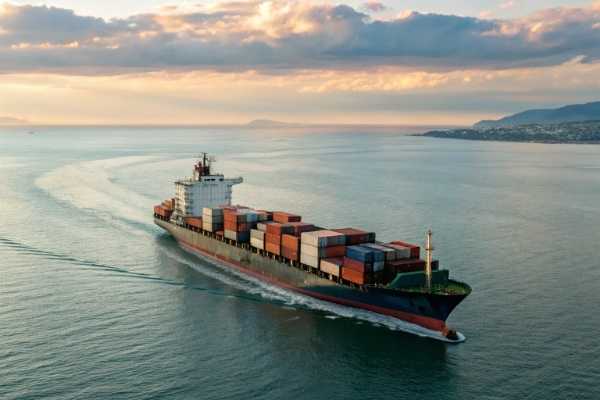
Sea freight has several advantages. Firstly, it is cost-efficient for large shipments. Secondly, it is suitable for non-urgent goods, as it generally takes longer than air freight.
However, there are disadvantages as well. Sea freight can be slower, leading to delays. Additionally, unexpected charges may arise if port clearance takes longer than anticipated. These can include detention or demurrage fees10.
Sea freight is cost-effective for large shipments, but it has drawbacks such as longer transit times and potential additional fees.
Understanding these pros and cons allows businesses to make informed shipping decisions, balancing cost and time effectively.
How Long Does Sea Freight Take and How Much Does It Cost?
Transit times for sea freight usually vary based on the route and shipping line. Generally, shipments can take anywhere from a few days to several weeks.
Cost is another important factor. Sea freight is typically less expensive than air freight, especially for large quantities. Prices can fluctuate based on various factors, including fuel costs and shipping demand11.
Transit times can range from days to weeks, while sea freight offers a more budget-friendly option compared to air shipping for large volumes.
To get precise estimates, it’s best to consult with a freight forwarder. They can provide tailored quotes based on the specific needs of your shipment.
How Do You Prepare Your Shipment for Sea Freight?
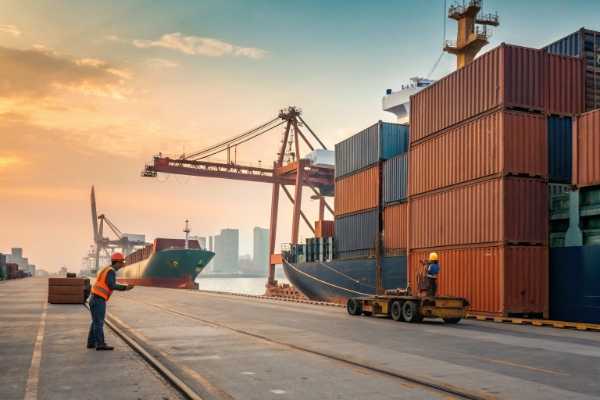
Preparing your shipment for sea freight involves several steps. First, ensure that your goods are packed securely in containers. Proper packing protects the items during transport.
Next, make sure all shipping documents are in order. This includes the bill of lading, commercial invoice, and any necessary customs paperwork. Accurate documentation is essential for smooth customs clearance.
Secure packing and proper documentation are key steps in preparing your shipment for sea freight.
Additionally, it’s wise to choose a reliable freight forwarder. They help navigate the complexities of international shipping and ensure that your cargo arrives safely and on time.
Conclusion
In summary, sea freight is an economical method for transporting goods internationally, especially for large volumes. Understanding its workings can greatly benefit your shipping strategy.
"Shipping and Ports | World Bank Group", https://www.worldbank.org/ext/en/topic/transport/shipping-and-ports. UNCTAD reports that maritime transport carries the majority of international merchandise trade by volume, supporting the characterization of sea freight as central to global trade. Evidence role: statistic; source type: institution. Supports: Sea freight is a vital part of global trade.. Scope note: This supports the overall importance of maritime transport globally, not the importance of any specific shipping route or shipment. ↩
"Cargo ship - Wikipedia", https://en.wikipedia.org/wiki/Cargo_ship. A general reference source or maritime institution defines sea freight or maritime transport as the carriage of goods by ship over sea routes, supporting the article’s basic definition. Evidence role: definition; source type: encyclopedia. Supports: Sea freight involves transporting goods by cargo ships across oceans or seas.. Scope note: The definition is general and may not cover related services such as inland haulage, customs brokerage, or port handling. ↩
"Maximizing efficiency to minimize shipping costs - World Bank Blogs", https://blogs.worldbank.org/en/transport/maximizing-efficiency-to-minimize-shipping-costs. Transport economics literature and international maritime reports describe ocean shipping as having low unit costs for high-volume, long-distance cargo, supporting the cost-efficiency claim in a general sense. Evidence role: expert_consensus; source type: institution. Supports: Sea freight is often chosen for its cost efficiency, especially when shipping large quantities over long distances.. Scope note: Actual costs depend on route, equipment availability, market rates, surcharges, and cargo characteristics. ↩
"Know Your Incoterms - International Trade Administration", https://www.trade.gov/know-your-incoterms. Freight forwarding and maritime transport guidance commonly describes ocean shipment workflows as including booking, documentation, container packing or consolidation, port delivery, and vessel loading, supporting the article’s process summary. Evidence role: general_support; source type: institution. Supports: Sea freight typically involves a series of steps from booking space to loading cargo onto vessels.. Scope note: Operational steps vary by Incoterms, port, carrier, cargo type, and whether the shipment is FCL or LCL. ↩
"Shipping data: UNCTAD releases new seaborne trade statistics", https://unctad.org/news/shipping-data-unctad-releases-new-seaborne-trade-statistics. UNCTAD and maritime trade statistics distinguish seaborne cargoes such as bulk commodities, oil, and containerized manufactured goods, supporting the claim that sea freight carries both raw materials and finished products. Evidence role: general_support; source type: institution. Supports: Sea freight allows businesses to ship everything from raw materials to finished products.. Scope note: The source would support categories of maritime cargo rather than proving every product type is suitable for sea freight. ↩
"Containerization", https://en.wikipedia.org/wiki/Containerization. Historical and technical accounts of containerization explain that standardized shipping containers enabled more efficient intermodal handling, storage, and transfer between ships, trucks, and rail. Evidence role: historical_context; source type: encyclopedia. Supports: Goods are usually loaded into standardized containers, and this standardization helps streamline loading, unloading, and storage.. Scope note: This supports the efficiency role of standardization generally; it does not quantify savings for a particular shipment. ↩
"Navigate Shipping and Logistics - International Trade Administration", https://www.trade.gov/navigate-shipping-and-logistics. FIATA and trade guidance describe freight forwarders as intermediaries that arrange the carriage of goods with carriers, supporting the article’s statement that vessel space may be booked through a forwarder or directly with a carrier. Evidence role: definition; source type: institution. Supports: Shippers book space on a vessel through a freight forwarder or carrier.. Scope note: The exact legal role of a forwarder can differ by jurisdiction and contract terms. ↩
"Basic Importing and Exporting | U.S. Customs and Border Protection", https://www.cbp.gov/trade/basic-import-export. The World Customs Organization describes customs procedures as the formalities required for goods to enter, leave, or transit a customs territory, supporting the need for clearance before release at destination. Evidence role: definition; source type: institution. Supports: Once cargo reaches its destination, it goes through customs clearance to meet regulatory requirements.. Scope note: Specific clearance requirements vary by country, commodity, and import regime. ↩
"FCL vs LCL shipping: How to choose the right one - Maersk", https://www.maersk.com/logistics-explained/transportation-and-freight/2023/12/15/understanding-ocean-freight. Neutral trade and logistics references define FCL as a shipment using a full container and LCL as consolidated cargo sharing container space, supporting the distinction between the two service types. Evidence role: definition; source type: education. Supports: Full Container Load and Less than Container Load are two principal containerized sea freight service options.. Scope note: Commercial practices and pricing thresholds for FCL versus LCL vary among carriers, forwarders, and trade lanes. ↩
"Detention and Demurrage - Federal Maritime Commission", https://www.fmc.gov/detention-and-demurrage/. The U.S. Federal Maritime Commission defines demurrage and detention as charges related to cargo remaining at terminals or equipment being retained beyond allowed free time, supporting the article’s explanation of possible extra fees. Evidence role: definition; source type: government. Supports: Unexpected charges such as detention or demurrage fees may arise when port clearance or container return takes longer than allowed.. Scope note: Fee names, rules, and enforceability differ by jurisdiction, terminal, carrier tariff, and contract. ↩
"[PDF] Fathoming Shipping Costs: An Exploration - World Bank Document", https://documents1.worldbank.org/curated/en/099436104042241280/pdf/IDU0c20d2ae90046304ca009ab508217e50747bd.pdf. UNCTAD maritime transport analyses identify fuel prices, demand, supply capacity, and market disruptions as factors influencing freight rates, supporting the article’s statement about rate fluctuation drivers. Evidence role: mechanism; source type: institution. Supports: Sea freight prices can fluctuate based on factors including fuel costs and shipping demand.. Scope note: The source explains general rate drivers and does not predict the price of any individual shipment. ↩