
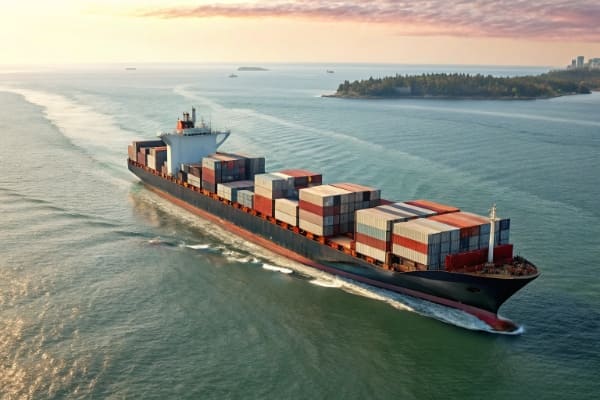
Struggling with shipping from China1? Unexpected costs and delays can eat into your profits, turning a great product sourcing deal into a logistical nightmare. It’s a frustrating and common problem.
The biggest mistakes when shipping from China1 to New Zealand include choosing the wrong freight partner2, letting your supplier manage logistics3s], and providing incorrect documentation4. These errors lead to surprise costs, customs holds5, biosecurity delays6, and significant damage to your supply chain7 timeline and budget.
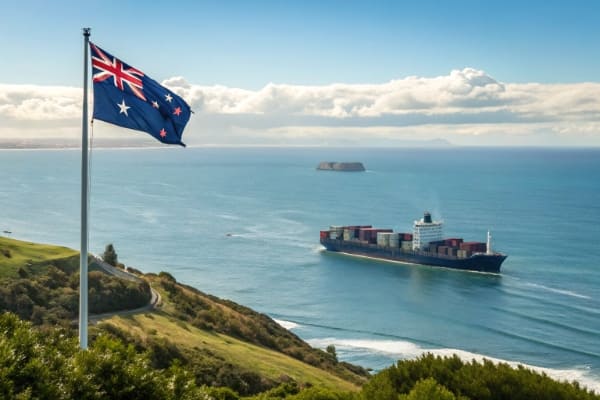
Shipping goods across the world seems straightforward, but the journey from a factory in China to your warehouse in New Zealand is full of potential traps. I've seen many businesses make the same costly errors over and over again. The good news is that you can avoid them. You just need to know what to look for. In this guide, I'll walk you through the most common mistakes I've seen and show you how to sidestep them, ensuring your products arrive safely, on time, and on budget.
Why do importers choose the wrong freight forwarder8?
Tempted by a super-low shipping quote? This often leads to poor service, hidden fees, and stressful delays that cost you more in the long run. It's a classic trap.
Importers often choose the wrong freight forwarder8 by focusing only on the cheapest price. They overlook crucial factors like communication, experience with New Zealand customs9, clear Incoterms10, and the forwarder's ability to solve problems, leading to expensive delays and a lack of support when issues arise.

Choosing a freight forwarder8 based on price alone is like buying a car without checking the engine. It might look good on paper, but it won't get you where you need to go. A cheap forwarder might save you a few hundred dollars on the initial quote, but where do they cut corners? It's usually in customer service, documentation4 accuracy, and proactive problem-solving. When your shipment gets flagged by New Zealand's Ministry for Primary Industries (MPI) for a biosecurity check, you need a partner who answers the phone and knows exactly what to do. A low-cost provider might leave you to figure it out on your own, while storage fees pile up. A good partner provides value, not just a low price. They understand Incoterms10 like FOB and EXW, communicate clearly, and act as your eyes and ears on the ground. They are an investment in a smooth supply chain7.
Is it risky to let your supplier handle shipping?
Your supplier offers to handle shipping for you. It sounds easy and convenient, but this convenience can hide major risks and costs you don't see until it's too late.
Yes, letting your supplier handle shipping is very risky. They are manufacturing experts, not logistics specialists11oncentlink.com/understanding-the-sourcing-process-from-china-timeline-and-tips-for-faster-delivery/)12 specialists. They may choose an unreliable forwarder, mark up the shipping costs13, or fail to prepare the correct documentation4 for New Zealand's strict import rules, leaving you with no control over delays.
I always advise my clients to separate manufacturing from logistics12. When you let your supplier manage shipping (often under CIF or DDP Incoterms10 they control), you lose all visibility and control. Their main goal is to get the product out of their factory. They are not incentivized to find the most efficient or reliable shipping route for you. I've seen cases where a supplier used their cousin's new shipping company, which had no experience with New Zealand's biosecurity laws. The shipment was held for weeks because of improper packaging. You also can't be sure you're getting a fair price. The supplier can easily add a margin to the shipping cost. By taking control of your own shipping with a trusted freight forwarder8, you choose the service level, control the timeline, and ensure all paperwork is prepared correctly for a smooth entry into New Zealand.
You've paid your supplier and your shipper. You think all costs are covered. Then, an invoice arrives for fees you never even knew existed, ruining your product margin.
Hidden costs often come from customs duties15 and GST on an undervalued declaration, biosecurity inspection and treatment fees, and port storage charges from delays. Unexpected local delivery fees and documentation4 amendment charges can also add up, turning a profitable shipment into a financial loss.
When shipping from China1 to New Zealand, the price on your initial quote is rarely the final price you pay unless you're working with a transparent partner. Hidden costs can pop up at every stage of the journey. Some suppliers might suggest under-declaring the value of your goods to save on GST and duty, but New Zealand Customs is very good at spotting this. A re-evaluation can lead to fines on top of the correct tax bill. Another major source of surprise fees is biosecurity. If your shipment contains untreated wood packaging, MPI will order it to be treated or re-exported at your expense.
Here are some common hidden costs14 to be aware of:
| Hidden Cost Category | Description | How to Avoid It |
|---|---|---|
| Customs & Duties | Fines and extra GST/duty from under-declaring value. | Always declare the true commercial value of your goods. |
| Biosecurity Fees | Charges for inspection, fumigation, or destruction of non-compliant goods/packaging. | Ensure all wooden packaging is ISPM-15 stamped and certified. |
| Port & Storage Fees | Demurrage and detention charges when cargo is not cleared or picked up on time. | Work with a proactive forwarder who manages customs clearance efficiently. |
| Local Delivery Charges | Unexpected fees for tailgate lifts, residential delivery, or remote locations. | Confirm all-inclusive "door-to-door" pricing and specify the final delivery address details. |
How can customs or biosecurity delays6 affect your shipment?
Your container has arrived in Auckland, but you can't get it. It's stuck "on hold," and every day that passes means more delays, more fees, and more frustration.
Customs delays, caused by incorrect paperwork like wrong HS codes or value, can lead to inspections and fines. Biosecurity holds, often due to non-compliant wooden packaging (not ISPM-15 compliant), can result in expensive fumigation, storage fees, or even the re-export of your entire shipment.
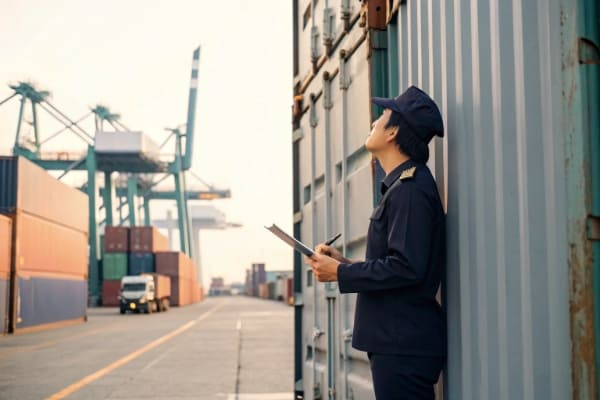
New Zealand has one of the strictest biosecurity systems in the world, managed by the Ministry for Primary Industries (MPI). They are looking for anything that could harm the country's agriculture, from insects in wooden pallets to soil on used machinery. If your supplier uses cheap, untreated wood for crating your products, you will face problems. All wood packaging material must be treated and stamped according to ISPM-15 standards. Failure to comply leads to mandatory treatment or destruction, all at your expense. On the customs side, simple mistakes on the commercial invoice or packing list can trigger a full container inspection. For example, using the wrong HS code or having descriptions that don't match the goods will raise a red flag. These delays aren't just an inconvenience; they come with daily storage fees that can quickly add up to thousands of dollars, completely destroying your profit margin.
Why is poor communication a major risk in logistics12?
Your shipment is missing. Your forwarder isn't answering your emails. You have no idea where your goods are, when they will arrive, or what's going on. This is a nightmare.
Poor communication in logistics16s] is a massive risk because it leaves you blind. Without timely updates, you can't manage your inventory, inform your customers, or solve problems at the border. It turns small, fixable issues into expensive, business-disrupting disasters because no one is talking.

Logistics is not just about moving boxes; it's about moving information. When you choose a freight partner2, you are paying for communication as much as you are for transportation. A good partner gives you regular updates and, more importantly, tells you about bad news immediately. If there's a typhoon delaying the ship or a customs check at the port, you need to know now, not next week. This allows you to adjust your plans, manage your customer's expectations, and make informed decisions. I've seen situations where a simple request for more paperwork from customs sat in a forwarder's inbox for five days. By the time anyone saw it, the shipment had already racked up huge storage fees. At Toncentlink, we act as your communication hub. Our team in China talks to the factory, and our logistics12 experts talk to the shipping lines and customs brokers, so you get one clear, consistent message.
What should you do if your shipment is delayed or held?
You just got the email: your shipment is being held by New Zealand customs9. Panic sets in. What do you do now? Who do you call? How much is this going to cost?
If your shipment is held, first, contact your freight forwarder8 immediately to understand the exact reason for the hold. Second, quickly provide any requested documents or information. Finally, ask for a clear breakdown of potential costs and use this experience to prevent future issues.
Facing a shipment hold is stressful, but a clear head and a quick response can make a huge difference. The first thing to do is not to panic. Instead, follow a clear process. Your freight forwarder8 or logistics12 partner is your first point of contact. They should be able to tell you which agency is holding the shipment (Customs or MPI) and exactly why. It could be a documentation4 issue, a random inspection, or a biosecurity concern. Once you know the problem, you can work on the solution. This often involves providing corrected paperwork, product compliance certificates, or authorizing payment for fumigation. Be fast. The longer your container sits, the higher the storage fees. This is also where having good shipping insurance17 proves its worth. If the goods are damaged or lost during this process, insurance can protect you from a total financial loss.
Conclusion
Avoiding these common shipping mistakes from China to New Zealand comes down to choosing the right partners, paying attention to detail, and prioritizing clear communication over the lowest price.
Explore this resource to learn effective strategies for smooth shipping from China. ↩
This link provides insights on selecting a reliable freight partner to avoid costly mistakes. ↩
Learn the risks of allowing suppliers to handle logistics and how to mitigate them. ↩
Find out the essential documentation needed for smooth shipping to New Zealand. ↩
Learn about customs holds and how to prevent them from disrupting your shipments. ↩
This resource offers tips on managing biosecurity delays effectively. ↩
Understand the components of a successful supply chain to improve your logistics. ↩
This link provides a checklist for choosing the right freight forwarder for your needs. ↩
Get informed about New Zealand's customs regulations to ensure compliance. ↩
Understand the significance of Incoterms in international shipping and logistics. ↩
Explore the vital role logistics specialists play in ensuring smooth shipping operations. ↩
Discover the main logistics challenges and how to overcome them in international shipping. ↩
This resource breaks down the factors that affect shipping costs, helping you budget better. ↩
Explore this link to uncover hidden costs that can impact your shipping budget. ↩
Understand how customs duties are calculated to avoid unexpected fees. ↩
Discover how effective communication can enhance logistics operations and prevent issues. ↩
Learn why shipping insurance is crucial for protecting your investments during transit. ↩