
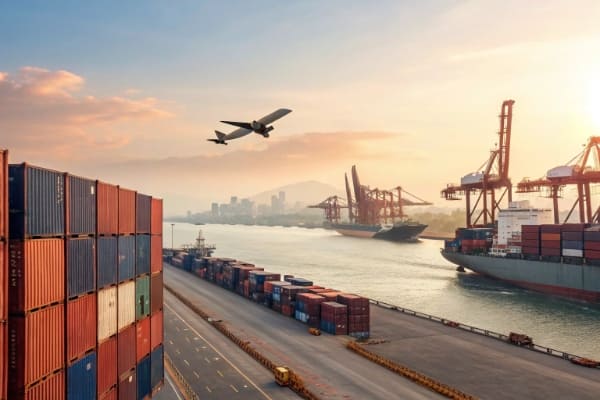
Worried about your shipment from China? Choosing the wrong freight forwarder1 can lead to surprise costs and major delays, turning your profit into a loss. Let's avoid that.
The biggest mistakes include picking the cheapest quote without checking for hidden fees2, letting your supplier manage shipping (CIF3), and not verifying the forwarder's license or reviews. These errors lead to unexpected costs, delays, and a total loss of control over your cargo.
I've seen so many clients come to me after a bad experience with a forwarder. Their stories all have common themes. It's frustrating because these mistakes are easy to avoid once you know what to look for. In this article, I'll break down each mistake one by one. You'll learn how to spot red flags and choose a partner you can trust. Let's get started.
Why do many importers choose the wrong freight forwarder1?
You found a great deal on shipping and booked it fast. But focusing only on the lowest price often means you've overlooked red flags that lead to bigger problems later.
Many importers choose the wrong forwarder by prioritizing the lowest price above all else. They often ignore crucial factors like communication4, hidden fees2, licensing, and reviews. This focus on a single metric, price, exposes them to unreliable service, delays, and surprise charges.
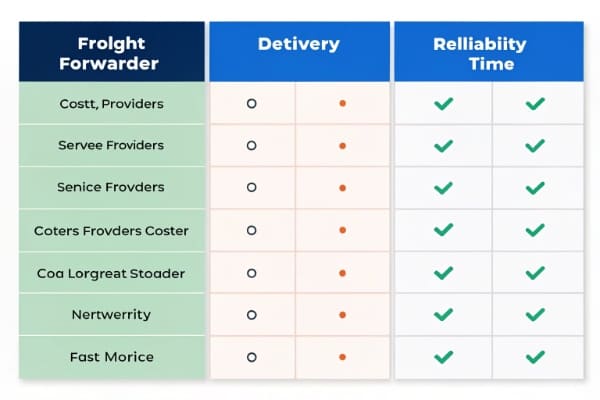
It's a classic trap I see all the time. An importer gets a quote that looks too good to be true, and they jump on it. They feel like they've scored a huge win on shipping costs5. But the reality is that the decision was based on incomplete information. A low price is often a bait-and-switch tactic. The real costs come later when your cargo is already in their hands.
Key Factors Importers Overlook
Many new importers, and even some experienced ones, make decisions based on a single number. They forget that shipping is a service, not just a commodity. Quality and reliability matter immensely.
Here are the most common things people ignore when they are tempted by a low price:
- Track Record: They don't check online reviews or ask for references from past clients. A forwarder with a history of delays or damaged goods is a huge risk, no matter how cheap they are.
- Licensing: They fail to verify if the forwarder is properly licensed (like being FMC-bonded for US shipments). This means you could be working with an unauthorized, unreliable middleman instead of a legitimate company.
- Communication: They don't test the forwarder's responsiveness or clarity. Slow replies now mean huge problems and radio silence when your cargo is in transit and you need answers.
A good decision looks at the total value and reliability a forwarder provides, not just the initial price.
Is it risky to let your supplier handle shipping?
Your supplier offered to manage shipping, making it sound simple and cheap. But this convenience often means you lose control and face surprise fees when the goods arrive.
Yes, it is very risky. When your supplier handles shipping, they often use CIF3 (Cost, Insurance, and Freight) terms. This gives them control, and they may choose a partner who gives them a kickback, leaving you with massive, non-negotiable destination fees upon arrival.
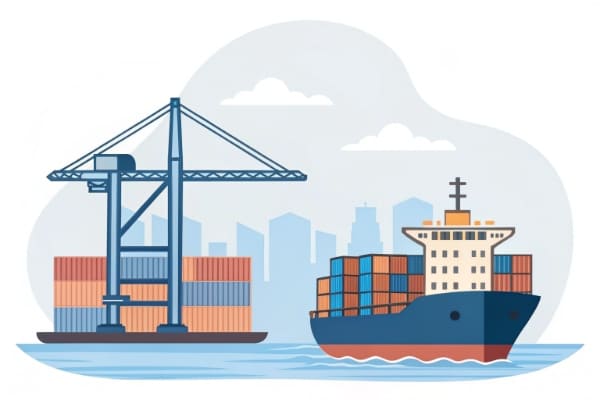
I always advise my clients to be very careful here. When a supplier pushes hard to arrange shipping, it's often a red flag. They'll use the Incoterm CIF3, which sounds great because it includes insurance and freight to your port. The problem is, their responsibility ends there. The forwarder they chose works for them, not for you. Once your shipment arrives, you get a bill from the destination agent for "local charges6" that can be three or four times higher than normal. You have no power to negotiate because they have your cargo. You have to pay to get it released.
FOB7 vs. CIF3: Who Has Control?
Understanding these two Incoterms is critical. It determines who is responsible for the shipment and who pays for what. Making the wrong choice here can cost you a fortune.
| Feature | FOB7 (Free On Board) | CIF3 (Cost, Insurance, Freight) |
|---|---|---|
| Your Control | You choose the freight forwarder1. | Your supplier chooses the forwarder. |
| Cost Transparency | You get a clear, itemized quote from your forwarder. | You face hidden, inflated destination fees. |
| Risk | Lower risk of surprise costs and delays. | High risk of inflated local charges6 and poor service. |
| Best For | The buyer (you). | The seller (your supplier). |
Always insist on FOB7 terms when buying from China. It gives you complete control over your logistics partner and your costs, protecting you from price gouging at your destination port.
Your initial shipping quote looked great. But now, you're facing a final bill that is much higher, filled with confusing charges you never expected or approved.
Watch out for vague lump-sum quotes. Common hidden fees2 include inflated destination terminal handling charges (DTHC), customs exam fees, documentation fees8, and warehouse storage fees. Always demand a detailed, all-inclusive quote that breaks down every single charge from origin to destination.
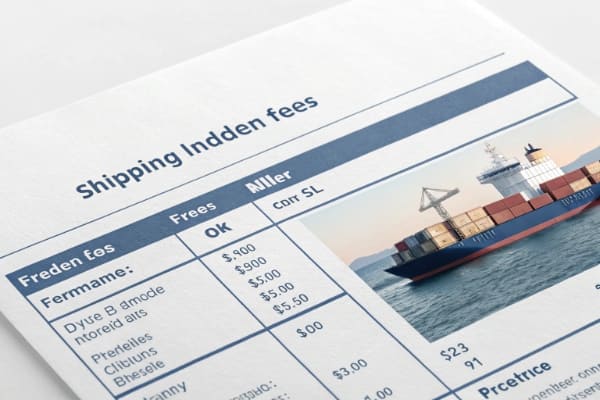
A low initial price is the number one way dishonest forwarders attract business. They give you a "base rate" for ocean or air freight that looks very competitive. But they intentionally leave out all the other necessary charges that are part of any international shipment. I had a client who was quoted $500 for a shipment. The final bill was over $2,000 because of all the "additional" fees. He was stuck. The forwarder had his goods, so he had to pay to get them.
Common Hidden Charges to Question
To protect yourself, never accept a quote that isn't fully itemized. Your quote should be a door-to-door breakdown. Here are some fees that are often inflated or simply made up:
- Destination Terminal Handling Charge (DTHC): This is a standard fee, but it can be massively inflated on CIF3 shipments.
- Customs Exam Fees: While customs exams are legitimate, some forwarders add a large "handling" fee on top of the actual cost.
- Documentation Fee: This should be a small, fixed cost. Be wary of high or percentage-based documentation fees8.
- Warehouse / Demurrage Fees: These can rack up quickly if your forwarder is slow with customs clearance9, and they will pass the cost to you.
- "Admin" or "Processing" Fees: These are often completely made up to pad the invoice.
Always ask your potential forwarder, "Is this quote all-inclusive for door-to-door delivery, including all destination charges10 except duties and taxes?" Get their answer in writing.
Why is comparing multiple forwarders important?
You're busy and just want to book your shipping. Going with the first forwarder you find seems efficient, but this shortcut can lock you into poor service and high prices.
Comparing multiple forwarders is crucial to benchmark costs, service levels, and communication4 styles. It helps you identify what a fair market price is, spot quotes that are too low (a red flag for hidden fees2), and find a partner whose communication4 and expertise fit your needs.
You wouldn't buy a car without test-driving a few models or checking prices at different dealerships. The same logic applies to freight forwarding. This is a critical part of your supply chain11, and you are choosing a long-term partner, not just booking a one-time service. Getting quotes from at least three different forwarders is a non-negotiable step for my business. It's not just about the price. It is about gathering the intelligence you need to make a safe choice.
What You Learn by Comparing
When you get multiple detailed quotes, you can compare more than just the final number. You start to see patterns that reveal the truth about each company.
- Price Benchmarking: You'll quickly see the average market rate for your shipment. If one quote is extremely low, you know to be suspicious of hidden fees2. If one is extremely high, you can rule them out.
- Service Level Comparison: One forwarder might offer a faster transit time for a slightly higher price. Another might have better insurance options. You can compare the total value they offer, not just the base cost.
- Communication Test: The process of getting a quote is your first and best test of their communication4. Are they quick to respond? Do they answer your questions clearly? Are they professional? This is a preview of how they'll act when there's a problem with your shipment down the road.
This comparison process empowers you to make an informed decision based on total value and trust, not just a tempting low price.
How can poor communication4 delay your shipment?
Your shipment is in transit, but your forwarder isn't responding to emails. This radio silence creates stress and can lead to real, costly delays at the port.
Poor communication4 causes delays at every stage. It can lead to incorrect booking information, missed deadlines for customs paperwork, and slow responses to customs inquiries. This lack of clarity and responsiveness can leave your cargo sitting at a port, racking up expensive storage fees.
I had a client whose shipment was stuck in customs for two weeks. Why? The forwarder never told them that customs needed an extra document. The forwarder didn't reply to the customs agent's emails, and they didn't reply to my client's frantic calls. By the time we got involved and solved it, my client had a bill for thousands of dollars in demurrage fees. This was 100% caused by poor communication4 from a cheap forwarder.
Where Communication Breaks Down
A freight forwarder1 is your information hub. If that hub is broken, your entire supply chain11 can grind to a halt. Communication failures are most damaging at these three stages:
- Booking Stage: Incorrect information about your cargo's dimensions, weight, or contents can lead to the wrong equipment being booked or your shipment being rejected at the port. Clear, proactive communication4 prevents this.
- Documentation Stage: Customs clearance requires precise paperwork, like the commercial invoice, packing list, and bill of lading. A communicative forwarder will check your documents in advance and let you know if anything is missing or incorrect. A poor communicator will just submit them and hope for the best, leaving you to deal with the consequences.
- Problem-Solving Stage: Shipments get inspected. Ports get congested. Vessels get delayed. Problems happen in logistics. A good forwarder tells you about the problem immediately and presents a solution. A bad forwarder goes silent, leaving you in the dark.
You are not just paying for transport; you are paying for information and management. Never settle for a partner who is bad at communication4.
What should you do if your freight forwarder1 fails?
Your freight forwarder1 has dropped the ball. Your goods are stuck, costs are piling up, and you feel powerless to fix the situation. What can you do now?
First, document everything in writing. If the shipment is stuck at the destination port, you may need to hire a customs broker or another local agent to take over. For future shipments, immediately terminate the relationship and use the lessons learned to vet a new, reliable partner.

It's a terrible feeling when the partner you trusted lets you down. The key is to move from panic to a clear plan of action. First, stop all communication4 by phone. Put everything in writing. Send a formal email outlining the failure and what you expect them to do. This creates a paper trail. If they are holding your cargo hostage over disputed fees, refer back to your written agreement or itemized quote. This is exactly why having a solid contract from the start is so important.
A 3-Step Emergency Plan
If your forwarder has gone silent or is clearly incompetent, you must take control. Here’s what to do:
- Get Local Help: If your goods are stuck in customs at the destination, the original forwarder has lost control. You need to contact a local customs broker or a reputable forwarder in your own country. They can often intervene on your behalf, clear the goods, and arrange final delivery. It will cost extra, but it's better than losing the shipment entirely.
- Check Your Insurance: If the goods are lost or damaged due to their negligence, immediately file a claim with your cargo insurance12 provider. This is another mistake many importers make—not having proper insurance. Don't rely on the carrier's limited liability, which pays pennies on the dollar.
- Find a New Partner (and Vet Them Properly): Don't make the same mistake twice. For your next shipment, start the search for a new forwarder. Use all the lessons from this article: get multiple quotes, check reviews, verify licenses, and insist on a detailed written agreement.
Conclusion
Choosing the right freight forwarder1 is key. Avoid the lowest price, demand transparency, insist on FOB7 terms, and prioritize clear communication4 to protect your business from costly shipping mistakes.
Understanding the role of a freight forwarder is crucial for successful shipping and avoiding costly mistakes. ↩
Learn about hidden fees to avoid unexpected costs that can inflate your shipping expenses. ↩
Understanding CIF is essential to avoid losing control over your shipment and incurring surprise fees. ↩
Effective communication can prevent delays and ensure smooth logistics throughout the shipping process. ↩
Identifying factors that influence shipping costs can help you make informed decisions and budget effectively. ↩
Understanding local charges can help you anticipate costs and avoid unexpected fees. ↩
FOB terms can protect you from unexpected costs and ensure you have control over your logistics. ↩
Knowing about documentation fees can help you avoid inflated charges and ensure transparency. ↩
Understanding customs clearance is vital to avoid delays and additional costs during shipping. ↩
Understanding destination charges can help you anticipate costs and avoid surprises upon delivery. ↩
Understanding the supply chain role of freight forwarders can enhance your logistics strategy. ↩
Cargo insurance protects your investment and is crucial for mitigating risks in international shipping. ↩