QC inspections are a crucial part of sourcing products from China. But how much do they really cost?
Quality control inspections in China typically range from $199 to $299 per working day1 for third-party companies, particularly when the facility lies within 60 km of the inspector’s office2.

The cost of these inspections can vary significantly depending on several factors. Understanding these factors can help you make informed decisions about your quality control process.
What Factors Affect QC Inspection Costs?
When I think about the costs of quality control inspections, several factors come to mind. Distance is a big one. If the factory or warehouse is further than 60 km from the inspection company's office, costs can increase.
Product complexity also plays a role. More technical or regulated items, such as electronics and medical devices, often require specialized knowledge and equipment.3 This increases charges since not every inspector can handle these products.
Additionally, the location of the inspector matters. Inspectors in major manufacturing regions, like Guangdong, usually charge less than those in cities like Shanghai or Beijing.4 Their overhead costs are different, which reflects in their fees.

How Do Inspection Companies Charge for Their Services?
Inspection companies typically charge on a man-day basis5. This means you pay for the time an inspector spends at your facility. Rates can vary, ranging from $100 to $300 USD per man-day.
For instance, a typical inspection fee for a pre-shipment inspection could average around $199 per day. However, if you have multiple inspections or bulk orders, you might qualify for a discount, which could save you 10–20% off the standard rate6.
Another point to consider is whether you require unannounced inspections. These often come at a premium. They can cost an additional 15–25%7 due to the extra logistical challenges involved.
What Is Included in a Standard Inspection Fee?
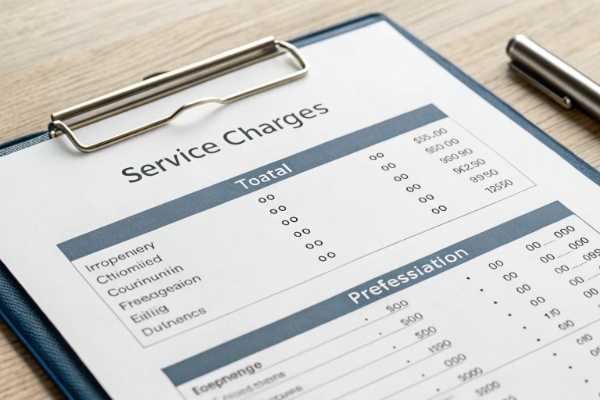
A standard inspection fee usually covers several essential services. This can include checking the product's quality, compliance with safety standards, and verifying that the specifications align with your order8.
It’s important to ensure that the inspection company you choose provides a detailed report after the inspection. This report should outline any issues found and provide recommendations for improvement.
How Much Does a Factory Audit Cost?
Factory audits are more comprehensive than standard inspections.9 They typically cost between $300 and $400 per man-day.
When I first learned this, I was surprised by how much the cost could vary depending on the factors involved. A factory audit not only checks the quality of products but also looks at the overall practices of the factory. This includes their production processes, labor conditions, and even safety measures.

How Much Does a Pre-Shipment Inspection Cost?
Pre-shipment inspections (PSI) are crucial for ensuring that your order meets the required standards before it ships.10 These inspections generally average around $199 per day.
When I first started dealing with suppliers in China, I quickly realized that investing in these inspections could save significant headaches down the line. Catching issues before products leave the factory can prevent costly returns or rework.
Is a Low-Cost Inspection Service Worth It?
While lower-cost inspection services may seem attractive, they often come with risks. These services may cut corners, leading to less thorough inspections.
I learned this the hard way. Choosing a cheap service resulted in overlooked defects, which cost me more in the long run. It’s better to invest in reputable inspection services that ensure quality and reliability.
How Can Importers Reduce Quality Control Costs?
Reducing quality control costs is possible without sacrificing quality. Here are a few strategies that I often recommend:
Bulk Orders: If you can consolidate inspections for multiple factories or products, you might earn discounts.
Choose Local Inspectors: Hiring inspectors based in the manufacturing region can reduce travel costs.
Schedule Inspections: Plan inspections around production schedules to avoid rush fees.
Negotiate: Don't hesitate to negotiate rates with your inspection company based on your needs.
Implementing these strategies can help cut costs while maintaining a strong quality assurance process.

Frequently Asked Questions About Inspection Costs
Many people wonder about specific aspects of QC inspection costs. Here are some common questions I encounter:
What are the typical rates for inspections in China? Rates usually range from $149 to $320 per man-day, depending on various factors.
Are there any hidden fees? It's crucial to ask for a detailed quote to avoid unexpected costs.
How do I choose the right inspection company? Research their reputation, ask for references, and ensure they have experience with your product type.
By asking the right questions, you can make informed decisions about your inspection needs.
Conclusion
Understanding QC inspection costs in China helps importers make better decisions and manage budgets effectively.
"A Comprehensive Guide to Quality Inspection Costs in China", https://aqiservice.com/comprehensive-guide-to-quality-inspection-costs/. A neutral market-rate reference should document that third-party product inspection fees in China are commonly quoted on a per-inspector-day basis and often fall near the stated USD range. Evidence role: statistic; source type: other. Supports: Quality control inspections in China typically range from $199 to $299 per working day for third-party companies.. Scope note: Inspection prices vary by provider, city, product category, travel distance, and order scope, so the source would support a contextual market range rather than a fixed universal price. ↩
"How Much Does a Quality Inspection in China cost?", https://qualityinspection.org/inspection-china-cost/. A service-pricing or inspection-logistics source should show that quoted inspection fees commonly include local travel within a defined radius and add travel charges beyond that area. Evidence role: general_support; source type: other. Supports: Inspection costs are lower or standard when the inspected facility is within 60 km of the inspector’s office.. Scope note: The exact 60 km threshold may be provider-specific; the source may support the general pricing mechanism rather than this exact distance for all firms. ↩
"Quality Management System Regulation (QMSR) - FDA", https://www.fda.gov/medical-devices/postmarket-requirements-devices/quality-management-system-regulation-qmsr. Regulatory and standards sources for electronics and medical devices support that these product categories are subject to technical safety, performance, or quality-system requirements that require specialized inspection knowledge and testing methods. Evidence role: expert_consensus; source type: government. Supports: Technical or regulated products such as electronics and medical devices require specialized knowledge and equipment for inspection.. Scope note: Such sources establish the complexity of regulated product categories, but they do not directly quantify the resulting inspection fee increase. ↩
"[PDF] Still making it: An analysis of manufacturing labour costs in China", https://ciaotest.cc.columbia.edu/wps/eiu/0033726/f_0033726_27502.pdf. Regional labor-cost and manufacturing-concentration data can provide contextual support that inspection-service pricing may differ across Chinese regions because wages, overhead, and local inspector availability vary. Evidence role: general_support; source type: government. Supports: Inspector pricing can vary by Chinese region, with manufacturing hubs potentially having different cost structures from Shanghai or Beijing.. Scope note: Regional economic data would not directly prove inspection companies charge less in Guangdong; it would only support the underlying cost and supply rationale. ↩
"[PDF] Minimum Qualifications - DC Department of Buildings", https://dob.dc.gov/sites/default/files/dc/sites/dob/Third-Party_Program_Procedure_Manual%205.8.2023%20.pdf. Inspection-industry guidance or trade documentation should confirm that third-party inspections are commonly quoted by inspector-day or man-day, meaning a daily fee for one inspector’s onsite work. Evidence role: definition; source type: institution. Supports: Inspection companies commonly charge for onsite inspections on a man-day basis.. Scope note: Billing conventions can differ for laboratory testing, audits, rush orders, and complex multi-inspector projects. ↩
"[PDF] city of el paso, texas", https://www2.elpasotexas.gov/municipal-clerk/agenda/05-28-13/05281316A.pdf. A pricing or procurement source should show that inspection providers may offer volume or repeat-order discounts and should document the approximate discount range if the 10–20% figure is retained. Evidence role: statistic; source type: other. Supports: Multiple inspections or bulk orders may qualify for discounts of about 10–20% off standard inspection rates.. Scope note: Discounts are negotiated commercially and may not be publicly standardized across providers or inspection types. ↩
"14 stores pay fines for price scanning errors | NC Agriculture", https://www.ncagr.gov/news/press-releases/2024/04/16/14-stores-pay-fines-price-scanning-errors. A source on unannounced audit or inspection logistics should document that unannounced visits require additional scheduling, travel, or standby resources and may carry a price premium; a pricing source is needed to substantiate the 15–25% amount. Evidence role: statistic; source type: other. Supports: Unannounced inspections can cost an additional 15–25% because they involve extra logistical challenges.. Scope note: The operational rationale may be well supported, but the exact percentage premium is likely provider-specific. ↩
"Conformity Assessment Basics | NIST", https://www.nist.gov/standardsgov/conformity-assessment-basics. Standards and inspection guidance can support that product inspection commonly includes conformity assessment against specifications, safety or regulatory requirements, and agreed purchase-order criteria. Evidence role: definition; source type: institution. Supports: A standard inspection fee usually covers product quality checks, safety-standard compliance checks, and verification against order specifications.. Scope note: The exact scope of any standard inspection depends on the service contract, inspection checklist, product category, and applicable regulations. ↩
"Safety Audit in Manufacturing: Definition, Process, Types ... - qcadvisor", https://www.qcadvisor.com/blog/safety-audit/. Audit standards and factory-assessment guidance support that factory audits evaluate management systems, production capability, working conditions, and safety controls, whereas product inspections typically focus on sampled goods or shipment conformity. Evidence role: definition; source type: institution. Supports: Factory audits are generally broader in scope than standard product inspections.. Scope note: Some specialized inspections may be broad, and some audits may be limited in scope; the distinction depends on the audit protocol and contract. ↩
"Trade Guide: WTO PSI", https://www.trade.gov/trade-guide-wto-psi. International trade and conformity-assessment sources describe pre-shipment inspection as an inspection performed before export or shipment to verify quantity, quality, price, classification, or conformity with specified requirements. Evidence role: definition; source type: institution. Supports: Pre-shipment inspections are used to verify that goods meet required standards before shipment.. Scope note: Such sources establish the purpose of PSI but do not prove that every shipment requires PSI or that it is always cost-effective. ↩