
You're trying to import from China, but shipping costs feel like a mystery. You worry that hidden fees will ruin your budget. It's frustrating not knowing the real price.
Shipping from China to New Zealand1 can cost $1,125 to $2,350 for a 20ft sea container2. Air freight3 is about $4.20 to $8.10 per kilogram. Prices change based on weight, volume, shipping method4, and the specific terms you agree on with your supplier.
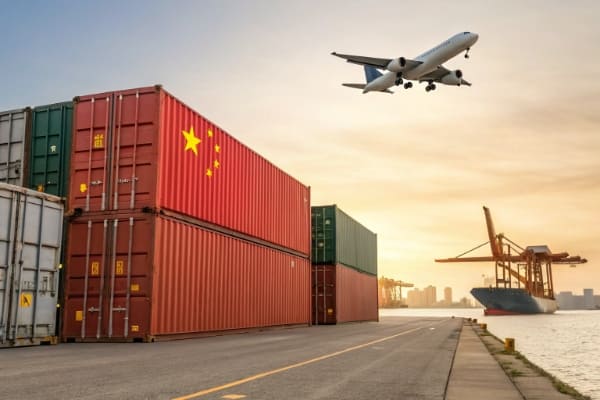
Getting a clear price is essential for your business. I've handled hundreds of shipments to New Zealand, and I know how confusing it can be. Let's break down the costs so you can plan your budget with confidence and avoid any surprises.
What factors affect shipping costs from China to New Zealand?
You received a shipping quote, but the final bill was much higher. Unforeseen factors can inflate costs, making it hard to predict your final expenses and hurting your profit margins.
The main factors are the shipping method4 (sea, air, express), cargo weight and volume5, and the distance between ports like Shanghai and Auckland. Peak season, fuel prices, and the shipping terms (Incoterms) you choose also significantly impact the final cost.
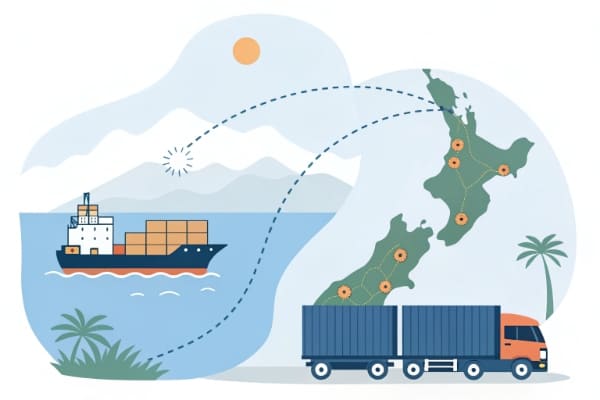
Several key elements determine your final shipping bill. It's not just about weight. The first thing we look at is whether you're using sea or air freight. Then, we consider the cargo's size and weight. Freight companies use a concept called "chargeable weight6," which is whichever is higher: the actual weight or the volumetric weight. Volumetric weight is calculated based on the package's dimensions (Length x Width x Height). Other factors like fuel surcharges7, which change with global oil prices, and the time of year also play a big role. Shipping before major holidays like Christmas can increase rates by 15-30%. Finally, specific fees like New Zealand's biosecurity inspections8, which can cost $100 to $500 for items with wooden packaging, must be included in your budget.
Key Cost Drivers
| Factor | Impact on Cost | Why it Matters |
|---|---|---|
| Shipping Method | High | Air is fast but expensive; sea is slow but cost-effective. |
| Chargeable Weight | High | You pay for the space your goods occupy, not just their weight. |
| Seasonality | Medium | Rates increase during peak season9s (e.g., Aug-Oct). |
| Fuel Surcharges | Medium | Fluctuates with global oil prices, adding a variable cost. |
| Port of Origin/Destination | Low-Medium | Main ports like Shanghai to Auckland are cheaper than smaller routes. |
| Biosecurity | Low-Medium | Mandatory inspections for wood/plant materials add fees. |
How do freight forwarders10 calculate shipping quotes11?
You're comparing quotes from different forwarders, but they all seem different. It's confusing to know which one is the best deal or what's included in the price.
Freight forwarders calculate quotes based on chargeable weight6, which is the greater of actual weight or volumetric weight. They add the base freight rate, fuel surcharges7, terminal handling charges, and fees for customs clearance12 and documentation to create the final price.
When I create a quote for a client, I start with the "chargeable weight6." For air freight, the formula is often Length (cm) x Width (cm) x Height (cm) / 6000. For courier services, it's / 5000. If the result is higher than the actual weight in kilograms, we use that number. For Less-than-Container Load (LCL) sea freight, we charge per cubic meter (CBM). A Full Container Load (FCL) is simpler, with a flat rate for a 20-foot or 40-foot container. On top of this base rate, we add other standard fees. It’s important to remember that a quote is an estimate. I once had a client whose cargo was remeasured at the port, and the volumetric weight was higher than expected. This transparency is key to building trust.
Breaking Down a Freight Quote
| Line Item | Description |
|---|---|
| Ocean/Air Freight | The base cost to transport goods from Port A to Port B. |
| Fuel Surcharge (BAF/FAF) | A variable fee to cover fluctuating fuel prices. |
| Terminal Handling Charge (THC) | Fee for handling the container at the origin and destination ports. |
| Documentation Fee | Cost for preparing the Bill of Lading and other paperwork. |
| Customs Clearance | Fee for processing import/export declarations. |
What is the difference between EXW, FOB, and DDP shipping terms?
You see terms like EXW, FOB, and DDP on supplier invoices. Choosing the wrong one can leave you responsible for unexpected costs and logistics nightmares you weren't prepared for.
EXW (Ex Works) means you handle all shipping from the factory door. FOB (Free On Board) means the supplier pays to get goods to the port. DDP (Delivered Duty Paid) means the supplier handles everything, including import duties13, delivering to your door.
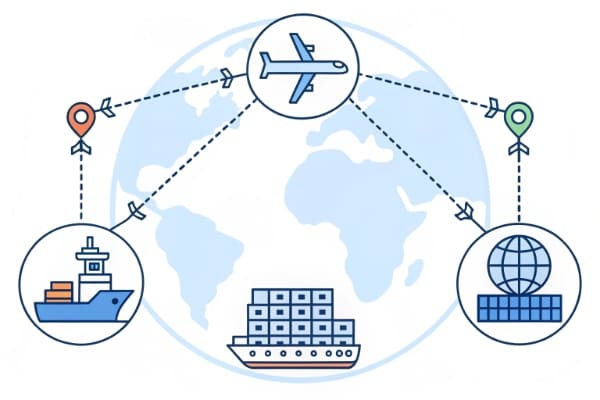
These three-letter codes, called Incoterms, define who is responsible for the shipment at each stage. Choosing the right one is crucial for managing your costs and risks. EXW gives you maximum control, as you manage everything from the moment the goods leave the factory. However, it also means you handle local Chinese logistics, which can be difficult without a local partner. FOB is the most common and balanced option. The supplier is responsible for getting the goods onto the ship at the Chinese port. From there, you take over. DDP is the most hands-off option for you as the buyer. We handle everything—shipping, customs, duties—and deliver the goods directly to your warehouse in New Zealand. I often advise new importers to start with FOB or DDP to avoid early logistical headaches.
Understanding Your Responsibilities
| Responsibility | EXW (Ex Works) | FOB (Free On Board) | DDP (Delivered Duty Paid) |
|---|---|---|---|
| Pickup from Factory | Your Cost | Supplier's Cost | Supplier's Cost |
| Export Customs | Your Cost | Supplier's Cost | Supplier's Cost |
| Main Freight | Your Cost | Your Cost | Supplier's Cost |
| Import Customs & Duties | Your Cost | Your Cost | Supplier's Cost |
| Final Delivery | Your Cost | Your Cost | Supplier's Cost |
What taxes and duties apply in New Zealand (GST, import fees)?
Your goods arrive in New Zealand, but suddenly you're hit with a huge tax bill. Not accounting for duties and GST can destroy your profit margins and cause serious cash flow problems.
New Zealand charges a 15% Goods and Services Tax (GST)14 on the total value of your shipment (CIF value15). On top of that, import duties13 can range from 0% to 10%, depending on the product's HS code and country of origin.

Calculating your final landed cost is critical. The main tax is the 15% GST. This isn't calculated on just the product cost; it's applied to the CIF value15. CIF stands for Cost, Insurance, and Freight. So, you add your product cost, the marine insurance cost, and the shipping freight cost together, and then calculate 15% of that total. On top of GST, some products have an import duty, which can be anywhere from 0% to 10%. The exact rate depends on the product's unique HS Code. New Zealand also has strict biosecurity rules. If your shipment contains wood or plant materials, it will be inspected by the Ministry for Primary Industries (MPI). I've seen clients face delays because their wooden pallets weren't properly treated (ISPM 15 compliant). This inspection adds costs and can hold up your entire shipment if not managed correctly.
Calculating Your Landed Cost
To estimate your tax bill, use this simple formula:
- Calculate CIF Value: Product Cost + Insurance Cost + Freight Cost.
- Calculate Duty: CIF Value x Duty Rate (e.g., 5%).
- Calculate GST: (CIF Value + Duty) x 15%.
- Total Tax: Duty + GST.
How can you reduce your shipping costs effectively?
High shipping costs are eating into your profits. You need practical ways to lower these expenses without sacrificing reliability or speed, but you're not sure where to start.
To reduce costs, plan shipments outside of peak season9 (before October). Consolidate smaller orders into one larger shipment (LCL or FCL). Optimize your packaging to reduce volumetric weight. Also, work with a freight forwarder who can offer competitive rates and DDP solutions.
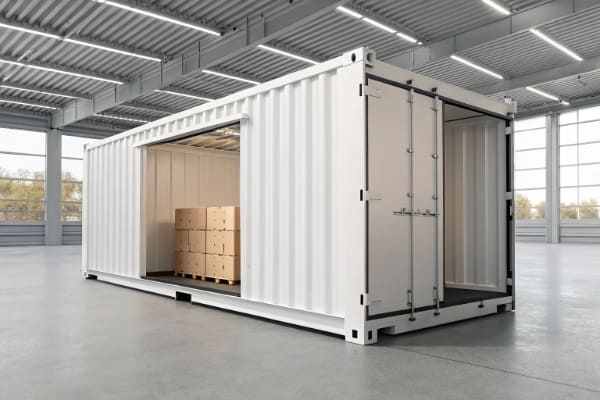
Saving money on shipping often comes down to smart planning. The most effective strategy is to ship during the off-season, which is typically from March to July. Rates climb sharply from August to October as businesses prepare for the holidays. Another great tactic is consolidation. If you're buying from multiple suppliers in China, we can gather all your orders at our warehouse and ship them together in a single container. This is much cheaper than shipping several small packages. Optimizing your packaging also makes a big difference. Reducing empty space lowers the volumetric weight, which can directly cut your freight bill. I always tell my clients, "The cheapest quote isn't always the best." A reliable partner who prevents delays and manages customs smoothly can save you more money in the long run than a rock-bottom price from an unreliable agent.
Smart Strategies for Savings
- Plan Ahead: Ship during the off-season to avoid peak surcharges.
- Consolidate Shipments: Bundle orders from different suppliers into one shipment.
- Optimize Packaging: Use smaller, lighter boxes to reduce chargeable weight6.
- Choose the Right Incoterm: FOB often provides a good balance of cost and control.
- Compare Shipping Modes: If you're not in a rush, sea freight offers huge savings over air freight.
You thought you had a final price, but extra fees keep appearing on your invoice. These hidden charges16 make budgeting impossible and damage trust with your shipping partner.
Yes, hidden charges16 can exist. Common ones include unexpected warehouse storage fees, customs inspection fees, biosecurity charges, and inaccurate terminal handling charges. Always ask for a detailed, all-inclusive quote and clarify what is not included before you commit.
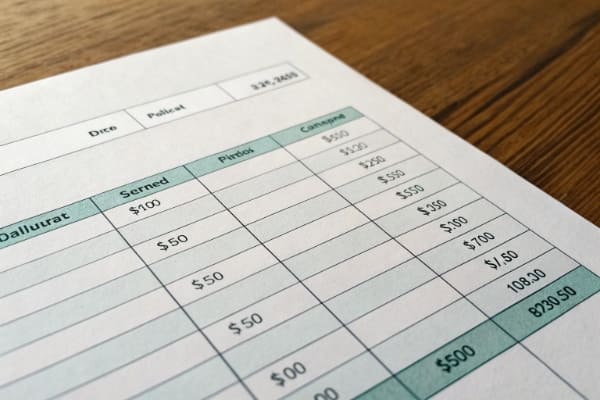
Transparency is everything in logistics. Unfortunately, some forwarders provide a low initial quote to win your business, only to add fees later. The most common "hidden" costs are often related to unforeseen events. For example, if your container is selected for a random customs exam, you are responsible for the inspection fee. Another one is demurrage17, which is a penalty for not returning the shipping container to the port on time. Biosecurity is a big one for New Zealand—if your paperwork is wrong or your goods are not compliant, you'll pay for inspections, treatment, or even destruction. I always provide my clients with a clear breakdown that lists exactly what is included and what is not. For example, I'll state that customs inspection fees are excluded because they are unpredictable, but I'll explain what could trigger them. This honesty builds long-term trust and prevents nasty surprises.
What to Watch Out For
| Potential Hidden Fee | Description |
|---|---|
| Demurrage/Detention | A daily fee for using the container beyond the allotted free time. |
| Customs Exam Fee | Charged if customs authorities select your cargo for physical inspection. |
| Biosecurity Fee | For MPI inspections, fumigation, or other quarantine actions. |
| Amendment Fee | A charge for making changes to documents like the Bill of Lading after submission. |
| Warehouse Storage | Fees for storing goods at a port or warehouse beyond the free period. |
Conclusion
Understanding shipping costs from China to New Zealand is about knowing the variables. With the right planning and a transparent partner, you can manage your budget and import with confidence.
Explore this link to get accurate shipping cost estimates and avoid budget surprises. ↩
Find detailed pricing information for 20ft sea containers to plan your shipping budget. ↩
Learn about air freight rates to make informed shipping decisions based on urgency. ↩
Discover various shipping methods to choose the best option for your needs. ↩
Understand how weight and volume impact your shipping costs for better budgeting. ↩
Get clarity on chargeable weight to avoid unexpected shipping fees. ↩
Explore how fluctuating fuel prices can impact your shipping expenses. ↩
Learn about biosecurity inspections to ensure compliance and avoid delays. ↩
Discover peak shipping seasons to plan your shipments and save on costs. ↩
Get insights into how freight forwarders determine quotes for better comparisons. ↩
Find tips for obtaining accurate shipping quotes to manage your budget effectively. ↩
Explore customs clearance processes to ensure smooth import operations. ↩
Learn about import duties to avoid unexpected tax bills on your shipments. ↩
Find out about GST to accurately calculate your total import costs. ↩
Understand CIF value to calculate your landed costs accurately. ↩
Learn about hidden charges to avoid unexpected costs in your shipping budget. ↩
Understand demurrage fees to prevent additional costs during shipping. ↩