Your supply chain feels more fragile than ever. Shifting global politics and trade rules create constant uncertainty, putting your business at risk. Now is the time to build a more resilient strategy.
Rethinking your China sourcing strategy1 for 2026 is critical due to rising geopolitical risks2, legal uncertainties, and narrowing cost advantages. Companies must now prioritize resilience by diversifying suppliers3, leveraging technology, and focusing on compliance to ensure business continuity and protect their brand from disruption.
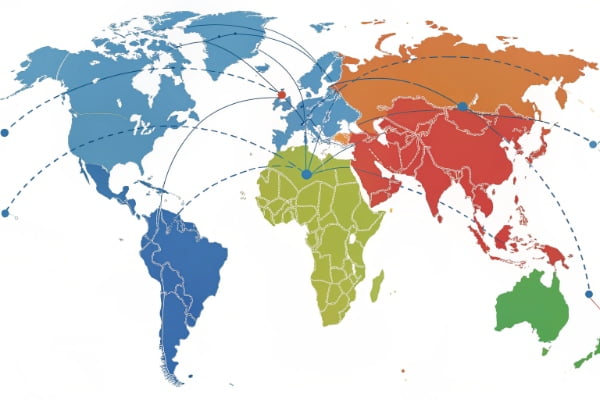
The world is changing, and the old ways of sourcing from China are becoming outdated. For years, my clients and I focused almost entirely on cost. We found great factories and built strong relationships. But the game has changed. Today, I spend more time talking with clients about risk management4 and supply chain resilience5 than I do about unit price. It's a necessary shift. Relying on a single country for all your production is no longer a smart strategy. The world has shown us that unexpected events can and will happen. That’s why we need to start planning for 2026 today, to build a supply chain that is not just efficient, but also strong enough to handle future shocks. It's about being prepared.
How to Adapt Your Sourcing Strategy to Changing Market Conditions in 2026?
Relying on last year's sourcing plan feels risky. The market is moving too fast, and a single disruption could derail your entire operation. Adapting is the only way to stay ahead.
To adapt your sourcing strategy, you must diversify with a "China+1" model, update supplier contracts to include clauses for new risks, and shift your focus from pure cost-cutting to building long-term supply chain resilience5.
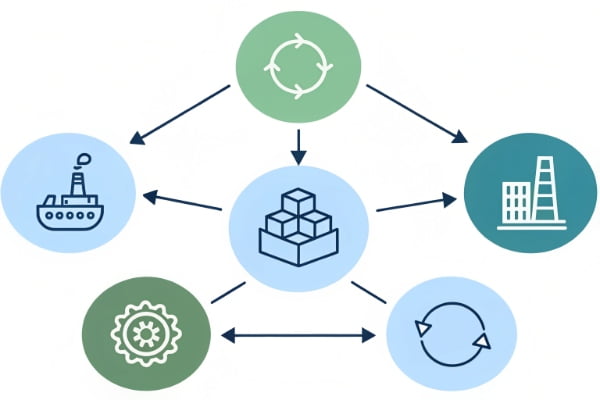
Adapting doesn't mean you have to abandon your existing suppliers. I’ve worked with some of my Chinese partners for over a decade, and those relationships are incredibly valuable. But it does mean we need to be smarter and more flexible. The goal is to build a system that can bend without breaking.
Diversification is Not Abandonment
The most practical approach I've seen is the "China+1" strategy. This doesn't mean leaving China. It means keeping your core, reliable Chinese suppliers while adding a secondary manufacturing base in another country like Vietnam, Mexico, or India. This gives you a backup. I helped a client do this recently. We kept 70% of their production in China with their trusted factory. Then, we found a great partner in Vietnam for the other 30%. When a regional lockdown in China delayed a shipment, we were able to ramp up production in Vietnam to fill the gap. They didn't miss a single customer deadline. It's about creating options.
Update Your Contracts
Your old contracts are likely not prepared for today's risks. We now advise all our clients to update their agreements.
| Old Contract Focus | New Contract Focus for 2026 |
|---|---|
| Price, Quantity, and Delivery Date | Price, Quantity, and Delivery Date |
| Basic Quality Standards | Clauses for Tariffs & Sanctions |
| Intellectual Property Protection | Rules for Export Control Delays |
| Simple Payment Terms | Contingency and Force Majeure Plans |
These new terms aren't about mistrust. They are about creating a clear plan for what to do when things go wrong. It protects both you and the supplier because everyone knows the rules ahead of time.
Why Sustainability and Compliance Should Be a Top Priority for Sourcing Agents in 2026?
It's easy to push sustainability and compliance to the bottom of your list. But your customers, and even governments, are paying close attention. Ignoring them can seriously damage your brand's reputation.
Making sustainability and compliance a priority is no longer optional. It is essential for meeting customer demands for transparency, avoiding regulatory penalties, and building a trustworthy brand that can thrive in the modern market.

A few years ago, a client called me in a panic. A popular blogger had accused one of their products of being made in a factory with poor labor conditions. The claim wasn't even true, but they had no documentation to prove it. We spent weeks gathering audit reports6 and supplier declarations to clear their name. That experience taught me a valuable lesson: being compliant isn't enough. You have to be able to prove it.
The Rise of the Conscious Consumer
Your customers want to know the story behind your products. They care about the environment, fair labor, and ethical sourcing7. This is what we call ESG (Environmental, Social, and Governance) criteria. It's a huge part of brand identity now. I work with a promotional products company that won a massive contract with a Fortune 500 firm. Why? Because we were able to provide a complete report on the recycled materials used in their tote bags and a third-party audit of the factory. Their competitor, who was slightly cheaper, couldn't provide that information. Being transparent about your supply chain is now a major competitive advantage8.
Navigating the Regulatory Maze
Compliance is also getting more complex. It's not just about product safety anymore. Governments are introducing new rules around data security, forced labor, and environmental impact. A non-compliant supplier is a huge liability. If your partner factory gets shut down for violating an environmental rule, your production stops. That's why we perform regular audits and stay on top of changing regulations. It ensures your supply chain is not only ethical but also stable and reliable.
How Can Technology Help You Optimize Your Sourcing Strategy in 2026?
Are you still managing your global supply chain with messy spreadsheets and endless email chains? This old method is slow, confusing, and leads to expensive mistakes. Technology offers a much better way.
Technology optimizes your sourcing strategy by providing a single source of truth. It offers real-time data on production, shipments, and supplier performance9, making it easier to manage a complex, multi-country network with confidence.
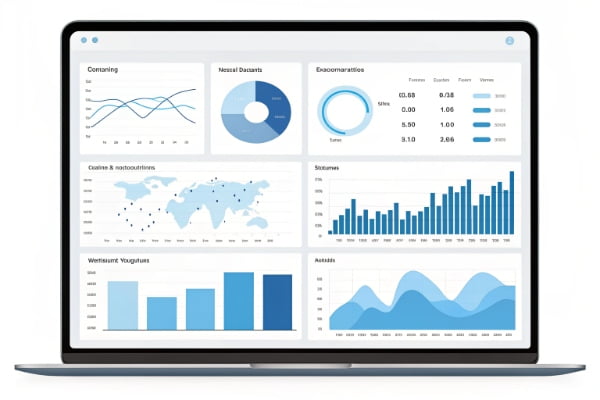
I remember the days of waiting for a grainy photo from a supplier to confirm a production milestone. Or trying to figure out where a shipment was by piecing together emails. It was stressful and inefficient. Today, technology gives us clarity. For my team at Toncentlink, our digital platform is the brain of our operation.
From Spreadsheets to Supply Chain Platforms
The biggest change is moving away from manual tracking. Instead of a spreadsheet, we use a digital platform where every order has its own dashboard. We can see pre-production sample photos, in-line inspection reports, and final quality checks all in one place. My clients can log in and see the exact status of their order at any time. This transparency builds trust and eliminates the constant back-and-forth emails. It turns a chaotic process into a structured, visible workflow.
Data for Better Decisions
When you start diversifying your sourcing, data becomes even more important. Technology allows you to compare suppliers across different countries effectively.
| Manual Process (High Risk) | Tech-Enabled Process (Low Risk) |
|---|---|
| Guessing lead times based on emails. | Tracking real-time production milestones. |
| Relying on old price lists. | Comparing live quotes from multiple suppliers. |
| Discovering quality issues upon delivery. | Reviewing digital inspection reports instantly. |
| Managing suppliers in separate files. | Viewing all supplier data on one platform. |
With good data, you can spot potential delays before they become problems. You can see which supplier consistently meets quality standards and which one is struggling. This allows you to make smart, proactive decisions instead of just reacting to crises.
What Are the Emerging Risks in China Sourcing, and How to Mitigate Them?
You know about the common sourcing risks like quality and delays. But new, bigger risks are emerging, like sudden policy changes and geopolitical friction. These can stop your business overnight if you're unprepared.
Emerging risks in 2026 include geopolitical tensions leading to export controls, sudden regulatory shifts, and increased cyber threats. Mitigation requires diversification, flexible contracts, and proactive scenario planning10 to ensure your supply chain can withstand shocks.

Last year, I had a client with a large order of custom electronics. Two weeks before the shipping date, the government announced a new export control on a tiny component inside the product. The shipment was frozen. We had to work around the clock with the factory to find an alternative, approved component. It caused a six-week delay that almost cost my client a major retail contract. This event was a wake-up call. The risks are no longer just about the factory; they are about national and international policies.
Geopolitical and Regulatory Hurdles
The biggest risk today is uncertainty. A trade dispute or a new sanction can appear with little warning. This is why having all your eggs in one basket is so dangerous. Long-term reliance on a single country, even one as powerful as China, is no longer a sound risk management4 strategy. Boards and executives are recognizing this. They are asking their teams to build more resilient supply chains. The conversation has shifted from "How can we save another 5%?" to "How do we make sure we can still deliver products in a crisis?".
Building a Resilient Supply Chain
Mitigation is all about being prepared. The "China+1" strategy is step one. Step two is scenario planning10. We sit down with clients and ask tough questions. What happens if a major port shuts down for a month? What is our backup plan if a key supplier is affected by new tariffs? We map out alternative shipping routes, identify backup factories, and even pre-qualify suppliers in different regions. This turns panic into a planned response. It's about building a supply chain that is designed to survive, not just to be cheap.
How to Leverage Local Knowledge for Better Sourcing Decisions in 2026?
Trying to manage sourcing from thousands of miles away is like navigating in the dark. You can't see the real factory conditions or understand the local business culture. This creates misunderstandings and mistakes.
A local partner on the ground acts as your eyes, ears, and voice. They help you vet suppliers, manage relationships, navigate cultural nuances, and solve problems in real-time, turning local complexities into your competitive advantage8.

I’ll never forget one of my first trips to a factory in China. I was with a client who was trying to negotiate a price reduction. He was being very direct and aggressive, which is common in Western business. But the factory owner became very quiet and distant. The deal almost fell apart. I later explained to my client that in the local culture, building a relationship and showing respect comes first. The next day, we started the meeting by sharing tea and talking about family. After that, the price negotiation was smooth and easy. That's the kind of nuance you can't get from an email.
Beyond Google Translate
Understanding the language is one thing, but understanding the business culture is everything. It affects negotiations, timelines, and how problems are solved. A local partner understands these unwritten rules. They know when to push and when to be patient. They can tell if a supplier's promise is genuine or just a way to end a difficult conversation. This deep cultural knowledge prevents small misunderstandings from becoming big problems. It’s the difference between a frustrating, transactional relationship and a smooth, long-term partnership.
Your "Boots on the Ground"
A local team is your insurance policy. When a client is considering a new factory, my team can be there in person within a day. We can audit their equipment, check their certifications, and talk to their workers. We are there during production for in-line quality inspections, catching small issues before they become major defects. If there's a problem, we don't have to wait for an email. We can go directly to the factory and solve it face-to-face. This on-the-ground presence is the most effective way to mitigate risk and ensure you get exactly what you paid for.
Conclusion
In 2026, a successful China sourcing strategy1 requires more than just finding the lowest price. It demands resilience, diversification, and on-the-ground expertise to navigate a complex and uncertain global market.
Explore effective strategies to enhance your sourcing approach and mitigate risks in a changing global landscape. ↩
Understanding geopolitical risks is crucial for businesses to adapt and thrive in uncertain environments. ↩
Discover the benefits of diversifying suppliers to enhance flexibility and reduce dependency on single sources. ↩
Discover strategies to effectively manage risks in your supply chain and ensure operational stability. ↩
Learn how to build a resilient supply chain that can withstand disruptions and ensure business continuity. ↩
Explore the significance of audit reports in ensuring compliance and maintaining quality standards. ↩
Explore the principles of ethical sourcing to build a responsible and trustworthy supply chain. ↩
Learn how transparency in your sourcing practices can differentiate your brand in the market. ↩
Learn methods to assess supplier performance and make informed sourcing decisions. ↩
Discover how scenario planning can help businesses prepare for potential disruptions in sourcing. ↩