
Struggling with the stress of shipping from China? The fear of delays, hidden costs1, and lost cargo is real. Finding a partner you can trust is the key to success.
A reliable freight forwarder from China to Australia2 combines proven route experience, transparent pricing3, deep expertise in Australian customs4, and responsive communication. They act as your trusted partner, ensuring your goods arrive safely, on time, and without surprise costs.
Shipping goods across the globe can feel like a huge gamble, especially on a route as complex as China to Australia. I've seen so many businesses get burned by unreliable partner5s. But I've also seen how the right forwarder can transform your supply chain from a source of stress into a competitive advantage. It all comes down to knowing what to look for. Let's break down the essential qualities that separate the best from the rest, so you can make your next shipment with complete confidence.
What defines a reliable China to Australia freight forwarder?
Worried your shipment will disappear into a black hole? Choosing the wrong forwarder feels like a gamble. A truly reliable partner5 gives you control and peace of mind.
A reliable China to Australia freight forwarder is defined by their proven experience on this specific route, transparent pricing3, deep knowledge of Australian customs4, excellent communication, and proper licensing. They act as a true partner, ensuring your cargo arrives safely and on time.
When I talk about reliability, I'm not just talking about getting a container from point A to point B. It's about the entire experience. A truly reliable forwarder is an extension of your own team. They have a deep understanding of the specific challenges on the China-Australia lane, from navigating port congestion in Shanghai to meeting Australia's strict biosecurity rules.
Here are the core pillars of reliability:
- Proven Track Record: They should have a high on-time delivery rate6 (ideally above 95%) specifically for Australia. Ask for case studies or references.
- Legitimacy and Insurance: Look for official licenses and accreditations like FIATA. They must offer comprehensive cargo insurance7 that covers at least 110% of your goods' value. This isn't a "nice-to-have"; it's essential protection.
- Local Presence: A great forwarder often has a strong local presence8 or partnership in Australia, sometimes with an Australian Business Number (ABN). This is crucial for resolving any on-the-ground issues quickly.
A reliable forwarder invests in the relationship, not just the transaction.
| Feature | Reliable Forwarder | Unreliable Forwarder |
|---|---|---|
| Experience | Specializes in the China-Australia route. | Generalist with little specific knowledge. |
| Insurance | Offers 110% cargo value insurance. | Offers minimal or no insurance. |
| Licensing | Fully licensed and accredited (e.g., FIATA). | Unlicensed or cannot provide proof. |
| Communication | Proactive updates and a dedicated contact. | Slow responses, hard to reach. |
How important is experience in Australia customs and clearance?
Australian customs4 are notoriously strict. One small mistake on your paperwork can lead to massive delays, fines, and headaches. You need a forwarder who knows the system inside and out.
Experience in Australian customs4 and clearance is absolutely critical. It prevents costly delays, fines, and even seizure of goods. An expert forwarder understands Australia's unique biosecurity laws9 (BICON), tariff classifications10, and documentation, ensuring a smooth import process.
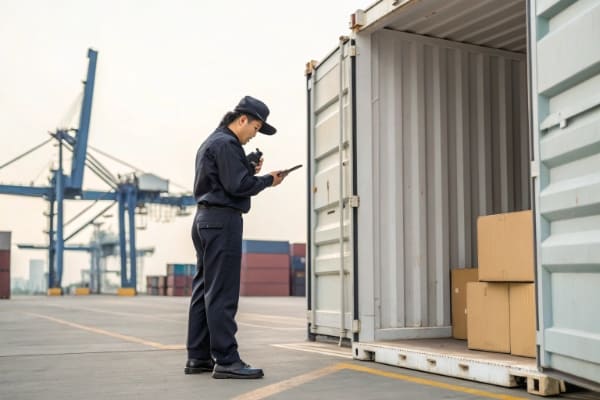
I remember a client who came to us in a panic. Their shipment of wooden furniture was stuck at the Port of Melbourne for weeks. Their previous forwarder failed to provide the correct fumigation certificate required by the Department of Agriculture, Water and the Environment (DAWE). The daily storage fees were piling up, and their retail customer was threatening to cancel the order.
This is a classic example of what happens without customs expertise. Australia's biosecurity system, managed through BICON (Biosecurity Import Conditions system), is one of the toughest in the world. An experienced forwarder knows this. They ensure:
- Correct Documentation: They check that all paperwork, like the commercial invoice, packing list, and bill of lading, is perfect before the ship even leaves China.
- Biosecurity Compliance: They manage requirements for goods containing wood, straw, or other organic materials, arranging for necessary treatments like fumigation or heat treatment and providing the right certificates.
- Accurate Tariff Classification: They use the correct HS codes to ensure you pay the right amount of duty and GST, avoiding audits and penalties from the Australian Border Force (ABF).
This expertise isn't a bonus—it's the foundation of a stress-free delivery.
Why does communication quality11 matter in international shipping?
Have you ever felt completely in the dark about your shipment's status? Poor communication creates anxiety and makes it impossible to plan. You deserve clarity and quick, honest answers.
High-quality communication is vital because it provides visibility and control over your shipment. A responsive forwarder who offers proactive updates12 and clear answers allows you to manage inventory, inform customers, and solve potential problems before they escalate. It builds trust.

In this business, silence is not golden; it's terrifying. When you have thousands of dollars of inventory on the water, you need to know what's happening. A good forwarder understands this. They don't wait for you to chase them for an update. They are proactive.
I always tell my team to act as our clients' eyes and ears. This means:
- A Dedicated Contact: You shouldn't be passed around a call center. You need one person who knows your business and your shipment, speaks fluent English, and is available during your business hours.
- Proactive Updates: You should be notified automatically at key milestones: cargo collected, vessel departed, vessel arrival, customs cleared, and out for final delivery.
- Honesty About Delays: Problems happen. A container might get held for a random inspection, or a vessel might be delayed by bad weather. A great forwarder tells you immediately, explains why, and presents a plan to minimize the impact.
Clear, consistent, and honest communication turns a black box process into a managed one. It lets you plan your business with confidence instead of just hoping for the best.
How do transparent pricing3 systems build trust?
Have you ever received a cheap quote, only to be hammered with surprise fees later? Hidden costs can destroy your profit margins. You need a price you can actually bank on.
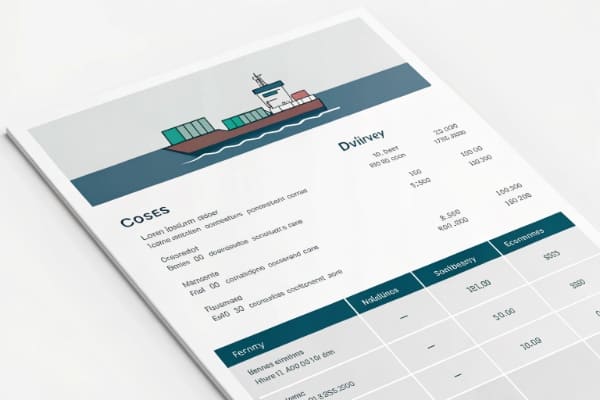
Transparent pricing systems build trust by eliminating surprises. An all-inclusive quote that clearly breaks down all costs shows honesty. This allows you to budget accurately and proves the forwarder values a long-term partnership over a quick, one-time profit.
The "bait and switch" is one of the oldest tricks in the book. A forwarder gives you a rock-bottom price to win your business, knowing they will add on extra charges later. I've seen clients get hit with unexpected fees for fuel, port handling, documentation, and customs clearance13 that doubled their initial quote.
A trustworthy partner operates differently. Their quotes are comprehensive and clear. When we provide a DDP (Delivered Duty Paid) quote, for example, it includes everything:
- Ocean or Air Freight: The core transportation cost.
- Export and Import Charges: All fees at the ports in both China and Australia.
- Customs Clearance: The service fee for handling all paperwork.
- Duties and GST: The calculated taxes based on your cargo's value.
- Final Delivery: Trucking from the Australian port to your warehouse or door.
A detailed quote shows the forwarder has done their homework. It demonstrates they understand your cargo and the entire process. It’s a sign of professionalism and respect for your budget. This transparency is the cornerstone of a trusting, long-term business relationship.
What tracking capabilities14 should a good freight forwarder provide?
Wondering where exactly your container is right now? Not knowing your shipment's location is stressful. You need real-time visibility to stay in control of your supply chain.
A good freight forwarder should provide real-time, end-to-end tracking capabilities14. This means a digital platform where you can see key milestones, from factory pickup in China to final delivery in Australia. This visibility is essential for planning.
In today's world, there's no excuse for a lack of visibility. Your customers can track a $20 pizza to their door, so you should absolutely be able to track your $50,000 shipment of goods. A modern, reliable forwarder invests in technology to make this possible.
A robust tracking system isn't just a map with a dot on it. It should provide detailed, milestone-based updates, all in one place. You should be able to log in and see:
- Cargo Received: Confirmation that your goods have been picked up from the factory in China.
- Onboard Vessel: The date your container was loaded onto the ship.
- Departure and ETA: The vessel's departure date and its Estimated Time of Arrival (ETA) in Australia.
- Arrival at Port: Confirmation that the ship has docked.
- Customs Status: Updates on whether the shipment has been cleared or is undergoing inspection.
- Final Delivery: Tracking for the local truck that is bringing the goods to your door.
This level of detail empowers you. You can confidently tell your customers when to expect stock, manage your warehouse staff, and plan your cash flow effectively. It transforms shipping from a guessing game into a predictable science.
Can low-cost freight forwarders still be trustworthy?
Tempted by an unbelievably low shipping quote? It often feels too good to be true because it usually is. Choosing the cheapest option can end up costing you much more.
While some low-cost forwarders can be trustworthy for simple shipments, it's a significant risk. The lowest price often comes with hidden fees, poor communication, no insurance, and a higher chance of delays. A trustworthy forwarder balances competitive pricing15 with reliable service.

I always advise clients to look at the total cost and value, not just the initial price tag. A super-low quote is often a red flag. To offer that price, corners are being cut somewhere.
Where do the "savings" come from?
- No Insurance: They may not include cargo insurance7, leaving you completely exposed if the container is lost or damaged. The cost to replace your goods will dwarf any initial savings.
- Slow, Unreliable Carriers: They might use shipping lines with older vessels and indirect routes, leading to much longer transit times and a higher risk of delays.
- Hidden Fees: As we discussed, the low initial price is often a setup for a much higher final bill.
- Poor Service: They likely have an understaffed team, meaning you'll get slow responses and no proactive support when problems arise.
Instead of hunting for the absolute cheapest, look for the best value. A good forwarder offers competitive pricing15 because they have strong relationships with carriers and efficient operations. But they never sacrifice service, reliability, or your peace of mind to win a bid. The right partner saves you money in the long run by preventing costly mistakes.
Conclusion
Choosing a reliable freight forwarder is about finding a partner. Look for proven experience, customs expertise, transparent pricing3, and great communication to ensure your supply chain is a true asset.
Identify hidden costs to avoid unexpected expenses and ensure accurate budgeting. ↩
Explore this link to find top-rated freight forwarders that ensure safe and timely deliveries. ↩
Understanding transparent pricing can help you avoid hidden fees and budget accurately for your shipments. ↩
Learn about Australian customs regulations to ensure smooth clearance and avoid costly delays. ↩
Discover the essential qualities to look for in a freight forwarding partner for successful shipping. ↩
Find out the industry standards for on-time delivery rates to gauge a forwarder's reliability. ↩
Discover the significance of cargo insurance to protect your goods during transit. ↩
Explore the benefits of having a local presence for resolving issues quickly and efficiently. ↩
Familiarize yourself with biosecurity laws to ensure compliance and prevent shipment issues. ↩
Understanding tariff classifications can help you avoid penalties and ensure compliance. ↩
Learn how effective communication can enhance your shipping experience and build trust. ↩
Discover how proactive updates can enhance communication and reduce anxiety during shipping. ↩
Understanding the customs clearance process can help you navigate imports smoothly. ↩
Learn about essential tracking features to ensure visibility and control over your shipments. ↩
Explore strategies to find competitive pricing without sacrificing service quality. ↩