
Struggling with high shipping costs1 and slow delivery from China? Finding the right balance between speed and price is tough. You need a better way to ship your goods.
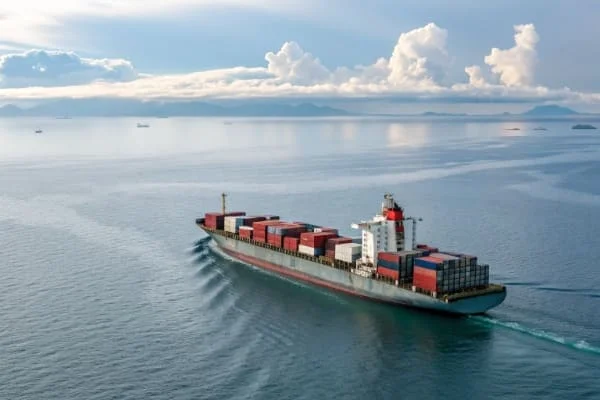
The cheapest freight is sea LCL2, costing $50-$100 per cubic meter. The fastest is express air3, delivering in 2-5 days. For most businesses, standard air freight4 offers the best balance for urgent cargo, while sea freight5 is ideal for non-urgent, bulk orders.
Getting your products from China to Canada involves many choices. You have to think about cost, speed, and the type of goods you are shipping. As someone who handles this every day for clients, I know how confusing it can be. This guide will break down everything for you in simple terms. We will look at the different methods, costs, and paperwork so you can make the best decision for your business. Let's make your shipping process smooth and predictable.
What Shipping Methods Are Available from China to Canada?
Are you confused by all the shipping options from China? Choosing the wrong one can cost you time and money. Let's make it simple for you.
You can choose from sea freight5 (FCL and LCL), air freight (standard and express), and courier services. Sea freight is for bulk goods, air freight is for speed, and couriers are for small, urgent parcels. Each method fits different needs and budgets.
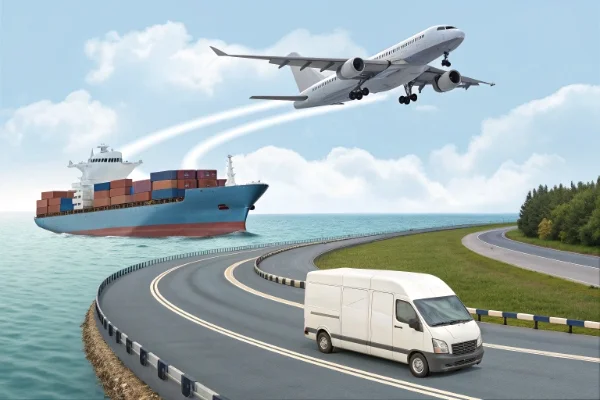
When we help clients ship products from our factories in China to Canada, we always start by explaining the main shipping methods6. It is important to understand the basics so you can choose wisely. Each option has its own benefits.
The Main Shipping Options
Here’s a simple breakdown of the methods you can use:
-
Sea Freight: This is the most common and cost-effective method for large shipments.
- Full Container Load (FCL)7: You rent an entire container (20ft or 40ft). This is best if you have enough goods to fill one. It is secure and often faster than LCL because the container goes directly from you to the destination port.
- Less than Container Load (LCL)8: You share container space with other shippers. This is perfect for smaller shipments that don’t need a full container. It's cheaper for low volumes, but can take a bit longer due to the consolidation process at both ends.
-
Air Freight: This is the fastest option for getting your goods to Canada.
- Standard Air Freight: This is for larger commercial shipments, usually over 100 kg. It is much faster than sea freight5 but also more expensive. We use this for clients with urgent deadlines, like for a product launch or a big event.
- Express Air Freight: This is the door-to-door service offered by couriers like DHL, FedEx, or UPS. It is the absolute fastest way, perfect for samples, documents, or small, high-value products.
How Much Does Freight from China to Canada Cost?
Worried about hidden shipping fees9 from China to Canada? Unpredictable costs can ruin your budget. You need clear pricing information to plan your imports effectively.
Sea freight LCL costs $50-$100 per cubic meter, while a 20ft FCL container is around $3,000-$4,140. Standard air freight is about $5.50-$6.80 per kg. Express shipping for small parcels starts at $100. These rates change based on season and demand.
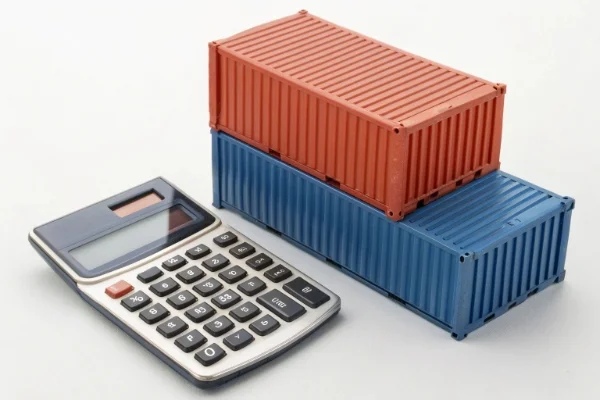
Understanding shipping costs1 is crucial for your business. The price is not just about weight; it depends on the shipping method, volume, time of year, and your specific route. I once had a client who was shocked by a final bill because they didn't account for port fees and fuel surcharges. That’s why we always provide a transparent, all-inclusive quote.
Here is a general idea of what you can expect to pay. Remember, these are just estimates and can change.
| Shipping Method | Typical Volume/Weight | Estimated Cost Range | Best For |
|---|---|---|---|
| Express Air Freight | 1-20 kg | $100 - $500+ | Samples, documents, very small orders |
| Standard Air Freight | 100-1000 kg | $5.50 - $6.80 per kg | Urgent, high-value, or medium-sized goods |
| Sea Freight (LCL) | 1-15 CBM | $50 - $100 per CBM | Small to medium shipments, not time-sensitive |
| Sea Freight (FCL) | 20ft Container | $3,000 - $4,140 | Large, bulk shipments |
Other factors also affect the final price. Fuel costs, peak season surcharges10 (like before Christmas or Chinese New Year), and port handling fees can add to your total. It is always best to work with a freight partner11 who can give you a detailed breakdown of all expected costs upfront.
How Long Does Freight from China to Canada Take?
Are shipping delays12 from China hurting your business? Waiting for your products can be frustrating and costly. You need reliable transit times to manage your inventory.
Sea freight takes 20-40 days, with Vancouver being the fastest port (around 20-25 days). Standard air freight takes 3-5 days, and express shipping delivers in just 2-5 days door-to-door. These times do not include customs clearance13.
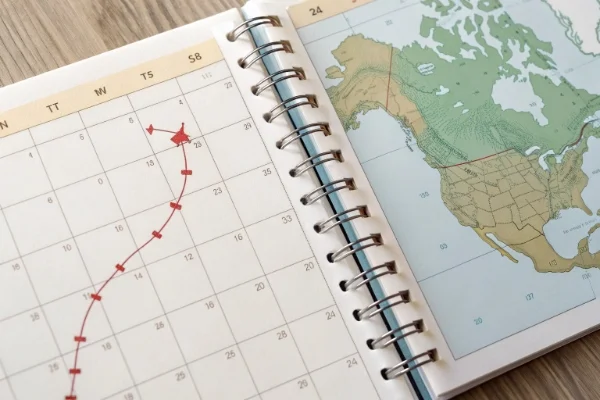
The total delivery time is more than just the time on the water or in the air. It includes the entire journey from the factory in China to your door in Canada. This process has several steps: moving goods from the factory to the port, waiting for customs clearance13 in China, the main transit, customs clearance13 in Canada, and final delivery to your warehouse.
Here's a breakdown of the typical timelines you can expect for each stage and method:
Sea Freight Transit Times
- Port-to-Port:
- To West Coast (Vancouver): 20-25 days
- To East Coast (Toronto, Montreal): 30-40 days
- Total Door-to-Door Time: You should add about 1-2 weeks to the port-to-port time. This covers ground transport at both ends and customs clearance13. So, a shipment to Vancouver might take 4-6 weeks in total.
Air Freight Transit Times
- Port-to-Port (Airport-to-Airport):
- Standard Air Freight: 3-5 days
- Total Door-to-Door Time:
- Express Air Freight: 2-5 days (This is an all-in-one service)
- Standard Air Freight: 7-10 days (Includes ground transport and customs)
Customs clearance can be a major variable. If your paperwork is perfect, it might only take 1-2 days. But if there are any issues, like a wrong HS code, it can add a week or more to your delivery time. We always double-check all documents for our clients to prevent these kinds of delays.
Sea Freight vs Air Freight: Which Should You Choose?
Can't decide between sea and air freight for your shipment? Making the wrong choice can waste money or cause delays. Let's help you pick the right one.
Choose sea freight5 for large, heavy, or non-urgent shipments to save money. Choose air freight for small, high-value, or time-sensitive goods when speed is more important than cost. It's a simple trade-off between cost and delivery time.

The decision between sea and air freight comes down to four key factors: cost, speed, size, and urgency. I always ask my clients, "What is more important for this specific order: saving money or saving time?" Their answer usually points us in the right direction. For example, we had a client with a large order of custom tote bags for a conference. The event was three months away, so we used sea freight5 to maximize their profit margin. A few weeks later, they needed a small, last-minute batch of branded pens for the same event. For that, we had to use air freight.
Let's compare them side-by-side to make it clearer.
| Factor | Sea Freight | Air Freight |
|---|---|---|
| Cost | Much lower, especially for heavy or bulky goods. | Much higher, priced by weight. |
| Speed | Slow. Transit takes weeks (20-40 days). | Fast. Transit takes days (3-5 days). |
| Capacity | Very high. Can handle extremely large and heavy items. | Limited. Restricted by aircraft size and weight capacity. |
| Reliability | Less reliable. Subject to weather and port congestion. | More reliable. Flights have stricter schedules. |
| Best For | Bulk goods, heavy machinery, non-urgent stock. | High-value electronics, samples, urgent orders. |
Ultimately, your choice depends on your business needs. If you can plan your inventory well in advance, sea freight5 is almost always the better financial choice. But if you operate in a fast-moving market or have an unexpected demand, the speed of air freight is worth the extra cost.
What Is the Cheapest Way to Ship from China to Canada?
Trying to cut your shipping costs1 from China? High freight charges eat into your profits. You need a strategy to find the cheapest shipping solution.
The absolute cheapest way is sea freight5 LCL (Less than Container Load) for smaller shipments under 15 cubic meters. Consolidating orders and shipping during the off-peak season will also significantly reduce your overall costs.
Every business wants to reduce costs, and shipping is a big one. Finding the cheapest way to ship is about more than just picking the slowest boat. It requires smart planning and strategy. Based on my experience helping hundreds of Canadian businesses, the most effective way to save money is to use sea freight5 and optimize how you use it.
Here are a few proven strategies to get the lowest shipping rates:
- Use LCL for Smaller Shipments: If your shipment is less than about 15 cubic meters, LCL is your best friend. Instead of paying for a whole container you don't need, you only pay for the space you use. It's the most economical option for growing businesses.
- Consolidate Your Orders: If you are buying from multiple suppliers in China, don't ship each order separately. We can consolidate all your orders at our warehouse and ship them together in one LCL or FCL shipment. This dramatically cuts down on per-unit shipping costs1.
- Ship to a West Coast Port: Shipping to Vancouver is cheaper and faster than shipping to Toronto or Montreal because the distance is shorter. Even with the cost of trucking goods across Canada, it can sometimes be the cheaper overall option.
- Avoid Peak Season: Shipping prices skyrocket before major holidays like Chinese New Year (Jan/Feb) and the Golden Week (Oct), and also before Christmas. Plan your orders to ship during off-peak times to avoid these high surcharges.
By using these tactics, you can make sea freight5 incredibly affordable and keep your profit margins healthy.
What Documents, Duties, and Taxes Are Required in Canada?
Afraid of your shipment getting stuck in Canadian customs? Missing paperwork can cause long delays and extra fees. You need to know the requirements to ensure a smooth process.
You'll need a Commercial Invoice, Packing List, and Bill of Lading (or Air Waybill). You must also pay Goods and Services Tax (GST)14 and potentially customs duties15, which depend on the product's HS code and origin.
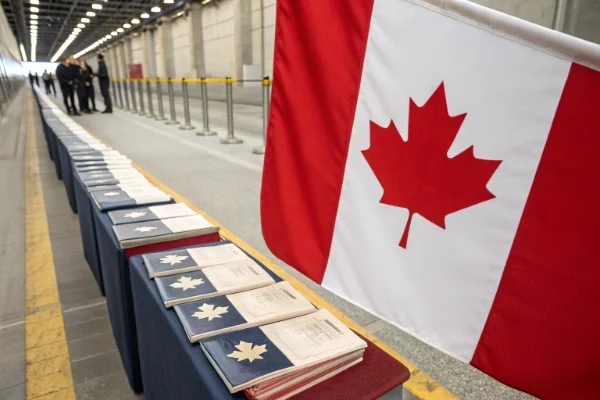
Navigating customs is often the most stressful part of importing for new business owners. The rules can seem complex, but they are manageable if you are prepared. The key is to have all your documents accurate and ready before the shipment arrives. A small mistake on a form can cause big headaches. We once had a shipment delayed for two weeks because the client accidentally used the wrong HS code, which triggered a full inspection. We now manage all the paperwork to prevent this from happening.
Here are the essential things you need to handle for Canadian customs:
Key Documents
- Commercial Invoice: This lists the seller, buyer, product descriptions, quantities, value of the goods, and the HS code. It is used by customs to determine duties.
- Packing List: This details the contents of each box, including weights and dimensions. It helps customs verify the shipment's contents quickly.
- Bill of Lading (B/L) or Air Waybill (AWB): This is the contract between you and the shipping carrier. It acts as a receipt and a title for the goods.
Duties and Taxes
- Harmonized System (HS) Code16: Every product has a unique HS code. This code determines the rate of duty you will pay. It is critical to get this right.
- Customs Duties: This is a tax on imported goods. The percentage varies widely depending on the product type and its country of origin.
- Goods and Services Tax (GST)14: You must pay the 5% federal GST on the total value of the goods plus the duty. Some provinces also have a Provincial Sales Tax (PST) that may apply.
Working with a good freight forwarder or customs broker is the best way to ensure everything is done correctly. They will handle the filing and make sure your shipment clears customs smoothly.
Conclusion
Choosing the right freight method depends on your budget, timeline, and cargo. Plan ahead, prepare your documents, and partner with a reliable forwarder to succeed.
Find out what influences shipping costs to better budget for your imports. ↩
Explore this resource to understand the benefits and process of sea LCL shipping, ideal for smaller shipments. ↩
Learn about express air shipping's speed and efficiency, perfect for urgent deliveries. ↩
Discover when to choose standard air freight for your shipping needs and its cost-effectiveness. ↩
Understand the advantages of sea freight, especially for bulk shipments, to save costs. ↩
Explore various shipping methods to find the best fit for your business needs. ↩
Get insights into FCL shipping, its benefits, and when it's the best choice for your business. ↩
Explore LCL shipping to learn how to save money on smaller shipments by sharing container space. ↩
Identify hidden shipping fees to better manage your budget and avoid surprises. ↩
Learn about peak season surcharges to plan your shipping and avoid extra costs. ↩
Discover tips for selecting a freight partner to ensure efficient and cost-effective shipping. ↩
Understand common causes of shipping delays to better manage your inventory. ↩
Learn about customs clearance processes to avoid delays and ensure smooth shipping. ↩
Learn about GST on imports to ensure compliance and accurate budgeting. ↩
Explore how customs duties work to better prepare for your shipping costs. ↩
Understand the significance of HS codes in customs and shipping to avoid issues. ↩