
Shipping from China to Canada feels complicated. A wrong choice costs money and time. Let's find the best method for your business and make this process simple for you.
The best shipping method1 depends on your shipment's size, budget, and urgency. For large, non-urgent goods, sea freight2 is cheapest. For speed, express is fastest for small parcels. Air freight offers a balance for mid-sized shipments.
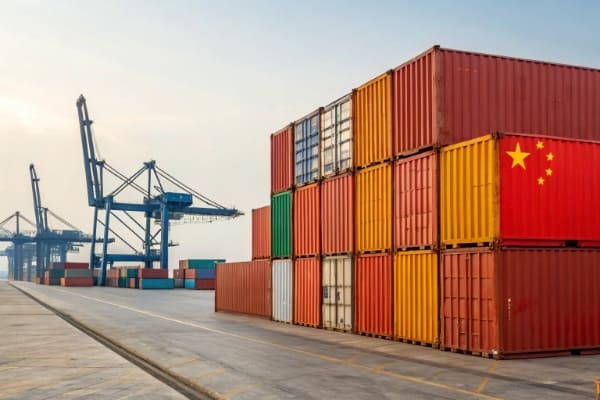
Choosing the right shipping option is a big decision for your business. It affects your costs, your delivery times3, and your customer satisfaction. I've helped hundreds of clients just like you navigate this process. We've seen what works and what doesn't. The good news is that it's not as complex as it seems once you understand the basics. Let's break down each option so you can choose with confidence.
What are the main shipping methods4 from China to Canada?
Confused by all the shipping terms? You are not alone. Each option has different costs and timelines. This can make the choice feel overwhelming for many business owners.
The three main shipping methods4] from China to Canada are Express Courier, Air Freight, and Sea Freight. Express is the fastest, sea is the cheapest for bulk goods, and air offers a middle ground for speed and cost. Each one serves a different business need.
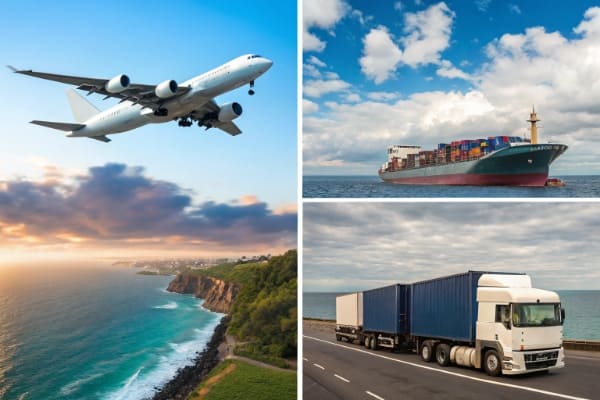
When we work with clients, we always start by explaining these three core options. Understanding them is the first step to building a smart supply chain. Each method is designed for a specific type of shipment, and picking the right one depends entirely on your needs. A bad choice can erase your profit margin, while a good choice can give you a competitive edge.
Here is a simple breakdown:
The Three Core Shipping Options
| Method | Best For (Weight) | Speed | Cost |
|---|---|---|---|
| Express Courier | Under 150 kg | Fastest (3-5 days) | Highest |
| Air Freight | 150 kg - 500 kg | Fast (3-10 days) | High |
| Sea Freight | Over 500 kg | Slowest (30-50 days) | Lowest |
Express couriers like DHL, FedEx, or UPS offer a complete door-to-door service. They handle everything, including customs. It's simple and fast. Air freight is also fast but usually involves more steps. It goes from airport to airport, so you need to arrange for local transport and customs clearance5. Sea freight is the workhorse for global trade. It's slow but incredibly cost-effective for large, heavy, or bulky items.
When should you choose sea freight over air freight?
You need to ship your products, but your budget is tight. Air freight seems fast but very expensive. Sea freight is slow but cheap. Making the wrong call here can really hurt your profits.
Choose sea freight2 when your shipment is over 500 kg and not time-sensitive. It offers the lowest cost per unit for bulk goods. Air freight is better for valuable, fragile, or moderately urgent items between 150-500 kg where speed justifies the higher cost.

The choice between sea and air freight6 is one of the most common questions I get. The answer almost always comes down to cost versus time. I remember a client, David, who was importing heavy promotional mugs for a big event. The air freight6 quote was shocking. We sat down and looked at his timeline. Since he had planned ahead, we had enough time for sea freight2. By choosing the sea option, he saved over 60% on shipping costs7. That money went straight to his bottom line.
However, cost isn't the only factor. Air freight is much gentler on products because there is less handling and movement. If you are shipping high-value electronics or fragile items, the extra cost of air freight6 can be worth it. It acts as insurance against damage. Think of it this way: sea freight2 is for your inventory stock-up, while air freight6 is for fulfilling a key order or launching a new, valuable product quickly. It's all about matching the method to the mission.
What is the difference between LCL and FCL shipping?
You've decided on sea freight2, but now you see 'LCL8' and 'FCL9'. These acronyms can be confusing. Picking the wrong one can lead to unexpected delays or higher costs for your shipment.
FCL9 (Full Container Load) means you rent an entire container for your goods. LCL8 (Less than Container Load) means you share container space with other shippers. FCL9 is faster and more secure, while LCL8 is cost-effective for smaller volumes.
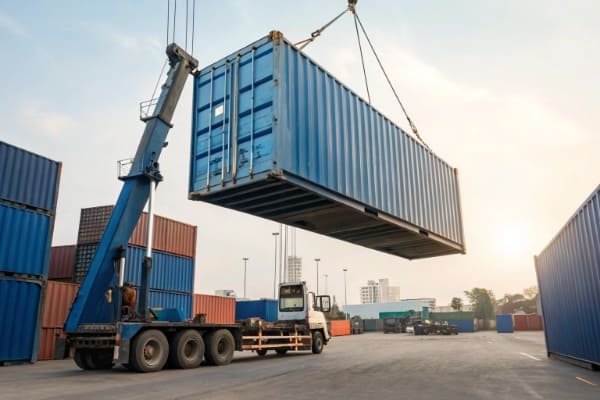
Once you decide on sea freight2, you have to choose between FCL9 and LCL8. This choice depends on the volume of your goods. FCL9 is straightforward. You pay for a whole 20-foot or 40-foot container. It's sealed at your supplier's factory and opened only when it reaches you. This makes it faster and much more secure.
LCL8 is for when you don't have enough goods to fill a whole container. Your products are combined with goods from other companies in a shared container. It's a great way to save money on smaller sea shipments. However, there are trade-offs. LCL8 shipments take longer because of the extra work. Your goods have to be loaded into a container at the port in China and then unloaded and sorted at the port in Canada. This extra handling also slightly increases the risk of damage or loss.
FCL9 vs. LCL8: A Quick Comparison
| Feature | FCL9 (Full Container Load) | LCL8 (Less than Container Load) |
|---|---|---|
| Best For | Shipments over 15 CBM | Shipments from 2-15 CBM |
| Cost | Higher upfront cost, lower per CBM | Lower upfront cost, higher per CBM |
| Speed | Faster transit | Slower due to consolidation |
| Security | High (sealed container) | Lower (shared space) |
Generally, if your shipment is more than about 15 cubic meters (CBM), FCL9 becomes the cheaper and better option.
How fast is air freight6 compared to sea freight2?
Your product launch is next month. Can your shipment from China make it in time? The speed difference between air and sea is huge. This difference can make or break your business timeline.
Air freight is significantly faster, taking about 3-10 days for door-to-door delivery from China to Canada. Sea freight is much slower, typically taking 30-50 days for a complete door-to-door journey.
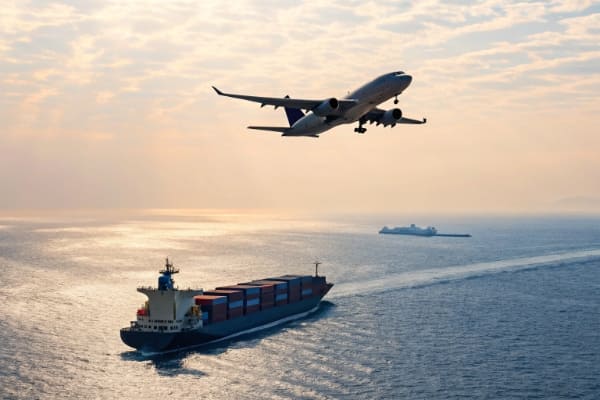
Many people only look at the port-to-port transit time, but that's a mistake. The total delivery time is what really matters. This includes getting the goods from the factory to the port, waiting for customs, the actual transit, and then customs and final delivery in Canada.
Let's look at a realistic timeline. A sea shipment might take 15-20 days on the water. But when you add trucking, customs, and port handling on both sides, the total journey is easily 30 to 50 days. Air freight, on the other hand, is built for speed. The flight itself might only take a day. With efficient ground handling, you can have your goods in your warehouse in Canada in under a week. I had a client who needed tech accessories for a trade show. Their original sea shipment was delayed. We arranged an emergency air freight6 shipment that arrived in just 5 days, saving their event. That's the power of air freight6. It gives you speed and flexibility when you need it most.
Typical Door-to-Door Transit Times
- Express: 3-5 days
- Air Freight: 3-10 days
- Sea Freight (FCL9): 30-40 days
- Sea Freight (LCL8): 40-50 days
Is express shipping worth the cost for small shipments?
You need a few product samples or an urgent small order. The shipping quote seems very high. Is paying for express delivery really the best move for your business, or is it a waste of money?
Yes, express shipping is often worth the cost for shipments under 150 kg. It is the fastest option (3-5 days) and includes door-to-door service with customs clearance5 handled for you. The convenience and speed justify the price.

Express shipping with couriers like DHL, FedEx, or UPS is an all-in-one solution. When you get a quote, it includes everything: pickup from the factory in China, international air transport, customs brokerage, duties, and final delivery to your door in Canada. This simplicity is its biggest advantage. You don't have to worry about coordinating with multiple companies or dealing with customs paperwork. You get one tracking number and a reliable delivery date.
For small shipments, trying to arrange standard air freight6 can be more expensive and complicated. You would have to pay separate fees for trucking, terminal handling, and customs brokerage. For anything under 150 kg, the total cost of these separate fees often ends up being more than the all-inclusive express price. We always tell our clients: if it's a small, urgent shipment or valuable samples, just use express. It's fast, reliable, and surprisingly cost-effective for what it includes. It removes all the headaches.
How do you choose the best shipping method1 for your business?
You understand the options, but you are still not sure. Choosing the best shipping method1 feels like a big decision. How do you make the right choice for your business every single time?
Choose the best method by balancing three factors: your budget, your timeline, and your shipment's weight and volume. Use our quick guide: Express for <150 kg, Air for 150-500 kg, and Sea for >500 kg. Always get multiple quotes before deciding.

Making the right choice consistently comes down to having a clear process. First, define your priorities for each shipment. Is cost the most important thing, or is speed critical? Second, know your numbers. What is the actual weight and volume of your shipment? Armed with this information, you can make a smart decision.
Here are the key steps we walk our clients through:
Your Decision-Making Checklist
- Define Your Needs: How fast do you need it? What is your budget?
- Know Your Shipment: Measure the total weight (in kg) and volume (in CBM).
- Apply the Rules of Thumb:
- Under 150 kg & Urgent -> Express
- 150 kg - 500 kg -> Air Freight
- Over 500 kg & Not Urgent -> Sea Freight
- Get Quotes: Always get at least three quotes. Make sure they are "all-in" quotes to avoid surprises. Check if they are based on actual weight or volumetric weight.
- Factor in Hidden Costs: Remember that duties, taxes, and fees are extra. These can add 20-40% to your total landed cost.
- Consider a Pro Tip: For mid-sized, bulky items, sometimes shipping by sea to a US west coast port (like Vancouver or Seattle) and then using a local courier to truck it into Canada can be cheaper than shipping directly to a Canadian port. This hybrid method requires more coordination but can offer significant savings.
Conclusion
Choosing the right shipping from China to Canada10 is simple when you know your options. Balance cost, speed, and shipment size to make the best choice for your business every time.
This link will help you identify key factors to consider when selecting the best shipping method for your needs. ↩
Learn about the benefits of sea freight, especially for large shipments, and how it can save you money. ↩
Get insights into expected delivery times for different shipping methods to plan your logistics better. ↩
Discover the various shipping methods available and how to choose the right one for your business. ↩
Understanding customs clearance is vital for smooth shipping; this resource explains the process in detail. ↩
This resource will provide a detailed comparison of air freight and sea freight, helping you make informed decisions. ↩
This link will break down the various factors that affect shipping costs, helping you budget effectively. ↩
Understanding LCL (Less than Container Load) is crucial for cost-effective shipping; explore this link for clarity. ↩
Learn about Full Container Load (FCL) shipping and why it might be the best option for your larger shipments. ↩
Explore this resource to understand the nuances and best practices for shipping from China to Canada. ↩