
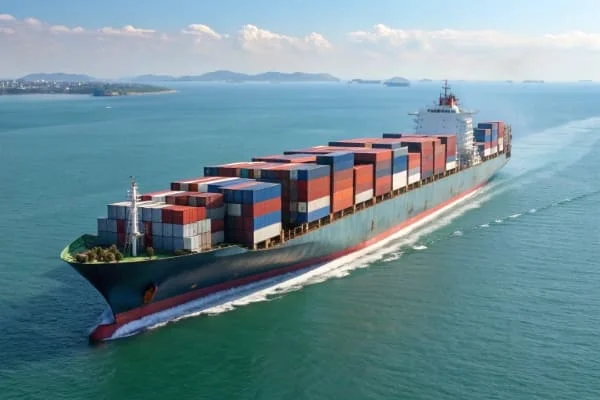
Struggling with complex international shipping? The hidden fees, customs paperwork, and delays can feel overwhelming. DDP sea freight1 is the simple, all-in-one solution that makes importing from China easy.
Delivered Duty Paid2 (DDP) sea freight is a shipping service where your supplier or freight forwarder3 handles the entire process. This includes ocean transport, customs clearance4, paying all import duties and taxes5, and delivering the goods directly to your door in the USA.
I've seen so many clients, especially Amazon sellers, get bogged down by logistics. Shipping used to be the hardest part of their business. When DDP became popular, it was like a light turned on, simplifying their entire supply chain. It's a game-changer because it removes the biggest headaches of importing. But to use it right, you need to understand how it all works. Let's dive into the details so you can decide if it's the right fit for your business.
What Does DDP Sea Freight Actually Include?
Are you worried that an "all-inclusive" price still has hidden costs? This is a common fear in shipping. DDP is designed to give you one final price with no surprises.
DDP sea freight1 truly covers every step from the factory in China to your US address. This includes pickup, ocean freight6, insurance, US customs clearance4, all import duties and taxes5 (including tariffs), and final-mile delivery7. It’s a complete door-to-door service.
When we quote a DDP price, we are bundling several services into a single, simple rate. It’s helpful to know what you’re paying for. The process is broken down into three main cost stages.
Key Cost Components
- Origin Charges: This covers picking up the goods from your supplier's factory, trucking them to the port in China, and handling all the export documentation and customs clearance4 in China.
- Main Freight Charges: This is the cost of the actual ocean journey from the port in China to the port in the USA. It also usually includes basic cargo insurance.
- Destination Charges: This is the most complex part, and it's what makes DDP so valuable. It includes all US port fees, unloading the container, handling US customs clearance4, paying all required import duties and taxes5 for you, and finally, trucking the goods to your final destination, whether it's your warehouse, an Amazon FBA center, or your office.
How Does DDP Sea Freight Work Step-by-Step?
Feeling lost in the complex shipping process? A single missed step can cause massive delays. Here is the simple, step-by-step DDP workflow we use to make it smooth for our clients.
For you, the process is incredibly simple. Your goods are sent to our warehouse in China. We then handle everything: export, shipping, import, duties, and final delivery. You just have to wait for your products to arrive at your US destination.
The magic of DDP is that all the hard work happens behind the scenes. While it feels like you just place an order and wait, our team manages a detailed logistical process to get your goods to you safely. Here’s a closer look at what we handle for you.
| Step | Action | Who is Responsible? |
|---|---|---|
| 1 | Goods Consolidation | We receive goods from your supplier(s) at our China warehouse. |
| 2 | Export Preparation | We inspect the cargo, prepare the export documents, and clear it with China customs. |
| 3 | Ocean Transit | Your goods are loaded onto a container ship and sail to the United States. |
| 4 | US Customs Clearance | We act as the Importer of Record (IOR), file all necessary paperwork, and pay all duties. |
| 5 | Final-Mile Delivery | Once cleared, your goods are trucked from the port to your specified final address. |
This entire flow is designed to be hands-off for you. You don't need to hire a customs broker, buy a customs bond, or worry about tariff codes8. We manage the entire chain seamlessly.
When Should You Choose DDP Sea Freight Instead of Air or Express?
Choosing the wrong shipping method9 can easily destroy your profit margins. You don't want to pay for speed you don't need. DDP sea freight1 is the best choice for non-urgent shipments.
You should choose DDP sea freight1 when your shipment is larger (over 100 kg or 1 CBM) and not time-sensitive. It offers the lowest cost per kilogram, making it ideal for inventory replenishment10 for e-commerce brands, wholesalers, and retailers seeking predictable, all-inclusive pricing.
The decision between sea, air, and express shipping always comes down to a balance of three factors: cost, speed, and weight. I always tell my clients to think about their inventory needs. If you are planning ahead and restocking your standard products, sea freight is the most logical choice. The cost savings are significant and directly boost your bottom line. Air freight is for more urgent situations, like launching a new product or avoiding a stock-out. Express couriers like DHL or FedEx are best for very small, urgent packages like samples.
Here is a simple guide to help you choose:
| Shipping Method | Best for... | Transit Time | Cost Level |
|---|---|---|---|
| DDP Sea Freight | Bulk goods > 100 kg, not urgent | 30-50 days | Low |
| DDP Air Freight | Urgent goods 50-500 kg | 7-15 days | High |
| Express Courier | Small parcels < 50 kg, very urgent | 3-7 days | Very High |
For most e-commerce businesses, a smart strategy is to use DDP sea freight1 for 90% of their inventory and keep DDP air freight as an option for emergencies.
How Long Does DDP Sea Freight Take From China to the USA?
Are shipping delays11 and unpredictable transit times hurting your business planning? I'll give you realistic timelines for DDP sea freight1 so you can manage your inventory and cash flow effectively.
DDP sea freight1 from China to the USA typically takes 30 to 50 days door-to-door. This total time includes inland transport in China, ocean transit, customs clearance4, and final-mile delivery7 in the USA, which can take an extra 7-10 days after the ship docks.
It's important to understand that the "sailing time" is only one part of the total journey. The door-to-door DDP timeline includes several stages, each with its own time frame. Delays can happen at any stage, so it's wise to build a buffer into your schedule.
Here is a typical breakdown of the total transit time:
- First Leg (China): 3-7 days. This includes picking up goods from the factory and trucking them to the port.
- Ocean Transit: 15-35 days. Shipping to the US West Coast (like Los Angeles) is faster, around 15-20 days. Shipping to the East Coast (like New York) takes longer, around 25-35 days.
- Customs & Unloading: 5-10 days. After the ship arrives, it needs to be unloaded and the container needs to clear US customs. This can take longer if your container is selected for a random inspection.
- Final Leg (USA): 5-10 days. Once cleared, the goods are trucked from the port to your final destination.
Always account for potential delays from port congestion, bad weather, or major holidays like Chinese New Year.
How Much Does DDP Sea Freight Cost in 2025?
Are you worried about unpredictable shipping costs12 and hidden fees? DDP is designed to solve this by giving you one clear, upfront price for the entire journey from China to your door.
DDP sea freight1 costs are calculated per kilogram (kg) or per cubic meter (CBM), and you are charged based on whichever is greater. In 2025, you can expect average rates to range from $1.50 to $4.00 per kg, but this can change with market conditions13.
The price of DDP sea freight1 is not static; it changes based on several key factors. Think of it like booking a flight—prices fluctuate with demand, season, and fuel costs. That's why it's crucial to get a fresh quote for every shipment.
Here are the main factors that influence the final cost:
- Chargeable Weight: We calculate both the actual weight (in kg) and the volumetric weight (CBM). The higher of the two becomes the "chargeable weight14" used for the quote.
- Type of Goods: The value and type of your product determine the import duty rate, which is a major component of the DDP cost.
- Seasonality: Shipping demand spikes before major holidays. The peak season, from August to October, typically has the highest rates of the year.
- Market Conditions: Global events, fuel prices, and port congestion can all cause rates to go up or down.
To make it clear, always ask your forwarder for a detailed quote that confirms the price is all-inclusive.
What Are the Advantages of DDP Sea Freight?
Juggling logistics can be a massive headache. Managing suppliers, freight, and customs feels like a full-time job. DDP simplifies everything, letting you focus on what you do best: growing your business.
The biggest advantages of DDP are its simplicity and cost predictability. You receive one all-inclusive invoice with no surprise fees. You don't need an import license or customs bond, as your forwarder handles everything. This greatly minimizes your risk and administrative workload.
I've seen DDP transform businesses, especially for entrepreneurs and small teams. It levels the playing field, giving smaller companies access to the same global supply chains as large corporations without needing a dedicated logistics department. It removes the barriers to entry for importing.
Here are the key benefits our clients love:
- Total Simplicity: You have one point of contact and one invoice for the entire shipping process. No need to coordinate with multiple companies.
- Cost Certainty: The price we quote is the final price you pay. This makes it easy to calculate your landed cost and product margins accurately.
- No Import Hassles: We act as your Importer of Record in the USA. This means you don't need to register as an importer or purchase an expensive annual customs bond.
- Reduced Risk: The responsibility for the goods, including any loss or damage during transit and customs, stays with us until they are delivered to your door.
- More Time for Your Business: By outsourcing logistics, you free up valuable time to focus on product development, marketing, and sales.
What Are the Risks or Limitations of DDP Sea Freight?
Is DDP a perfect, one-size-fits-all solution? Not quite. It has some downsides that can catch you off guard. Understanding these risks helps you avoid potential problems down the line.
The main risk of DDP is a lack of control and cost transparency. Since your forwarder bundles all services, you don't see a detailed cost breakdown. An unreliable forwarder could also cut corners on service, leading to delays or customs problems.
While DDP is incredibly convenient, that convenience comes at a price. You are handing over complete control of your shipment to a third party. This is why choosing the right partner is so important.
Here are a few limitations to keep in mind:
- Less Control: You cannot choose the specific shipping line15, trucking company, or customs broker. Your forwarder makes all these decisions to optimize for their DDP service network.
- Bundled Pricing: The all-in-one price is simple, but you can't see how much you are paying for each individual service (freight, duties, clearance, etc.). This can sometimes make it slightly more expensive than managing the process yourself.
- Dependence on Forwarder: Your entire shipment's success depends on the forwarder's competence. If they make a mistake in the customs declaration, your shipment could be delayed or seized, and you might have limited visibility into the problem. This is why we prioritize clear communication and transparency at every step.
What’s the Difference Between DDP and DAP, FOB, EXW?
Are you confused by all the shipping acronyms like FOB, EXW, and DDP? Using the wrong Incoterm can lead to thousands of dollars in unexpected costs and responsibilities. Let's make them easy to understand.
DDP (Delivered Duty Paid2) means the seller handles everything to your door. DAP (Delivered at Place) is similar, but you pay the import duties. FOB (Free on Board) means the seller's job is done once goods are on the ship. EXW (Ex Works) means you handle everything.
Incoterms16 are shipping rules that define who is responsible for what, and when that responsibility transfers from the seller to the buyer. Choosing the right one depends on how much control you want over the shipping process. As a sourcing agent17, I work with clients using all of these terms, but DDP is often the best for beginners.
Here’s a simple breakdown of the most common terms:
| Incoterm | Who Pays for Shipping? | Who Handles Customs? | When Does Risk Transfer to You? |
|---|---|---|---|
| DDP | Seller | Seller (Export & Import) | At your final destination |
| DAP | Seller | You (Import) | At your final destination (before duties) |
| FOB | You | You (Import) | When goods are loaded onto the ship |
| EXW | You | You (Export & Import) | At the factory door in China |
For e-commerce sellers, DDP is the most popular because it requires the least amount of work. For experienced importers with their own logistics partners, FOB is a very common and cost-effective choice.
DDP Sea Freight vs DDP Air Freight — Which Is Better?
Can't decide between sending your goods by sea or air? Making the wrong choice can seriously hurt your timeline or your budget. Let's compare them directly so you can choose wisely every time.
DDP sea freight1 is better for cost savings on heavy, non-urgent goods, with a transit time of 30-50 days. DDP air freight is better for speed and high-value items, delivering in 7-15 days, but at a significantly higher cost per kilogram.
The choice between DDP sea and DDP air freight is a classic business trade-off: do you want to save money or save time? For most businesses I work with, the answer depends on the
Explore this link to understand how DDP sea freight simplifies international shipping. ↩
Learn about Delivered Duty Paid and how it can benefit your shipping process. ↩
Discover the role of a freight forwarder in the shipping process. ↩
Discover the significance of customs clearance in international shipping. ↩
Understand the role of import duties and taxes in your shipping costs. ↩
Get insights into ocean freight and its importance in global trade. ↩
Find out how final-mile delivery impacts your shipping experience. ↩
Learn about tariff codes and their importance in customs clearance. ↩
Learn about various shipping methods to choose the best one for your needs. ↩
Understand the importance of inventory replenishment for e-commerce businesses. ↩
Discover common causes of shipping delays and how to mitigate them. ↩
Understand the factors that can impact your overall shipping costs. ↩
Explore how market conditions can influence your shipping expenses. ↩
Learn about chargeable weight and how it affects your shipping costs. ↩
Understand the role of shipping lines in the logistics industry. ↩
Learn about Incoterms and their significance in international trade. ↩
Explore the role of a sourcing agent and how they can assist your business. ↩