
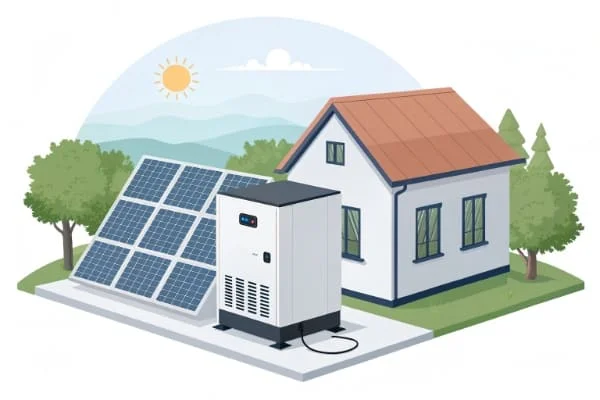
Struggling with high electricity bills or power outages1? A standard solar setup doesn't help at night. A hybrid inverter stores your solar power, giving you energy freedom anytime.
A hybrid solar inverter2 is a single device that combines a solar inverter and a battery inverter3. It intelligently manages power between your solar panels4, solar batteries, and the electrical grid, allowing you to store and use your solar energy5 whenever you need it, day or night.
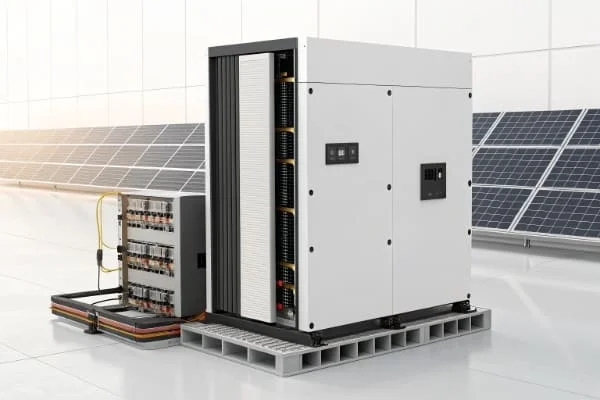
When I first started in the solar industry, the concept of storing solar power was a game-changer for my clients. They loved the idea of generating their own power, but they were frustrated that they couldn't use it during a blackout or after the sun went down. The hybrid inverter solved this problem, turning a simple solar system into a personal power plant. It's a smart piece of tech that really unlocks the full potential of solar energy5. If you're serious about energy independence6, this is a topic you need to understand. Let's dive into how it works and if it's right for you.
What Is a Hybrid Solar Inverter?
Confused by all the different solar components? The term "hybrid" can sound complicated. But it's actually a simple idea that combines two jobs into one smart device.
A hybrid solar inverter2 is an all-in-one unit that acts as both a solar inverter and a battery inverter3. It converts the DC electricity from your solar panels4 into usable AC power for your home, and it also charges and discharges your solar battery storage system7.
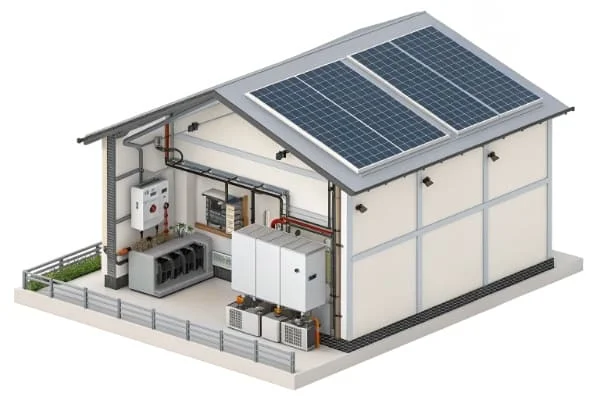
Think of a standard solar system. It has a solar inverter that turns sunlight into electricity for your home. If you want to add batteries, you typically need a separate battery inverter3 to manage the power flowing in and out of the battery. This creates a more complex and expensive setup.
A hybrid inverter simplifies everything. It's the brain of your solar power system8, designed from the ground up to work with batteries. It has built-in logic to make smart decisions about your energy. For example, it decides when to power your home, when to charge your batteries with free solar energy5, and when to pull power from the grid. This integration makes the entire system more efficient and easier to manage. It's a cleaner, more streamlined solution for homeowners who want both solar generation and energy storage.
How Does a Hybrid Solar Inverter Work?
Ever wonder how you can use solar power long after the sun has set? It seems impossible, but it's not. The secret is in how a hybrid inverter directs your energy flow.
A hybrid inverter works by managing the flow of electricity between the solar panels4, batteries, and your home. During the day, it sends solar power to your appliances and uses any extra energy to charge your batteries. At night, it draws power from the batteries.
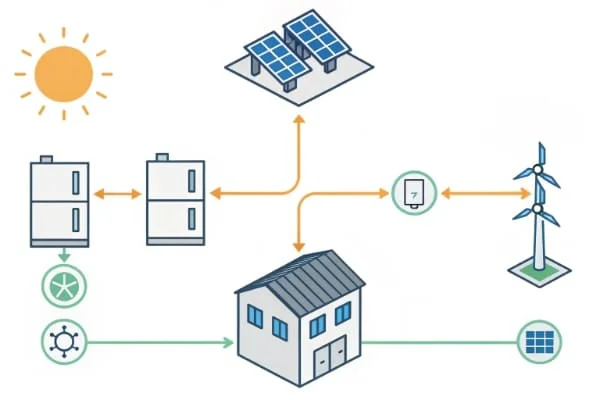
Let's break down the daily cycle of a hybrid inverter. I often explain it to my clients using a simple table to show how it adapts to different situations. It's a very clever process that happens automatically, so you don't have to think about it.
| Time of Day / Situation | Solar Panel Status | Battery Status | What the Hybrid Inverter Does |
|---|---|---|---|
| Midday, Sunny | Generating lots of DC power | Charging | The inverter converts DC to AC to power your home. It uses the excess solar power to charge the battery bank. |
| Evening / Night | Not generating power | Discharging | The inverter pulls DC power from the charged battery, converts it to AC, and sends it to your appliances. |
| Grid Power Outage | Generating or not | Discharging | The inverter instantly disconnects from the grid and uses battery power to run your essential circuits, like lights and the fridge. |
| Cloudy Day / Low Sun | Generating low power | Standby or Discharging | The inverter uses what little solar power it can and supplements it with power from the battery or the grid if needed. |
This intelligent management is what sets a hybrid inverter apart. It’s always working to use your free solar energy5 first, making you less reliant on the utility company.
What Are the Key Functions of a Hybrid Solar Inverter?
So, is a hybrid inverter just a fancy power converter? It's much more than that. I tell my clients to think of it as the central nervous system of their home's energy.
A hybrid inverter's key functions are power conversion, battery charge management, and providing backup power. It acts as a smart energy hub, directing electricity from your solar panels4, batteries, and the grid to where it's needed most, ensuring optimal efficiency and reliability.
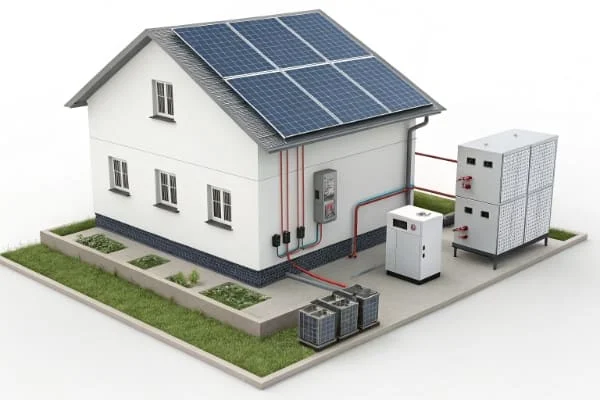
A hybrid inverter juggles several critical tasks at once to keep your home powered efficiently. It's not just one device, but a combination of several smart technologies in one box. Here are its main jobs:
-
DC to AC Power Conversion: Its most basic job is to convert the Direct Current (DC) power generated by your solar panels4 into Alternating Current (AC) power that your home appliances can use.
-
Battery Charging and Discharging: It manages your battery storage. It takes excess DC solar power and uses it to charge your batteries. When needed, it pulls DC power back out of the batteries and converts it to AC.
-
Backup Power Supply: During a grid blackout, it automatically disconnects from the grid and creates its own mini-grid for your home. This feature, often called an Emergency Power Supply (EPS), keeps your essential loads running.
-
Grid Interaction: It can export surplus power to the grid (if net metering is available) or draw power from the grid when your solar production is low and your batteries are depleted.
-
System Monitoring: It tracks and reports on energy production, consumption, battery levels, and savings, usually through a mobile app or web portal.
What Are the Pros and Cons of a Hybrid Solar Inverter?
Is a hybrid inverter really better than a standard one? I get this question all the time. The higher cost can make people hesitate, but the benefits often make it worthwhile.
The biggest pros are storing your own solar energy5, having backup power during outages, and lowering your reliance on the grid. This gives you energy independence6 and can save you a lot of money on bills. The main con is the higher upfront cost.
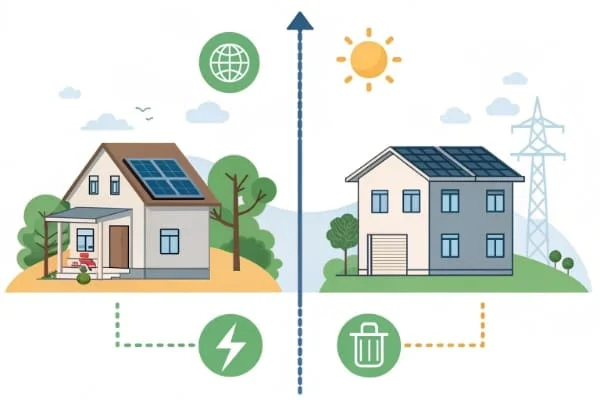
When advising clients, I always lay out a clear list of pros and cons. A hybrid inverter is a fantastic tool, but it's an investment, and you need to be sure it aligns with your goals. The decision often comes down to weighing cost against reliability and independence.
| Pros of a Hybrid Solar Inverter | Cons of a Hybrid Solar Inverter |
|---|---|
| Greater Energy Self-Sufficiency | Higher Upfront Cost |
| You use more of your own solar power, reducing reliance on the utility. | The inverter and batteries are more expensive than a standard grid-tied system. |
| Backup Power During Outages | Increased System Complexity |
| Your lights and essential appliances stay on when the grid goes down. | More components mean more potential points of failure and need for skilled installers. |
| Lower Electricity Bills | Battery Degradation & Replacement |
| You can avoid expensive peak-time electricity rates by using stored battery power. | Batteries have a limited lifespan and will eventually need to be replaced, adding a future cost. |
| Future-Proofs Your Home | Slightly Lower Efficiency |
| It simplifies adding batteries or an EV charger later, saving on future labor costs. | An all-in-one unit can sometimes be slightly less efficient than separate, dedicated components. |
For many, the peace of mind from having backup power alone makes it worth the price.
Who Should Buy a Hybrid Solar Inverter?
Wondering if a hybrid inverter is the right choice for your home? It's a big investment, so it's important to know if you'll get your money's worth. It's perfect for certain situations.
A hybrid inverter is ideal for homeowners who experience frequent power outages1, live in areas with high electricity rates or time-of-use tariffs9, or simply want to maximize their energy independence6 from the grid. It's about security and long-term savings.
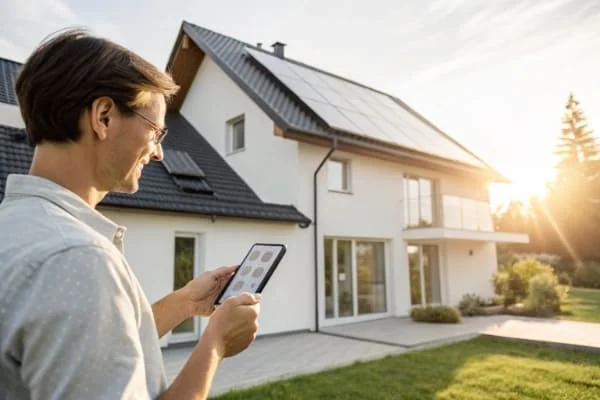
I've worked with hundreds of homeowners, and a clear pattern has emerged for who benefits most from a hybrid system. If you fit into one of these categories, it's definitely worth considering.
-
People in Areas with Unreliable Grids: If you experience frequent blackouts due to storms, aging infrastructure, or other issues, the backup power function is a lifesaver. You can keep your lights, refrigerator, and internet running seamlessly.
-
Homeowners with Time-of-Use (TOU) Electricity Rates: In many places, electricity costs more in the late afternoon and evening. A hybrid system lets you store cheap solar energy5 during the day and use it during these expensive peak hours, directly cutting your bill.
-
Those Seeking Energy Independence: If your goal is to be as self-reliant as possible, a hybrid inverter with batteries is non-negotiable. It allows you to generate, store, and use your own energy on your own terms.
-
Future-Planners: Even if you don't buy batteries today, installing a "hybrid-ready" inverter makes it much simpler and cheaper to add them in the future. It's a smart way to prepare your home for the next step in energy technology.
On the flip side, if your grid is very stable and you have a great net metering program, a simpler grid-tied inverter might be more cost-effective.
What Should You Look for in a Hybrid Solar Inverter?
Ready to buy a hybrid inverter but not sure what to look for? The technical specifications can be overwhelming. The good news is you only need to focus on a few key features.
When buying, check the inverter's power rating (kW), its battery compatibility, and the length of its warranty. Also, consider its backup power output and whether it comes with a good, user-friendly monitoring system to track your energy.

Choosing the right hybrid inverter is crucial for system performance. I always guide my clients to look beyond the brand name and focus on the specs that matter for their specific needs. Here’s a simple checklist to help you make an informed decision:
-
Power Rating (kW): This needs to match the size of your solar panel array and your home's energy demands. An undersized inverter will limit your power, while an oversized one is a waste of money.
-
Battery Compatibility: This is critical. Make sure the inverter is compatible with the type of battery you plan to use (e.g., lithium-ion, LFP) and its voltage. Not all inverters work with all batteries.
-
Backup Power Output: Check the continuous and peak power it can supply during an outage. This determines how many, and what kind of, appliances you can run. Will it be enough for your refrigerator and a few lights, or can it handle a well pump or A/C unit?
-
Warranty and Support: Look for a manufacturer's warranty of at least 10 years. Good technical support is also important, as these are complex devices.
-
Monitoring System: A good system will have a user-friendly app or web portal that lets you see your energy production and consumption in real-time. This helps you understand and optimize your energy usage.
Conclusion
A hybrid inverter gives you energy independence6 and backup power, but it costs more upfront. For the right home, especially one with an unstable grid, it is a worthwhile investment.
Understand how hybrid inverters ensure power supply during outages for essential appliances. ↩
Explore this link to understand the technology behind hybrid solar inverters and their benefits. ↩
Discover the role of battery inverters in energy storage and management. ↩
Learn how solar panels integrate with hybrid systems for efficient energy management. ↩
Learn about the advantages of solar energy and how it can benefit homeowners. ↩
Find out how hybrid inverters can help you achieve energy independence and reduce reliance on the grid. ↩
Learn about battery storage systems and their role in maximizing solar energy usage. ↩
Understand the various components of a solar power system and their functions. ↩
Find out how time-of-use tariffs impact energy bills and how hybrid systems can help. ↩