
Importing from China can feel overwhelming. You worry about surprise fees and complex rules, which can hurt your business. This guide breaks down the process into simple, manageable steps.
To import goods from China to New Zealand, you must understand key regulations, calculate duties and a 15% GST, and prepare documents like a commercial invoice1 and bill of lading. Using a freight forwarder2 helps manage customs clearance3 and logistics for a smooth, compliant process.
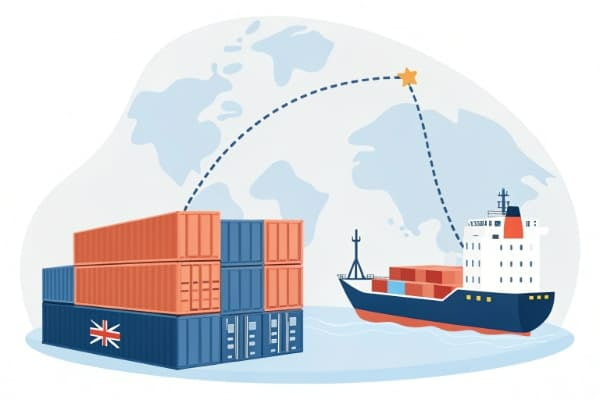
Getting a quick overview is a good start, but success comes from understanding the details. A single mistake can cause delays and cost you money. Let's walk through each step together, so you can import with total confidence and avoid common pitfalls.
What Are the Key Regulations for Importing Goods from China to New Zealand?
New Zealand's import rules are strict. One small mistake with biosecurity or safety standards can get your shipment stopped. I'll show you the most important regulations to follow.
Key regulations include complying with biosecurity laws, meeting product safety standards4, and correctly declaring goods to Customs. You must also pay a 15% Goods and Services Tax5 (GST) and potential duties on shipments valued over NZ$1,000. These rules protect New Zealand's environment and consumers.
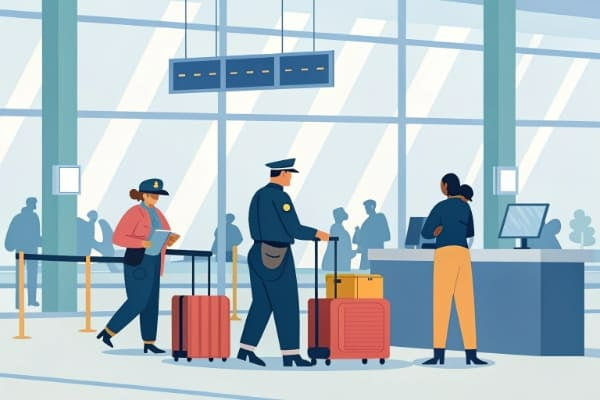
When I first helped a client import to New Zealand, biosecurity was our biggest hurdle. The rules are there for a good reason—to protect New Zealand's unique ecosystem. So, all goods, especially things like wood products or anything with organic material, must get biosecurity clearance. It's a mandatory step.
You also need to think about product safety. New Zealand has specific standards for items like electronics, toys, and children's products. You must ensure your products from China have the right certifications to be sold legally. We always verify these standards with our factories before production even begins.
Finally, you have to deal with New Zealand Customs. This means registering as an importer and submitting an electronic import entry6 for your shipment. This declaration tells Customs what you're bringing in, its value, and where it's from. Getting this right is essential for a smooth clearance process.
How Can Importers Minimize Duties, Taxes, and Other Import Fees Legally?
Nobody wants to pay more than they have to. Hidden import fees can destroy your profit margins. Here are the legal strategies we use to keep costs predictable and low.
To minimize costs, use the China-New Zealand Free Trade Agreement7 (FTA) to reduce or eliminate duties on eligible goods. Ensure your shipment's value is declared correctly to avoid overpaying the 15% GST. Consolidating shipments can also lower per-unit logistics costs significantly.
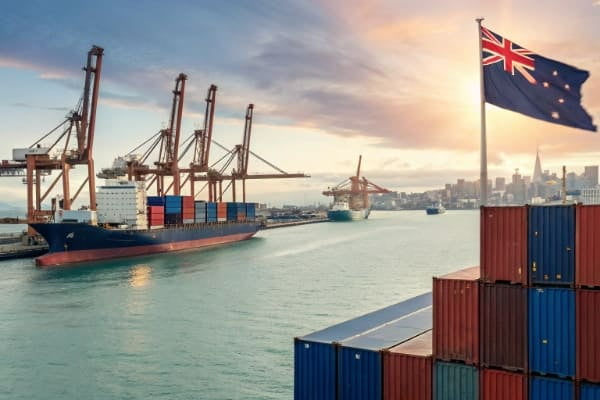
The best tool for saving money is the China-New Zealand Free Trade Agreement7 (FTA). I've seen clients save thousands with it. To qualify, your products must meet the "rules of origin," which means they have to be manufactured or significantly processed in China. You'll need a Certificate of Origin8 from your supplier to prove this. We help our clients get this document for every eligible shipment.
Next, let's talk about duties and GST. New Zealand charges a 15% GST on almost all imports. This tax is calculated on the CIF value (Cost, Insurance, and Freight) plus any duty. Import duties usually apply only to shipments over NZ$1,000, and the rate is typically around 5.11%, depending on the product's HS code.
Key Cost-Saving Strategies
| Strategy | How It Works | What You Need |
|---|---|---|
| Use the FTA | Reduces or eliminates import duties. | A valid Certificate of Origin8. |
| Accurate Valuation | Prevents overpayment of GST and duties. | A correct commercial invoice1. |
| Consolidate Orders | Lowers the per-item shipping cost. | A partner who can warehouse and combine goods. |
By focusing on these areas, you can make importing much more affordable.
Which Documents and Permits Are Required for Importing Goods from China?
Missing paperwork is a classic rookie mistake. It’s the fastest way to get your shipment stuck at the border. Let's go over the exact documents you need every time.
The essential documents for importing into New Zealand are a Commercial Invoice, Packing List, and Bill of Lading9 (for sea freight10) or Air Waybill (for air freight11). A Certificate of Origin8 is also vital for accessing preferential duty rates under the FTA.
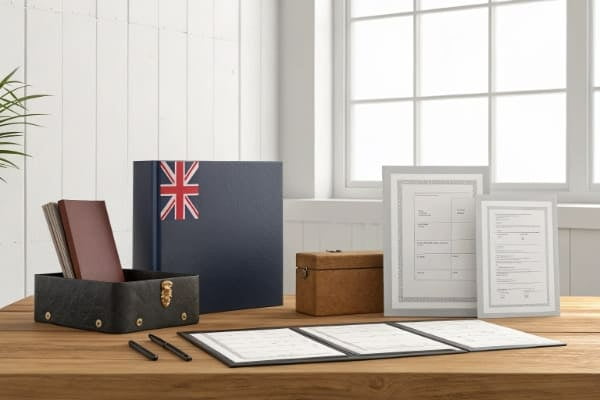
I always tell my clients that good paperwork is like a passport for your products. Without it, they aren't going anywhere. We manage these documents carefully to ensure there are no delays. Think of it as a simple checklist you need to complete for every shipment.
First, the Commercial Invoice. This is the bill for your goods. It must show the seller, buyer, product descriptions, quantities, and the total value. Customs uses this to calculate duties and GST, so it has to be accurate.
Next is the Packing List. This document details the contents of each box or pallet, including weights and dimensions. It helps customs officials verify the shipment's contents without opening every single package.
Then you have the transport document. For sea freight10, it's the Bill of Lading9 (B/L). For air freight11, it's the Air Waybill (AWB). This is your proof of contract with the shipping company and acts as a receipt for your goods.
Finally, the Certificate of Origin8. As I mentioned, this is your golden ticket for taking advantage of the China-New Zealand FTA. It certifies that your goods were made in China and qualifies them for lower or zero duties.
What Are the Most Efficient Shipping and Logistics Options for Importing?
Choosing the right shipping method feels like a puzzle. You have to balance cost, speed, and reliability. I'll explain the best options so you can pick the right one.
Sea freight is the most cost-effective option for large, non-urgent shipments, while air freight11 is best for high-value or time-sensitive goods. Using an experienced freight forwarder2 is the most efficient way to manage documentation, customs clearance3, and final delivery for either method.
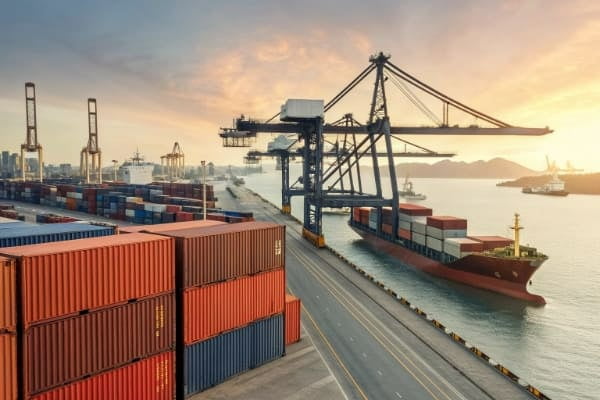
Over the years, I've managed thousands of shipments, and the choice between sea and air always comes down to two things: time and money.
Sea freight is the workhorse of global trade. It's much cheaper than air freight11, especially for bulky or heavy goods. If you're importing a large volume of promotional products and have planned your inventory needs weeks in advance, sea freight10 is almost always the right choice. The transit time is longer, usually a few weeks, but the cost savings are significant. We consolidate our clients' smaller orders into one container to make sea freight10 even more affordable.
Air freight, on the other hand, is all about speed. If you have an urgent deadline for a trade show or a last-minute order, air freight11 can get your goods from China to New Zealand in a matter of days. It's more expensive, so it's best for smaller, lighter, or high-value items where the extra shipping cost makes sense.
A good freight forwarder2 is crucial for both. They handle all the complex parts, from booking space on a ship or plane to managing customs paperwork. It simplifies the entire process.
How Can Importers Ensure Product Quality and Supplier Reliability?
Finding a good supplier in China is tough. You worry if the quality will be consistent or if they'll deliver on time. This is how we guarantee both for our clients.
Ensure quality by conducting factory audits12 before placing an order and performing pre-shipment inspections13 to verify goods meet your standards. Build long-term relationships with vetted suppliers and use a local partner in China to manage communication and quality control14 on your behalf.
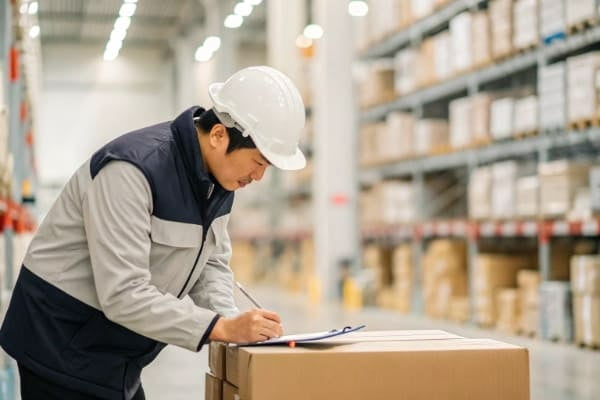
I've learned that you can't manage quality from the other side of the world. You need someone on the ground. That’s the most important part of our job at Toncentlink. We act as our clients' eyes and ears in China.
It starts with finding the right factory. We don't just search online; we visit factories, audit their production lines, and check their certifications. This initial step, called a factory audit, prevents so many problems later on. We make sure they can actually produce what they promise.
Once production starts, we don't just wait and hope for the best. We perform in-line inspections to catch issues early. But the most critical step is the pre-shipment inspection. Before the final payment is made and before the goods leave the factory, our team goes in and checks a sample of the products against a detailed quality checklist. We check colors, logos, materials, and function. If anything is wrong, we get it fixed right there. This single step has saved our clients from countless headaches and financial losses. It gives you peace of mind that what you ordered is what you'll receive.
How Can I Reduce Environmental Impact and Practice Sustainable Importing?
Many clients today want to import responsibly. They ask how they can reduce their carbon footprint. The good news is, sustainable importing15 is possible and can even be good for business.
To practice sustainable importing15, consolidate shipments to maximize container space and reduce transport emissions. Choose suppliers with proven ethical and environmental standards. Opt for eco-friendly packaging materials and work with logistics partners who offer carbon-offsetting programs to minimize your environmental impact.
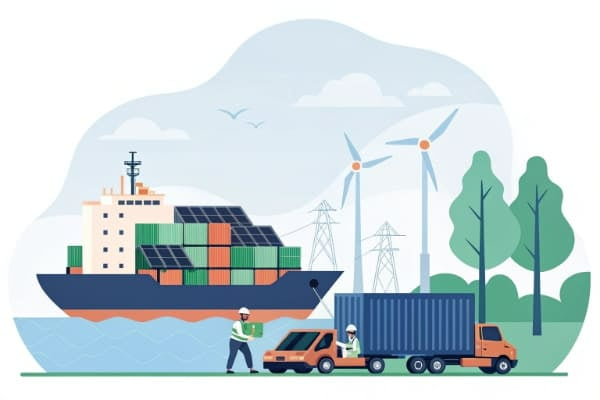
Thinking about sustainability is no longer a niche concern; it's a core part of a modern brand's identity. I've found that a few practical changes can make a big difference. The easiest win is shipment consolidation16. Instead of sending multiple small air shipments, we help clients plan ahead. We store their goods from different suppliers in our warehouse and consolidate them into a single, full sea container. This drastically cuts down on the carbon emissions per product.
Another key area is sourcing. We actively seek out and partner with factories that use greener materials or have certifications for ethical labor practices. It’s about more than just the product itself; it's about the entire supply chain.
Finally, we look at packaging. We encourage clients to move away from single-use plastics and toward recycled or biodegradable options. Simple changes, like using less filler material or designing smaller boxes, can reduce waste and shipping weight, which in turn lowers fuel consumption. It's a win for the planet and often a win for your budget, too. These small steps add up to a much more responsible way of doing business.
What Are the Post-Import Steps to Handle Goods Upon Arrival in New Zealand?
Your goods have finally landed in New Zealand. But you're not done yet. The final steps are just as important. Here’s what you need to do to get your products.
Once goods arrive, your freight forwarder2 will manage customs clearance3 by submitting the import entry6 and paying duties and GST on your behalf. After clearance, you must arrange domestic transport from the port or airport to your warehouse and inspect the goods immediately upon receipt.
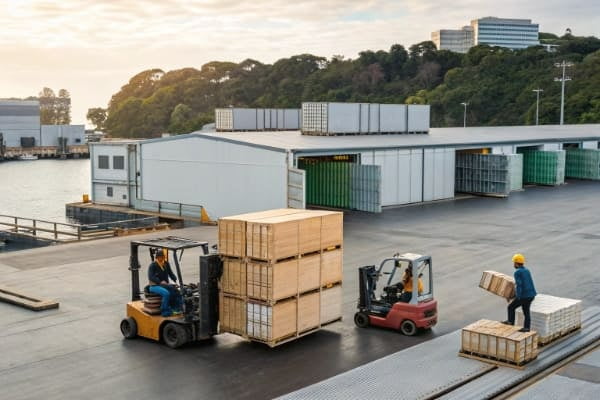
The final mile can be the most confusing part for new importers. Your products are so close, yet still out of reach. This is where having a good logistics partner really pays off. Once the ship docks or the plane lands, the first thing that happens is customs clearance3. Your freight forwarder2 will handle this. They’ll submit all the necessary electronic documents to New Zealand Customs and MPI Biosecurity.
You will need to pay the calculated GST and any applicable duties before Customs will release your cargo. Your forwarder will usually front this cost and invoice you for it later, which speeds things up.
After your goods are officially cleared, they are ready for pickup. You'll need to arrange for a truck to collect them from the port or airport and deliver them to your final destination, whether that's your warehouse, a fulfillment center, or your store.
My final piece of advice is simple: inspect your shipment immediately. Even with the best quality control14 in China, things can sometimes get damaged in transit. Check for any issues right away so you can file a claim with the insurance company if needed.
Conclusion
Importing from China to New Zealand is straightforward when you know the rules. Follow this guide on costs, documents, and logistics for a smooth and successful process every time.
Ensure your invoices are accurate to avoid customs issues. ↩
Discover how a freight forwarder can simplify your importing process. ↩
Understanding this process is essential for timely delivery of your goods. ↩
Familiarize yourself with these standards to ensure your products are compliant. ↩
Understanding GST calculation can help you budget accurately for imports. ↩
Understanding the import entry process is crucial for compliance. ↩
Learn how to leverage the FTA to save on import duties. ↩
This document is key for accessing lower duties under the FTA. ↩
Understand this critical document for smooth shipping and customs clearance. ↩
Learn why sea freight is often the most economical choice for large shipments. ↩
Explore the benefits of air freight for urgent shipments. ↩
Discover how audits can prevent quality issues before they arise. ↩
These inspections are vital for ensuring product quality before shipping. ↩
Learn effective strategies for maintaining product quality during imports. ↩
Learn how to reduce your environmental impact while importing. ↩
Find out how consolidating shipments can save you money and emissions. ↩