Are high electricity bills stressing you out? Utility rates keep climbing, making you feel powerless. Solar energy offers a permanent solution to lower your costs and gain independence.
The main benefits of solar energy1 are significantly lower electricity bills2, increased home value3, and a smaller carbon footprint4. The primary drawbacks include high upfront installation costs5](6s">https://toncentlink.com/how-to-choose-the-best-hybrid-solar-inverter-for-your-home/)6s, weather-dependent power generation7, and unsuitability for certain roof types or shaded homes8.
You see the main pros and cons. But the details are what really matter. To truly know if solar is right for you, we need to explore how it works, the real savings, and the hidden drawbacks. Let's dig deeper into each aspect.
What Is Solar Energy and Why Is It Important?
Hearing about "green energy" but not sure what it means for you? The technical jargon can be confusing. Solar power is simply using sunlight to power your home.
Solar energy is power generated from sunlight using photovoltaic (PV) panels. It's important because it's a clean, renewable resource that reduces our reliance on fossil fuels, lowers greenhouse gas emissions, and helps combat climate change while providing energy independence9 for homeowners.
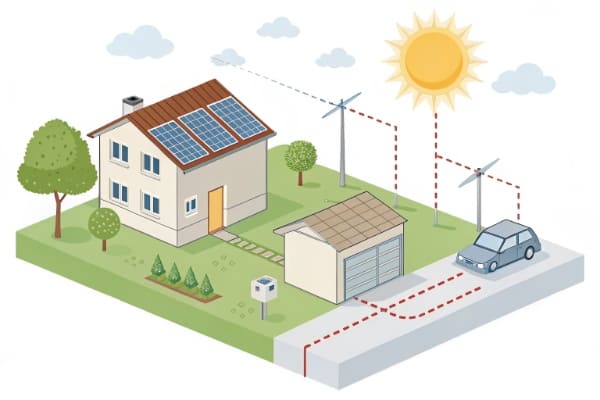
Solar energy is created when sunlight hits photovoltaic (PV) cells inside solar panels10. These cells, usually made of silicon, convert the sun's photons into direct current (DC) electricity. An inverter then changes this DC electricity into alternating current (AC) electricity, which is the standard form of power used in our homes. This process is silent, has no moving parts, and produces zero emissions.
Why It Matters to You and the Planet
The importance of solar energy1 is twofold. First, it directly benefits you by reducing or even eliminating your electricity bills. Second, it has a major positive impact on the environment. Unlike fossil fuels, solar power11 doesn't release harmful greenhouse gases. This helps fight climate change and improve air quality. It's a way to invest in your property and a healthier planet simultaneously.
| Aspect | Description |
|---|---|
| Technology | Photovoltaic (PV) cells convert sunlight to DC electricity. |
| Process | An inverter converts DC to usable AC household power. |
| Environmental Impact | Reduces carbon footprint4 by using a clean energy source. |
| Personal Impact | Lowers energy bills and provides energy independence9. |
What Are the Top Benefits of Using Solar Power at Home?
Thinking solar is only for environmentalists? It's easy to overlook the practical perks. In reality, solar power11 offers huge financial benefits and energy security12 for your family.
The top benefits are significant long-term savings on electricity bills, a higher home resale value, and energy independence9 from utility rate hikes. You also get a smaller carbon footprint4, minimal maintenance needs, and access to government incentives13 like the 30% federal tax credit14.
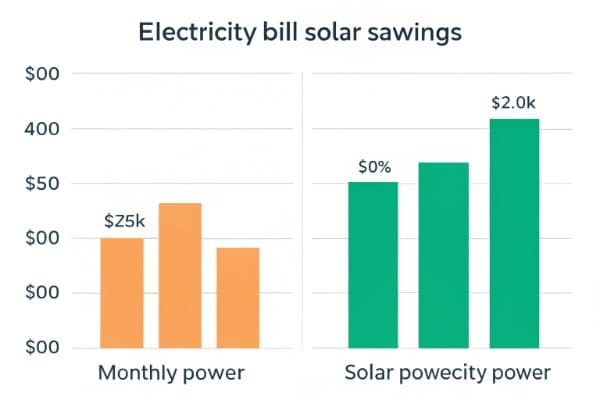
The advantages of going solar are compelling, especially from a financial perspective. For me, seeing my electricity bill drop to near zero was the biggest win. This isn't a short-term gain; a solar system is designed to last 25-30 years, generating free power after it pays for itself. Beyond bill savings, your property value gets a nice boost. Studies show homes with solar panels10 sell faster and for more money.
A Breakdown of Solar Advantages
Energy independence is another huge plus. You are no longer at the mercy of unpredictable utility rate increases. And because solar panels10 have no moving parts, they are incredibly durable and require very little maintenance—usually just an occasional cleaning. It's a reliable, long-term asset for your home.
| Benefit Category | Specific Advantage |
|---|---|
| Financial | Lower/eliminated electricity bills, 30% federal tax credit14. |
| Property Value | Homes can sell for 5-10% more. |
| Lifestyle | Energy independence from utility companies. |
| Maintenance | No moving parts, minimal cleaning required. |
How Much Can You Save With Solar Panels?
Unsure if the big upfront cost of solar is worth it? You need to know if the investment will actually pay for itself. The savings are substantial and last decades.
You can save tens of thousands of dollars over the 25-30 year lifespan of your solar panels10. Most homeowners eliminate their electricity bills and see a full return on their investment within 8-12 years, after which the energy they produce is completely free.
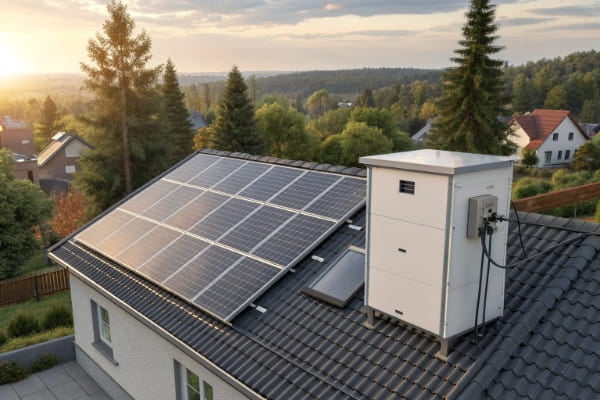
The exact amount you save depends on your local electricity rates, how much sun your home gets, and the size of your system. However, the potential is massive. Think of it this way: instead of renting power from the utility company forever, you are buying your own power plant. After the initial payback period, typically 8 to 12 years, all the electricity your system generates is pure profit.
Example Savings Over 25 Years
Let's look at a simple example. If your average monthly bill is $200, that's $2,400 a year. Over 25 years, you would pay the utility company $60,000, and likely more with rate hikes. A $30,000 solar system (which becomes $21,000 after the 30% tax credit) pays for itself in under 9 years. You would then enjoy over 16 years of free electricity, saving you at least $39,000.
| Metric | Example Calculation |
|---|---|
| System Cost | $30,000 |
| Federal Tax Credit (30%) | -$9,000 |
| Net Cost | $21,000 |
| Annual Savings | $2,400 (based on $200/month bill) |
| Payback Period | 8.75 Years ($21,000 / $2,400) |
| Total 25-Year Savings | $39,000 ($60,000 - $21,000) |
Do Solar Panels Work During Winter or Cloudy Weather?
Live somewhere with cloudy winters? You might think solar panels10 are useless without constant, direct sun. But they are more resilient than you think and still generate power.
Yes, solar panels10 work in winter and on cloudy days, but their output is reduced. Panels convert any visible light into electricity, not just direct sunlight. Snow can even reflect light and boost production, and cold temperatures actually improve panel efficiency.
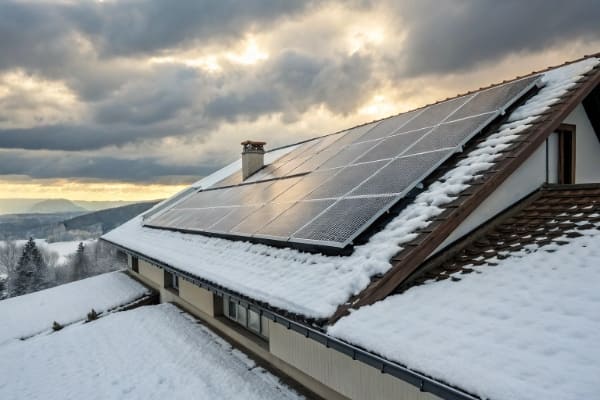
This is a common concern I had too. It’s a myth that solar panels10 need clear, hot, sunny days to work. They are powered by photons in daylight, not by heat or direct sunbeams. So, even on a heavily overcast day, your panels will still generate power, maybe around 10-25% of their peak output. Rain is also helpful as it naturally cleans the panels, improving their efficiency.
How Weather Conditions Affect Performance
Surprisingly, solar panels10 are actually more efficient in cold temperatures than in extreme heat. While winter days are shorter, the crisp, cool air helps the electronics perform better. Snow can be a problem if it completely covers the panels, but a light dusting usually melts or slides off the dark, angled surfaces quickly. Your annual production estimates always account for these seasonal and weather variations.
| Weather Condition | Impact on Solar Production |
|---|---|
| Cloudy Day | Production is reduced (10-25% of max), but not zero. |
| Rain | Production is reduced, but rain cleans the panels. |
| Winter/Cold | Shorter days reduce hours, but cold improves panel efficiency. |
| Snow | Heavy snow blocks light, but light snow melts or slides off. |
How Expensive Is Solar Panel Installation?
The price of a solar installation can sound intimidating. That huge number might make you think it's out of reach. But tax credits and financing make it much more affordable.
The upfront cost of a home solar panel system typically ranges from $25,000 to $35,000 before incentives. However, the 30% federal tax credit14 and any state rebates can significantly reduce this initial investment, bringing the net cost down considerably for homeowners.
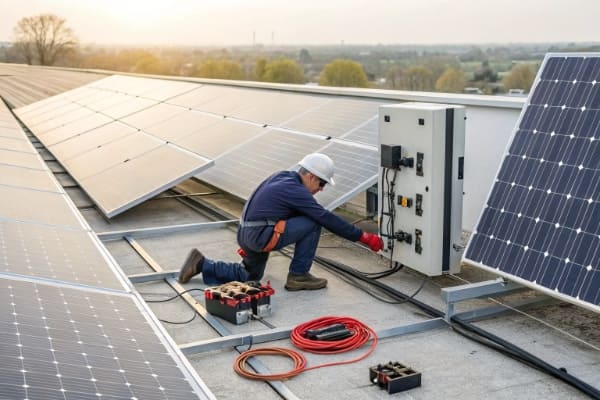
The initial sticker shock is real. The average cost for a residential solar system is around $30,000. But it's crucial to look past that number. The most important financial tool is the federal Investment Tax Credit (ITC), which allows you to deduct 30% of the total system cost from your federal taxes. This immediately slashes a $30,000 system down to $21,000. Many states and local utilities offer additional rebates or credits, further lowering the price.
What's Included in the Price?
This cost covers everything: the panels, the inverter, mounting hardware, wiring, labor for installation, and all the necessary permits and inspections. Most solar companies also offer financing options, like solar loans, which allow you to install the system with little to no money down and pay it off with your energy savings.
| Cost Component | Description |
|---|---|
| Hardware | Panels, inverter, racking, and monitoring system. |
| Soft Costs | Labor, permits, inspections, and company overhead. |
| Incentives | 30% Federal ITC, state/local rebates. |
| Financing | Solar loans and leases can eliminate upfront payment. |
Are There Any Risks or Drawbacks of Solar Energy?
Is solar energy1 too good to be true? You are right to be skeptical and look for the hidden problems. There are a few important drawbacks to consider before committing.
The main drawbacks of solar energy1 are the high initial installation cost6, its dependence on weather and sunlight, and the fact that not all roofs are suitable. Some homeowners also dislike the aesthetic change15 to their roof, and energy storage16 requires expensive batteries.
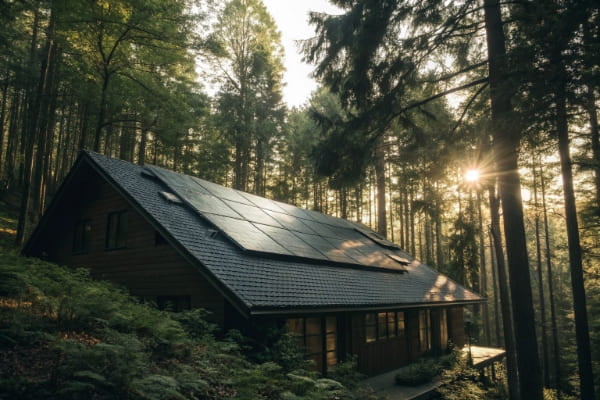
No investment is without its risks, and it's important to be transparent about them. The biggest hurdle is the upfront cost, as we've discussed. Another key factor is your roof itself. If it's heavily shaded by trees, faces the wrong direction (north-facing in the US), or is made of certain materials like slate, it might not be a good candidate for solar. Aesthetics can also be a concern for some people who don't like the look of panels on their roof.
A Realistic Look at the Downsides
The system's performance is tied to the weather, so your energy production will fluctuate daily and seasonally. While you remain connected to the grid to cover any shortfalls, if you want true off-grid independence, you'll need to invest in a battery storage system, which can add thousands to the total cost.
| Drawback | Consideration |
|---|---|
| Cost | High initial investment, though incentives help. |
| Suitability | Roof must have good sun exposure and be structurally sound. |
| Aesthetics | The look of panels may not appeal to everyone. |
| Dependency | Power generation varies with weather and time of day. |
| Storage | Battery systems for off-grid power are an additional expense. |
Is Solar Energy the Best Renewable Energy Option?
Solar isn't the only renewable energy17 source out there. With options like wind or geothermal, it's hard to know what's best. For most homes, solar is king.
For residential use, solar energy1 is often the best renewable option due to its accessibility, falling costs, and simple installation. While wind turbines require significant space and consistent wind, and geothermal requires major excavation, solar panels10 can be installed on most existing rooftops.
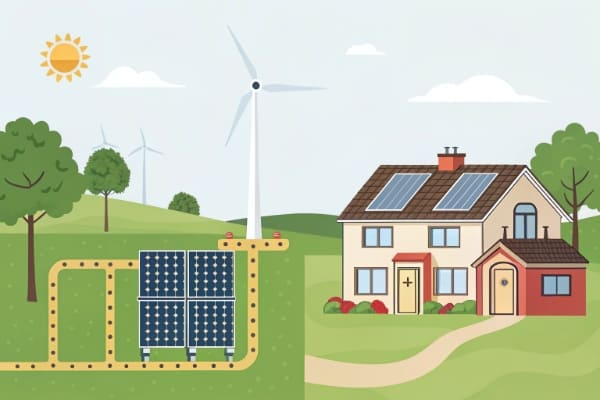
While other renewable sources exist, they often aren't practical for the average homeowner. Residential wind turbines, for example, require at least an acre of land and specific zoning laws, not to mention consistent, strong winds. They can also be noisy and visually intrusive. Geothermal energy, which uses the earth's stable temperature to heat and cool a home, is incredibly efficient but involves massive upfront costs for drilling and excavation, making it disruptive and expensive.
Why Solar Wins for Most Homeowners
Solar energy hits the sweet spot. It utilizes an existing, unused space—your roof. The technology is modular, so you can size a system perfectly for your needs. Installation is relatively quick and non-invasive compared to the alternatives. For these reasons, solar power11 has become the most popular and practical renewable energy17 choice for homeowners around the world.
| Energy Source | Best For | Key Requirement |
|---|---|---|
| Solar | Most residential homes. | A sunny, structurally sound roof. |
| Wind | Rural properties with open land. | Significant space and consistent high winds. |
| Geothermal | New construction or major renovations. | High budget for extensive excavation. |
Conclusion
Solar energy offers incredible financial and environmental benefits. While the upfront cost is high, the long-term savings and energy independence9 make it a powerful investment for many homeowners.
Discover the numerous advantages of switching to solar energy for your home. ↩
Discover how solar energy can significantly reduce your monthly expenses and improve your financial health. ↩
Learn how installing solar panels can boost your property's market value and appeal to buyers. ↩
Explore how solar energy contributes to a cleaner environment by reducing greenhouse gas emissions. ↩
Understand the factors that contribute to the initial investment in solar energy systems. ↩
Get insights into the costs associated with installing solar panels and how to budget for them. ↩
Find out how solar panels perform under different weather conditions and their efficiency. ↩
Discover the challenges and solutions for installing solar panels on homes with limited sunlight. ↩
Learn how solar energy can free you from reliance on utility companies and rising energy costs. ↩
Discover the various types of solar panels and their unique benefits for homeowners. ↩
Get a clear explanation of the technology behind solar power generation. ↩
Learn how solar energy enhances your home's energy security and stability. ↩
Explore the financial benefits and tax credits that make solar energy more affordable. ↩
Understand how the 30% federal tax credit can significantly reduce your solar installation costs. ↩
Understand the visual impact of solar panels on your home's appearance and design. ↩
Explore the different energy storage solutions available for maximizing solar energy use. ↩
Learn about various renewable energy options and how solar compares to them. ↩