
Your business is under pressure to be more sustainable. Relying on fossil fuels1 can harm the planet and your brand's image. Solar energy2 offers a powerful, clean solution for a better future.
Solar energy2's greatest environmental benefit is generating electricity with zero greenhouse gas emissions3. This directly combats climate change4, reduces air and water pollution, conserves precious natural resources5 like water, and protects ecosystems6 by ending our reliance on destructive fossil fuel extraction.
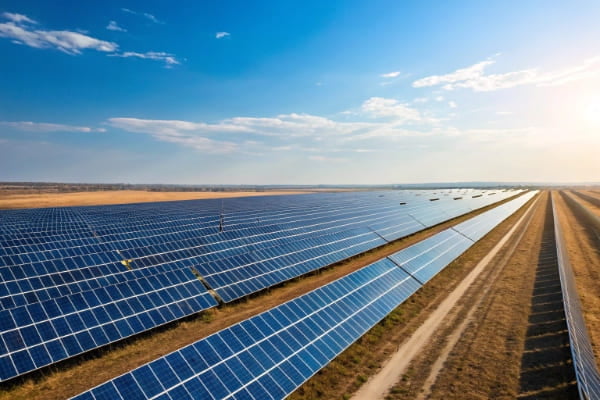
I often talk with clients about making their brands more eco-friendly. These conversations always remind me how important it is to understand the real impact of our choices. Solar power is a fantastic example. Its benefits go far beyond just providing clean electricity7. Let's dig into how solar power truly helps our planet in very specific ways.
Why Does Solar Energy Reduce Carbon Emissions?
Your company has a carbon footprint8. Traditional energy sources make it bigger every single day, which harms our climate. Switching to solar power directly cuts these emissions and shows your commitment to sustainability.
Solar energy2 reduces carbon emissions9 because solar panels10 generate electricity from sunlight without any combustion. Unlike fossil fuels1 like coal or gas, this process releases zero carbon dioxide (CO2), the main greenhouse gas responsible for global warming. This makes it a clean, zero-emission energy source during operation.

The process is fundamentally different from how we have made power for over a century. Fossil fuel power plants burn materials to create heat, which then generates electricity. That burning process is the problem. It releases massive amounts of carbon dioxide into the atmosphere. I was shocked when I first saw the numbers.
The Zero-Emission Process
Solar panels work through a process called the photovoltaic effect11. When sunlight hits the solar panel, it excites electrons in the silicon cells, creating a direct current (DC) of electricity. This is a physical process, not a chemical one like burning. There is no smoke, no exhaust, and no CO2. This simple fact is the most powerful environmental benefit of solar energy. A single home solar system can prevent thousands of tons of CO2 from entering the atmosphere over its lifetime.
Fossil Fuels vs. Solar: A Clear Contrast
Let's look at a direct comparison to understand the impact. The numbers make it very clear why solar is a better choice for our planet.
| Energy Source | Grams of CO2 per Kilowatt-hour (Lifecycle) |
|---|---|
| Coal | 820 |
| Natural Gas | 490 |
| Solar | 41 |
| Wind | 11 |
This table shows the lifecycle emissions, which includes manufacturing. Even when we account for production, solar is still incredibly clean compared to fossil fuels1.
How Does Solar Improve Air and Water Quality?
Dirty air and water are global problems. Burning fossil fuels1 is a major cause, releasing harmful pollutants12. Solar power generates electricity cleanly, helping to purify our air and protect our water sources.
Solar improves air quality13 by not releasing pollutants12 like sulfur dioxide (SO2) and nitrogen oxides (NOx), which cause smog and acid rain%%%FOOTNOTE_REF14%%%. It improves [water quality](https://atlas-scientific.com/blog/effects-of-water-pollution/?srsltid=AfmBOorYnJt0xsn2ajbZGlmQHm7Jn3cNCUJZ26JAzR7-PjtWY7zgUHR)15 by requiring very little water to operate, unlike fossil fuel plants that use vast amounts for cooling and processing.

I grew up near an industrial area, and I remember days when the air quality13 was poor. It’s a personal issue for many of us. We often don't connect our light switches to the quality of the air we breathe, but the connection is direct.
Cleaner Air for Healthier Communities
When coal and natural gas are burned, they release more than just CO2. They also release dangerous pollutants12 into the air. These include:
- Nitrogen Oxides (NOx): A primary ingredient in creating ground-level ozone, or smog.
- Sulfur Dioxide (SO2): A major cause of acid rain14.
- Particulate Matter (PM2.5): Tiny particles that can enter our lungs and bloodstream, causing serious health problems.
Solar panels produce none of these pollutants12 during operation. Widespread solar adoption means less smog, less acid rain14, and fewer respiratory illnesses in our communities.
Conserving Our Most Precious Resource: Water
Traditional power plants are incredibly thirsty. They use massive amounts of water for cooling. This water is often drawn from local rivers and lakes, impacting aquatic ecosystems6 and competing with water needs for farming and drinking. Solar panels, on the other hand, require almost no water to generate electricity. They only need occasional cleaning.
| Power Plant Type | Gallons of Water per Megawatt-hour |
|---|---|
| Coal Plant | 500 - 600 |
| Nuclear Plant | 400 - 720 |
| Natural Gas Plant | 100 - 200 |
| Solar Photovoltaic | < 20 (for cleaning) |
This massive difference in water consumption means that solar energy helps conserve our most vital resource, which is especially important in dry regions.
Why Does Solar Conserve Natural Resources?
We are using up finite resources like coal, oil, and gas. This is not sustainable and damages our planet. Solar energy2 taps into the sun, an infinite resource, preserving our world for future generations.
Solar conserves natural resources5 by relying on sunlight, which is abundant and inexhaustible, unlike finite fossil fuels1. This reduces the need for destructive mining and drilling, preserving landscapes and raw materials. Manufacturing is also becoming more efficient, using fewer resources and recycling materials.

When we source products for our clients at Toncentlink, we always think about the supply chain. The same logic applies to energy. The "supply chain" for fossil fuels1 is destructive and finite. The supply chain for solar is clean and endless.
Tapping into an Infinite Power Source
Fossil fuels are what we call non-renewable resources16. Once we burn them, they are gone forever. We have to constantly mine and drill deeper to find more, causing more environmental damage along the way. The sun, however, is a different story. It is a giant nuclear reactor in the sky that will provide us with energy for billions of years. By using solar power, we are tapping into a truly sustainable and infinite power source. This shift allows our planet's finite resources to remain in the ground.
Reducing the Strain on Finite Materials
Some people worry about the materials used to make solar panels10. It's a valid point. However, the solar industry has made huge progress. Manufacturers are using fewer raw materials, like silicon and silver, to produce the same amount of power. More importantly, the industry is developing robust recycling programs. At the end of their 25-30 year lifespan, over 90% of the materials in a solar panel, such as glass and aluminum, can be recovered and reused. This creates a circular economy and further reduces our need to extract new materials.
How Does Solar Protect Ecosystems?
Fossil fuel extraction destroys natural habitats. Mining, drilling, and oil spills cause irreversible damage to wildlife. Solar energy2 has a much smaller land footprint and avoids these destructive practices, protecting ecosystems6.
Solar protects ecosystems6 by eliminating the need for large-scale mining, drilling, and transportation of fossil fuels1. This prevents habitat destruction, oil spills, and water contamination. It also reduces acid rain14 caused by air pollution, which harms forests, lakes, and aquatic life, thus preserving biodiversity.

I once saw a documentary about the environmental damage from a major oil spill. The images of wildlife covered in oil were heartbreaking. It made me realize that our energy choices have real, tangible consequences for the animals and plants that share our planet.
Avoiding Destructive Extraction
The entire lifecycle of fossil fuels1 is harmful to ecosystems6. Coal mining often involves mountaintop removal, which literally destroys entire mountains and buries streams. Oil and gas drilling can lead to spills that contaminate soil and water for decades. Transporting these fuels via pipelines, trains, and ships carries the constant risk of catastrophic accidents. Solar energy2 avoids all of this. Solar farms can be built on land that isn't suitable for farming, like deserts, or placed on rooftops, requiring no new land at all. This leaves natural habitats undisturbed.
Mitigating The Effects of Acid Rain
As we discussed, burning fossil fuels1 releases sulfur dioxide (SO2) and nitrogen oxides (NOx). When these pollutants12 mix with moisture in the atmosphere, they create sulfuric and nitric acid, which falls back to earth as acid rain14. Acid rain is incredibly damaging. It makes lakes and streams too acidic for fish to survive, harms trees and forests, and damages buildings. Because solar power produces zero SO2 and NOx, it is a direct solution to stopping acid rain14 and allowing our forests and aquatic ecosystems6 to heal.
Why Is Solar Important for Climate Change?
Climate change is a critical threat to our world. Our reliance on fossil fuels1 is the primary driver. Solar energy2 offers a direct and scalable solution to slow global warming and secure our future.
Solar is crucial for fighting climate change4 because it provides a scalable way to generate electricity without producing greenhouse gases. By replacing fossil fuel power plants, solar directly reduces the concentration of CO2 in the atmosphere, which is the main cause of global warming and its dangerous effects.

When I think about the future for my children, climate change4 is my biggest concern. It can feel like an overwhelming problem, but I find hope in practical solutions. Solar energy2 is one of the most powerful tools we have to create a stable climate for future generations.
Breaking the Greenhouse Gas Cycle
Here's the simple connection:
- We burn fossil fuels1 for energy.
- This releases greenhouse gases like CO2.
- These gases trap heat in the atmosphere, like a blanket.
- This trapped heat causes the planet's temperature to rise, which we call global warming.
- Global warming leads to climate change4, which includes more extreme weather, rising sea levels, and disruptions to our food supply.
Solar power breaks this cycle at the very beginning. By generating electricity without burning anything, it stops the release of greenhouse gases. Every solar panel installed is a step toward thinning that heat-trapping blanket around our planet.
A Long-Term Solution for a Stable Climate
The impact of solar is not small. A typical residential solar panel system can offset the same amount of carbon emissions9 as planting over 100 trees every year. When you scale that up to large solar farms and millions of rooftops, the effect is massive.
| System Size | Estimated CO2 Offset Over 25 Years (in tons) |
|---|---|
| 5 kW (Residential) | 100 - 150 |
| 100 kW (Commercial) | 2,000 - 3,000 |
| 1 MW (Utility) | 20,000 - 30,000 |
This makes solar energy a cornerstone of global efforts to decarbonize our economies and stabilize the climate. It's not just a temporary fix; it's a fundamental shift in how we power our world.
How Does Solar Support Sustainable Development?
True progress must be sustainable for people and the planet. Old energy models create pollution and inequality. Solar power fosters sustainable development17 by providing clean, accessible, and economically viable energy.
Solar supports sustainable development17 by providing clean energy that meets present needs without compromising the future. It creates green jobs18, reduces reliance on volatile foreign energy markets, and can provide electricity to remote communities, promoting economic growth and social equity alongside environmental protection.

As a business owner, I know that sustainability isn't just about the environment. It's also about building a strong economy and a fair society. I was excited to learn that solar power delivers on all three of these fronts.
The Three Pillars of Sustainability
Sustainable development is often described as having three pillars. Solar energy2 strengthens each one.
| Pillar | How Solar Contributes |
|---|---|
| Environmental | Provides clean, zero-emission energy. Reduces air/water pollution. Conserves resources and protects ecosystems6. |
| Social | Improves public health with cleaner air. Provides energy independence19. Can bring electricity to remote areas. |
| Economic | Creates new jobs in manufacturing, installation, and maintenance. Lowers energy costs for homes and businesses. |
Building a Greener Economy
The shift to solar energy is not just an environmental movement; it is an economic transformation. The solar industry is a major source of job creation around the world. These are good-paying, local jobs that can't be outsourced. Furthermore, solar energy can bring power to the more than one billion people who currently live without reliable electricity. Small, off-grid solar systems can power lights, refrigerators, and water pumps, transforming lives and enabling economic development in remote communities. This makes solar a powerful tool for building a more equitable and prosperous world.
Conclusion
Solar energy2 is more than just power. It's a commitment to cleaner air, healthier ecosystems6, and a stable climate, making it a cornerstone of a truly sustainable global future.
Gain insights into the detrimental effects of fossil fuels on the environment and public health. ↩
Explore the extensive benefits of solar energy, including its role in reducing emissions and promoting sustainability. ↩
Understanding greenhouse gas emissions is crucial for grasping their effects on climate change and the environment. ↩
Learn about the primary drivers of climate change and how solar energy can help mitigate its effects. ↩
Explore methods for conserving natural resources and promoting sustainability in our daily lives. ↩
Discover how fossil fuel extraction threatens ecosystems and the importance of protecting biodiversity. ↩
Learn about clean electricity sources and their role in reducing environmental impact. ↩
Discover effective strategies to reduce your carbon footprint and contribute to a healthier planet. ↩
Explore the relationship between carbon emissions and global warming, and how to reduce them. ↩
Discover the technology behind solar panels and their role in generating clean energy. ↩
Explore the science behind solar panels and how they convert sunlight into electricity. ↩
Understand the various pollutants in our environment and their impact on public health. ↩
Understanding air quality is essential for recognizing its impact on health and well-being. ↩
Gain insights into acid rain, its causes, and its harmful effects on ecosystems and human health. ↩
Learn about the importance of water quality and how pollution affects ecosystems and human health. ↩
Explore the importance of renewable resources in combating climate change and promoting sustainability. ↩
Understand the concept of sustainable development and its significance for future generations. ↩
Learn about the growing green job sector and its positive impact on the economy and environment. ↩
Learn about the benefits of energy independence and how it contributes to national security. ↩