
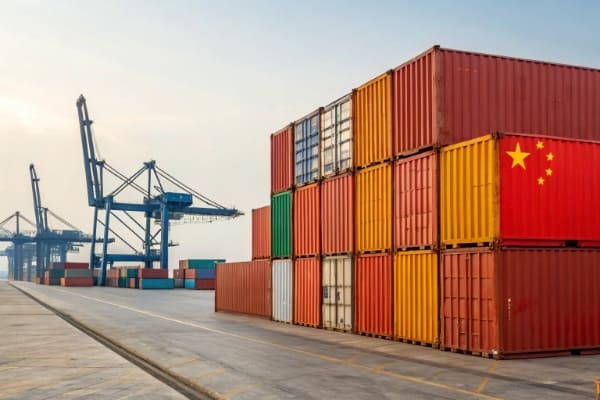
Facing costly delays shipping from China to Australia1? Unforeseen problems can ruin your profits. We can help you navigate the common pitfalls for smoother, faster delivery.
Common mistakes include choosing the wrong freight forwarder2, letting suppliers handle shipping without oversight, using incorrect HS codes3, inadequate packaging4, and misunderstanding Incoterms5. These errors lead to customs delays6, unexpected fees, and damaged goods, hurting your business's bottom line and reputation.
I've seen many businesses struggle with these issues firsthand. It's frustrating when a shipment that should be straightforward turns into a logistical nightmare. But understanding these mistakes is the first step to avoiding them. Let's break down each problem so you can protect your next shipment and keep your business running smoothly.
Why do importers choose the wrong freight forwarder2 for Australia?
Lured by a cheap quote but hit with delays and extra fees? Choosing the wrong forwarder is a common trap. A reliable partner is key to your success.
Importers often choose the wrong forwarder by focusing only on the lowest price. They neglect to check the forwarder's experience with the Australia route, their communication7 skills, and whether their quote includes all potential fees. This leads to poor service, delays, and unexpected costs.
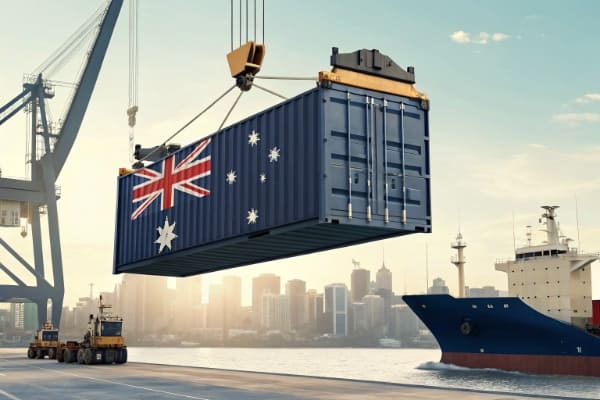
I once had a client, let's call him Mark, who was importing a container of branded drinkware to Sydney. He found a forwarder online offering a price that seemed too good to be true. It was. The initial quote didn't include Australian port charges, customs clearance fees, or quarantine inspection8 costs. His "cheap" shipment ended up costing him 30% more than he budgeted. This experience taught me that the cheapest quote is rarely the best. You need to look deeper.
Vetting Your Freight Forwarder
Choosing a partner for your logistics9 is a serious decision. You need someone who understands the specific challenges of the China-Australia trade lane. Ask them direct questions. How many shipments do you handle to Australia each month? Do you have your own office or a trusted agent in major Australian ports like Sydney, Melbourne, and Brisbane? A good forwarder will have clear, confident answers. They should also be able to explain Australian biosecurity requirements10 and how they handle potential quarantine issues.
Price vs. Value
The lowest price often means something is missing. A valuable forwarder provides a transparent, all-inclusive quote. They act as a partner, not just a service provider. They communicate proactively and help you solve problems before they start. A cheap forwarder disappears when things go wrong.
Here is a simple table to show the difference:
| Feature | Unreliable Forwarder | Reliable Forwarder |
|---|---|---|
| Quoting | Low initial price, many hidden fees11 | Transparent, all-inclusive (DDP12) pricing |
| Communication | Slow to respond, no updates | Proactive updates, single point of contact |
| Expertise | General knowledge, no specialization | Deep knowledge of Australian customs & biosecurity |
| Problem Solving | Blames others, hard to reach | Takes ownership, provides solutions quickly |
Always choose value over a low-ball price. A good partner saves you money in the long run by preventing costly delays and mistakes.
Is it safe to let suppliers handle shipping from China?
Your supplier offered to handle shipping. It seems easy, but do you lose control? Hidden risks can cost you dearly if you don't manage the process yourself.
It's generally unsafe to let suppliers handle shipping without your involvement. While convenient, they often choose the cheapest, not the most reliable, option. This can lead to delays, poor communication7, hidden costs passed on to you, and no control over your own supply chain13.
I've learned this lesson the hard way. Early in my career, I let a factory manage shipping for a client's order of custom bags. The supplier quoted a CIF14 (Cost, Insurance, and Freight) price to Melbourne. It seemed simple enough. But when the goods arrived, my client was hit with a huge bill for terminal handling, documentation, and other "local charges." The supplier's chosen forwarder charged outrageous fees at the destination because they knew we had no other choice but to pay to get our cargo. We lost control, and it cost us.
Understanding Your Supplier's Priorities
A manufacturer's main job is to make products. Logistics is not their specialty. Their goal is to get the product off their factory floor as cheaply as possible. They will search for the forwarder with the lowest price, not the one with the best service or fastest transit time. This means your shipment might be put on a slow vessel that makes multiple stops, or handled by a forwarder with poor communication7. You have no visibility or control over the process. If there's a problem, you're the last to know.
The Hidden Dangers of CIF14/CFR Shipping
When your supplier arranges shipping under terms like CIF14 or CFR, they control the entire process up to the destination port. However, your responsibility (and costs) begin once the goods arrive. The forwarder they chose has no relationship with you. Their only goal is to make money from the destination charges15, which are often not disclosed upfront. By managing your own shipping with an FOB16 (Free On Board) term and your own trusted forwarder, you control the cost, the timeline, and the communication7 from start to finish. You get transparency and avoid nasty surprises.
Shocked by a final shipping bill much higher than the quote? Hidden fees are a common problem. Understanding them upfront protects your budget and your profit margins.
Hidden fees often include destination terminal handling charges (THC), documentation fees, customs clearance charges, and quarantine inspection8 fees. These are often excluded from initial cheap quotes but are mandatory costs you must pay upon arrival in Australia, inflating your total landed cost significantly.
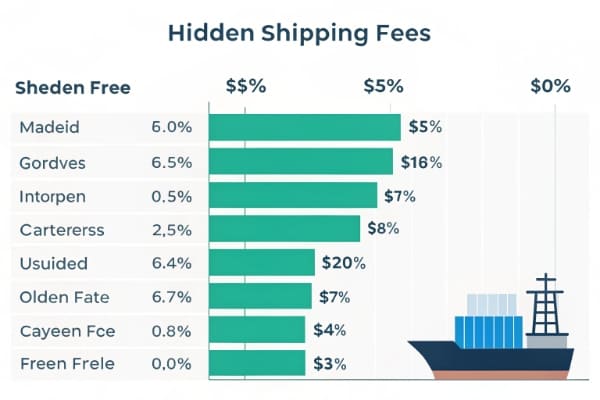
I always tell my clients to be careful with quotes that look too cheap. A few years ago, an importer came to us after getting a very low sea freight quote from another company. The quote was for $500 for a small LCL shipment. He was thrilled. But when his goods arrived in Fremantle, the final invoice was over $1,200. The forwarder had added charges for everything: port security, bill of lading release, customs processing, and even a "fuel adjustment surcharge" that wasn't mentioned before. These unexpected costs completely destroyed his profit margin on that order.
Common Hidden Fees to Watch For
Hidden fees are most common with sea freight, especially when you don't use a trusted DDP12 (Delivered Duty Paid) service. These charges are added at the destination port, and you have no power to negotiate them. You have to pay them to get your goods released.
Here are some common hidden fees11 you might see:
| Fee Type | Description |
|---|---|
| Destination THC | Terminal Handling Charge at the Australian port. |
| Documentation Fee | Fee for processing and releasing the Bill of Lading. |
| Port Security Fee | A charge levied by the port authority for security measures. |
| Customs Clearance | The fee for the broker to process your import declaration. |
| Quarantine Fees | Charges for inspection if your shipment is flagged by biosecurity. |
| Unpacking Fee | Cost to unpack your LCL shipment at the destination warehouse. |
How to Get a Transparent Quote
The best way to avoid hidden fees11 is to ask for a full, all-inclusive DDP12 quote from your freight forwarder2. A DDP12 quote should cover all costs from the factory in China to your door in Australia, including shipping, insurance, duties, GST, and customs clearance. This gives you a clear, final landed cost. A trustworthy partner like us will always provide a detailed breakdown so you know exactly what you are paying for. It might not be the "cheapest" initial quote, but it will be the most honest and accurate one.
Why is comparing multiple freight forwarder2s essential?
Sticking with one forwarder without shopping around? You could be overpaying or missing better service. Comparing options is crucial for optimizing your supply chain13 and costs.
Comparing multiple freight forwarder2s is essential to benchmark costs, service levels, and transit times17. It helps you identify hidden fees11, find partners with specific expertise for Australia, and avoid getting locked into an uncompetitive arrangement. This simple step protects your budget and improves reliability.

When I first started in this business, I made the mistake of relying on a single freight forwarder2 for all my shipments. It was easy and convenient. But over time, I realized their service was getting slower and their prices were creeping up. I decided to get quotes from two other companies for the same shipment. I was shocked. One forwarder offered a similar price but with a transit time that was a week faster. The other had a slightly higher price but included DDP12 service with all customs fees, saving me a lot of hassle. By comparing, I found a better, faster, and more transparent solution.
What to Compare Beyond the Price Tag
Price is important, but it's only one piece of the puzzle. A cheap price is worthless if your goods arrive late or damaged. When you compare forwarders, create a checklist to evaluate them properly. Look at the estimated transit time—how long will it take to get from the port in China to your door in Australia? Check what services are included. Does the quote include customs clearance, duties and taxes, and cargo insurance? Also, evaluate their communication7. During the quoting process, were they fast to respond? Did they answer your questions clearly? This is a good indicator of the service you will receive when your shipment is in transit.
The Value of a Long-Term Partner
While it's important to compare quotes, especially when you're starting out, the goal is to find a reliable long-term partner. A partner who understands your business, your products, and your needs will become an extension of your own team. They can offer advice, help you optimize your logistics9, and proactively manage your shipments. We work to become that partner for our clients. We build trust through transparency and consistent performance, so you don't have to shop around for every shipment. You have peace of mind knowing your logistics9 are in good hands.
How can poor logistics9 communication7 cause delays?
Is your shipment stuck with no updates? Poor communication7 creates chaos and uncertainty. Clear, proactive updates are the backbone of a smooth supply chain13 operation.
Poor communication7 causes delays by creating misunderstandings about pickup dates, documentation requirements, and delivery schedules. When your supplier and forwarder don't talk, bookings are missed, paperwork is late, and you are left in the dark, unable to solve problems before they escalate.
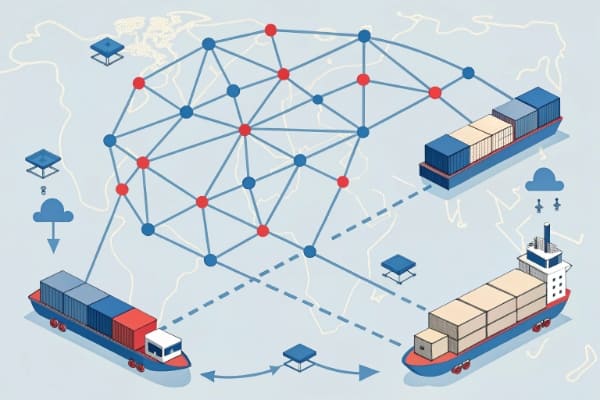
I remember a frustrating situation with a shipment of tech accessories for a corporate event in Brisbane. The production was finished, but the supplier didn't tell the freight forwarder2 that the cargo was ready. The forwarder, in turn, didn't follow up. The cargo sat in the factory warehouse for a full week. By the time we discovered the issue, the original vessel had sailed. We had to pay extra for a faster, more expensive shipping service to make the event deadline. This costly delay was caused by one simple thing: a lack of communication7.
The Communication Triangle: You, Your Supplier, and Your Forwarder
When you manage a shipment from China, there are at least three key parties involved: you (the importer), your product supplier, and your freight forwarder2. For a shipment to go smoothly, all three must be perfectly in sync. The supplier needs to inform the forwarder exactly when the goods will be ready for pickup. The forwarder needs to book space on a vessel or aircraft and confirm the schedule. You need to be updated on the progress. If any one of these communication7 links breaks down, the entire process can fall apart. Bookings are missed, documents aren't prepared on time, and your shipment gets delayed.
Why a Single Point of Contact Is Better
Trying to manage communication7 between a factory in China and a freight forwarder2 from the other side of the world is difficult. Time zones, language barriers, and cultural differences can lead to misunderstandings. This is why working with a sourcing partner18 like us, who is on the ground in China, is so effective. We act as your single point of contact. We coordinate directly with the factory and the forwarder, making sure everyone is on the same page. We chase up the factory for the cargo-ready date and push the forwarder to make the booking. This eliminates communication7 gaps and ensures your shipment stays on track.
What should you do if your shipment gets stuck in customs?
Your shipment is stuck in Australian customs, and the clock is ticking. Panic sets in, but you need a clear plan. Acting fast with the right information is key.
If your shipment is stuck, immediately contact your freight forwarder2 or customs broker19. They can identify the specific reason, which is often incorrect HS codes3, missing paperwork, or a biosecurity flag. You must provide the required information or payment quickly to avoid further delays and fees.
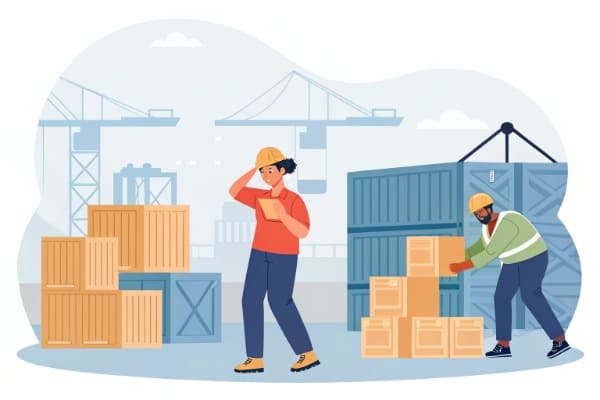
A few years back, a client's first shipment of wooden toys to Australia got held by customs. He panicked, thinking he would lose the entire shipment. He called me, and we immediately contacted our customs broker19 in Australia. The issue was simple: the shipment was missing a fumigation certificate for the wooden products, which is a strict requirement for Australian biosecurity. We quickly worked with the supplier to get the proper certificate issued and sent to the broker. The shipment was delayed by three days and incurred a small storage fee, but it was released. The key was acting fast and knowing who to call.
Common Reasons for Customs Holds in Australia
The Australian Border Force (ABF) and the Department of Agriculture, Water and the Environment are very strict. Your shipment can be held for several reasons. Having the wrong HS code on your declaration can trigger an inspection. Incomplete or inaccurate commercial invoices can also cause delays. But the biggest issue is often biosecurity. Australia has strict rules to protect its environment from foreign pests and diseases. Any shipment containing wood, plant material, or soil can be flagged for inspection.
Your Action Plan for a Customs Delay
If you get a notice that your shipment is on hold, don't panic. Follow these steps:
- Contact Your Forwarder Immediately: They are your representative on the ground and can talk directly to customs.
- Identify the Exact Problem: Ask them for the specific reason for the hold. Is it a documentation error, a biosecurity flag, or a random inspection?
- Provide Information Quickly: If customs needs more documents or clarification, provide it right away. Delays will lead to storage fees.
- Pay Any Required Fees: If there are duties, taxes, or inspection fees due, pay them promptly to get your goods released.
Here’s a quick guide to common issues:
| Issue | Solution |
|---|---|
| Incorrect HS Code | Work with your broker to classify the product correctly. |
| Missing Documents | Provide the missing invoice, packing list, or certificates. |
| Biosecurity Flag (e.g., wood) | Provide fumigation or treatment certificates. Comply with inspection. |
| Valuation Dispute | Provide proof of payment to confirm the value of the goods. |
Being prepared with the right paperwork from the start is the best way to avoid these problems altogether.
Conclusion
Avoiding shipping mistakes from China to Australia requires careful planning and a reliable partner. Proactive management of forwarders, documentation, and communication ensures your goods arrive safely and on time.
Exploring best practices can help streamline your shipping process and avoid common pitfalls. ↩
Understanding the right criteria for selecting a freight forwarder can save you from costly delays and hidden fees. ↩
Using the correct HS codes is crucial for smooth customs clearance and avoiding unexpected fees. ↩
Proper packaging can prevent damage and ensure your goods arrive safely and on time. ↩
Understanding Incoterms is essential for clarifying responsibilities and costs in shipping agreements. ↩
Identifying the causes of customs delays can help you prepare and avoid them in the future. ↩
Recognizing the importance of communication can help you avoid delays and misunderstandings. ↩
Knowing about quarantine inspections can help you prepare your shipment and avoid unexpected costs. ↩
Exploring logistics management can help you optimize your supply chain and reduce costs. ↩
Familiarizing yourself with biosecurity requirements can help you avoid costly delays and compliance issues. ↩
Being aware of hidden fees can help you budget accurately and avoid surprises upon delivery. ↩
Understanding DDP can help you secure a transparent and all-inclusive shipping quote. ↩
Optimizing your supply chain can lead to cost savings and improved efficiency in your operations. ↩
Understanding CIF can help you make informed decisions about shipping terms and costs. ↩
Knowing about destination charges can help you prepare for additional costs upon delivery. ↩
Learning about FOB can give you more control over your shipping process and costs. ↩
Comparing transit times can help you choose a forwarder that meets your delivery deadlines. ↩
Finding the right sourcing partner can enhance your shipping experience and provide valuable support. ↩
Understanding the role of a customs broker can help you navigate customs processes more effectively. ↩