

Shipping from China feels complicated and expensive. Delays and hidden costs can ruin your profit margins. But what if you knew the cheapest and fastest methods to use?
The cheapest way is sea freight1 for large volumes. The fastest is air freight2 for urgent goods. Combining these with the right freight forwarder3 ensures optimal cost and speed for shipping your products from China to Australia, avoiding common pitfalls and saving you money.
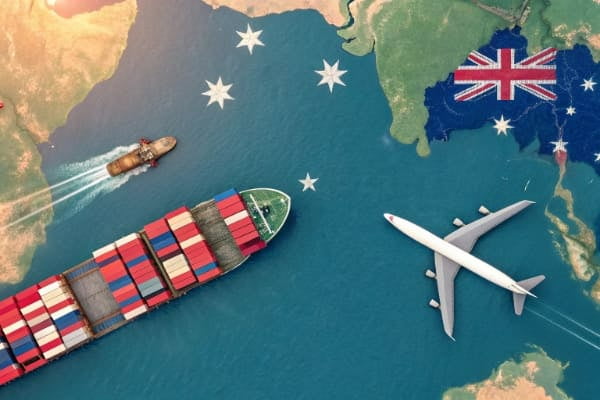
Navigating international shipping can feel like a maze. You want your products to arrive on time and on budget, but figuring out the best way can be tough. I've helped countless clients like you find the perfect balance between cost and speed. Let's break down everything you need to know to make your next shipment from China to Australia a complete success.
How Much Does Shipping from China to Australia Cost?
Unpredictable shipping costs4 are eating into your profits. You get a quote, but then hidden fees seem to pop up everywhere. Let's uncover the real costs you should expect.
Shipping costs vary based on method, weight, and volume. Sea freight is cheapest, from a few hundred dollars for Less-than-Container-Load (LCL)5 to several thousand for a Full Container Load (FCL)6. Air freight is more expensive, often priced per kilogram. Always get a detailed quote that includes all potential fees.
The final price on your shipping invoice depends on several moving parts. The first major choice is between sea and air freight2. Sea freight has a much lower base cost, making it ideal for bulky goods. Air freight is significantly more expensive but gets your products to you quickly. Carriers calculate charges based on "chargeable weight7," which is the greater of the actual weight or the volumetric weight of your shipment. This is why light but large items can be surprisingly costly to ship by air. Another huge factor is the Incoterm you agree on with your supplier. For example, a DDP (Delivered Duty Paid) price includes all costs to your door, including customs and taxes. A FOB (Free on Board) price only covers getting the goods to the port in China, leaving you responsible for everything else. Understanding this difference is critical for accurate budgeting.
| Factor | Sea Freight (LCL) | Air Freight |
|---|---|---|
| Best For | Bulk goods, non-urgent shipments | Small, high-value, or urgent items |
| Cost Basis | Per Cubic Meter (CBM) | Per Kilogram (kg) |
| Typical Cost | Lower | Higher |
| Common Fees | Port charges, customs duty, GST | Fuel surcharges, security fees, GST |
How Long Does Shipping from China to Australia Take?
Your inventory is stuck in transit, causing stockouts8. Customers are waiting, and you can't give them a clear delivery date. Here's a realistic timeline for your shipments.
Sea freight from China to Australia takes about 12 to 33 days, port-to-port. Air freight is much faster, taking around 3 to 8 days. These times don't include customs clearance9 or local delivery, which can add several more days to the total journey.
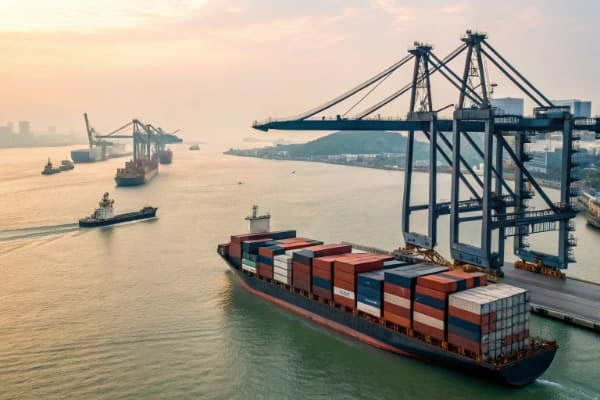
It's important to understand the difference between port-to-port and door-to-door transit time. The shipping time you see advertised is often just for the ocean or air journey itself. The total time from the factory in China to your warehouse in Australia is longer. For sea freight1, a Full Container Load (FCL)6 is generally quicker than a Less-than-Container-Load (LCL)5 shipment. This is because LCL shipments need extra time for consolidation at the origin port and deconsolidation at the destination port, which can add a week or more to the total time. Air freight is the clear winner for speed, but this speed comes at a premium. The time it takes for customs clearance9, trucking from the factory to the port, and final delivery all need to be factored into your schedule.
Here are some typical port-to-port sea freight1 transit times:
| From (China Port) | To (Australia Port) | Estimated Transit Time |
|---|---|---|
| Shanghai | Sydney | 12-20 days |
| Shenzhen | Melbourne | 14-25 days |
| Ningbo | Brisbane | 15-28 days |
| Guangzhou | Perth | 20-33 days |
At Toncentlink, we help you map out the entire timeline, from production finishing to final delivery, so you have a realistic arrival date.
Which Shipping Method Is Best for Your Shipment?
Choosing the wrong shipping method costs you time and money. You paid for air freight2 but didn't need it, or your sea shipment arrived too late for a key deadline. Let's find the perfect method for your specific needs.
Choose sea freight1 for large, heavy, or non-urgent goods to save money. Use air freight2 for small, lightweight, high-value, or time-sensitive items. For shipments under a full container, LCL sea freight1 is a great cost-effective middle ground.
The right choice really depends on your priorities: cost, speed, or a balance of both. I always walk my clients through a few key questions to decide.
First, how much volume do you have? If you have enough goods to fill a 20ft or 40ft container (roughly 30 CBM or more), FCL sea freight1 is almost always the most cost-effective option. If your shipment is smaller, say between 2 and 15 CBM, then LCL sea freight1 is a great way to get the low per-unit cost of sea shipping without paying for a full container.
Second, how urgent is your shipment? If you have a tight deadline for a trade show, a product launch, or an Amazon FBA restock, air freight2 is your best bet. The higher cost is often justified by avoiding stockouts8 or missing opportunities. It's also a good choice for high-value items like electronics, as it reduces transit time and potential risk. I once had a client with a big event giveaway. They initially chose LCL to save money, but we calculated the timeline and saw it was too tight. We switched to shipping a small number of urgent items by air and sent the rest by sea. This hybrid approach saved their event and their budget.
Why Are Shipments from China to Australia Delayed?
Your shipment is delayed, and you don't know why. This uncertainty disrupts your business planning and frustrates your customers. Let's look at the common causes of delays and how to avoid them.
Shipments are often delayed by port congestion10, bad weather, or customs inspections11. Incorrect paperwork is a major, preventable cause. Other factors include Chinese holidays like Chinese New Year, which can shut down factories and ports for weeks, causing significant backlogs.
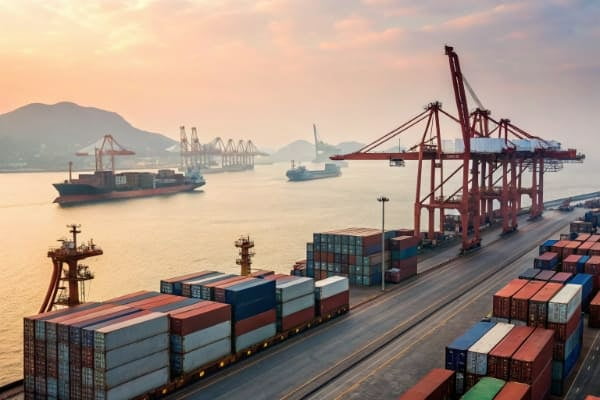
Delays are frustrating, but many are predictable and can be managed. The most common delay I see comes from problems with paperwork. A simple mistake on the commercial invoice, an incorrect HS code, or a missing packing list can trigger a customs inspection by the Australian Border Force (ABF), holding up your shipment for days or even weeks. This is the easiest problem to prevent with careful preparation.
Port and carrier issues are another major factor. During peak shipping seasons, ports in both China and Australia can become congested. Sometimes, there isn't enough space on a vessel, and your cargo gets "rolled"—bumped to the next sailing. This can add a week or more to your transit time. External factors also play a big role. Typhoons in the South China Sea can halt sailings, and major Chinese holidays like Chinese New Year (usually in Jan/Feb) and Golden Week (early Oct) cause massive disruptions. Factories and logistics providers shut down, creating huge backlogs before and after. I always advise my clients to place orders and schedule shipments well in advance of these holidays. Working with a partner like us means we verify all paperwork and proactively manage schedules to navigate these potential bottlenecks.
How to Prepare Your Shipment for Faster and Cheaper Delivery?
You want to optimize your shipping but don't know where to start. Small mistakes are leading to big costs and long waits. Follow these simple steps for a smoother process.
Ensure all your paperwork is accurate and complete. Pack your goods securely to prevent damage and optimize space. Choose the right Incoterms12, like DDP, to avoid surprise costs. Finally, work with a reliable freight forwarder3 who can manage the entire process for you.
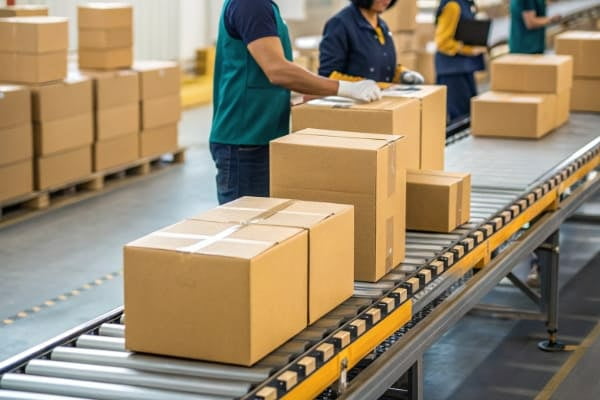
A little preparation goes a long way in making your shipping process faster and cheaper. The single most important thing you can do is get your documentation right. Your commercial invoice, packing list, and Bill of Lading must be 100% accurate and consistent. For any shipment with a value over AUD 1,000, you will need to file an import declaration, and your goods will be subject to a 10% Goods and Services Tax (GST)13. Getting this right prevents customs delays.
Next, focus on packaging14. Use strong, high-quality cartons and pack them efficiently to prevent damage and maximize space. This is especially important for LCL shipments, where your boxes will be handled multiple times. Clear labeling with shipping marks15 on every carton is also essential for a smooth journey. Before you ship, double-check Australian regulations to ensure your products aren't prohibited or restricted. Things like certain foods, plants, or wooden items may require special permits or treatment. A good freight forwarder3 or sourcing partner16 like Toncentlink can handle all of this for you. We manage everything from document verification to consolidation and final delivery, turning a complex process into a simple, single-step solution.
Conclusion
Finding the best shipping method involves balancing cost, speed, and reliability. By planning ahead, preparing correctly, and working with the right partner, you can ensure your goods arrive smoothly.
Explore this resource to understand sea freight, the most cost-effective shipping method for large volumes. ↩
Learn about air freight's advantages, especially for urgent shipments, and how it can save you time. ↩
Discover tips on selecting a reliable freight forwarder to optimize your shipping process. ↩
This resource breaks down the various factors influencing shipping costs, helping you budget effectively. ↩
Understand LCL shipping, a cost-effective option for smaller shipments, and its benefits. ↩
Learn about FCL shipping, ideal for large shipments, and how it can save you money. ↩
Learn about chargeable weight and how it affects your shipping costs. ↩
Learn strategies to prevent stockouts and ensure timely product availability. ↩
Explore customs clearance processes to avoid delays and ensure smooth shipping. ↩
Discover how port congestion impacts shipping timelines and what you can do about it. ↩
Learn how to prepare for customs inspections to avoid unnecessary delays. ↩
Understand Incoterms to avoid hidden costs and ensure clarity in shipping agreements. ↩
Understand GST implications for your shipments to avoid unexpected costs. ↩
Get tips on effective packaging to prevent damage and optimize shipping costs. ↩
Learn about the importance of shipping marks for efficient handling and delivery. ↩
Discover how a sourcing partner can simplify your shipping process and ensure compliance. ↩