
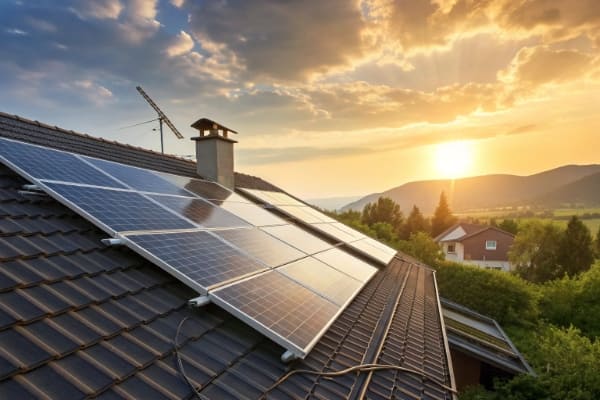
Worried about rising electricity bills1 and your carbon footprint? Grid power is expensive and pollutes. Solar energy offers a clean, cost-effective alternative for your home or business.
The biggest advantages of solar energy2 are reduced electricity bills1, lower carbon emissions3, and energy independence4. However, the main disadvantages include high upfront installation costs5 and reliance on sunlight, which varies with weather and location.

Solar power seems like a perfect solution, but it's not that simple. I remember when I first looked into it, the mix of benefits and drawbacks was confusing. To really understand if it's right for you, we need to break it down piece by piece. Let's start with the basics and explore both sides of the story.
What Is Solar Energy and How Does It Work?
Curious about how sunlight becomes electricity? The science can seem complex and intimidating. Here’s a simple breakdown of how solar panels power your home or business.
Solar energy works by using photovoltaic (PV) panels6 to convert sunlight directly into electricity. These panels contain cells that create an electric field. When sunlight hits these cells, it frees electrons, generating a direct current (DC) which is then converted to usable alternating current (AC).
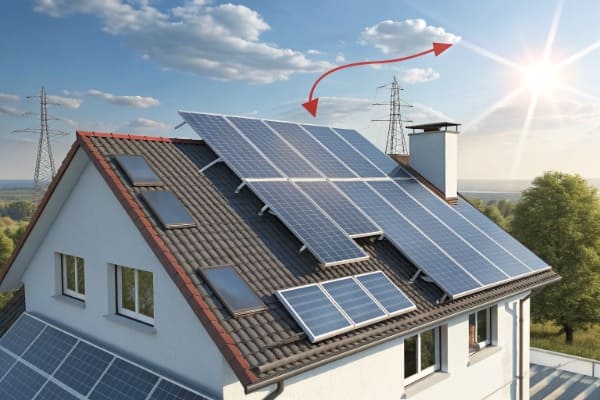
Let's look closer at the process. It all starts with the solar panels on your roof or land. These panels are made up of many smaller units called photovoltaic cells. When photons from sunlight strike these cells, they knock electrons loose from their atoms. This movement of electrons creates a direct current (DC) of electricity. But most homes and businesses use alternating current (AC). That's where the inverter7 comes in. It's a crucial box that takes the DC electricity from the panels and converts it into AC electricity. From there, the power flows into your home's electrical panel to run your lights and appliances.
The Journey of Solar Power
Here’s the simple path from sun to socket:
- Sunlight Hits Panels: Photons strike the photovoltaic cells.
- DC Electricity is Created: Electrons start moving, generating DC power.
- Inverter Converts Power: The inverter7 changes DC electricity to AC electricity.
- Power Your Home: The AC electricity is sent to your breaker box for use.
- Excess to the Grid: Any extra power can be sent back to the utility grid, often for a credit.
This system is incredibly scalable. You can install a small system for a home or create massive solar farms8 for entire cities. Modern panels are also more efficient than ever, with many commercial models converting over 22% of sunlight into energy.
What Are the Biggest Advantages of Solar Energy?
Thinking about switching to solar but not sure if it’s worth the effort? The benefits go far beyond just saving a little money. Let's explore the biggest advantages.
The key advantages are significant long-term savings9 on electricity bills1, a drastic reduction in your carbon footprint, and increased energy independence4 from utility companies. Solar power also boosts property value and supports job growth in the renewable energy sector10, making it a powerful investment.
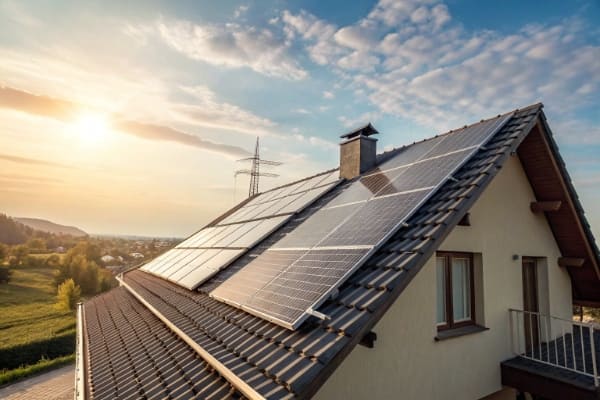
The benefits of going solar are multi-faceted and impact your wallet, the environment, and even the economy. The most immediate attraction for many is financial. Once the system is paid for, the electricity it generates is essentially free, leading to decades of savings. Then there's the environmental angle. Solar energy is clean. During operation, it produces zero greenhouse gases, directly fighting climate change.
I also value the independence it offers. You are less vulnerable to the rising costs and potential outages of the traditional power grid. This energy security is a huge plus. On a larger scale, the growth of solar power11 creates jobs in manufacturing, installation, and maintenance, boosting local economies.
Key Advantages at a Glance
| Advantage | Description |
|---|---|
| Cost Savings | Dramatically reduces or eliminates electricity bills1 over the system's lifespan. |
| Eco-Friendly | Produces no greenhouse gas emissions, reducing your carbon footprint. |
| Energy Independence | Less reliance on utility companies and protection from rising energy prices. |
| Increased Property Value | Homes with solar panels often sell faster and at a higher price. |
| Job Creation | Supports a rapidly growing industry with jobs in manufacturing and installation. |
These combined benefits make solar a compelling choice for homeowners and businesses alike.
How Does Solar Energy Reduce Electricity Costs?
Everyone says solar saves you money, but how does it actually work? It's more than just free power. Let's break down the financial mechanics of solar savings.
Solar panels reduce electricity costs by generating free power for your home. This lowers the amount of energy you need to buy from the utility company. Many regions also offer net metering12, which credits you for any excess energy you send back to the grid.
The cost reduction from solar energy2 happens in a few ways. First and foremost is self-consumption. During the day, your solar panels produce electricity. Your home uses this power first before drawing anything from the grid. Since this solar-generated power is free, every kilowatt-hour you use is one you don't have to pay your utility company for.
What happens when you produce more power than you use, like on a sunny afternoon? This is where net metering12 comes in. Your excess electricity flows back into the grid, and the utility company gives you a credit for it. This credit can then offset the cost of any electricity you need to draw from the grid at night or on cloudy days.
Your Financial Path with Solar
- Initial Investment: The upfront cost to purchase and install the system.
- Incentives & Credits: Government tax credits and local rebates can significantly lower this initial cost.
- Payback Period: The time it takes for your electricity savings to equal the initial investment, typically 7-10 years.
- Long-Term Profit: After the payback period, the electricity your system generates is pure savings for the remainder of its 25-30 year lifespan.
This long-term return on investment is what makes solar a smart financial decision, not just an environmental one.
What Are the Environmental Benefits of Solar Power?
You want to reduce your environmental impact, but it's hard to know what really helps. Choosing solar energy2 is one of the most effective actions you can take.
The primary environmental benefit of solar power11 is that it generates electricity with zero greenhouse gas emissions. This helps combat climate change, reduces air pollution, and lessens our dependence on finite fossil fuels like coal and natural gas, preserving natural resources for future generations.
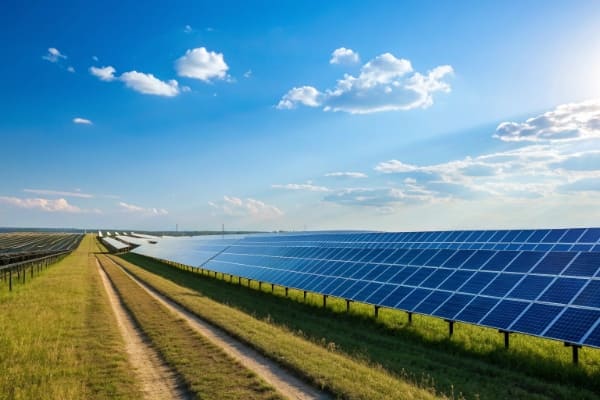
When we talk about environmental benefits13, the biggest one is clear: solar panels don't burn anything to make power. Once installed, they produce electricity without releasing any harmful greenhouse gases like carbon dioxide (CO2). This directly contrasts with traditional power plants that burn fossil fuels, which are a primary driver of global warming.
Beyond climate change, solar power11 also helps reduce air pollution. Fossil fuel plants release pollutants like sulfur dioxide and nitrogen oxides, which contribute to smog and acid rain. By switching to solar, we improve public health. It also conserves water. Traditional power plants use massive amounts of water for cooling, while solar panels require virtually none to operate.
Environmental Impact: Solar vs. Fossil Fuels
| Feature | Solar Power | Fossil Fuels |
|---|---|---|
| Greenhouse Gases | Zero during operation | High (CO2, Methane) |
| Air Pollutants | None | High (SOx, NOx) |
| Water Usage | Minimal (for cleaning) | Very High (for cooling) |
| Resource Type | Renewable (sunlight) | Finite (coal, gas) |
Every home that goes solar is a small step toward a cleaner, more sustainable energy system for everyone. It's a tangible way to contribute to a healthier planet.
What Are the Main Disadvantages of Solar Energy?
Solar sounds great, but what's the catch? It's important to be realistic about the challenges. Let's honestly examine the main disadvantages before you make a decision.
The main disadvantages are the high initial cost of installation, its dependence on sunlight (making it intermittent14), and the large amount of space required for the panels. Additionally, the manufacturing and disposal of panels have their own environmental concerns that need to be managed.
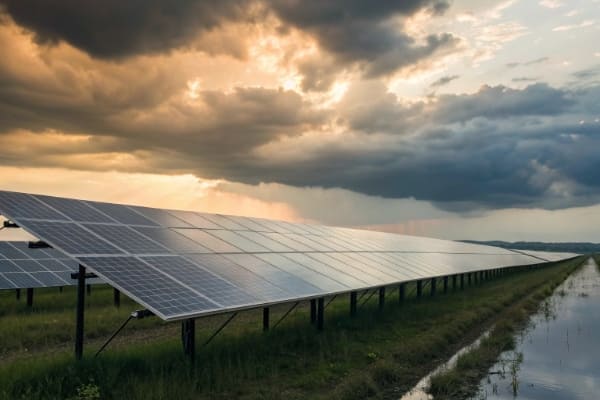
No technology is perfect, and solar has its share of drawbacks. The most significant hurdle for most people is the upfront cost. Beyond cost, the most fundamental limitation is that solar panels only work when the sun is shining. This is called intermittency. They don't produce power at night, and production drops significantly on cloudy or rainy days. This means you still need a connection to the grid or a home battery system15 for consistent power.
Another practical issue is space. Solar panels require a large, unshaded area, usually a roof. If your roof is small, facing the wrong direction, or covered by trees, it might not be suitable. Ground-mounted systems are an option, but they require a lot of yard space. Finally, while solar is clean during operation, the manufacturing of panels is energy-intensive, and questions remain about how to best recycle them at the end of their 25-30 year lifespan. These are important, real-world challenges to consider.
Why Are Solar Panels Still Expensive for Many Homes?
You've heard solar prices are dropping, but the quotes still seem high. Why is the initial investment so substantial? Let's break down the costs involved in a system.
Solar panels are expensive for many because the total price includes more than just the panels. It covers the inverter7, mounting hardware, wiring, professional installation labor, and permitting fees. While panel prices have fallen, these "soft costs" make up a large portion of the final bill.
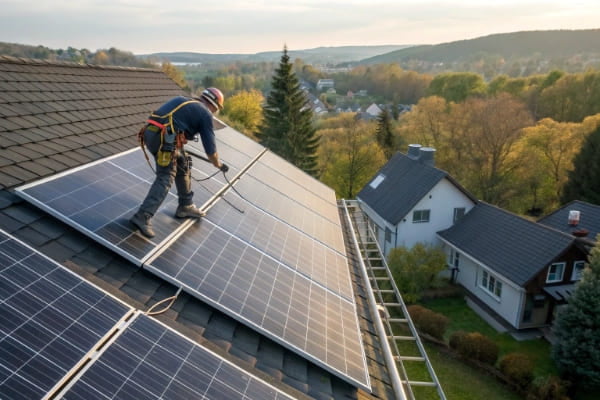
The high upfront cost of solar is the biggest barrier to adoption. While the price of the actual solar panels has decreased dramatically over the last decade, they are only one part of the total system cost. A significant portion of the price comes from other components and services.
I remember being surprised by this when I first got a quote. The costs add up quickly. You have the inverter7, which converts the electricity. You have the mounting racks that attach the panels to your roof. Then there is all the wiring, conduits, and circuit breakers.
Breakdown of a Typical Solar Installation Cost
| Cost Component | Percentage of Total (Approx.) |
|---|---|
| Solar Panels | 25% |
| Inverter | 10% |
| Installation Labor | 15% |
| Permitting & Inspection | 10% |
| Other Hardware & "Soft Costs" | 40% |
These "soft costs," which include things like system design, sales commissions, and administrative fees, haven't fallen as fast as panel prices. So, while the technology is cheaper, the process of getting it on your roof remains a major investment. It's more like buying a car than paying a utility bill.
Does Solar Energy Work in Cloudy or Cold Climates?
Think you need constant, bright sunshine for solar to be effective? Many people in colder or cloudier regions assume solar panels won't work for them. Let's clear up this myth.
Yes, solar energy2 absolutely works in cloudy and cold climates. While direct sunlight is best, panels still generate significant power from indirect or diffused sunlight on overcast days. In fact, solar panels can even be more efficient in colder temperatures than in extreme heat.

A common misconception is that solar panels need heat to work. They don't. They work on light. In fact, excessive heat can slightly decrease a panel's efficiency. This means that on a bright, cold, sunny day, your panels can actually perform better than on a scorching hot day.
But what about clouds? While production does decrease on overcast days, it doesn't drop to zero. Modern panels are sensitive enough to capture diffused light that passes through clouds, often producing 10-25% of their normal output. This is more than enough to make a difference. Think about Germany, a global leader in solar energy2. It's a country known for its cloudy weather, not its sunny beaches. This proves that high solar capacity is achievable even without perfect sun. The key is to look at annual production, not just daily performance. Over the course of a year, even in a less sunny climate, a solar system can generate a massive amount of clean energy and deliver significant savings.
Is Solar Energy Worth It for Homeowners?
After considering all the pros and cons, the big question remains. Is making this huge investment in solar panels really worth it for an average homeowner like you?
For most homeowners in areas with decent sunlight and supportive policies like net metering12, solar energy2 is worth it as a long-term investment. The financial payback period is typically under 10 years, followed by 15-20 years of nearly free electricity and increased home value.

Deciding if solar is "worth it" is a personal calculation, but we can break it down. It's not just about wanting to be green; it has to make financial sense. For most people, it does, but you need to check a few boxes first. I always tell friends to think of it like this: you are prepaying for 25 years of electricity at a fixed, discounted rate.
The long-term savings9 are almost always there. The question is how quickly you'll see a return on your investment. This depends on a few key factors.
Your Solar "Worth It" Checklist
- How high are your current electricity bills1? The more you pay now, the more you'll save.
- How much sun does your roof get? It needs to be largely unshaded for most of the day.
- What local incentives are available? Tax credits and rebates can slash the upfront cost.
- Does your utility offer net metering? This is crucial for getting value from your excess power.
If you have high bills, a sunny roof, and good local policies, then yes, solar is very likely worth it. It’s a major home improvement project that pays for itself over time.
Conclusion
Solar energy offers major financial and environmental benefits but comes with high upfront costs and depends on sunlight. Your location and finances will determine if it's a wise investment.
Learn how solar energy can significantly lower your electricity bills and provide long-term savings. ↩
Explore the benefits of solar energy to understand how it can save you money and reduce your carbon footprint. ↩
Discover how solar energy contributes to a cleaner environment by reducing carbon emissions. ↩
Find out how solar energy can provide you with energy independence from utility companies. ↩
Understand the factors contributing to high upfront costs of solar panel installations. ↩
Learn about photovoltaic panels and their role in converting sunlight into electricity. ↩
Explore the crucial role of inverters in converting solar energy for home use. ↩
Learn about solar farms and their role in generating large-scale solar energy. ↩
Explore the long-term financial benefits of investing in solar panels. ↩
Learn about the renewable energy sector and its growth, particularly in solar energy. ↩
Understand the basics of solar power and its significance in energy production. ↩
Discover how net metering can benefit you by crediting excess solar energy back to the grid. ↩
Explore the environmental advantages of solar power and its impact on climate change. ↩
Understand the concept of intermittency in solar energy and its implications. ↩
Learn about home battery systems and how they complement solar energy installations. ↩