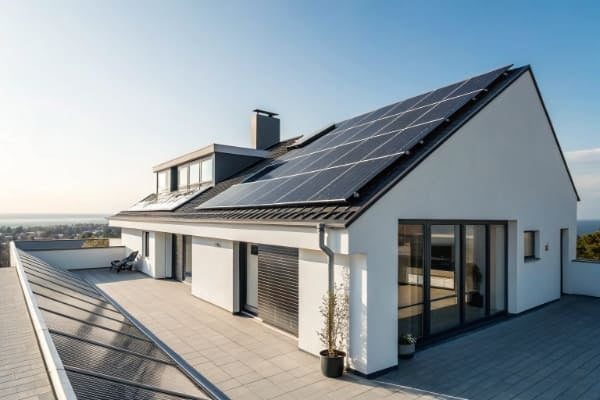
Worried about rising electricity bills and your carbon footprint? Solar energy offers a powerful solution, but it's important to understand both sides of the story before you invest.
Solar energy's main advantages are lower electricity bills1, reduced environmental impact2, and energy independence3. The primary disadvantages include high upfront installation costs4, reliance on sunlight5 for power generation, and the need for significant roof or land space6 for the panels.
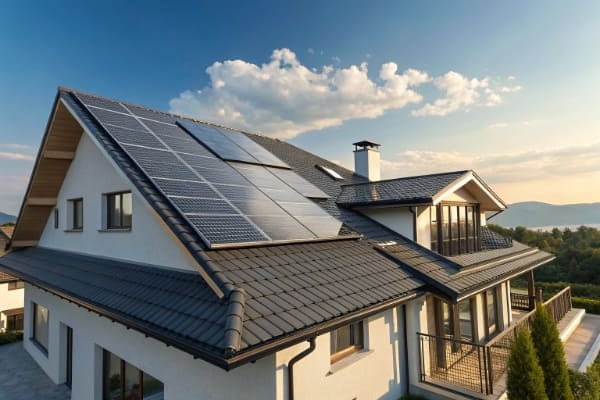
Making the switch to solar is a big decision. I've spent years helping clients navigate complex choices, and this is one of the most common topics. It’s not just about saving money; it’s about securing your energy future. Let’s break down what you really need to know, looking at the good, the bad, and the financial reality of going solar. This guide will walk you through everything, so you can decide if it's the right move for you.
What Are the Benefits of Solar Energy?
Are you tired of unpredictable and constantly rising energy bills? Solar power puts you back in control, offering a path to stable costs and significant long-term savings.
The key benefits of solar energy include substantial reductions in your monthly electricity bills, generating clean power that helps the environment, and potentially increasing your home's resale value. It also provides a valuable degree of energy independence3 from the traditional power grid.

When I first looked into solar, the financial savings7 were the biggest draw. The idea of producing my own power and watching my utility meter spin backward was incredibly appealing. Solar panels work for decades with very little upkeep. Once they are installed, they just sit on your roof and quietly generate power from the sun. This low maintenance8 requirement means you save time and money on repairs. Furthermore, the solar industry creates local jobs9 in manufacturing, installation, and maintenance. By choosing solar, you are not just helping your wallet and the planet; you are also supporting economic growth in your community. It’s a win-win situation that provides value on multiple levels.
Key Benefits of Solar Power
| Benefit | Description |
|---|---|
| Cost Savings | Drastically reduces or even eliminates your monthly electricity bill. |
| Environmental | Produces zero greenhouse gas emissions during operation. |
| Energy Independence | Reduces your reliance on utility companies and their price hikes. |
| Increased Home Value | Homes with solar systems often sell for more than those without. |
| Low Maintenance | Requires minimal upkeep after the initial installation. |
What Are the Drawbacks of Solar Energy?
Solar energy sounds fantastic, but you're right to be cautious about the potential downsides. It's a major investment, so it's crucial to understand the challenges before you commit.
The most significant drawbacks of solar energy are the high initial cost for panels and installation, its intermittent nature10 since it only generates power when the sun is shining, and the considerable space required for the panels.
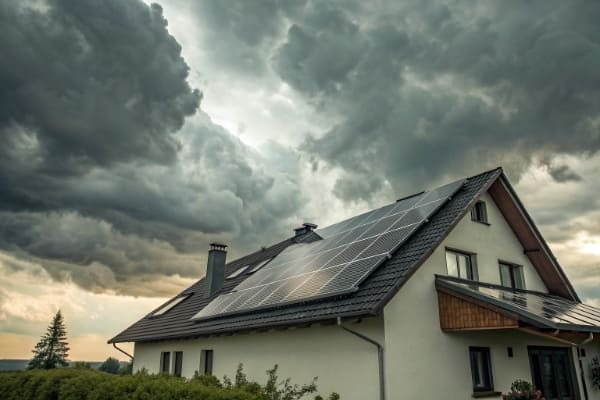
The upfront cost is often the biggest hurdle for people. A full home system can be a large expense, even with incentives. Another major factor is intermittency. Solar panels don't produce electricity at night, and their output drops significantly on cloudy or rainy days. This means you either need a reliable connection to the grid or invest in a battery storage system11, which adds to the overall cost. Finally, you need enough suitable space12. For most homes, this means a large, south-facing roof area that is free from shade. If your roof isn't right for panels, you might need a ground-mounted system, which takes up valuable yard space and can be more expensive to install.
Major Drawbacks to Consider
| Drawback | Description |
|---|---|
| High Upfront Cost | The initial investment for hardware and installation can be substantial. |
| Intermittency | Power generation depends on sunlight, so it's not available 24/7. |
| Space Requirements | Requires a significant amount of unshaded roof or land area. |
| Manufacturing Impact | Producing panels is energy-intensive and involves some hazardous materials. |
| Not for Every Roof | Some roofs are not suitable due to age, material, or orientation. |
How Does Solar Energy Work and Save You Money?
You see solar panels on roofs everywhere, but how do they actually turn sunlight into electricity? And more importantly, how does that process translate into real savings on your bills?
Solar panels use photovoltaic cells to convert sunlight directly into DC electricity. An inverter then changes this to AC electricity that your home can use. You save money by using this free solar power instead of buying expensive electricity from your utility company.
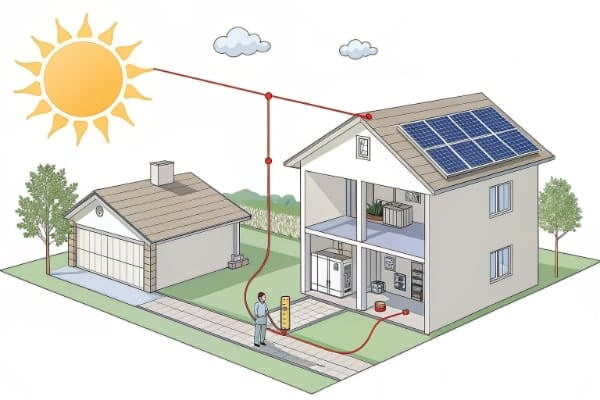
The process is surprisingly straightforward. First, photons from sunlight strike the solar panels on your roof, exciting electrons and creating a flow of direct current (DC) electricity. Since your home's appliances run on alternating current (AC), the DC electricity is sent to a device called an inverter. The inverter is the brain of the system; it converts the DC power into usable AC power. This AC power then flows into your home's electrical panel and powers everything from your lights to your refrigerator. If your system produces more electricity than you are using, the excess power is sent back to the utility grid. Through a program called net metering, your utility company gives you credits for that extra power, further lowering your future bills.
Simple Steps to Solar Savings
| Step | What Happens | How You Save |
|---|---|---|
| 1. Sunlight Hits Panels | Photovoltaic cells convert sunlight into DC electricity. | You are generating your own power source. |
| 2. Inverter Converts Power | The inverter changes the DC electricity into usable AC electricity. | The power is now ready for your home's appliances. |
| 3. Power Your Home | The AC electricity flows through your home's electrical panel. | You use free solar power instead of grid power. |
| 4. Excess to the Grid | Extra power you don't use is sent back to the utility grid. | You earn credits (net metering) that reduce your bill. |
What Are the Environmental Impacts of Solar Energy?
You've heard that solar is a "green" energy source, but you may also wonder about its hidden environmental costs. Is it truly as clean as it seems from start to finish?
During operation, solar energy is incredibly clean, producing zero emissions. However, the manufacturing of solar panels requires energy and rare materials. Despite this, its total lifecycle environmental impact is significantly lower than that of fossil fuels.
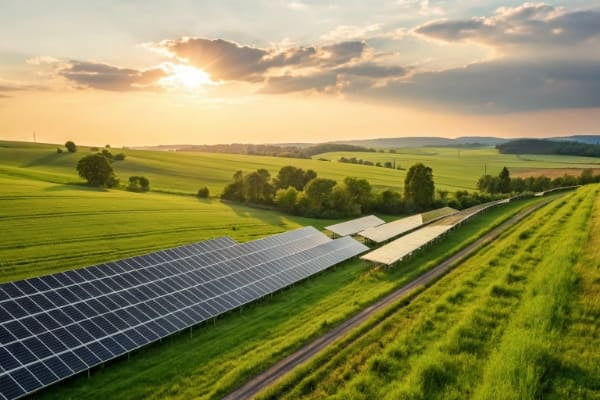
The biggest environmental win for solar power is what happens after it's installed. For its entire 25 to 30-year lifespan, a solar panel system generates electricity without releasing any greenhouse gases, air pollutants, or water contaminants. This directly helps combat climate change and improves local air quality. However, we have to look at the whole picture. The manufacturing process is energy-intensive and can involve certain chemicals that need to be handled carefully. Additionally, large-scale solar farms require a lot of land, which can impact local ecosystems. Finally, we must consider what happens to panels at the end of their life. While they are highly durable, developing efficient and widespread recycling programs13 is a key challenge the industry is actively working to solve.
Environmental Impact: Solar vs. Fossil Fuels
| Factor | Solar Energy | Fossil Fuels (Coal, Gas) |
|---|---|---|
| Air Pollution | None during operation. | Major source of smog, soot, and acid rain. |
| Greenhouse Gases | None during operation. | Largest source of CO2 emissions. |
| Water Usage | Minimal to none. | Requires huge amounts of water for cooling. |
| Land Use | Requires space for panels. | Requires land for mining, drilling, and plants. |
| Lifecycle Impact | Some impact from manufacturing. | High impact across extraction, transport, and burning. |
Is Solar Energy a Good Investment?
It's a big financial decision, and you need to know if it will pay off. Is installing solar panels on your home a smart move for your long-term financial health?
Yes, for most homeowners, solar energy is an excellent long-term investment. After an initial payback period of about 7 to 15 years, the electricity generated is essentially free, leading to decades of savings.

Think of it this way: you are essentially pre-paying for 25+ years of electricity at a fixed cost. The return on your investment (ROI) comes from the money you save on your utility bills every single month. The time it takes for these savings to completely cover your initial installation cost is called the payback period. Once you pass that point, every kilowatt-hour your system produces is pure profit. Several factors influence how quickly you see a return. These include your local electricity rates, the amount of direct sunlight your home receives, and the availability of government incentives14 like tax credits. On top of the direct savings, installing solar often increases your property's resale value, making it an asset that appreciates over time.
How to Choose the Right Solar System for Your Home?
You're convinced that solar is the way to go, but where do you start? The number of options for panels, inverters, and installers can feel overwhelming for anyone.
To choose the right solar system, first analyze your past electricity bills to determine your energy needs15. Next, have a professional assess your roof's condition and sun exposure. Finally, get and compare detailed quotes from several reputable installers.

The first step is to understand your own usage. Look at your last 12 months of utility bills to find your average monthly kilowatt-hour (kWh) consumption. This tells you how large a system you need to offset your usage. Next, evaluate your property. You need a roof that is in good structural condition and gets at least 4-5 hours of direct, unshaded sunlight per day. A south-facing roof is ideal, but east and west-facing roofs can also work well. Then, you need to understand the basic components. You'll choose between different types of panels and inverters, which your installer can explain. The most important step is to get at least three quotes from certified and well-reviewed solar installers. Don't just look at the price; compare the quality of the equipment they offer, the warranties, and their installation experience.
Checklist for Choosing Your System
| Step | Action | Why It's Important |
|---|---|---|
| 1. Energy Audit | Review 12 months of electricity bills. | To accurately size your system to your needs. |
| 2. Site Assessment | Check roof condition, age, and sun exposure. | To ensure your home is suitable for solar panels. |
| 3. Research Equipment | Learn about panels, inverters, and batteries. | To make an informed decision on system components. |
| 4. Get Multiple Quotes | Contact at least three certified installers16. | To compare costs, equipment, and warranties. |
| 5. Check Incentives | Look for federal, state, and local rebates. | To lower your total upfront installation cost17. |
Conclusion
Solar energy has high upfront costs but offers huge long-term savings and environmental benefits. For many, it is a smart and responsible investment in their financial and energy future.
Explore how solar energy can significantly reduce your monthly expenses and improve your financial health. ↩
Learn about the positive effects of solar energy on the environment and how it combats climate change. ↩
Discover how solar energy can free you from reliance on utility companies and their price fluctuations. ↩
Understand the initial investment required for solar panels and how it affects your decision. ↩
Find out how solar energy generation is dependent on sunlight and its implications. ↩
Explore the spatial requirements for solar panel installation and how it impacts homeowners. ↩
Learn how switching to solar can lead to substantial long-term savings on energy bills. ↩
Discover the minimal upkeep required for solar panels after installation. ↩
Explore the economic benefits of solar energy in terms of job creation in your community. ↩
Understand the challenges of solar energy production due to its dependence on weather conditions. ↩
Learn about battery storage solutions that can enhance solar energy reliability. ↩
Find out what makes a property ideal for solar panel installation. ↩
Learn about the importance of recycling programs for solar panels and their environmental impact. ↩
Discover various financial incentives that can help reduce the cost of solar installation. ↩
Learn how to assess your energy consumption to choose the right solar system. ↩
Understand the benefits of hiring certified professionals for solar panel installation. ↩
Find out strategies to reduce the initial costs associated with solar energy installation. ↩