
Struggling with long and unpredictable sourcing timelines from China1? These delays can hurt your business and cause you to miss key deadlines. But you can speed things up with a smart strategy.
The end-to-end sourcing process from China typically takes 1 to 4 months. This includes supplier discovery2 (1-2 weeks), sampling (2-8 weeks), mass production3 (30-60 days), and international shipping4 (1-6 weeks). Your product's complexity and your level of preparation will determine the final timeline.
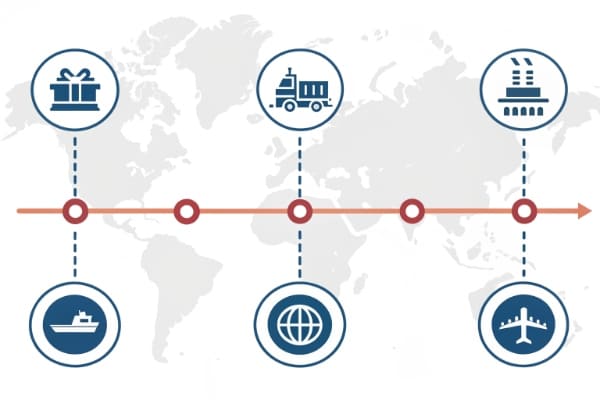
I've been helping clients manage their China supply chains for years, and the most common question I get is about time. Everyone wants their products faster. While you can't teleport goods across the ocean, you absolutely can cut down on wasted time. The secret isn't just about rushing; it's about being prepared and making smart decisions at every step. Let's break down each stage of the process so you can see exactly where you can save valuable time and get your products to market faster.
What’s the Average Timeframe for Sourcing Products from China?
You have a great product idea, but you're unsure how long it will actually take to get it from a factory in China. Misjudging this timeline can lead to broken promises.
A realistic end-to-end sourcing timeline from China is between 60 and 120 days. This covers finding a supplier, developing samples, manufacturing the bulk order, and shipping it to your door. Simple, off-the-shelf items are faster, while fully custom products5 can take longer.
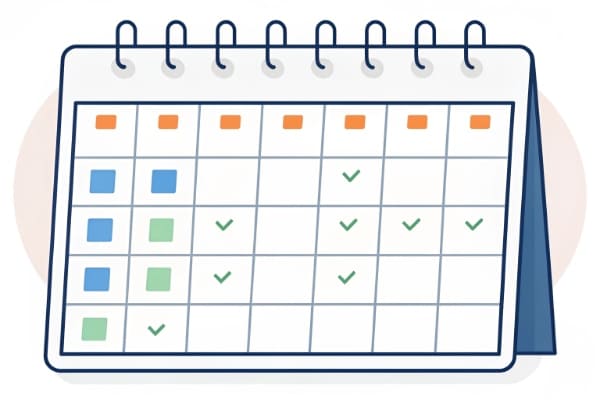
From my experience, many first-time importers underestimate the total time required. They often only think about production and shipping, forgetting the crucial steps that come before. To give you a clearer picture, I've broken down the process into its core stages. Remember, these are averages. A simple branded pen will be on the faster end, while a custom-molded electronic device will be on the slower end. Having a partner on the ground like us helps keep every stage moving smoothly, preventing small delays from snowballing into big problems.
Key Stages and Their Timelines
Here’s a typical breakdown of the sourcing journey:
| Stage | Average Time | Key Activities |
|---|---|---|
| 1. Supplier Sourcing & Vetting | 1–4 Weeks | Defining specs, finding factories, getting quotes, verifying suppliers. |
| 2. Sampling & Revisions | 2–8 Weeks | Creating prototypes, shipping samples, providing feedback, getting revisions. |
| 3. Mass Production | 4–8 Weeks | Sourcing raw materials, manufacturing, assembly, factory-level QC. |
| 4. Quality Control & Inspection | 1–3 Days | Hiring a third-party inspector6 or having your partner do a final check. |
| 5. Shipping & Logistics | 1–6 Weeks | Booking freight, trucking to port, sea/air transit, customs clearance. |
How to Speed Up the Supplier Selection Process?
Finding a trustworthy supplier in China can feel like looking for a needle in a haystack. Wasting weeks talking to the wrong factories will kill your project's momentum before it even starts.
To speed up supplier selection, create a detailed product specification sheet7 before you start your search. This allows you to quickly filter out unqualified factories and get accurate quotes faster. Working with a sourcing partner8 who has a vetted network is another major shortcut.
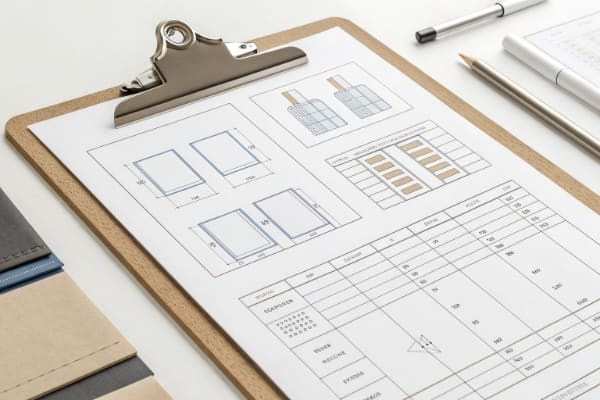
The biggest time-waster I see is when clients approach factories with a vague idea. They say, "I want a water bottle," which leads to dozens of questions about material, size, lid type, and color. This back-and-forth can take weeks. In contrast, a client who comes to us with a complete plan can get quotes from qualified factories in just a few days. Before you even contact a supplier, you need to have your homework done. This preparation is the single most effective way to shorten the search phase from a month to a week.
Your Pre-Sourcing Checklist
Having this information ready will make you look professional and get you serious responses from good suppliers.
- Detailed Product Specifications: Include materials, dimensions, weight, colors (with Pantone codes), and functional requirements.
- Clear Artwork & Logo Files: Provide high-resolution vector files (AI, EPS) for your branding.
- Packaging Requirements: Specify the type of box, insert, and any text or labels needed.
- Target Price: Know your budget. This helps filter out factories that are too expensive from the start.
- Quantity: Provide your estimated order quantity9, as this heavily influences the price.
- Required Certifications: List any compliance standards needed for your market (e.g., FDA, CE, RoHS).
What’s the Realistic Timeline for Receiving Samples from China?
You're excited to finally see and touch your product. But waiting for that first sample to arrive can be incredibly frustrating, especially when it takes weeks longer than you expected.
Realistically, expect to wait 2 to 8 weeks to receive your first physical sample. This includes the factory's time to produce it (1-4 weeks) and international express shipping (1-2 weeks). Complex products or those requiring new molds will naturally take longer.
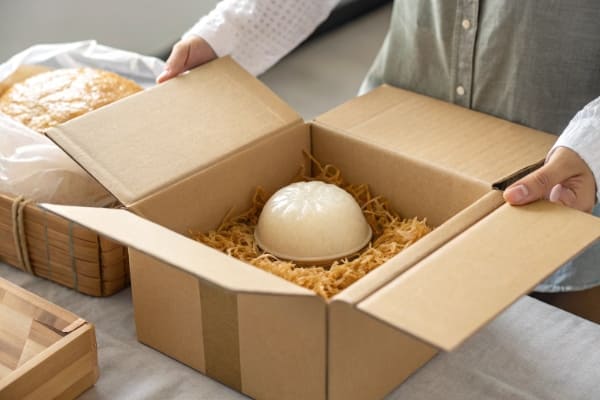
I always tell my clients to budget at least a month for the sampling phase10. Why so long? It's not just about making one sample. It's a process. First, the factory needs to understand your requirements and source the right materials. Then, they produce the sample. After you receive it, you'll likely have feedback. This creates a revision loop—they make changes and send a new sample. Each loop can add another 2-3 weeks. To minimize these loops, communication must be crystal clear from the start. Using detailed diagrams and even 3D models can help the factory get it right the first time, saving you weeks of waiting.
Breaking Down the Sampling Phase
Not all samples are created equal. The type of sample you need directly impacts the timeline.
- Stock Sample (1-2 weeks): An existing product from the factory to check their general quality. This is very fast.
- Customized Sample (2-4 weeks): A stock product with your logo printed on it. This is the most common type for promotional products.
- OEM/ODM Sample (4-8+ weeks): A completely new product made from scratch, often requiring a new mold. This is the longest and most expensive process.
A pro tip is to approve digital mockups and material swatches before the factory creates a full physical sample. This can cut down on at least one round of revisions.
How Can You Shorten Manufacturing Time in China?
Your supplier just quoted you a 60-day production lead time11. This long wait could cause you to miss a key selling season or a big marketing event. But you don't always have to accept it.
You can shorten manufacturing time12 by being incredibly prepared. Finalize all product details before paying the deposit, and pay it promptly. Also, schedule in-process quality inspections to catch errors early, preventing massive delays from rework at the end.
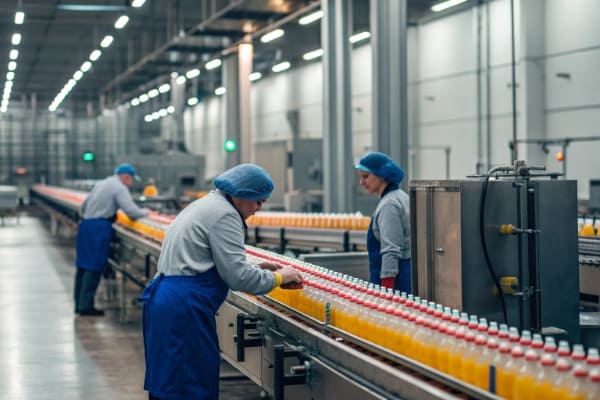
Factories build their production schedules around confirmed orders, and an order isn't confirmed until the deposit is paid and all details are locked in. I've seen clients delay production by two weeks simply because they were slow to pay the deposit or were still making changes to the packaging design. Once production begins, the best way to keep it on track is to monitor it. A mid-production quality check can be a lifesaver. On one project, our team found a color-matching error on day 10 of a 45-day production run. We fixed it immediately. If we had waited for a final inspection, the client would have had to remake the entire 10,000-unit order, causing a two-month delay.
Proactive Steps for Faster Production
- Confirm All Details Upfront: Before you pay the deposit, make sure the supplier has a signed and stamped Proforma Invoice (PI) and spec sheet. Any change after this point causes delays.
- Pay the Deposit Immediately: Production will not start until the money is in their account. Wire transfers can take a few days, so plan for that.
- Check on Raw Materials: Ask your supplier if they can pre-order key materials while you finalize smaller details. This can shave a week or more off the timeline.
- Plan for In-Process QC: Schedule an inspection when about 20-30% of the goods are finished. This small investment can save you from catastrophic delays later.
How Long Does Shipping and Customs Clearance Take?
Your products are finally finished, packed, and ready to go. But now they have to make the long journey to your warehouse, and the process can seem complex and full of potential delays.
Shipping and customs clearance from China can take anywhere from one week to six weeks. The method you choose is the biggest factor. Express air freight takes about 5-10 days, while standard sea freight takes 30-45 days door-to-door.

Choosing the right shipping method is a balance between speed and cost. For a new product launch, a client of mine once decided to ship 10% of their order by air and 90% by sea. This allowed them to start selling and marketing the product almost a month earlier while the bulk of their inventory was still on the water. This hybrid approach is a great strategy. Also, remember that customs clearance is part of the timeline. If your paperwork is incomplete or incorrect, your shipment can get stuck for days or even weeks. Using a DDP (Delivered Duty Paid) service, which we offer, simplifies this entire process, as we handle all the paperwork, taxes, and fees for you.
Choosing Your Shipping Method
Here’s a simple comparison to help you decide:
| Method | Typical Time (Door-to-Door) | Best For |
|---|---|---|
| Express Courier (e.g., DHL/FedEx) | 5–10 Days | Samples, documents, and very small, urgent orders (<100kg). |
| Air Freight | 7–15 Days | Time-sensitive, high-value goods. Good for orders between 100kg and 500kg. |
| Sea Freight | 30–60 Days | Large, heavy, and non-urgent orders. Most cost-effective option for bulk shipments. |
How to Handle Potential Delays When Sourcing from China?
Even with the best planning, delays can happen. A sudden factory shutdown, a port traffic jam, or a surprise customs inspection can throw your schedule into chaos. The fear of this is real.
The best way to handle delays is to plan for them. Build a 2-3 week buffer into your timeline, especially around major Chinese holidays13. Work with a local partner who can give you real-time updates and have clear penalty clauses in your supplier contract.

You can't control everything, but you can build a resilient supply chain. The number one rule is to be aware of the Chinese holiday schedule. Chinese New Year (usually in Jan/Feb) shuts down the entire country for weeks. You must plan your orders to be finished and shipped long before it begins. Beyond that, having a buffer is your best insurance policy. If you need your products by November 1st, plan for them to arrive by October 15th. This gives you breathing room. Finally, a good contract with your supplier should include a clause for late delivery. This financial penalty gives them a strong incentive to stay on schedule and prioritize your order.
Building a Resilient Supply Chain
Here are some practical strategies to protect your business from unexpected delays:
- Know the Holiday Schedule: Plan around Chinese New Year (Jan/Feb), Golden Week (October), and other national holidays. Production and shipping stop completely.
- Build a Time Buffer: Always add 2-4 weeks of buffer time to your ideal timeline. This will save you a lot of stress.
- Use Clear Contracts: Your purchase agreement should clearly state the production lead time11 and include a penalty for late shipment (e.g., a 1% discount per day of delay).
- Have a Partner on the Ground: A local team like Toncentlink can chase the factory, solve problems in real-time, and find alternative solutions if a delay occurs. This is invaluable.
- Consider a Hybrid Shipping Strategy: Ship a small, urgent batch by air to get started, while the rest of the order follows by sea to keep costs down.
Conclusion
Sourcing from China involves a detailed timeline, but it is manageable. With proactive planning14, clear communication, and a reliable partner, you can navigate the process efficiently and avoid costly delays.
Understanding sourcing timelines can help you plan better and avoid delays in your business. ↩
Learn effective strategies for supplier discovery to streamline your sourcing process. ↩
Discover key factors that influence mass production timelines to optimize your sourcing. ↩
Find best practices for international shipping to ensure timely delivery of your products. ↩
Understanding challenges in sourcing custom products can help you mitigate risks. ↩
Learn how third-party inspectors can ensure product quality and compliance. ↩
A detailed product specification sheet is crucial for clear communication with suppliers. ↩
Choosing the right sourcing partner can enhance your supply chain management. ↩
Order quantity significantly impacts pricing; learn how to negotiate effectively. ↩
Explore the sampling phase to understand its importance in product development. ↩
Understanding production lead times helps in setting realistic delivery expectations. ↩
Learn effective strategies to reduce manufacturing time and meet your deadlines. ↩
Knowing Chinese holidays is essential for planning your sourcing activities. ↩
Proactive planning can significantly reduce risks and improve sourcing efficiency. ↩