
Struggling to predict your China sourcing timeline1? Delays can ruin your launch and budget. Here’s how to plan accurately and avoid costly surprises on your next order.
For most standard products, expect a total timeline of 10–16 weeks from China to your door. This includes 2–6 weeks for samples, 2–6 weeks for mass production2, and 4–6 weeks for shipping. Planning for this window is the key to success.
Many of my clients ask me this question first. Understanding the timeline is crucial for your business. It affects your marketing, your cash flow, and your promises to customers. The total time depends on many steps. We need to look at product development3, finding a supplier, getting samples, production, and shipping. Let's break down each stage so you can build a realistic schedule and manage your supply chain with confidence.
What Should You Expect in Terms of Time for Product Development?
Have a great product idea but unsure how long it takes to create? The development phase can be slow. Let's break down the timeline for turning your concept into a reality.
Product development can take several weeks to months. This includes design, creating technical packs4, and making tools or molds. For custom products5, this stage is often the longest and most unpredictable part of the sourcing journey6, so plan for it.

This is where your idea becomes a real plan. If you are sourcing a standard, off-the-shelf product and just adding a logo, this stage is very short. But if you are creating something new (OEM), it takes much more time. First, you need detailed designs and technical specifications. We call this a "tech pack." Creating a clear tech pack can take a week or more, but it saves a lot of time later.
Next comes tooling or mold making7. If your product requires a custom shape, the factory needs to create a mold. This process alone can take 3 to 6 weeks and is often expensive. It's a critical step for unique products. After the mold is ready, we create the first prototypes to test the design. This stage is all about getting the foundation right before you spend money on mass production2.
Development Timelines: Standard vs. Custom
| Development Stage | Standard Product (ODM) | Custom Product (OEM) |
|---|---|---|
| Design & Tech Pack | 1–3 Days | 1–2 Weeks |
| Tooling / Mold Making | Not Required | 3–6 Weeks |
| Initial Prototyping | 1 Week | 1–2 Weeks |
| Total Estimated Time | ~1-2 Weeks | ~5-10 Weeks |
What Is the Process of Identifying Qualified Suppliers in China?
Finding the right factory feels impossible sometimes. A bad partner can cause major headaches and delays. We'll show you how to vet suppliers efficiently to build a reliable supply chain.
Identifying a qualified supplier in China typically takes 1 to 3 weeks. This involves searching for factories, requesting quotes, initial communication, and conducting background checks8 or audits. A good process here saves a lot of time and money later.
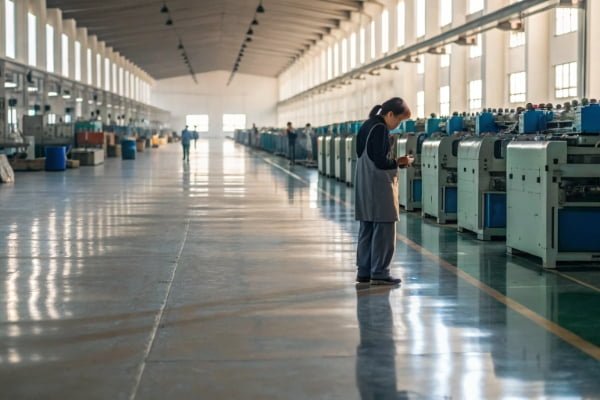
Finding the right partner is maybe the most important step. You can't just pick the cheapest one on a B2B website. A reliable supplier ensures quality and on-time delivery. We start by searching on platforms like Alibaba, but also use our private network of factories we have worked with for years. Once we have a list of potential suppliers, we send out a Request for Quotation (RFQ)9. This document details your product needs, quantity, and quality standards.
Getting quotes back can take a few days to a week. After that, we vet the most promising factories. This means checking their business licenses, certifications, and past performance. For key projects, we will even perform an on-site factory audit10 to inspect their facilities and quality systems. This whole process ensures we partner with a factory that is capable, reliable, and a good fit for your brand. It's an investment of time that prevents huge problems down the road.
Key Steps in Supplier Verification
| Verification Step | Purpose | Estimated Time |
|---|---|---|
| Initial Search | Create a long list of potential suppliers. | 2–4 Days |
| RFQ & Quoting | Get pricing and production details. | 3–7 Days |
| Background Check | Verify licenses and certifications. | 1–2 Days |
| Factory Audit | (Optional) On-site inspection of capabilities. | 3–5 Days |
How Long Does it Take to Receive Samples from Chinese Manufacturers?
Waiting for samples can be frustrating. Are they even working on your order? We'll explain the typical timeframe so you can manage your expectations and keep your project moving forward.
Receiving samples from China usually takes 2 to 6 weeks. This includes the factory's production time for the sample (1-4 weeks) and express shipping11 time (3-7 days). Complex products or multiple revision rounds can extend this timeline.

Samples are how you confirm the factory understands your vision. This is your chance to touch and feel the product before ordering thousands of them. The timeline starts once you approve the supplier and pay the sample fee. For a simple product, a factory might make a sample in a week. For a complex item with custom materials or electronics, it could take a month.
Once the sample is made, the factory will send it to you using an express courier like DHL, FedEx, or UPS. This usually takes 3 to 7 days. But the process doesn't always end there. Often, the first sample isn't perfect. You might need to request changes. Each round of revisions adds more time, as the factory has to make a new sample and ship it again. Clear communication and a detailed tech pack are the best ways to reduce the number of sample revisions and speed up this critical stage.
Sample Timelines by Product Complexity
| Sample Stage | Simple Product | Complex/Custom Product |
|---|---|---|
| Sample Production | 1–2 Weeks | 2–4 Weeks |
| Express Shipping | 3–7 Days | 3–7 Days |
| One Round of Revisions | + 1–2 Weeks | + 2–3 Weeks |
| Total (1 Revision) | ~3-5 Weeks | ~5-8 Weeks |
What Factors Can Affect the Production Timeline in China?
Your production is delayed, again. These unexpected waits hurt your business. Understand the key factors that influence factory lead times12 so you can plan better and avoid stockouts.
Mass production in China typically takes 2 to 6 weeks. However, factors like order quantity, product complexity, raw material availability, and factory workload can cause delays. Peak seasons, especially Chinese New Year, can add several weeks.
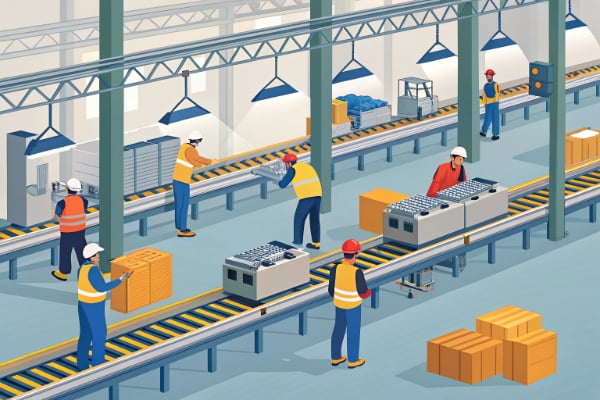
Once you approve the pre-production sample, mass production2 begins. The "2 to 6 weeks" timeframe is a good general rule, but many things can change it. A larger order will naturally take longer to produce than a small one. A simple product like a printed t-shirt is much faster to make than a custom electronic device with many parts.
One of the biggest factors is raw material availability. If your product needs a special fabric or a specific computer chip, the factory has to source it. Any delays in their supply chain will delay your order. Also, consider the factory's schedule. If they are very busy, your order has to wait in line. This is especially true during the peak season from September to December, as companies rush to get products for the holidays. But the biggest disrupter of all is Chinese New Year, which can shut down factories for 3-4 weeks.
Impact of Factors on Production Lead Time
| Factor | Low Impact | High Impact |
|---|---|---|
| Order Quantity | < 1,000 units | > 50,000 units |
| Product Complexity | Simple, 1-2 components | Complex, multiple materials/parts |
| Seasonality | March - July (Off-season) | Oct - Jan (Peak season & CNY) |
| Material Sourcing | Standard, in-stock materials | Custom or rare materials |
What Are the Key Considerations When It Comes to Shipping from China?
Choosing the right shipping method is confusing. Pick the wrong one, and you either overpay or wait forever. Let’s clarify your options so you can balance cost and speed effectively.
Shipping from China involves choosing between sea, air, and express. Sea freight takes 25–40 days and is cheapest. Air freight takes 5–12 days. Express couriers like DHL deliver in 1–5 days but are the most expensive.

Shipping is the final leg of the journey. Your choice here directly impacts your cost and delivery date. For large, heavy shipments where cost is more important than speed, sea freight is the best choice. It's slow, but the per-unit cost is very low. A full container (FCL) is most efficient, but you can also ship smaller volumes (LCL).
If you need your products faster, air freight is a good middle ground. It's more expensive than sea but much quicker. We use it for high-value goods or when a deadline is tight. The fastest option is an express courier. It's perfect for small packages, urgent top-ups, or final samples. On top of the transit time, remember to add about 3-7 days for customs clearance and ground transport at both ends. A good sourcing partner helps manage all this paperwork to avoid delays at the port.
Shipping Method Comparison
| Method | Typical Transit Time (to US/EU) | Cost | Best For |
|---|---|---|---|
| Sea Freight | 25–40 Days | Low | Large, heavy, non-urgent orders |
| Air Freight | 5–12 Days | High | Urgent, high-value, or lightweight orders |
| Express Courier | 1–5 Days | Very High | Samples, documents, very urgent small orders |
How Do You Account for Quality Control in the Sourcing Timeline?
Worried about receiving a batch of bad products? Skipping Quality Control (QC) to save time is a huge risk. We’ll show you how to integrate quality checks without causing major delays.
Quality control (QC) adds 1-3 days per inspection to your timeline. Key stages include pre-production, in-line, and pre-shipment inspections. While it adds a little time, it prevents much longer delays and costs from defective goods.

Quality control is not a step you should ever skip to save time. Finding a major quality issue after your products arrive can be a disaster. It can lead to months of delays and huge financial loss. Instead, we build QC directly into the production schedule. This proactive approach catches problems early, when they are easy and fast to fix.
We typically perform three main types of inspections. A pre-production check ensures the factory is using the correct materials and molds. An in-line inspection (DPI) happens when about 20-30% of the production is complete. This is the best time to find and fix systemic issues. Finally, a pre-shipment inspection (PSI) is done when the order is 100% complete and packed. This is the final check to confirm everything meets your standards before you pay the final balance. Each inspection might add a day, but it saves weeks of potential headaches.
QC Stages and Their Timeline Impact
| QC Stage | When It Happens | Purpose | Time Added |
|---|---|---|---|
| Pre-Production Inspection | Before mass production2 starts | Confirm materials and setup are correct. | 1 Day |
| During Production Inspection | When 20-30% of goods are made | Catch problems early to prevent mass defects. | 1 Day |
| Pre-Shipment Inspection | When 100% of goods are packed | Final check of quality, quantity, and packaging. | 1 Day |
Conclusion
In short, sourcing from China requires careful planning. By understanding each stage, you can create a realistic timeline, manage risks, and ensure your products arrive on time and on budget.
Understanding the sourcing timeline is crucial for planning and avoiding delays in your product launch. ↩
Get insights into mass production timelines to better plan your inventory and cash flow. ↩
Learn about the stages of product development to better manage your expectations and timelines. ↩
Learn how a well-prepared tech pack can streamline the development process and save time. ↩
Understanding the complexities of custom products can help you plan better and avoid delays. ↩
Explore the stages of the sourcing journey to better navigate the process and avoid pitfalls. ↩
Understanding tooling is crucial for custom products; explore its impact on timelines. ↩
Learn how thorough background checks can prevent issues and ensure reliable partnerships. ↩
Learn how an RFQ can streamline the supplier selection process and save time. ↩
A factory audit can ensure quality and reliability; explore its significance in the sourcing process. ↩
Explore the advantages of express shipping for urgent orders and how it impacts costs. ↩
Understanding lead times is essential for effective planning and inventory management. ↩