

Struggling with high electric bills1? You want a solution that saves money and helps the environment. But the world of solar energy2 can seem confusing and expensive, leaving you unsure where to start.
The main advantages of solar energy2 are significant long-term savings on electricity bills, increased home value3, and a smaller carbon footprint4. The primary disadvantages include high upfront installation costs5 and energy production6 that depends on sunlight, weather, and location.
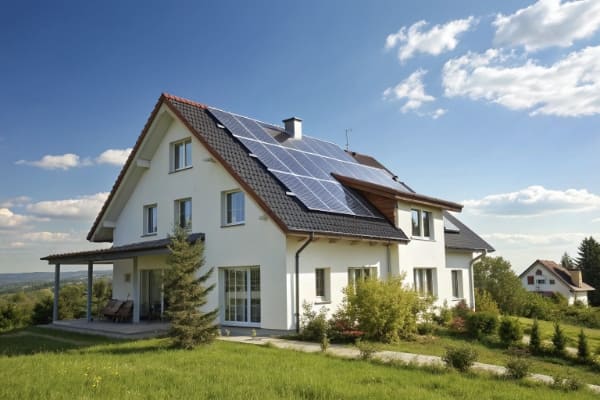
I remember looking at my utility bill a few years ago and just feeling frustrated. It felt like the price only ever went up, and I had no control. That's what pushed me to really look into solar energy2. It seemed like a big step, but I wanted to know if it could really deliver on its promises. If you're feeling that same frustration, let’s break down everything you need to know, starting from the basics.
What Is Solar Energy and How Do Solar Panels Work?
Tired of complex energy explanations? You see solar panels everywhere but don't really know the science behind them. It feels like a missed opportunity to understand a major technology.
Solar energy is radiant light and heat from the sun, harnessed using technology like solar panels. These panels contain photovoltaic (PV) cells that convert sunlight directly into direct current (DC) electricity. An inverter7 then changes this DC electricity into alternating current (AC) electricity to power your home.
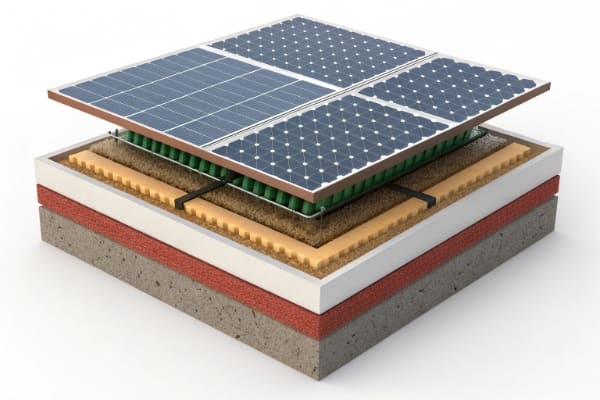
Think of solar panels as a silent power plant on your roof. When sunlight hits the photovoltaic cells8 inside the panel, it excites electrons, creating an electric current. This is the magic of the photovoltaic effect. But the electricity produced is DC, which isn't what your home appliances use. That's where the inverter7 comes in. It's a small box that takes the DC electricity from the panels and converts it into the standard AC electricity that powers your lights, TV, and refrigerator. Any excess power you generate can often be sent back to the grid, and your utility company might even credit you for it. It's a simple, brilliant system with no moving parts, which is why it's so reliable.
The Key Components of a Home Solar System
| Component | Function |
|---|---|
| Solar Panels | Capture sunlight and convert it into DC electricity. |
| Inverter | Converts DC electricity from panels to usable AC electricity for your home. |
| Racking | The mounting system that secures the panels to your roof. |
| Monitoring System | Tracks your system's energy production6 in real-time. |
| Utility Meter | Measures the electricity you use from and send to the grid. |
What Are the Biggest Advantages of Solar Energy?
Worried about constantly rising electricity costs? You see your bills creep up year after year, eating into your budget. This uncertainty makes it hard to plan for the future.
The biggest advantages of solar are drastically reduced or eliminated electric bills1 over the system's 25-30 year lifespan, protection from rising utility rates, and a significant increase in your home's resale value. It's a long-term investment9 that pays for itself and then earns you money.

For me, the biggest win was seeing my first electric bill after my solar panels were turned on. It was practically zero. That feeling of freedom from the utility company is hard to beat. Over the 25 to 30-year life of the panels, those savings add up to tens of thousands of dollars. You're essentially locking in your electricity price for decades. Plus, when it came time to appraise my home, I was pleasantly surprised. Studies show that homes with solar panels sell for more, often by 5-10%. Buyers see the value in having a home with low or no energy costs. And since solar panels have no moving parts, they require very little maintenance. A quick cleaning once or twice a year is usually all they need to keep them working at peak efficiency. It’s a powerful combination of financial and practical benefits.
What Are the Environmental Impacts of Solar Power?
Do you want to reduce your environmental impact10 but don't know how? You hear about climate change and want to do your part. But many "green" solutions seem small or ineffective.
Solar power's main environmental impact10 is positive: it significantly reduces your carbon footprint4. By generating clean electricity from the sun, a typical residential solar system can offset thousands of pounds of carbon dioxide emissions each year, equivalent to planting hundreds of trees.
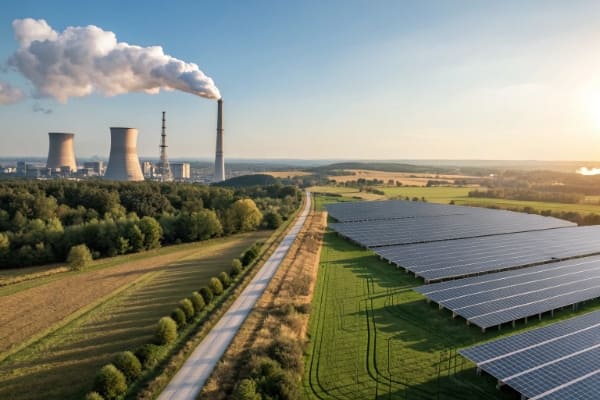
Going solar is one of the most impactful things an individual can do for the environment. Traditional electricity is often generated by burning fossil fuels like coal and natural gas, which releases harmful greenhouse gases into the atmosphere. These emissions are a major driver of climate change. When you install solar panels, you generate your own power without any emissions. You are directly reducing demand for fossil fuels and helping to create a cleaner, healthier community. I feel good knowing that my home is powered by the sun, not by a distant, polluting power plant. It's a concrete way to take responsibility for my carbon footprint4 and contribute to a more sustainable future11. Over the lifetime of my system, I’ll prevent tons of CO2 from entering the atmosphere. That's a legacy I'm proud of.
What Are the Costs of Installing Solar Panels?
Is the high price of solar panels stopping you? You've heard that solar is a great investment, but the initial sticker shock is overwhelming. It feels like a goal that's financially out of reach.
The upfront cost of installing solar panels is high, typically averaging $20,000 to $30,000 for a standard home system before incentives. However, the federal solar tax credit12 can reduce this net cost by 30%, and various financing options make it more accessible.
Yes, the upfront cost is the biggest hurdle for most people. I remember looking at the initial quotes and taking a deep breath. But it's crucial to look beyond that first number. The federal government offers a tax credit that allows you to deduct 30% of the total system cost from your federal taxes. That's a huge, direct saving. So, a $25,000 system effectively becomes a $17,500 system. Many states and local utilities offer their own rebates and incentives on top of that. Plus, there are many financing options, including solar loans13 that let you pay for the system over time, often with a monthly payment that is less than your old electric bill. You have to weigh the initial investment against the 25+ years of nearly free electricity and the increased value of your home. When you do the math, the return on investment is often much better than other home improvements.
Can Solar Energy Work Without Batteries?
Are you wondering if you need expensive batteries for your solar system? You want the benefits of solar but are worried about the extra cost and complexity of energy storage14.
Yes, solar energy2 can absolutely work without batteries. Most home solar systems are grid-tied, meaning you use solar power during the day and draw from the utility grid at night. Any excess power you generate during the day is sent back to the grid for a credit.
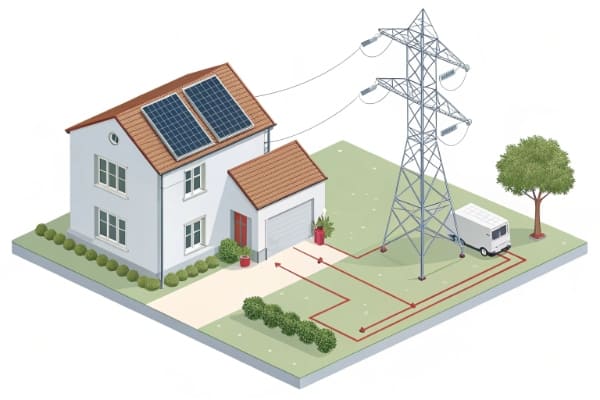
This is a common point of confusion. You don't need batteries to go solar. In fact, the majority of residential systems installed today are grid-tied and don't include a battery. Here’s how it works: during sunny days, your panels produce more electricity than your home needs. This extra power flows back into the utility grid, and your meter literally spins backward. Your utility company credits you for this power through a program called net metering15. Then, at night or on cloudy days when your panels aren't producing, you simply pull electricity from the grid like you always have. Your monthly bill is the "net" difference between the power you sent to the grid and the power you used. So, while batteries are great for backup power during outages, they are an optional add-on, not a requirement for saving money with solar.
Is Solar Energy a Good Investment in 2026 and Beyond?
Are you thinking about the future and wondering if solar is still a smart move? With technology always changing, you want to be sure you're making a wise long-term financial decision.
Yes, solar energy2 remains an excellent investment in 2026 and beyond. It provides a hedge against predictably rising electricity rates16, increases property value, and offers significant tax incentives. The financial returns, combined with the environmental benefits, make it a secure and forward-thinking choice.

I believe investing in solar is more important than ever. Electricity rates have historically increased by 2-3% per year, and that trend is expected to continue or even accelerate. By installing solar, you are effectively pre-paying for your electricity at a fixed cost for the next 25-30 years. You become immune to those future price hikes. Think of it as an inflation-proof investment. The technology for solar panels is mature and incredibly reliable, with warranties that last for decades. While the federal tax credit is set to step down in the future, it remains a powerful incentive for now. As more people adopt electric vehicles and electric heating, our demand for electricity will only grow. Having your own power source on your roof puts you in a position of control and financial stability for decades to come. It’s not just an investment in your home; it’s an investment in your financial security17.
Conclusion
Solar energy offers huge financial and environmental benefits but comes with a high initial cost and dependency on sunlight. It's a powerful investment for the right home.
Learn how solar energy can drastically reduce or eliminate your electric bills over time. ↩
Explore the benefits of solar energy to understand how it can save you money and help the environment. ↩
Learn how installing solar panels can enhance your home's resale value. ↩
Find out how solar energy can significantly lower your carbon footprint and combat climate change. ↩
Get insights into the costs associated with installing solar panels and potential savings. ↩
Discover the factors that influence solar energy production and how to maximize efficiency. ↩
Understand the crucial role of inverters in converting solar energy for home use. ↩
Discover the science behind photovoltaic cells and their role in converting sunlight into electricity. ↩
Learn why solar energy is considered a long-term investment and its financial benefits. ↩
Explore the positive environmental impacts of solar power and its role in sustainability. ↩
Explore how solar energy plays a vital role in creating a sustainable future for all. ↩
Learn about the federal solar tax credit and how it can make solar energy more affordable. ↩
Find out about solar loans and financing options that make solar energy accessible. ↩
Understand whether batteries are necessary for solar energy systems and their benefits. ↩
Understand how net metering works and how it can benefit your solar energy system. ↩
Discover how rising electricity rates make solar energy a smart investment. ↩
Learn how investing in solar energy can enhance your financial security over time. ↩