
Tired of high electricity bills1? Worried about your carbon footprint2? Solar energy seems like a perfect solution, but it's a big investment with many questions.
Yes, installing solar panels3 is often a great decision. They can significantly lower your electricity bills1, increase your home's value, and reduce your carbon emissions4. However, the high upfront cost and dependence on sunlight are major factors you must consider before you decide.

I've looked into this for my own business and home, and I want to share what I've learned. It's a big decision, and understanding how it all works is the first step. Let's start with the basics of how these panels create power out of thin air.
How Do Solar Panels Generate Electricity?
You see them on roofs everywhere, but how do these panels turn sunlight into power? It seems like magic, but the science is surprisingly straightforward.
Solar panels use photovoltaic (PV) cells, usually made of silicon, to convert sunlight directly into direct current5 (DC) electricity. An inverter6 then changes this DC power into alternating current7 (AC) power, which is the standard electricity used to run your home's appliances.
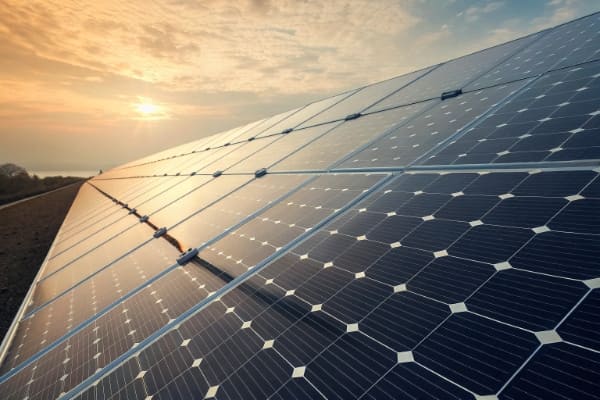
When I first looked into solar, I was amazed by how simple the process is. There are no moving parts, which is why they are so reliable and last for decades. It all comes down to something called the photovoltaic effect.
Here’s a simple breakdown of the steps:
The Process from Sunlight to Socket
- Sunlight Hits the Panel: Photons, which are tiny particles of light, strike the solar panel's photovoltaic cells8.
- Electrons Get Excited: This energy knocks electrons loose from their atoms inside the silicon cells.
- DC Current is Created: An electrical field in the cells pushes these free electrons in one direction, creating a flow of direct current5 (DC). This is the same type of power you find in a car battery.
- The Inverter Does Its Job: Your home and the electrical grid don't use DC power. So, the electricity flows to an inverter6, which is a box that converts the DC power into usable alternating current7 (AC).
- Powering Your Home: The AC power then goes to your electrical panel and is distributed throughout your home, powering everything from your lights to your laptop. Any extra power you generate is often sent back to the grid for credit.
What Are the Financial Benefits of Solar Energy?
The initial cost of solar panels3 can be scary. You wonder if the savings are real or just a sales pitch. Is it truly worth the money?
The main financial benefits9 are significantly lower electricity bills1 and an increased property value10. Over their 25-30 year lifespan, panels can save you thousands. Government incentives and tax credits11 can also reduce the initial cost, making your return on investment much faster.

When I was considering solar for one of our facilities, the numbers were the most important part. I needed to know if the investment made business sense. The long-term savings are compelling, but you have to look at the whole picture.
Breaking Down the Savings
The financial argument for solar rests on a few key pillars. It's not just about one thing; it's a combination of benefits that add up over time.
| Financial Benefit | How It Works | My Experience |
|---|---|---|
| Lower Bills | Your panels produce free electricity, so you buy less from the utility company. | This is the most immediate and noticeable benefit. My bills dropped by over 70% right away. |
| Increased Home Value | Studies show that homes with solar panels3 sell faster and for more money. | Buyers see it as a pre-installed upgrade that saves them money from day one. |
| Tax Credits | Governments often offer incentives, like a federal tax credit, that can cover a large portion of the installation cost. | This was huge for us. It cut the upfront cost significantly and shortened the payback period. |
| Net Metering | You can earn credits from your utility company for the extra energy your panels send to the grid. | On sunny days, we actually make money by selling our excess power back to the grid. |
How Does Solar Energy Help Reduce Carbon Emissions?
We all want to help the planet. But it's hard to know if our actions make a real difference. Does one solar installation truly matter?
Solar energy reduces carbon emissions4 by generating electricity without burning fossil fuels12 like coal or natural gas. This directly lowers the amount of greenhouse gases released into the atmosphere, which helps fight climate change and improves air quality for everyone.

As a business owner in the global supply chain, I'm always thinking about our environmental impact. We help clients source eco-friendly products, so it only makes sense to practice what we preach. Switching to solar is one of the most direct ways to reduce a company's or a family's carbon footprint2.
Your Personal Power Plant
Most of the world's electricity comes from burning fossil fuels12. This process releases huge amounts of carbon dioxide (CO2) into the atmosphere, which is a primary driver of climate change.
- Fossil Fuels: Think of traditional power plants as giant engines burning coal or gas. The byproduct is electricity, but also a lot of pollution.
- Solar Power: Solar panels are different. They create electricity with no emissions, no smoke, and no pollution. The fuel source, sunlight, is clean, free, and endless.
A typical residential solar panel system can offset the same amount of CO2 as planting over 100 trees each year. When you think about that impact multiplied by millions of homes, you can see how individual choices create a massive collective benefit. It's about taking responsibility for our own energy consumption and making a cleaner choice.
What Are the Main Limitations of Solar Power?
Solar sounds great, but what's the catch? You hear stories about panels not working at night or during storms. Are these limitations deal-breakers?
The main limitations are its dependence on sunlight, meaning no power at night or on very cloudy days. Also, most grid-tied system13s shut down during a power outage for safety. The high initial cost and specific roof requirements are also significant hurdles.
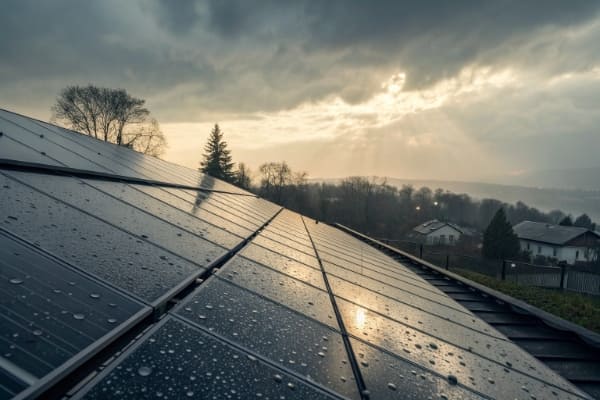
No technology is perfect, and solar power14 is no exception. It's important to be realistic about the downsides before making a commitment. I've run into a few of these myself, and it's better to be prepared.
The Reality of Solar Energy
Understanding the challenges helps you plan for them. Here are the main issues you need to be aware of:
- It's All About the Sun: Solar panels don't work at night. Their production also drops significantly on overcast days or during a storm. This is called intermittency. You still rely on the grid for power when the sun isn't shining, unless you have a battery.
- Power Outage Shutdown: This one surprises many people. If the power grid goes down, your solar panel system will automatically shut off. This is a safety feature to prevent your panels from sending electricity into the grid while workers are trying to fix it. To have backup power, you need a battery.
- Roof Requirements: Not every roof is good for solar. You need a roof that gets plenty of direct sunlight, is oriented in the right direction (usually south-facing), and is strong enough to hold the weight. Trees or nearby buildings can also cause shading issues.
- Manufacturing and Recycling: Making solar panels3 is an energy-intensive process. And while panels last for 25-30 years, recycling them at the end of their life is still a growing industry with technological challenges.
What Are the Installation Costs of Solar Panels?
You're ready to explore solar, but the price is a huge unknown. It feels impossible to budget without knowing the real cost of getting started.
The installation cost for a residential solar panel system can range from $15,000 to $25,000 or more before tax credits11. This price depends on the system's size, the quality of the panels and inverter6, and your specific location and labor costs.

When we source products for clients, we always provide a transparent cost breakdown. I approached my solar project the same way. The final price tag is made up of several different components, and understanding them is key to getting a fair deal.
What Are You Paying For?
The total cost isn't just for the panels. It's a package deal that includes hardware, labor, and other services.
| Cost Component | Description | Typical % of Total Cost |
|---|---|---|
| Solar Panels | The panels themselves. The price varies based on efficiency and brand. | 25-30% |
| Inverter | The device that converts DC to AC power. A crucial component. | 10-15% |
| Labor & Installation | The cost for a professional team to design the system and install it on your roof. | 10-15% |
| Permitting & Inspection | Fees paid to your local city or county for permits and inspections. | 5-10% |
| Other Hardware | Includes mounting racks, wiring, and other balance-of-system components. | 10-15% |
| Battery (Optional) | A battery for energy storage can add $10,000 or more to the total cost. | N/A (Optional Add-on) |
The final price depends heavily on how much electricity you use. A larger home with higher energy needs will require a bigger, more expensive system.
Can Solar Energy Power an Entire Home?
The dream is to be completely energy independent. But can a few panels on your roof really power everything, from the lights to the air conditioner?
Yes, a properly sized solar panel system can generate enough electricity to power an entire home's average daily usage. To have power 24/7, especially during outages or at night, you will also need a battery storage15 system to store excess energy.

This was the ultimate question for me. I didn't just want to lower my bill; I wanted to know if I could achieve true energy independence16. The answer is yes, but it requires more than just panels.
From Grid-Tied to Off-Grid
There are two main ways to set up a solar system, and they determine how self-sufficient you can be.
- Grid-Tied System: This is the most common setup. Your home is still connected to the utility grid. During the day, you use your solar power14. At night, or if you need more power than your panels are producing, you automatically pull electricity from the grid. You don't need a battery for this, but you won't have power during an outage.
- Hybrid System (Grid-Tied with Battery): This is the best of both worlds. You have panels and a battery. The battery stores excess solar energy17 produced during the day. You can use that stored energy at night or, most importantly, as a backup power source when the grid goes down. This is how you power your entire home, 24/7.
- Off-Grid System: This means you are completely disconnected from the utility grid. This requires a very large solar panel array and a substantial battery bank to get you through cloudy days and long winter nights. It's possible but is more complex and expensive.
Conclusion
Solar panels offer incredible long-term financial and environmental benefits. However, they require a high upfront investment and have limitations. It’s a powerful technology, but it’s not a perfect solution for everyone.
Learn how solar energy can significantly lower your monthly electricity expenses. ↩
Discover how switching to solar can help you minimize your environmental impact. ↩
Explore the advantages of solar panels, including cost savings and environmental impact. ↩
Explore the environmental benefits of solar energy in combating climate change. ↩
Learn about direct current and its importance in solar energy generation. ↩
Find out how inverters convert solar energy into usable electricity for your home. ↩
Explore the differences between AC and DC power and their applications in households. ↩
Understand the technology behind solar panels and their role in energy generation. ↩
Discover the long-term savings and financial incentives associated with solar energy. ↩
Learn how solar installations can increase the resale value of your home. ↩
Find out about government incentives that can help offset the cost of solar installation. ↩
Learn about the negative effects of fossil fuels and how solar energy provides a cleaner alternative. ↩
Understand the benefits and limitations of grid-tied solar energy systems. ↩
Discover why solar power is a sustainable and eco-friendly energy solution. ↩
Explore the role of battery storage in maximizing solar energy usage. ↩
Learn how solar energy can help you achieve self-sufficiency in energy consumption. ↩
Discover the numerous benefits of adopting solar energy for your home or business. ↩