
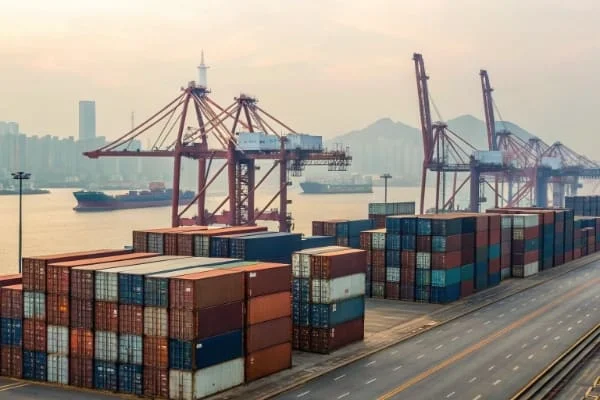
Confused about shipping from Dongguan to Toronto1? Delays and hidden costs can be a nightmare. This guide gives you the clear answers you need for a smooth journey.
Shipping from Dongguan to Toronto involves choosing between air freight2 (3-8 days) and ocean freight3 (around 29 days). Your choice depends on your cargo's size, weight, and urgency. Ocean freight is cheaper for bulk goods, while air freight2 is faster for smaller, time-sensitive shipments.
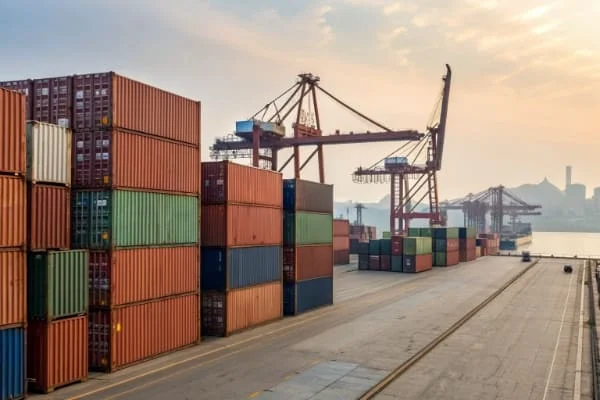
Getting your goods across the world seems complex, but it's simpler when you know your options. I've helped many clients navigate this exact route. Let's break down the details so you can make the best choice for your business. This will help you save time and money.
What Shipping Methods Are Available from Dongguan to Toronto?
Unsure which shipping service to pick from Dongguan? The wrong choice can lead to overpaying or long waits. Here are the main options to consider for your cargo.
You can choose between air freight2 and ocean freight3. Air freight is fast, ideal for urgent or small items. Ocean freight is more cost-effective for large, heavy shipments. Each method has different options, like express air or container shipping (FCL4 and LCL5) for sea.
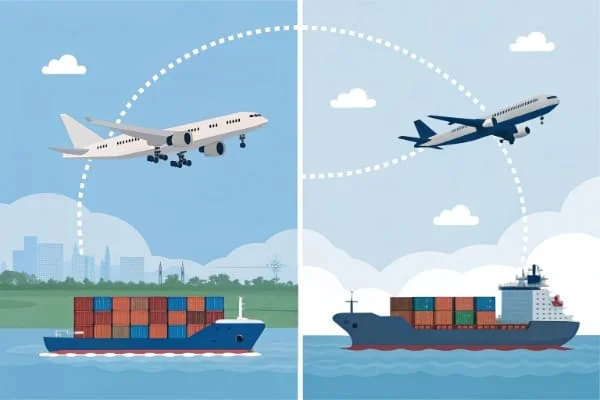
When moving goods from Dongguan to Toronto, your choice of shipping method is critical. It directly impacts your costs and delivery schedule. Let’s look closer at the two main categories.
Air Freight Options
Air freight is all about speed. If you have a tight deadline or high-value goods, this is your best bet.
- Express Air Freight: This is the fastest door-to-door service, often taking just 3-8 days. It's perfect for small packages, samples, or urgent orders under 200kg. Companies like DHL or FedEx manage the entire process, including customs clearance6.
- Standard Air Freight: This is a bit slower than express but still very fast. Your cargo travels in the hold of a commercial airplane. It’s a great balance of speed and cost for shipments that are too large for express but still time-sensitive.
Ocean Freight Options
For larger shipments, nothing beats ocean freight3 for cost-effectiveness. This is how about 90% of global goods are moved. Shipments from Dongguan typically leave from a nearby major port like Shenzhen or Yantian. They often travel across the Pacific to the Port of Vancouver and then continue by rail to Toronto. This is a very common and efficient route. You can choose between different container options, which we will discuss next.
Air Freight vs Ocean Freight: Which Is Better for Your Cargo?
Can't decide between speed and cost for your shipment? The wrong choice can sink your budget or your timeline. Let's compare air and sea freight to find your best option.
Choose air freight2 for speed and security, especially for goods under 200kg or 1 cubic meter. It’s faster (3-8 days) but more expensive. Choose ocean freight3 for cost savings on large, heavy, or non-urgent shipments, even though it takes longer (around 29+ days).
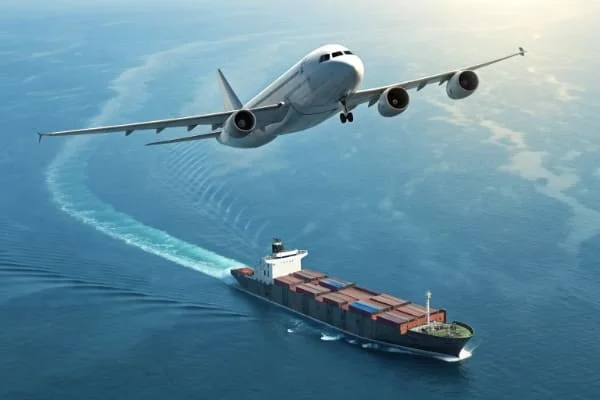
Deciding between air and ocean freight3 comes down to four key factors: speed, cost, size, and urgency. I always ask my clients to weigh these priorities before making a choice.
When to Choose Air Freight
You should choose air freight2 when time is your biggest concern. If you have a product launch, an event deadline, or need to restock quickly, the 3-8 day transit time7 is worth the extra cost. It's also ideal for smaller shipments, typically under 200kg or 1 cubic meter, as the cost difference isn't as extreme. High-value items also benefit from air freight2 due to its higher security and reduced handling, which lowers the risk of damage.
When to Choose Ocean Freight
You should choose ocean freight3 when your main goal is to keep costs low. For large, heavy, or bulky goods, sea shipping is significantly cheaper. If you can plan your inventory well in advance and handle a transit time7 of about a month, this is the most economical solution. It’s the standard for most businesses importing stock for retail or wholesale.
| Feature | Air Freight | Ocean Freight |
|---|---|---|
| Transit Time | 3-8 days | 25-40 days |
| Cost | High | Low |
| Best For | Small, urgent, high-value | Large, bulky, non-urgent |
| Reliability | Very reliable schedules | Can have delays (weather, ports) |
FCL4 vs LCL5: Which Container Option Should You Choose?
Confused by container terms like FCL4 and LCL5? Choosing incorrectly can mean paying for unused space or facing delays. Let's break down which one is right for you.
Choose FCL4 (Full Container Load) if you have enough cargo to fill a 20ft or 40ft container. It's faster and more secure. Choose LCL5 (Less than Container Load) if your shipment is smaller. You share container space with others, which is cheaper but takes longer.
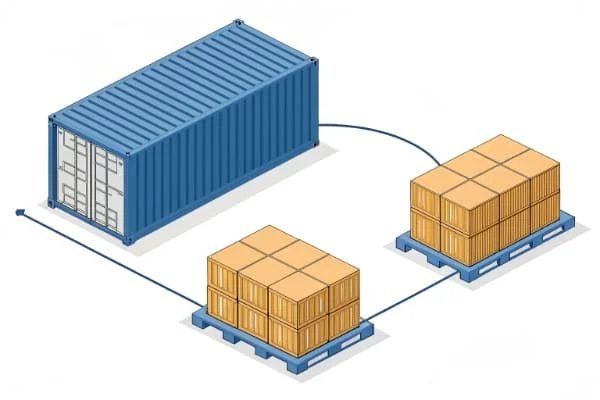
Once you've decided on ocean freight3, you need to choose your container type. This decision depends entirely on the volume of your cargo.
FCL4 (Full Container Load) Explained
With FCL4, you rent an entire container exclusively for your products. The most common sizes are 20ft and 40ft. This is the best option if your cargo volume is large enough, typically around 15 cubic meters or more. The main benefits are speed and security. Your container is sealed at the factory in Dongguan and isn't opened until it reaches you or your warehouse in Toronto. This minimizes handling, reducing the risk of damage or loss. FCL4 shipments also move faster than LCL5 because they don't need to be consolidated with other cargo at the port.
LCL5 (Less than Container Load) Explained
With LCL5, you share container space with other importers. If your shipment is too small to justify a full container but too large or not urgent enough for air freight2, LCL5 is your solution. You only pay for the volume (in cubic meters) your goods occupy. While this is cost-effective for smaller volumes, it comes with trade-offs. The transit time7 is longer because your goods must be grouped with others in Dongguan (consolidation) and then separated in Canada (de-consolidation). This extra handling also slightly increases the risk of damage.
How Long Does Shipping from Dongguan to Toronto Take?
Trying to plan your inventory around shipping times? Misjudging the transit can lead to stockouts and missed deadlines. Here are the expected timelines you can plan for.
Air freight from Dongguan to Toronto is the fastest, taking about 3-8 days. Ocean freight is much slower, with FCL4 shipments taking around 29 days for port-to-port transit. LCL5 shipments take longer due to the extra handling time for consolidation and de-consolidation.
Understanding transit time7 is more than just the time on the water or in the air. The total door-to-door time includes inland transport, customs, and port handling.
Typical Transit Timelines
Here’s a realistic breakdown of what to expect for shipping from Dongguan to Toronto1. Remember that "port-to-port" is just one part of the journey.
| Method | Port-to-Port / Airport-to-Airport | Estimated Door-to-Door |
|---|---|---|
| Express Air Freight | N/A (Integrated) | 3-8 days |
| Standard Air Freight | 2-5 days | 7-12 days |
| Ocean Freight (FCL4) | ~29 days | 35-45 days |
| Ocean Freight (LCL5) | ~30-35 days | 40-55 days |
What Can Cause Delays?
Several factors can affect these timelines. Bad weather at sea can slow down a vessel. Port congestion, especially at a major hub like Vancouver, can create backlogs. Canadian customs clearance6 can also cause delays if your paperwork isn't perfect. Finally, peak shipping seasons, like the months leading up to major holidays, can add pressure and time to every step of the process. That's why we always recommend building a small buffer into your schedule.
How Much Does It Cost to Ship from Dongguan to Toronto?
Worried about hidden shipping costs8 from Dongguan? Unexpected fees can easily erase your profit margins. Let's break down the main factors that determine your final price.
Shipping costs vary widely based on method, weight, volume, and time of year. Air freight is priced by weight and is more expensive. Ocean freight is priced by container (FCL4) or volume (LCL5) and is cheaper. You must also budget for duties, taxes, and surcharges.

Predicting the exact cost of shipping is difficult because rates change constantly. However, understanding the components of a quote will help you budget effectively.
Core Freight Charges
This is the main cost of moving your goods from the origin port/airport to the destination port/airport. For air freight2, it's based on chargeable weight (a combination of actual weight and volume). For ocean freight3, it's either a flat rate per container (FCL4) or a per-cubic-meter rate (LCL5).
Surcharges and Fees
Carriers add surcharges to the base rate. Common ones include fuel surcharges, which change with oil prices, and peak season surcharges, which apply during busy times of the year. These can significantly impact your final cost.
Canadian Duties and Taxes
Once your goods arrive in Canada, you must pay customs duties and taxes. Duties are calculated based on the product's HS code and its value. On top of that, you'll pay Goods and Services Tax (GST) or Harmonized Sales Tax (HST), which is typically 5-13%. Accurate paperwork, including a commercial invoice and packing list, is essential to avoid issues here. A good freight forwarder9 helps ensure all these costs are calculated correctly upfront.
Do You Need a Freight Forwarder for This Route?
Thinking about managing your Dongguan-to-Toronto shipment alone? It's a maze of logistics, paperwork, and rules where mistakes are costly. A good freight forwarder9 simplifies everything.
Yes, using a freight forwarder9 is highly recommended. They handle everything from booking space and managing paperwork to customs clearance6 and final delivery. They use their expertise and network to find the best rates and routes, saving you time, money, and major headaches.

While it's technically possible to coordinate international shipping yourself, it's incredibly complex and risky. A freight forwarder9 is a logistics expert who acts as your single point of contact for the entire journey. For a route like Dongguan to Toronto, their value is immense.
Here’s what a partner like us does for you:
- Find the Best Rates: We have established relationships with multiple air and sea carriers, allowing us to negotiate better prices than an individual business could.
- Handle All Paperwork: We manage the complex documentation, including the bill of lading, commercial invoice, packing list, and Canadian customs declarations. This prevents costly errors and delays.
- Manage Logistics: We book the cargo space, arrange for inland transport from the factory in Dongguan to the port, and organize the final delivery in Toronto.
- Solve Problems: If a shipment is delayed, flagged by customs, or encounters any other issue, we handle it. This is our job, so it doesn't have to be yours.
Essentially, a good freight forwarder9 removes all the logistical burdens, allowing you to focus on running your business.
Conclusion
Shipping from Dongguan to Toronto is straightforward when you know your options. Choose between fast air freight2 or cost-effective ocean freight3, and partner with a forwarder for a smooth delivery.
Explore comprehensive guides that detail the shipping process, costs, and timelines for this route. ↩
Learn about air freight options, benefits, and how it can expedite your shipping needs. ↩
Discover why ocean freight is a cost-effective solution for large shipments and how it operates. ↩
Get insights into Full Container Load (FCL) shipping and its advantages for large shipments. ↩
Learn about Less than Container Load (LCL) shipping and how it can save costs for smaller shipments. ↩
Understand the customs clearance process and its significance in international shipping. ↩
Get accurate estimates on transit times for different shipping methods. ↩
Explore the various elements that influence shipping costs and how to budget effectively. ↩
Discover the role of freight forwarders in simplifying the shipping process and saving you time. ↩