
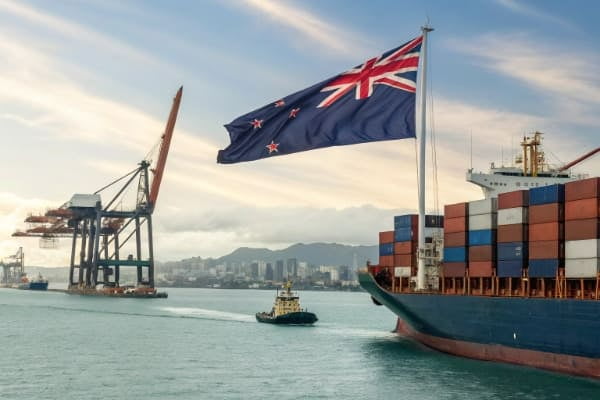
Feeling lost with China-to-New Zealand shipping? Hidden costs and complex rules can kill your profits. I'll guide you through the process for a smooth and profitable experience.
The best way to ship from China to New Zealand is to partner with a reliable freight forwarder1. Understand New Zealand's import rules, like the 15% GST2. Choose between sea freight3 for cost savings or air freight for speed. Proper documentation is key to avoiding delays.
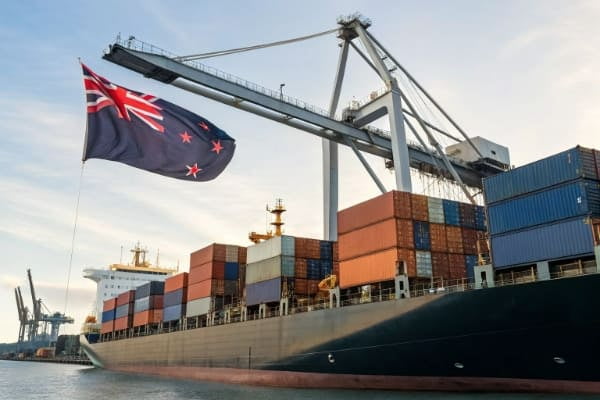
Getting your products from a factory in China all the way to your customers in New Zealand is a big step. It feels like a huge puzzle with many moving parts. But once you understand the pieces, it becomes much simpler. Let's dive into the details, starting with the most important question: is it even worth it?
Is Shipping from China to New Zealand Profitable for E-commerce Sellers?
Worried that high shipping and customs costs will erase your profits? Unexpected fees can easily turn a winning product into a losing one. Let's see how to make it profitable.
Yes, it is highly profitable. The key is managing your landed cost4. Source high-quality, low-cost products from China, use sea freight3 for bulk orders to save on shipping, and accurately calculate all duties and the 15% GST2. This ensures you maintain healthy profit margins.

To ensure profitability, you must master your landed cost4. This is the total price of getting a product from the factory to your customer's door. It's more than just the product price and shipping. I remember my first big import; I forgot to factor in local port charges and GST, and my profit margin shrank overnight. Don't make that mistake. A clear understanding of every cost is crucial.
Here’s a simple breakdown of what goes into your landed cost4:
| Cost Component | Description | Why It Matters |
|---|---|---|
| Product Cost | The price you pay the factory (FOB or EXW). | The foundation of your cost structure. |
| Freight Cost | Sea or air shipping from China to NZ. | A major variable cost; sea is cheaper but slower. |
| Insurance | Protects your goods against loss or damage. | A small cost that prevents huge potential losses. |
| Customs Duty & GST | Taxes levied by NZ Customs (GST is 15%). | A significant, non-negotiable cost. |
| Local Charges | Port fees, customs broker5age, local delivery. | Often overlooked but can add up quickly. |
Choosing the right supplier and agreeing on clear Incoterms6 (like FOB or EXW) from the start prevents disputes later. FOB (Free On Board) is often better for new importers, as the supplier handles getting the goods to the Chinese port. I always recommend starting with a smaller test shipment. This lets you validate the product quality, confirm your landed cost4 calculations, and test the market before committing to a huge order. It’s a low-risk way to build a profitable import business.
What Are the Import Rules and Customs Requirements in New Zealand?
Afraid your shipment will get stuck at the New Zealand border? Customs delays and unexpected fines can be a nightmare for any importer. Let’s clarify the key rules now.
You must submit an electronic import entry7 for most commercial goods. Be prepared to pay a 15% Goods and Services Tax (GST) and any applicable duties. Key documents include a commercial invoice8, packing list9, and a bill of lading10 (for sea) or airway bill (for air).
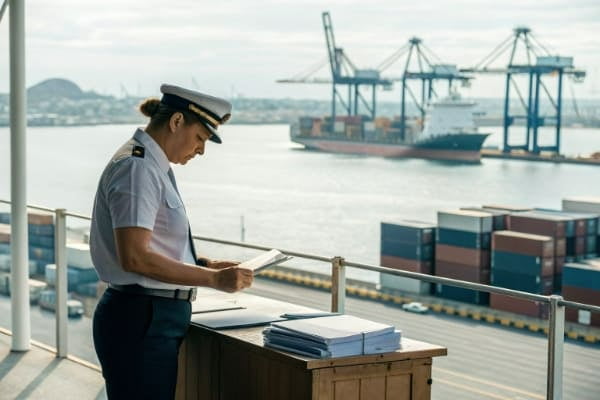
Navigating New Zealand's customs system is all about preparation. For most commercial imports, your customs broker5 will need to lodge an electronic import entry7 on your behalf. This is a digital declaration of your goods. The biggest financial part is the tax. New Zealand charges a 15% Goods and Services Tax (GST) on almost everything. This is calculated on the CIF value (Cost, Insurance, and Freight) of your goods, plus any import duty. One helpful rule is the de minimis threshold. Generally, if the total value of your goods is under NZ$1,000, you won't have to pay duty or GST at the border. This is great for small orders or samples, but it doesn't apply to alcohol or tobacco.
To avoid delays, make sure your documentation is perfect. Here are the must-haves:
| Document | Purpose |
|---|---|
| Commercial Invoice | Details the transaction, seller, buyer, and value of the goods. |
| Packing List | Lists the contents, weight, and dimensions of each package. |
| Bill of Lading / Airway Bill | The contract between you and the shipping carrier. |
When I first started, I tried to handle customs myself to save money. It was a mistake. I ended up with storage fees because my paperwork was wrong. Using a good customs broker5 or freight forwarder1 is a smart investment. They handle the electronic entries and ensure you comply, saving you time and preventing costly errors.
What Goods Are Restricted or Prohibited When Importing into New Zealand?
Worried you might accidentally import a restricted item? Having your shipment seized by customs is a costly mistake that can stop your business in its tracks. Let's review the rules.
Prohibited items include illegal drugs, weapons, and objectionable material. Restricted goods require special permits or approvals. These often include food, plants, animal products, certain chemicals, and medicines. Always check New Zealand's MPI11 and Customs websites for the most current and specific lists before ordering.

Understanding New Zealand's import restrictions is critical for avoiding disaster. The rules are mainly split into two groups: prohibited and restricted. Prohibited means you can't import it, period. This includes things like illegal drugs and certain weapons. Restricted means you can import it, but you need to meet specific conditions or get a permit first. This is where most importers need to pay close attention, especially due to New Zealand's strict biosecurity laws, managed by the Ministry for Primary Industries (MPI11).
Think about these common product categories:
| Category | Common Restrictions & Requirements |
|---|---|
| Food, Plants, Animal Products | Require MPI11 permits; risk of contamination is high. |
| Children's Toys | Must meet mandatory safety standards for small parts, materials. |
| Electronics | Must comply with electrical safety and radio spectrum standards. |
| Wooden Products | Must be treated or fumigated to eliminate pests. |
One of the most common pitfalls I see involves packaging. If your goods are shipped on wooden pallets or in crates, you must declare them. The wood must be treated (e.g., fumigated or heat-treated) and certified as bark-free and pest-free. I once had a shipment held up for weeks because the supplier used untreated wooden crates. The entire shipment had to be fumigated at my expense in New Zealand. Always confirm with your supplier that they are using compliant packaging materials to avoid these expensive biosecurity delays.
How Much Does It Cost to Ship from China to New Zealand?
Finding it hard to predict your total shipping cost? Hidden fees and fluctuating rates can wreck your budget and leave you with no profit. Let's get a clear picture now.
Costs vary widely. Air freight can range from NZ$8-15 per kg, ideal for small, high-value items. Sea freight is cheaper for bulk, with a full container (FCL) costing NZ$2,000-5,000. Less-than-container (LCL) is a good middle ground. Always get a detailed quote.
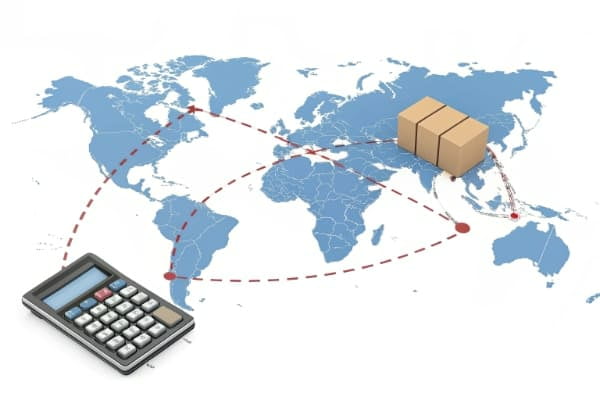
Your shipping cost from China to New Zealand depends on four main things: the weight of your goods, the volume (size), the shipping method12 you choose, and the time of year. Shipping rates spike before major holidays like Christmas and Chinese New Year. The biggest decision is between air and sea freight3. I use air freight for urgent samples or high-value, lightweight electronics. For everything else, sea freight3 is the only cost-effective option for bulk goods.
Here’s a general comparison to help you decide:
| Shipping Method | Best For | Estimated Cost (Varies Greatly) | Key Factor |
|---|---|---|---|
| Air Freight | Urgent, high-value, lightweight goods (<200kg) | NZ$8 - $15 per kg | Speed |
| Sea Freight (LCL) | Medium-sized shipments (2-15 CBM) | NZ$50 - $100 per CBM | Flexibility for smaller bulk |
| Sea Freight (FCL) | Large shipments (>15 CBM) | NZ$2,000 - $5,000 per 20' container | Lowest cost per unit |
Beyond the freight rate, watch out for other charges. These can include fuel surcharges, terminal handling charges, customs clearance fees, and local delivery costs. This is why you need a freight forwarder1. A good forwarder provides a detailed, all-in quote that lists every single fee. It prevents surprises. Also, make sure your Incoterms6 are clear with your supplier. If you agree to EXW, you're paying for shipping from the factory door, which adds cost. FOB is usually a safer bet.
How Long Does Shipping from China to New Zealand Take?
Anxious about long shipping times from China? Late deliveries mean empty shelves, lost sales, and frustrated customers. Let's look at the typical transit times so you can plan ahead.
Air freight is fastest, taking about 3-7 days for door-to-door delivery. Sea freight is slower; port-to-port transit takes 18-30 days. For sea, you should budget 4-6 weeks for the entire process, including production, inland transit, customs clearance, and final delivery.
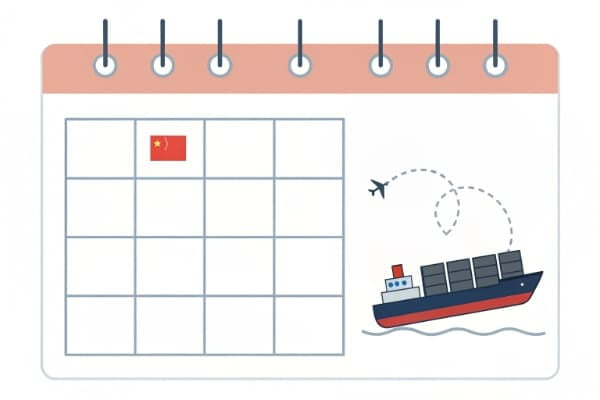
When we talk about shipping time, it's easy to only think about the time the ship is on the water. But that's just one part of the journey. The total lead time13—from placing your order to having it in your warehouse—is what really matters for your business planning. I learned this the hard way when I promised a client a delivery date based only on the sea transit time. I completely forgot about the week it took to get the goods to the port in China and the days it sat in customs in Auckland.
Here's a more realistic breakdown of the entire process:
| Stage | Air Freight (Typical) | Sea Freight (Typical) |
|---|---|---|
| Production | 7-30 days | 15-45 days |
| Inland China Transit | 1-2 days | 2-7 days |
| Port-to-Port Transit | 1-4 days | 18-30 days |
| NZ Customs & Unloading | 1-2 days | 2-5 days |
| Final Delivery | 1-2 days | 1-3 days |
| Total Estimated Time | ~10-40 Days | ~30-90 Days |
As you can see, the actual "shipping" part is just a fraction of the total time. Always add a buffer of at least one or two weeks to your sea freight3 timeline to account for potential delays like port congestion, bad weather, or customs inspections. Using a test shipment is a great way to get a real-world feel for the total lead time13 with your specific supplier and freight forwarder1.
What Is the Cheapest and Fastest Way to Ship from China to New Zealand?
Do you need your products fast or do you need to save money? Choosing the wrong shipping method12 can either destroy your budget or make you miss important deadlines. Let's find the right balance.
The fastest way is air freight, delivering in 3-7 days, but it is the most expensive. The cheapest way is sea freight3, especially for large volumes, but it takes 4-6 weeks. There is no single "best" way; it's a trade-off between speed, cost, and volume.
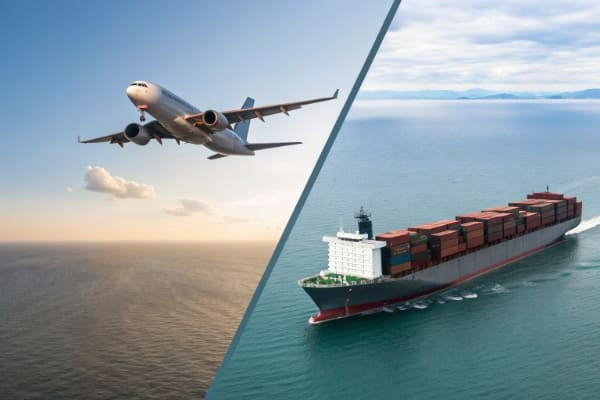
Choosing between the cheapest and fastest shipping method12 is a constant balancing act for every importer. There is no single answer that fits every situation. The right choice depends entirely on your shipment's size, value, and urgency. I often use a mix of both. For a new product launch, I might air freight a small batch to start selling immediately, while the main bulk order follows by sea. This strategy helps capture early sales without paying for expensive air freight on the entire inventory.
Here’s a simple guide to help you decide:
| If your priority is... | And your shipment is... | Then you should choose... |
|---|---|---|
| Speed (Urgent restock, launch) | Small to medium (<500kg) | Air Freight |
| Cost (Bulk stock, low-margin items) | Large (>15 CBM) | Sea Freight (FCL) |
| Balance of Cost & Speed | Medium (2-15 CBM) | Sea Freight (LCL) |
Sea Freight LCL (Less-than-Container Load) is a great option if your shipment isn't big enough for a full container. You share container space with other importers, which is cheaper than FCL for smaller volumes but a bit slower due to consolidation and de-consolidation. The best strategy is to work with a supply chain partner. We help our clients analyze their needs for each shipment, get competitive quotes for all options, and choose the method that best supports their business goals, whether it's maximizing speed or minimizing landed cost4.
Conclusion
Shipping from China to New Zealand is manageable with proper planning. Understand your costs, follow customs rules, and choose the right shipping method12 to build a successful and profitable import business.
Partnering with a reliable freight forwarder can streamline your shipping process and save you money. ↩
Understanding GST is crucial for calculating your total landed cost and ensuring compliance with New Zealand's tax laws. ↩
Sea freight is often more cost-effective for bulk shipments, making it a smart choice for importers. ↩
Mastering your landed cost is vital for maintaining healthy profit margins in your import business. ↩
A customs broker can simplify the import process and ensure compliance with all regulations. ↩
Clear Incoterms prevent disputes and clarify responsibilities between buyers and sellers in shipping. ↩
Submitting an electronic import entry is essential for smooth customs clearance and avoiding delays. ↩
A correct commercial invoice is crucial for customs compliance and ensuring your shipment is processed smoothly. ↩
A detailed packing list helps customs officials verify your shipment and can prevent delays. ↩
The bill of lading is a key document that serves as a contract between you and the shipping carrier. ↩
The Ministry for Primary Industries (MPI) oversees biosecurity and import regulations, crucial for compliance. ↩
Choosing the right shipping method balances cost and speed, impacting your overall profitability. ↩
Understanding total lead time is essential for planning your inventory and meeting customer demands. ↩