
Struggling to find the right shipping method1 for your Germany-bound goods? High costs and long delays can hurt your business. Let’s break down the best options for you.
The cheapest way to ship is sea freight2 for bulk orders, while the fastest is air freight3 for urgent parcels. Rail freight offers a good balance. The safest option depends on your cargo's value, with air freight3 being ideal for high-value items.
Choosing a shipping method1 can feel overwhelming. You have to think about cost, speed, and safety. Your choice impacts your bottom line and your customers' satisfaction. I've helped hundreds of clients navigate this, and I want to share what I've learned. This guide will walk you through each option, so you can make the best decision for your business.
What’s the Cheapest Way to Ship from China to Germany?
Worried about shipping costs4 eating into your profits? Finding a budget-friendly option is key. Let's explore the most cost-effective method for shipping your goods from China to Germany.
Sea freight is the cheapest method for shipping from China to Germany5, especially for large volumes. For shipments over 100kg or 1 cubic meter (CBM), choosing either Less than Container Load (LCL)6 or Full Container Load (FCL)7 will significantly reduce your per-unit costs.
When your top priority is keeping costs low, sea freight2 is almost always the answer. It’s perfect for bulk orders, heavy machinery, or any products where you can plan ahead. The transit time is longer, usually 30-40 days to major German ports like Hamburg or Bremerhaven, but the savings are substantial. You have two main choices here:
- Full Container Load (FCL)7: You rent an entire 20ft or 40ft container. This is the most cost-effective option if you have enough goods to fill most of it. It's also slightly faster and safer than LCL because your container isn't opened until it reaches its destination.
- Less than Container Load (LCL)6: Your goods share container space with shipments from other companies. We consolidate your cargo at our warehouse. This is ideal for smaller shipments that don't justify a full container. You only pay for the space you use, making it a great way for smaller businesses to benefit from low sea freight2 rates.
We often recommend LCL to clients testing a new product. It lets them import a smaller batch without committing to a full container, keeping initial costs down.
What’s the Fastest Way to Ship from China to Germany?
Do you have an urgent deadline or a customer waiting for a time-sensitive order? Waiting a month for sea freight2 isn't an option. You need a solution that gets your products there fast.
Air freight is the fastest shipping method1, delivering your goods from China to Germany in just 3 to 7 days. Express couriers like DHL or FedEx are also very fast, perfect for small, time-sensitive parcels and samples.
When speed is your priority, nothing beats air freight3. It's the go-to choice for high-value electronics, fashion items, or urgent replacement parts. The cost per kilogram is much higher than sea or rail, but it can be worth it to meet a tight deadline or replenish stock quickly. I once had a client who needed branded merchandise for a trade show in Berlin in ten days. Air freight was the only way we could make it happen, and it saved their event.
There are two types of air shipping:
- Standard Air Cargo: This involves shipping your goods from a major airport in China (like Shanghai or Shenzhen) to a major airport in Germany (like Frankfurt or Munich). It usually takes about 5-7 days and is suitable for shipments over 100kg.
- Express Courier: Services like DHL, UPS, and FedEx offer the absolute fastest door-to-door delivery, often in 3-5 days. This is perfect for small packages, documents, and product samples. The convenience is unmatched, as they handle everything from pickup to final delivery.
Which Shipping Method Is the Safest for Germany Imports?
Are you shipping fragile or high-value products? The thought of your goods getting damaged or lost during transit is a major concern. You need a shipping method1 that minimizes risk.
Air freight is generally the safest shipping method1 for high-value or fragile goods. It involves less handling and a shorter transit time, which significantly reduces the risk of damage, theft, or loss compared to sea or rail freight8.
Safety comes from minimizing handling and transit time. An item shipped by air is loaded onto a plane and unloaded once. A sea shipment, especially LCL, can be loaded, unloaded, and re-sorted multiple times, increasing the chances of damage. The shorter journey with air freight3 also means less exposure to potential issues like turbulence or temperature changes.
However, safety isn't just about the shipping method1. Here's how we ensure safety across all transport modes:
- Proper Packaging: We always insist on strong, secure packaging. For many clients, this means palletizing their goods. Pallets are wrapped securely and moved with a forklift, which is much safer than handling individual cartons.
- Using a Reliable Forwarder: An experienced partner like us knows how to handle documentation correctly. Missing or incorrect paperwork is a common reason for customs delays, where goods can sit unprotected in a warehouse.
- Comprehensive Cargo Insurance: This is non-negotiable. No matter how safe the method, accidents can happen. We always make sure our clients' shipments are fully insured from the factory door in China to their door in Germany. It provides peace of mind and financial protection.
Sea vs Air vs Rail: Which Is Best for Your Cargo?
Feeling stuck between cost, speed, and volume? Each shipping method1 has its own strengths. Choosing the right one depends entirely on your specific business needs and product type.
Choose sea freight2 for large, non-urgent orders to save money. Use air freight3 for small, urgent, or high-value shipments. Rail freight is a great middle-ground, balancing cost and speed for medium-sized shipments.
Let's break this down with a simple comparison. I often use this table to help my clients visualize their options and make a quick, informed decision based on what matters most to them.
| Feature | Sea Freight | Air Freight | Rail Freight |
|---|---|---|---|
| Cost | Lowest | Highest | Medium |
| Speed | Slowest (30-40 days) | Fastest (3-7 days) | Medium (15-22 days) |
| Capacity | Highest (best for bulk) | Lowest (best for small parcels) | High (good for multiple pallets) |
| Best For | Large, heavy, non-urgent goods. | Small, light, urgent, high-value goods. | Medium-sized shipments needing a balance. |
| Example Use | Stocking a warehouse for the next season. | Fulfilling an urgent e-commerce order. | Replenishing stock faster than by sea. |
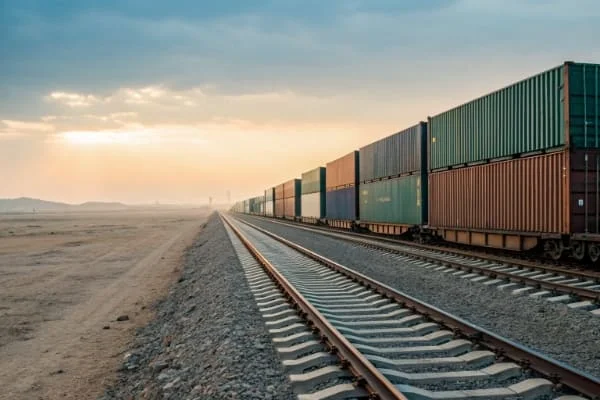
Rail freight, using the "New Silk Road" network, has become a very popular option for Germany. It's twice as fast as sea freight2 but costs significantly less than air freight3. It's a fantastic compromise for many businesses, especially for e-commerce sellers who need to manage their inventory levels carefully without paying the premium for air shipping.
How Much Does It Cost to Ship from China to Germany?
"How much will it cost?" This is always the first question I get. The answer is complex because shipping quotes have many hidden parts. You need to understand the full cost, not just the base rate.
Shipping costs vary widely based on method, weight, and volume. Sea freight can be a few hundred dollars per CBM, while air freight3 can be $5-$10 per kg. Always get a detailed quote that includes all fees for an accurate estimate.
A cheap initial quote can be misleading if it doesn't include all the charges. A professional freight forwarder9 will give you a transparent breakdown. Here are the main components that make up your total shipping cost:
- Freight Rate: The basic cost of transport from port to port or airport to airport.
- Pickup and Delivery: The cost of getting goods from the factory to the port/airport in China, and from the port/airport in Germany to your final address.
- Terminal and Port Fees: Charges for handling your cargo at the origin and destination terminals.
- Customs Clearance: Fees for processing your import and export documents. This is a critical step.
- Duties and Taxes (VAT): Germany, as part of the EU, charges import duties10 and Value-Added Tax (VAT) based on the value and type of your goods.
- Insurance: A small but essential cost to protect your investment.
To avoid surprises, we strongly recommend a Delivered Duty Paid (DDP)11 shipping term. With DDP, we provide one all-inclusive price that covers every single cost from the factory in China to your doorstep in Germany. You know the exact total cost upfront.
Can You Ship Door-to-Door from China to Germany Safely?
Managing logistics across two continents sounds complicated. You have to deal with suppliers, customs, and carriers. What if you could have one partner handle everything for you?
Yes, door-to-door (DDP) shipping is a very safe and convenient option. A freight forwarder9 manages the entire process, from factory pickup in China to final delivery at your address in Germany, including customs clearance12 and all logistics.
Door-to-door shipping is the most hands-off and stress-free way to import from China. It’s what we specialize in. Think of us as your team on the ground in China. We take complete responsibility for the entire journey of your goods.
Here is how the process works:
- Factory Pickup: We arrange for a truck to pick up your finished goods directly from your supplier's factory.
- China Customs: We prepare all export documents and clear your goods through Chinese customs.
- Main Freight: We book your cargo on a ship, plane, or train, depending on the method you've chosen.
- Germany Customs: Upon arrival, our partners in Germany handle all import clearance procedures, including paying the required duties and VAT on your behalf.
- Final Delivery: Once cleared, your goods are loaded onto a local truck and delivered directly to your warehouse, office, or FBA fulfillment center.
This integrated approach not only saves you time and headaches but also enhances safety. With one company managing the entire chain, there are fewer handoffs and a clear line of responsibility, reducing the risk of errors and delays.
Conclusion
Choosing the right shipping from China to Germany5 depends on your budget, timeline, and cargo. Sea is cheapest, air is fastest, and rail is a balanced choice. Plan well.
Discover tips for selecting the best shipping method based on your specific needs. ↩
Explore this resource to understand the benefits and processes of sea freight for cost-effective shipping. ↩
Learn about air freight's speed and efficiency, making it ideal for urgent shipments. ↩
Get insights into the various components that influence shipping costs for better budgeting. ↩
Learn effective strategies for successful shipping between these two countries. ↩
Find out how LCL can benefit smaller businesses by reducing shipping costs. ↩
Understand FCL shipping to maximize cost savings for large shipments. ↩
Discover the advantages of rail freight as a balanced option for medium-sized shipments. ↩
Understand how a freight forwarder can simplify your shipping process and ensure efficiency. ↩
Learn about import duties to better prepare for the costs of international shipping. ↩
Understand DDP shipping for a hassle-free experience with all costs included. ↩
Learn about the customs clearance process to avoid delays and ensure smooth shipping. ↩