
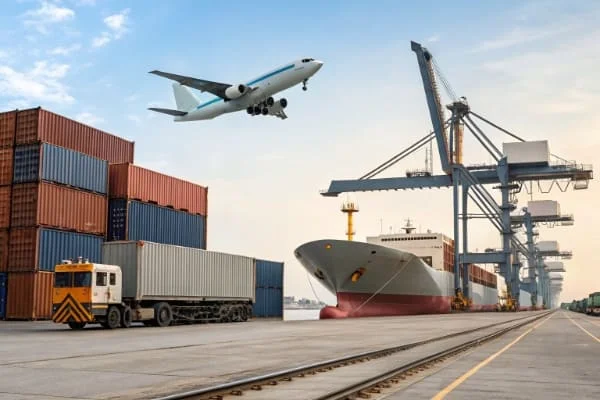
Shipping from China feels complex, with confusing costs and timelines. These uncertainties can hurt your budget and delay your business, putting your plans at risk. This guide simplifies it all.
The total cost to ship1 from China to Germany depends on the method: sea freight2 is cheapest for bulk, air is fastest but priciest, and rail is a balance. Delays often come from port congestion3, customs issues, and peak season backlogs. Expect 3-7 days for air, 12-20 for rail, and 25-40 for sea.
I've managed thousands of shipments for clients just like you, from small e-commerce sellers to large retail chains. The questions are always the same: How much will it cost? How long will it take? What can go wrong? It’s a journey filled with potential pitfalls, but with the right knowledge, you can navigate it smoothly. In my experience, understanding the process is the first step to mastering it. Let's break down each of these questions so you can ship your goods with confidence and build a reliable supply chain4.
How Much Does It Really Cost to Ship from China to Germany in 2025?
Trying to budget for shipping is tough. Hidden fees and changing rates make it hard to know the real cost. Let's give you a clear picture of what you'll actually pay.
The total cost is more than just the freight rate. It includes the base freight plus fuel surcharges5, port fees, customs duties6, and insurance. Sea freight is the cheapest for bulk orders, air freight7 is the most expensive, and rail freight8 offers a middle ground.
When I first started helping clients like David, an e-commerce owner from the US, ship to Germany, the final invoice was often a shock. He would budget for the base freight quote but forget about all the other charges that add up. The key is to understand that the price you are first quoted is rarely the final price. You need to account for a variety of fees that are part of the international shipping process. We now provide all our clients with a detailed cost breakdown upfront to avoid any surprises.
Understanding the Components of Your Shipping Bill
The total cost is a sum of several parts. The base freight is the cost of moving your container or package from point A to B. But then you have surcharges5, which can change weekly, like fuel adjustment fees (BAF) and currency adjustment fees (CAF). On top of that, there are terminal handling charges (THC) at both the origin and destination ports.
Factoring in Duties and Insurance
Once your goods arrive in Germany, you must pay customs duties6 and Value Added Tax (VAT)9. The duty rate depends on the product's HS code, and VAT is a standard percentage. Forgetting to budget for these can be a costly mistake. Insurance is another cost, but I always tell my clients it's non-negotiable. It protects you from loss or damage during transit and is a small price to pay for peace of mind.
| Cost Component | Description | Impact on Total Cost |
|---|---|---|
| Base Freight | The core cost of transport (sea, air, rail). | Varies by method and demand. |
| Surcharges | Fuel, peak season, security fees. | Can add 10-30% to the base freight. |
| Port/Terminal Fees | Handling charges at origin and destination. | A fixed cost per container or shipment. |
| Customs Duties & VAT | Taxes levied by the German government. | Depends on product value and HS code. |
| Insurance | Protects against damage or loss. | Typically 0.3%-0.5% of cargo value. |
What Are the Cheapest Shipping Options from China to Germany?
High shipping costs10 are eating into your profits. You need an affordable way to move your goods without giving up reliability. We'll show you the cheapest methods that work.
Sea freight is the most cost-effective option for large shipments, especially with a Full Container Load (FCL). For smaller shipments, Less than Container Load (LCL) sea freight2 or, sometimes, rail freight8 can be cheaper than sending goods by air.
Finding the cheapest option is a common goal for my clients. However, "cheapest" doesn't always mean "best." The right choice depends on your volume, timeline, and budget. For instance, a client selling low-margin home goods will almost always benefit from sea freight2's low cost-per-unit. We helped a new Amazon seller who was using LCL for his growing business. We showed him that by planning his inventory better, he could order enough to fill a full 20ft container (FCL). This not only cut his shipping cost per unit by nearly 30% but also reduced transit time because the container went directly to him without extra handling.
FCL vs. LCL11: A Cost Breakdown
FCL means you rent an entire container for your goods. LCL means you share container space with other shippers. If your cargo volume is over 15 cubic meters, FCL is almost always cheaper. While LCL has a lower entry price for small shipments, its per-cubic-meter rate is higher. FCL also offers more security and a lower risk of damage, as your goods are not handled multiple times during consolidation and deconsolidation.
When Rail and LCL Make Sense
LCL is the go-to for small businesses and those testing new products with small order quantities. It allows you to ship as little as one cubic meter. Rail freight is another great alternative. It's more expensive than sea but cheaper than air. For goods where a 35-day sea journey is too long and a 7-day air journey is too expensive, the 18-day rail option is the perfect compromise.
| Shipping Method | Best For | Typical Volume | Cost-Effectiveness |
|---|---|---|---|
| FCL Sea Freight | Large, heavy, or bulky goods | >15 CBM | Most cost-effective per unit |
| LCL Sea Freight | Small shipments, test orders | 1–15 CBM | Cheaper for small volumes, but higher per-CBM rate |
| Rail Freight | Medium-sized shipments needing a balance of speed and cost | 5–20 CBM | Cheaper than air, faster than sea |
How Long Does Shipping from China to Germany Take by Each Method?
Waiting for your shipment feels like it takes forever. Unpredictable transit times can mess up your inventory and sales plans. Let's give you a clear timeline for each shipping method12.
Air freight is the fastest, taking about 3-7 days door-to-door. Rail freight is a good middle ground, taking 12-20 days. Sea freight is the slowest but most common for bulk goods, taking around 25-40 days from the factory to your warehouse.
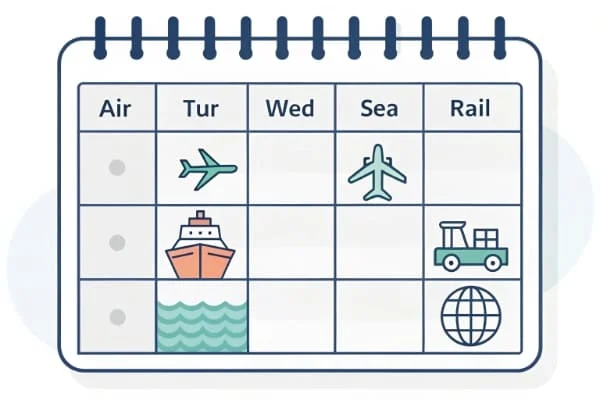
I always tell my clients to think about the entire door-to-door timeline, not just the time on the water or in the air. A shipment's journey includes more than just transit. It starts with trucking from the factory, waiting at the port or airport, customs clearance13 in China, the main transit, customs clearance13 in Germany, and finally, delivery to your door. I had a client who assumed a 28-day sea transit meant he'd have his goods in 28 days. He didn't account for the 3-5 days on each end for port handling and customs, which caused him to miss a sales deadline. Now, we plan with a buffer.
Deconstructing the Door-to-Door Timeline
The total time is a chain of events. A delay in any single step can affect the entire timeline. For example, if your goods miss the vessel's cut-off date at the port, they might have to wait a full week for the next ship. This is why working with a partner who manages the entire process is so critical. We coordinate every step to ensure a smooth flow from one stage to the next.
Why Transit Times Are Estimates
The timelines we provide are reliable estimates, but they can vary. Port congestion, weather, and customs inspections can add days. During peak season, these estimates can stretch even further. That's why I always advise clients to add a buffer of 5-7 days to their sea freight2 plan, especially for orders placed between September and January.
| Shipping Method | Factory to Port/Airport | Main Transit Time | Port/Airport to Door | Total Estimated Time |
|---|---|---|---|---|
| Air Freight | 1-2 days | 1-3 days | 1-2 days | 3-7 days |
| Rail Freight | 2-4 days | 12-18 days | 3-5 days | 12-20 days |
| Sea Freight | 2-5 days | 25-35 days | 5-7 days | 25-40 days |
Why Is Shipping from China to Germany Delayed So Often?
Your shipment is late again, and you have no idea why. These constant, frustrating delays are costing you money and customers. We'll uncover the common reasons behind them.
Delays are frequently caused by port congestion3, bad weather, and customs holds due to incorrect paperwork. Vessel re-routing to avoid conflicts or blockages also adds time. Furthermore, capacity shortages during peak seasons like Chinese New Year cause significant backlogs.
In my years of managing supply chain4s, I've seen it all. Delays are part of the business, but understanding them is key to managing them. One of the biggest disruptions I remember was when a major canal was blocked. Vessels had to re-route around entire continents, adding weeks to transit times. While that was an extreme case, smaller disruptions happen every day. For example, a single typo on a commercial invoice can get a container flagged for a full customs inspection, adding a week or more of delay. We now use a multi-point checklist to verify every document before a shipment leaves the factory.
Operational and Environmental Delays
Operational issues are a primary cause. Port congestion happens when too many ships arrive at once, creating a traffic jam. There may not be enough cranes to unload them or trucks to move the containers. Bad weather, like typhoons in Asia or major storms in Europe, can also force ships to slow down or change course. These are largely uncontrollable, which is why having a flexible plan and a good information flow from your logistics partner14 is so important.
Man-Made Bottlenecks
Many delays are caused by human error or seasonal rushes. Peak season, the period from August to October before the holidays, is notorious for delays and high prices as everyone rushes to ship goods. Chinese national holidays like Chinese New Year (in Jan/Feb) and Golden Week (in Oct) shut down factories and ports for a week or more, creating huge backlogs before and after. Incorrect or incomplete paperwork is another major, yet preventable, cause of delays at customs.
| Delay Cause | Type | Impact |
|---|---|---|
| Port Congestion | Operational | Can add 3-10 days to your timeline. |
| Bad Weather | Environmental | Can add 1-7 days, depending on severity. |
| Peak Season Rush | Man-Made | Increases transit times and costs. |
| Customs Holds | Man-Made | Can add 2-14+ days if documents are wrong. |
| Vessel Re-routing | Operational | Can add 7-15 days in major cases. |
Which Shipping Route from China to Germany Is the Fastest and Most Reliable?
You need your goods fast and on time. But with so many routes and options, choosing the right one is confusing. We'll help you find the most efficient path for your cargo.
For pure speed, direct air freight7 is unmatched. For reliability and a balance of speed and cost, the China-Europe rail route is an excellent choice. For sea freight2, direct services to major German ports like Hamburg are generally faster and more reliable than services with multiple stops.
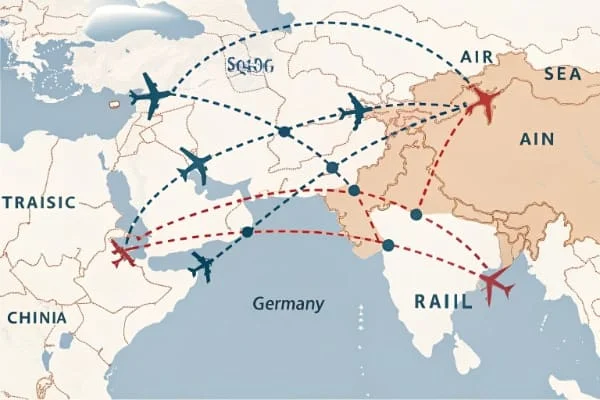
"Fastest" and "most reliable" are not always the same thing. I had a client who needed a shipment of high-end electronics for a trade show in Berlin. Air freight was the fastest, but the cost was prohibitive. Sea freight was too slow. We recommended the China-Europe rail service. The cargo arrived in 18 days, perfectly on schedule and at a fraction of the air freight7 cost. It was the most reliable and sensible solution for their specific needs. Another strategy we use is port diversification. Instead of sending all shipments to Hamburg, which can get congested, we sometimes route cargo through Rotterdam (Netherlands) or Antwerp (Belgium) and then truck it to Germany. This can sometimes save days.
Comparing Major Routes
Each route has its pros and cons. The sea route via the Suez Canal is the standard for bulk cargo but is susceptible to geopolitical issues and congestion. The China-Europe rail, often called the "New Silk Road," is a fantastic land bridge that bypasses ocean-related risks. It’s becoming increasingly popular for its reliability. Air freight routes are the most direct and fastest but are also the most sensitive to price fluctuations and capacity limits.
The Strategy of Port Diversification
Relying on a single port of entry is risky. A strike, congestion, or customs backlog at one port can halt your entire supply chain4. By having the option to use multiple ports in Northern Europe, we can pivot quickly. If we hear that Hamburg is experiencing delays, we can re-route a client's next shipment to Bremerhaven or even a port in a neighboring country and arrange for final delivery by truck or rail. This flexibility is a key part of building a resilient supply chain4.
| Route | Speed | Reliability | Cost | Best For |
|---|---|---|---|---|
| Direct Air Freight | Fastest (3-7 days) | High | Highest | Urgent, high-value goods |
| China-Europe Rail | Fast (12-20 days) | Very High | Medium | Balanced speed/cost needs |
| Direct Sea Freight | Slow (25-40 days) | High | Lowest | Bulk, non-urgent goods |
| Transshipment Sea | Slowest (35-50 days) | Medium | Low | Budget-focused shipments |
What Is the Best Shipping Method for Your Cargo Type?
Choosing the wrong shipping method12 can damage your goods or cost you a fortune. You need to match the method to your product's specific needs. Let's find the perfect fit.
Use air freight7 for high-value, lightweight, or urgent items like consumer electronics. Use sea freight2 for bulky, heavy, or low-value goods like furniture or promotional items. Rail freight is great for machinery and electronics where speed is important but air is too expensive.
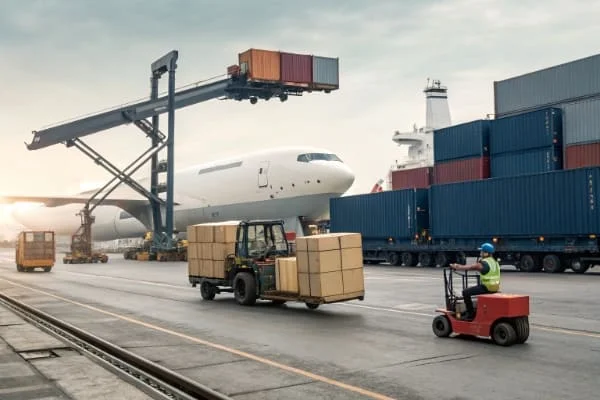
The best shipping method is always a strategic decision. I work with a client who sells beautiful but heavy ceramic vases. For them, sea freight15 is the only option that makes financial sense. The long transit time is just part of their business model. On the other hand, another client sells the latest smartphone accessories. They use air freight16 for their initial product launch to be first to market. After the initial rush, they switch to rail or sea for regular inventory replenishment. The product itself often dictates the shipping strategy17. It’s about balancing cost, speed, and the value of the goods.
Matching Product to Method
The nature of your product is the most important factor. Is it fragile? Is it heavy? Is it time-sensitive? A product with a short shelf life or one that could become obsolete quickly (like fast fashion or electronics) may require a faster shipping method, even if it costs more. Bulky items with low margins, however, can only be profitable if shipped via the cheapest method, which is almost always sea freight15. Thinking about the cost of shipping as a percentage of your product's landed cost can help you make the right choice.
Special Considerations for Your Cargo
Some products have special requirements. For example, anything with a lithium battery has strict regulations for air freight16. Certain chemicals or liquids may be prohibited altogether. On the other hand, oversized machinery might require a special flat-rack container for sea freight15. We always review the product specifications with our clients to ensure we choose a method that is not only cost-effective but also compliant and safe for their specific cargo.
| Cargo Type | Recommended Method | Justification |
|---|---|---|
| Consumer Electronics | Air or Rail | High value, speed to market is critical. |
| Apparel & Textiles | Sea or Rail | Generally not urgent, cost is a key factor. |
| Furniture & Home Goods | Sea (FCL) | Bulky and heavy, making sea freight15 the only viable option. |
| Promotional Items | Sea (LCL or FCL) | Low margin, cost-sensitive, planned far in advance. |
| Machinery & Parts | Rail or Sea | Rail offers a good balance for valuable equipment. |
What Documents Are Required to Ship from China to Germany?
Your shipment is stuck in customs because of one missing paper. This paperwork nightmare is delaying your business and frustrating you. Let's make sure you have everything you need.
Key documents include the Commercial Invoice, Packing List, and Bill of Lading (for sea) or Air Waybill (for air). You will also need a Certificate of Origin. For many products, a CE certificate18 is mandatory for customs clearance19 in Germany.

I can't stress this enough: perfect paperwork is non-negotiable. I once had a client whose shipment of children's toys was held by German customs for three weeks. The reason? The factory forgot to include the CE certificate18 in the paperwork pouch. The goods were perfectly compliant, but the missing document caused a huge delay and storage fees. Since then, my team at Toncentlink has implemented a strict two-person verification process for all shipping documents before a container is even booked. It’s a simple step that prevents massive headaches down the line.
Your Essential Document Checklist
Getting your documents in order is one of the most critical steps. The Commercial Invoice details the transaction between the seller and buyer. The Packing List specifies the contents of the shipment. The Bill of Lading is your title to the goods. An error in any of these can lead to delays. For example, if the weight on the Packing List doesn't match the weight on the Bill of Lading, customs will flag it for inspection.
The Importance of Compliance and HS Codes
For Germany and the entire EU, compliance is key. The CE mark on a product shows that it meets EU standards for health, safety, and environmental protection. Shipping products that require a CE mark without one will result in the goods being seized and possibly destroyed. Another critical detail is the Harmonized System (HS) code20. This universal code classifies your product and determines the import duty rate. Using the wrong HS code can lead to paying the wrong amount of tax and facing penalties.
| Document | Purpose | Why It's Critical |
|---|---|---|
| Commercial Invoice | States the value, buyer, and seller. Used for customs valuation. | Errors can lead to incorrect duty/tax assessment and delays. |
| Packing List | Details the contents, weight, and dimensions of each package. | Required by customs to verify the shipment's contents. |
| Bill of Lading / Air Waybill | Contract of carriage and title to the goods. | You need this to claim your goods from the carrier. |
| Certificate of Origin | Certifies the country where the goods were made. | May be required for tariff calculations. |
| CE Certificate | Declares conformity with EU standards. | Mandatory for many products (e.g., electronics, toys). |
How Can You Avoid Delays and Unexpected Costs When Shipping to Germany?
Surprise fees and endless delays are killing your bottom line and stressing you out. You need a shipping strategy17 that is predictable and reliable. Here is how you can take back control.
Plan your shipments far in advance to avoid peak seasons. Work with an experienced freight forwarder21 who can guide you. Ensure all your documents are 100% accurate. Finally, choose the right shipping method, like FCL over LCL for larger volumes, to minimize risks.

The secret to smooth shipping isn't a secret at all: it's proactive planning. My most successful clients, the ones who rarely face delays or surprise costs, are the ones who plan their orders months ahead. For example, a client who needs stock for Christmas will place their order with the factory in July. This gives us time to book vessel space at a good rate before the peak season rush begins in August. This foresight allows us to be strategic, choosing the best route and carrier, and building a buffer into the timeline. It transforms shipping from a reactive scramble into a controlled, predictable process.
Strategic Planning and Booking
Your best defense against delays and high costs is a good offense. This means booking your shipment 3-4 weeks in advance, especially during busy times. It also means not shipping right before or after a major holiday like Chinese New Year. A long-term contract with a freight forwarder21 can also secure capacity and stabilize pricing. For larger businesses, we help negotiate these contracts directly with carriers. For smaller businesses, we consolidate their volume with others to get similar benefits.
The Power of a Good Partner
You can't manage a global supply chain alone. Having a reliable partner on the ground in China is the most effective way to avoid problems. A good partner like Toncentlink acts as your eyes and ears, auditing factories, inspecting goods before they ship, and ensuring all paperwork is perfect. We manage the entire process, from finding the right supplier to delivering the goods to your door in Germany. This all-in-one approach eliminates the miscommunication that happens when you're juggling a factory, a trucking company, a freight forwarder21, and a customs broker. It simplifies everything and puts you back in control.
| Action Item | How It Helps |
|---|---|
| Plan 3-4 Months Ahead | Avoids peak season rushes, secures better rates and capacity. |
| Double-Check All Documents | Prevents customs holds, the most common preventable delay. |
| Choose FCL When Possible | Reduces handling, risk of damage, and transit time compared to LCL. |
| Insure Your Cargo | Protects you from financial loss due to damage or theft. |
| Work With a Reliable Partner | A single point of contact simplifies communication and resolves issues quickly. |
Conclusion
Shipping from China to Germany is manageable with the right knowledge. Focus on advance planning, perfect documentation, and a reliable partner to ensure your goods arrive on time and on budget.
Understanding the breakdown of shipping costs can help you budget effectively. ↩
Discover why sea freight is often the most cost-effective option for bulk shipments. ↩
Learn how port congestion can impact your shipping schedule and costs. ↩
Explore best practices to build a resilient and efficient supply chain. ↩
Understanding surcharges can help you anticipate additional costs in your budget. ↩
Get insights into customs duties to avoid unexpected expenses during shipping. ↩
Learn about the speed and efficiency of air freight for urgent shipments. ↩
Find out how rail freight balances cost and speed for medium-sized shipments. ↩
Understanding VAT is crucial for accurate budgeting when shipping internationally. ↩
Explore strategies to minimize shipping costs without sacrificing quality. ↩
Explore the pros and cons of FCL and LCL to choose the best option for your needs. ↩
Learn how to choose the right shipping method based on your cargo's needs. ↩
Discover the customs clearance process to ensure smooth shipping operations. ↩
Find tips on selecting a logistics partner to ensure smooth shipping operations. ↩
Explore the benefits of sea freight, especially for heavy and bulky items, to optimize your shipping strategy. ↩
Learn when air freight is the best option for speed and efficiency, especially for time-sensitive products. ↩
Discover key elements to consider when creating a shipping strategy that balances cost and speed. ↩
Explore the importance of CE certification for compliance in the EU market. ↩
Learn the essential steps for smooth customs clearance to avoid delays. ↩
Learn how HS codes classify products and impact import duties and taxes. ↩
Discover tips for selecting a freight forwarder that can streamline your shipping process. ↩