
Struggling with the complexities of shipping from China? Delays and hidden costs can hurt your business. This guide simplifies the entire process, making your freight management1 smooth and predictable.
The best way to ship from China to Germany depends on your needs. Sea freight is cheapest for large cargo (25-38 days), air freight2 is fastest for urgent goods (3-7 days), and rail freight3 offers a balance (12-22 days). All methods require proper documents like a commercial invoice4.
Navigating international shipping can feel overwhelming. You have to choose the right method, prepare the correct paperwork, and manage costs. It's a lot to handle. But with the right information, you can make smart decisions that save you time and money. I've helped countless clients manage this process, and now I'm sharing what I've learned. Let's break it down step-by-step so you can ship your goods with confidence.
What Are the Main Shipping Options from China to Germany?
Choosing a shipping method5 is confusing. The wrong choice can cost you a lot of time and money. Let's break down your main options: sea, air, and rail freight3.
The main shipping options are sea freight6 for large, non-urgent cargo, air freight2 for fast, high-value goods, and rail freight3, which is a balanced choice. Each offers different transit times7 and costs. The best one depends on your specific needs and budget.
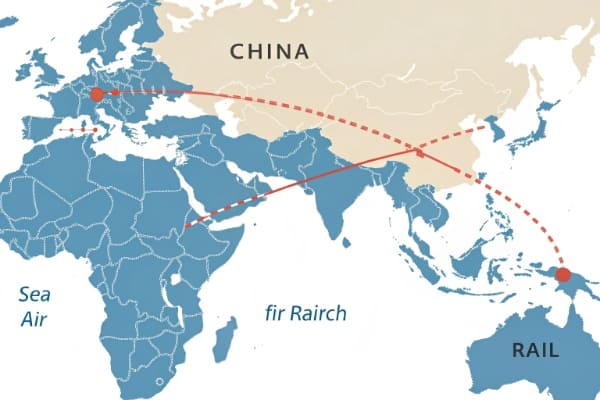
Choosing the right shipping method5 is the first major decision you'll make. Your choice impacts your cost, delivery speed, and even the type of products you can ship. I always tell my clients to think about their priorities first. Is speed the most important thing, or is it budget? Let's look at each option more closely.
Sea Freight
Sea freight is the most common and cost-effective method for shipping large quantities of goods. It's perfect if you are not in a rush and want to keep your costs down. You can choose between a Full Container Load (FCL) or Less than Container Load (LCL). FCL means you rent an entire container for your goods. LCL is for smaller shipments, where you share container space with other importers. LCL is a great option for shipments under 15 cubic meters. It allows you to ship smaller volumes without paying for a full container.
Air Freight
Air freight is your go-to option for speed. If you have an urgent deadline or are shipping high-value, lightweight products, air freight2 is the best choice. It's significantly faster than sea or rail, with goods arriving in Germany in just a few days. Of course, this speed comes at a higher price. We often use air freight2 for clients who need to launch a new product quickly or restock popular items before they sell out.
Rail Freight
Rail freight has become a popular alternative. It sits right between sea and air freight2 in terms of both cost and speed. It's faster than the sea but cheaper than the air. The China-Europe railway offers a reliable connection, with transit times7 typically between 12 and 22 days. This is a fantastic option if you need your goods faster than a ship can deliver but don't want to pay the premium for air cargo.
| Shipping Method | Best For | Typical Cost | Typical Transit Time |
|---|---|---|---|
| Sea Freight | Large, heavy, non-urgent cargo | Low | 25-38 days |
| Air Freight | Small, urgent, high-value cargo | High | 3-7 days |
| Rail Freight | Medium-sized cargo, balancing speed and cost | Medium | 12-22 days |
How Much Does Shipping from China to Germany Cost?
Shipping costs can feel unpredictable. Hidden fees can easily destroy your profit margins. Let's help you understand the key factors that determine your final shipping price.
Shipping costs vary widely based on the method, weight, volume, and season. You also need to account for customs duties8 and German VAT9, which is 19%. Getting a detailed quote from a freight forwarder10 is essential for accurate budgeting.
"How much will it cost?" This is always one of the first questions I get from clients. The answer is always, "It depends." Many factors influence the final price, and it's important to understand them to avoid surprises. A cheap initial quote can quickly become expensive if you don't account for all the potential charges.
Key Cost Factors
Your total cost is determined by a few main things. The shipping method5 is the biggest factor, with air being the most expensive and sea being the cheapest. The weight and volume of your cargo are also critical. Carriers charge based on which is greater: the actual weight or the volumetric weight. On top of that, you have fuel surcharges11, terminal handling fees, and fees for customs clearance. Prices also change with the seasons. Shipping during peak times, like before Christmas or after Chinese New Year, will always cost more due to high demand.
Customs Duties and VAT
Once your goods arrive in Germany, you must pay customs duties8 and taxes. Germany is part of the EU, so it follows the EU's customs regulations. Duties are calculated based on the product's HS code and its value. On top of the duties, you must pay Value Added Tax (VAT). The standard VAT rate in Germany is 19%. This tax is applied to the total value of your goods, which includes the product cost, shipping cost, and import duty. It's a significant expense that you must include in your budget.
Getting an Accurate Quote
To get a clear picture of your total costs, you need a detailed, all-inclusive quote from a reliable partner like us. A good quote will break down every single fee, from pickup at the factory to final delivery at your door. This transparency is key to managing your budget effectively.
| Cost Component | Description |
|---|---|
| Freight Charge | The basic cost of transporting goods from origin to destination. |
| Surcharges | Additional fees for fuel, peak season, and security. |
| Customs Clearance | Fees for processing import/export paperwork12. |
| Duties & Taxes | Government charges (tariffs and 19% German VAT9). |
| Local Charges | Terminal handling, warehousing, and final delivery fees. |
How Long Does Shipping from China to Germany Take?
Waiting for your shipment to arrive is stressful. Unexpected delays can disrupt your entire supply chain and disappoint your customers. Let's look at the typical transit times7 for each method.
Transit times depend on your shipping method5. Sea freight from a port like Hamburg takes about 25-38 days. Air freight is much faster, arriving in 3-7 days. Rail freight is a middle ground, with transit times7 of 12-22 days.

Delivery time is just as important as cost for many of my clients. Planning your inventory and marketing campaigns depends on knowing when your products will arrive. The transit times7 I share with my clients are usually port-to-port or airport-to-airport. You need to add extra time for ground transport, customs clearance, and potential delays.
Sea Freight Transit Time
Sea freight is the slowest option, but it is very reliable for planning. A container ship traveling from a major Chinese port like Shanghai or Shenzhen to a German port like Hamburg or Bremerhaven typically takes between 25 and 38 days. This time can vary a little based on the shipping line, the specific route, and weather conditions. I always advise clients using sea freight6 to plan their orders at least two months in advance to be safe.
Air Freight Transit Time
If you need your goods yesterday, air freight2 is the answer. Cargo planes are incredibly fast. From the moment your goods leave a major Chinese airport like Beijing (PEK) or Shanghai (PVG), you can expect them to arrive at an airport like Frankfurt (FRA) in about 3 to 7 days. This includes time for consolidation and handling. The speed makes it ideal for time-sensitive promotions or restocking urgent products.
Rail Freight Transit Time
Rail freight offers a great compromise. The journey on the "New Silk Road" railway is much faster than by sea. From a rail hub in China, like Xi'an or Chongqing, to a terminal in Germany, like Duisburg or Hamburg, the transit time is usually between 12 and 22 days. This predictability and speed have made it a very popular choice for businesses that want to get their products to market faster without paying the high price of air freight2. Remember, peak seasons like Chinese New Year can cause delays across all methods, so it's always smart to plan ahead.
Which Shipping Method Is Best for Your Cargo?
You're not sure which shipping method5 to pick. Choosing poorly means you might overpay or wait too long for your goods. Let's match your cargo to the perfect shipping method5.
Choose sea freight6 for large, heavy, or non-urgent shipments to keep costs low. Use air freight2 for small, lightweight, high-value, or urgent goods. Rail freight is a great balance of cost and speed for medium-sized shipments.
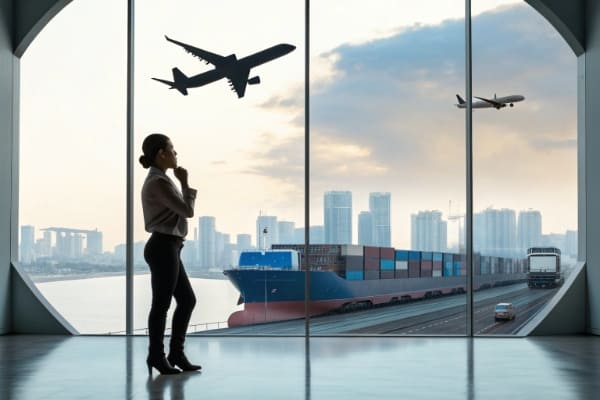
The "best" method really depends on your specific situation. I walk clients through a simple checklist to figure this out. We look at their budget, their deadline, and the size of their shipment. By weighing these three factors, the right choice usually becomes very clear. There's no single right answer for everyone, but there is a right answer for your business right now.
When to Choose Sea Freight
You should choose sea freight6 if your top priority is keeping costs low. It is by far the most economical way to move large and heavy goods over long distances. If you are shipping furniture, machinery, or large quantities of promotional products that are not time-sensitive, sea freight6 is the logical choice. For example, a client ordering 10,000 custom tote bags for an event six months away would benefit from the low cost of sea freight6. It's also great for products with low-profit margins, where every cent saved on shipping counts.
When to Choose Air Freight
You should choose air freight2 when speed is your number one concern. Is a major client waiting on an urgent order? Did you run out of your best-selling product? Air freight can save the day. It's also ideal for high-value, low-volume goods like electronics or jewelry, where the higher shipping cost is a small percentage of the product's value. I had a client who needed branded power banks for a trade show in two weeks. Air freight was the only option, and it ensured they had their products on time.
When to Choose Rail Freight
You should choose rail freight3 when you need a balance between speed and cost. It’s the perfect middle ground. Maybe you can't wait 35 days for a sea shipment, but you also don't want to pay the premium for air freight2. Rail is your answer. It's great for medium-sized shipments and for products like apparel, consumer electronics, and automotive parts. It provides a reliable and faster alternative to the ocean without breaking the bank.
| Factor | Sea Freight | Air Freight | Rail Freight |
|---|---|---|---|
| Budget | Low | High | Medium |
| Speed | Slow | Fast | Medium |
| Volume | Best for High Volume | Best for Low Volume | Good for Medium Volume |
| Urgency | Low | High | Medium |
What Documents Are Required to Ship from China to Germany?
Paperwork for international shipping is a real headache. One missing or incorrect document can get your shipment stuck in customs for weeks. Here is a checklist of the essential documents you'll need.
The key documents for shipping to Germany are the Commercial Invoice, Packing List, and Bill of Lading13 (sea) or Air Waybill (air). German importers also need an EORI number14 for customs clearance. Having accurate HS codes is crucial.
Getting the paperwork right is not the most exciting part of shipping, but it is one of the most important. I have seen shipments delayed for weeks because of a small mistake on a form. German customs is very efficient but also very strict. They need everything to be in perfect order. Working with an experienced partner ensures all your documents are correct before your shipment even leaves China.
Commercial Invoice
This is the most important document in your shipment. The commercial invoice4 is a bill from the seller (your supplier in China) to the buyer (you in Germany). It must include detailed information like the names and addresses of the buyer and seller, a clear description of the goods, the quantity, the price per unit, and the total value. Customs officials use this document to determine the duties and taxes you need to pay. Accuracy is everything here.
Packing List
The packing list15 is a detailed inventory of what is inside your shipment. It should list the contents of each box or pallet, including the net weight and gross weight. It also shows the dimensions of each package. This document is used by customs to verify the contents of your shipment without having to open every single box. It's also very useful for you and your warehouse team to check that you received everything you ordered.
Bill of Lading13 or Air Waybill
This document is the contract between you and the carrier. For sea freight6, it's called a Bill of Lading13 (B/L). For air freight2, it's an Air Waybill (AWB). It serves as a receipt for your goods and contains all the details of the shipment, including the origin, destination, and description of the cargo. You need the original Bill of Lading13 to claim your goods when they arrive in Germany.
EORI Number
If you are importing goods into the EU for business, you need an Economic Operators Registration and Identification (EORI) number. You must have this number to clear customs in Germany. You can apply for one through the German customs authority. It's a one-time registration, and you'll use the same number for all your future imports into the EU. We always remind new clients to get this sorted out early in the process.
How Does Door-to-Door Shipping from China to Germany Work?
Managing all the logistics from a factory in China to your warehouse in Germany is complicated. Coordinating multiple partners is time-consuming and full of risk. Door-to-door shipping simplifies the entire process.
Door-to-door (DDP) shipping means one company, like Toncentlink, handles everything. We manage pickup from the factory in China, Chinese export customs, international freight, German import customs, and final delivery to your address in Germany. It's a single, streamlined service.
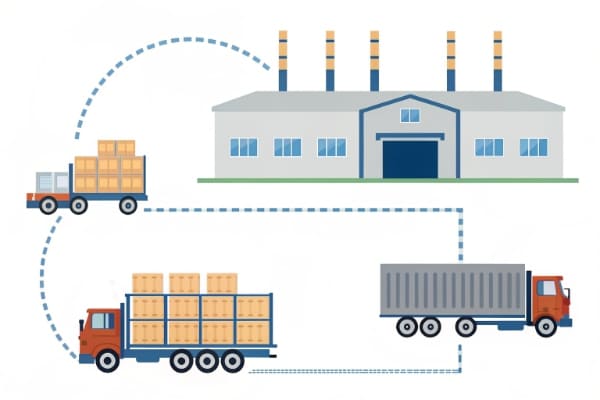
Many of our clients love our door-to-door service because it takes all the stress off their shoulders. They don't have to deal with freight forwarders, customs brokers, and trucking companies. They just place the order with us, and we handle the rest. It allows them to focus on what they do best: running their business. Let me show you how it works.
Step 1: Pickup and Export Clearance
The process starts at the source. We arrange for a truck to pick up your finished goods directly from your supplier's factory in China. Once we have the cargo, our team prepares all the necessary export documents and clears the goods through Chinese customs. We handle all the local logistics, so your supplier doesn't have to worry about anything. This first step is crucial for getting your shipment on its way without any delays at the origin.
Step 2: International Freight
After clearing export customs, your goods are transported to Germany. Depending on the service you chose, this will be via sea, air, or rail. We book the space with the carrier and manage the entire journey. We track the shipment and keep you updated on its progress. Whether it's on a container ship crossing the ocean or a cargo plane flying across continents, we make sure it's moving smoothly towards its destination.
Step 3: Import Clearance and Final Delivery
When the shipment arrives in Germany, our local partners take over. They handle the import customs clearance process. This includes submitting all the required documents and paying the duties and taxes on your behalf. Once customs releases the goods, we arrange for the final delivery. A truck will transport your cargo from the port, airport, or rail terminal directly to your warehouse, office, or specified address. The process is complete only when the goods are at your door. This end-to-end management is what makes door-to-door shipping so convenient and reliable.
Conclusion
Shipping from China to Germany is straightforward with the right knowledge. By choosing the best method and preparing correctly, you can ensure a smooth, cost-effective process every single time.
This link offers insights into optimizing your freight management for better efficiency and cost savings. ↩
Discover why air freight is the best choice for urgent shipments and high-value goods. ↩
This resource compares rail freight with other methods, helping you choose the best option for your needs. ↩
Understanding the commercial invoice is crucial for smooth customs clearance; explore this link for details. ↩
This resource helps you evaluate different shipping methods to find the best fit for your cargo. ↩
Learn about the benefits of sea freight, especially for large shipments, to make informed shipping decisions. ↩
Understanding transit times is key to planning your inventory; explore this link for detailed information. ↩
Get insights into customs duties and how they affect your shipping costs, ensuring you're well-prepared. ↩
This link provides essential information on VAT rates in Germany, crucial for budgeting your shipping costs. ↩
Understanding the role of a freight forwarder can help you navigate the complexities of shipping. ↩
Learn about surcharges that can affect your shipping costs and how to plan for them. ↩
This resource details the necessary paperwork for importing goods, ensuring compliance and efficiency. ↩
Learn about the Bill of Lading, a crucial document for shipping, and its role in the process. ↩
This link explains the importance of an EORI number for customs clearance in the EU. ↩
This resource outlines the essential elements of a packing list to ensure smooth customs processing. ↩