
Struggling to understand the costs and delays of shipping from China to Canada? Hidden fees and confusing rules can hurt your business. This guide makes the entire process simple and clear.
Shipping from China to Canada1 involves three main options: sea, air, and express. Sea freight is the cheapest but slowest (20–40 days). Air freight is faster (3–11 days) but more expensive. Express courier is the quickest (2–7 days) and costs the most per kilogram.
Navigating the logistics between China and Canada can feel overwhelming, especially for new importers. You have to deal with different languages, time zones, regulations, and a long list of potential problems that can pop up at any stage. But with the right knowledge and a reliable partner, you can turn this complex process into a smooth and predictable part of your supply chain2. This guide will break down everything you need to know, step by step, so you can import your products with confidence. Let's get started.
Why Is Shipping from China to Canada1 So Complex?
You get a shipping quote3 that looks great, but the final bill is much higher. These surprises can destroy your profit margins. Understanding the hidden complexities4 helps you avoid these costly mistakes.
Shipping from China to Canada1 is complex because it involves many steps and companies. This includes factory transport, customs in both countries5, ocean or air carriers, and final delivery. Each step has its own costs and potential for delays, making the total process hard to predict.
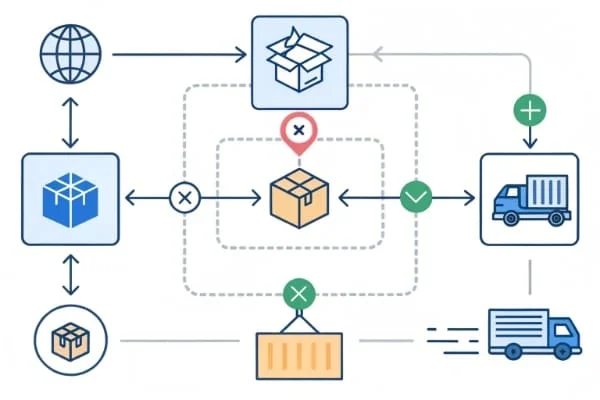
The journey your goods take is longer and more involved than most people think. It’s not just about putting a box on a boat. First, your products need to be transported from the factory in China to a port or airport. Then, they have to clear Chinese export customs. After that, they are loaded onto a vessel or plane. Once they arrive in Canada, they have to be unloaded, clear Canadian customs, and finally be trucked to your warehouse. Many different companies handle your shipment along the way, and a delay at one stage can create a ripple effect. For example, a customs inspection6 in Vancouver could hold up your shipment for a week, adding storage fees and delaying your sales.
Key Factors Adding Complexity
| Factor | Description | Impact on You |
|---|---|---|
| Multiple Handlers | Your cargo is passed between truckers, warehouses, port staff, and carriers. | Higher risk of damage, loss, or miscommunication. |
| Variable Costs | Fuel prices, seasonal demand, and container availability change constantly. | Shipping quotes can expire quickly and final costs can vary. |
| Dual Customs | Your goods must pass both Chinese export and Canadian import regulations. | Incorrect paperwork can cause delays and fines on either side. |
| Logistics Chain | The process involves many sequential steps that depend on each other. | A delay in one step (e.g., port congestion7) affects all following steps. |
How Much Does Shipping from China to Canada1 Really Cost?
Trying to budget for shipping costs feels like guesswork. Vague quotes often lead to unexpected charges on your final invoice. Learning what factors influence the price is key to getting an accurate estimate.
Your total shipping cost depends on the shipment's weight and volume, the shipping method you choose (sea, air, express), and the agreed Incoterms8. Sea freight offers the lowest cost per kilogram for large shipments, while air and express are priced higher for speed and convenience.
The first thing to understand is "chargeable weight9." Carriers will charge you based on either the actual weight or the volumetric weight of your shipment, whichever is greater. This is especially important for large but lightweight items. Beyond that, your choice of Incoterms8 makes a big difference. If you agree to EXW (Ex Works), you are responsible for all costs from the factory door in China. If you use FOB (Free on Board), the supplier pays to get the goods to the Chinese port, which can save you money on local transport. On top of the freight rate, you also have to budget for customs duties10, Canadian taxes (GST/HST), customs brokerage fees, and terminal handling charges at the port. I always tell my clients to ask for an "all-in" quote that lists every single fee to avoid surprises.
Estimated Cost Comparison (Sample 100kg Shipment)
| Shipping Method | Estimated Cost Range (USD) | Best For |
|---|---|---|
| Sea Freight (LCL) | $200 - $400 | Large, non-urgent shipments where cost is the priority. |
| Air Freight | $700 - $1,200 | Urgent or high-value goods that need to arrive quickly. |
| Express Courier | $900 - $1,500 | Small parcels, samples, and time-critical documents. |
How Long Does Shipping from China to Canada1 Take?
Your products are stuck somewhere in transit, and you have no idea when they will arrive. These delays lead to stockouts, missed sales opportunities, and frustrated customers. You need realistic transit times.
Door-to-door, sea freight11 from China to Canada typically takes 20–40 days. Air freight is much faster, arriving in 3–11 days. Express couriers like DHL or FedEx are the quickest, delivering in just 2–7 days. These times can be affected by customs clearance12 and port congestion7.
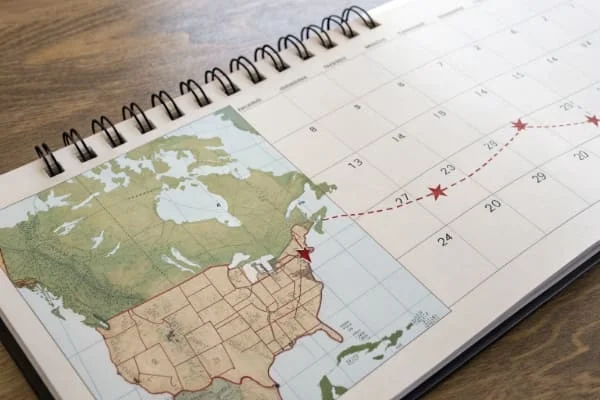
The total transit time is more than just the days the ship is on the water or the plane is in the air. You have to account for the entire door-to-door journey. For sea freight11, this includes trucking to the port in China, waiting for the vessel, the ocean voyage itself (which can be 15-25 days), unloading at a Canadian port like Vancouver or Prince Rupert, customs clearance12, and final delivery to your location. A client of mine once assumed the 20-day ocean transit was the total time and was surprised when their shipment took 35 days to arrive. Always remember to factor in potential delays, especially during peak seasons like before Christmas or after Chinese New Year, when ports are extremely busy and a one-week delay is common.
Breakdown of Transit Times
| Stage | Sea Freight | Air Freight |
|---|---|---|
| Inland China Transit | 2-5 days | 1-3 days |
| Port/Airport Handling | 3-7 days | 1-2 days |
| Ocean/Air Transit | 15-25 days | 1-5 days |
| Customs & Delivery | 3-7 days | 1-3 days |
| Total Estimated Time | 20-40 days | 3-11 days |
What Documents Are Required to Ship from China to Canada?
Your shipment is being held by customs, and you don't know why. A simple mistake with your paperwork is often the cause, leading to costly delays and storage fees. Prepare these essential documents correctly.
To ship from China to Canada, you absolutely need a Commercial Invoice, a Packing List, and a Bill of Lading (for sea) or an Air Waybill (for air). All information, especially the product descriptions, values, and HS codes, must be 100% accurate to avoid customs problems.
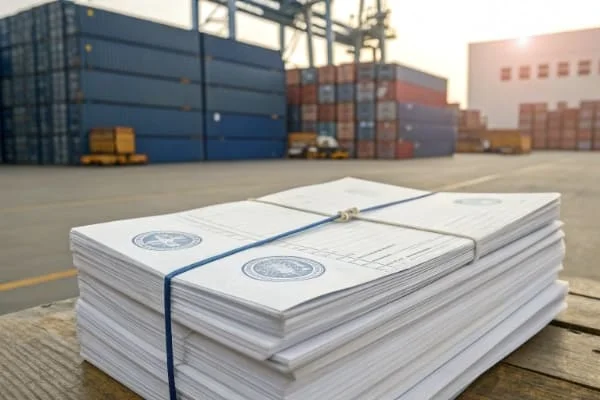
Think of your shipping documents13 as your goods' passport. Without the right paperwork, they aren't going anywhere. The Commercial Invoice is the most important document; it tells customs what you're importing, who bought it, who sold it, and how much it's worth. This value is used to calculate the duties and taxes you owe. The Packing List provides details about the contents of each box, including weights and dimensions, which helps customs officials if they decide to inspect your shipment. The Bill of Lading or Air Waybill is the contract between you and the shipping carrier. It proves ownership of the goods. I once had a shipment delayed for two weeks because the HS code on the commercial invoice was wrong. It’s a small detail, but getting it right is critical for a smooth customs process.
Key Document Checklist
- Commercial Invoice: Details the transaction between the seller and buyer.
- Packing List: Itemizes the contents of the shipment.
- Bill of Lading (B/L) or Air Waybill (AWB): The contract with the carrier.
- Certificate of Origin (if required): Verifies the country where the goods were made.
How Does Customs Clearance Work in Canada?
You hear the words "customs clearance12" and imagine a confusing, bureaucratic process. The fear of unexpected inspections, fees, and paperwork can be very stressful for any importer. Let's demystify the process.
When your shipment arrives in Canada, your customs broker submits your documents to the Canada Border Services Agency (CBSA). The CBSA reviews the declaration, assesses applicable duties and taxes (GST/HST), and, if everything is correct, releases the goods for delivery into the country.
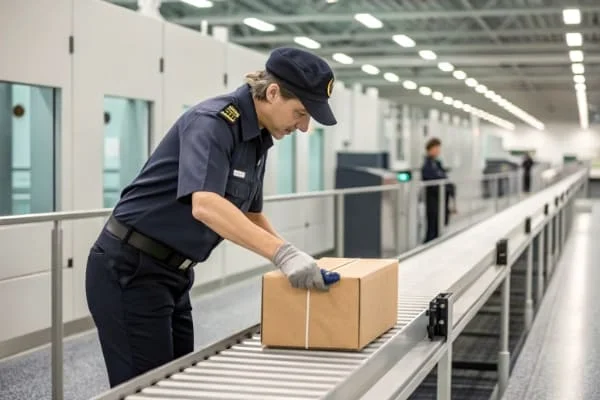
The customs clearance12 process is a formal procedure required to move goods across the border. Your freight forwarder14 or a licensed customs broker will act on your behalf. They take the documents you provide (like the commercial invoice and packing list) and use them to create a formal import declaration. This declaration includes the HS code for your product, which determines the rate of duty you will pay. Once the declaration is submitted, the CBSA's system calculates the total duties and taxes owed. You must pay these charges before your goods can be released. The CBSA may also choose your shipment for a random physical inspection to verify that the contents match the paperwork. While this doesn't happen every time, it's a possibility you should be prepared for as it can add time and cost to the process.
What Are the Most Common Problems When Shipping from China to Canada1?
You've planned everything perfectly, but something still goes wrong. A single unexpected issue can cause a chain reaction of delays and costs. Knowing the common problems is the first step to avoiding them.
The most common problems are customs delays from incorrect paperwork, unexpected fees from non-transparent forwarders, goods getting damaged in transit, and delays from port congestion7. Choosing a reliable shipping partner is the best way to minimize these risks and ensure a smooth process.
In my years of managing supply chain2s, I've seen it all. The number one issue is, without a doubt, documentation errors. A simple typo in the value or an incorrect HS code can get your shipment flagged for inspection immediately. Another major problem is hidden fees15. Some freight forwarder14s will give you an unrealistically low quote to win your business, only to add on charges for fuel, documentation, or terminal handling later. Then there are physical delays. Your container might get "rolled," meaning it's bumped to a later ship because the vessel was overbooked. Or it could arrive at a congested port like Vancouver and have to wait offshore for a week before it can even be unloaded. These issues can be frustrating, but they can be managed with careful planning and by working with a forwarder who communicates transparently.
Do You Need Cargo Insurance When Shipping from China to Canada1?
You assume your shipment is automatically protected if something goes wrong. But if your container falls overboard or your products are damaged, who pays for the loss? You need to protect your investment.
Yes, you absolutely need cargo insurance16. A carrier's legal liability is extremely limited and will only cover a tiny fraction of your product's value if lost or damaged. Insurance is a small, essential cost that provides complete financial protection and peace of mind.
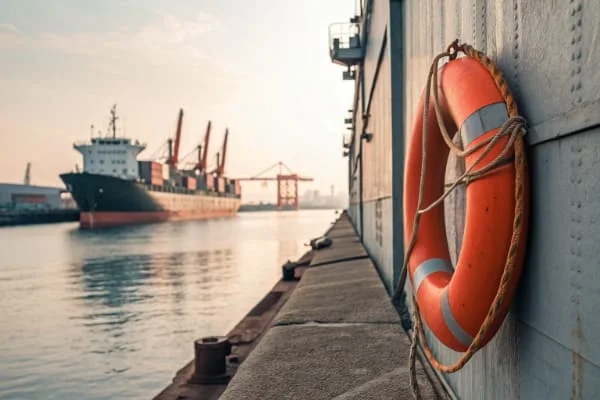
Many importers mistakenly believe the shipping line is responsible for the full value of their goods. This is not true. By international law, a carrier's liability is capped at a very low amount, often just a few dollars per kilogram. If your container of high-value electronics is lost at sea, the carrier might only be legally required to pay you a few hundred dollars. Cargo insurance, on the other hand, covers the full invoice value of your goods. I had a client whose shipment of ceramic vases was improperly handled at the port, and half the inventory was shattered. Because they had "All-Risk" insurance, they were fully reimbursed for the value of the damaged goods and their freight costs. The premium they paid was a tiny price for avoiding a massive financial loss. It’s not just a recommendation; it's a business necessity.
Conclusion
Shipping from China to Canada1 involves many steps, but it becomes manageable when you understand the key factors. Focus on clear costs, realistic timelines, and perfect paperwork to ensure a smooth process.
Explore comprehensive guides that simplify the shipping process and help you avoid hidden fees. ↩
Explore the importance of shipping in your overall supply chain management. ↩
Learn how to request detailed shipping quotes to avoid unexpected costs. ↩
Gain insights into common pitfalls and how to navigate them effectively. ↩
Understanding customs regulations is crucial for smooth shipping; explore detailed resources. ↩
Find out what can lead to customs inspections and how to prepare for them. ↩
Stay informed about port congestion issues to better plan your shipping schedules. ↩
Explore how different Incoterms can save you money and clarify responsibilities. ↩
Learn how chargeable weight affects your shipping costs and how to calculate it accurately. ↩
Understanding customs duties is essential for budgeting; find detailed explanations. ↩
Learn about the most cost-effective shipping method and its pros and cons for your business. ↩
Demystify the customs clearance process to avoid delays and ensure compliance. ↩
Ensure your shipments are not delayed by learning about essential shipping documents. ↩
Discover how a freight forwarder can simplify your shipping process and save you time. ↩
Avoid surprises by learning about hidden fees that can inflate your shipping costs. ↩
Learn why cargo insurance is essential for protecting your investment during transit. ↩