
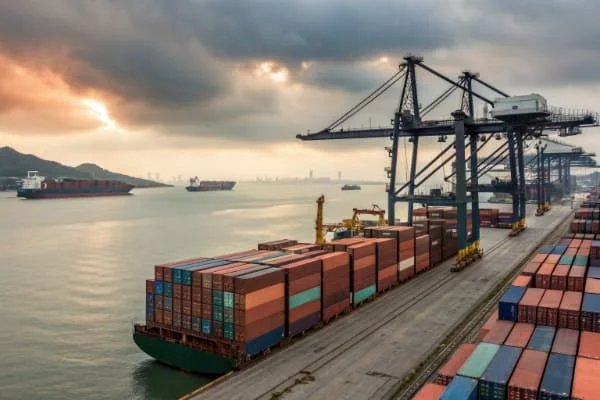
Shipping from China to Australia1 seems complex. Hidden costs and delays2 can hurt your business. Let's simplify your options so you can choose the best shipping method3.
The best shipping method3 depends on your needs. Sea freight4 is cheapest for large orders, with a full container (FCL) costing around $1,469-$2,800. Air freight5 is faster (3-5 days), and express is quickest (1-3 days). LCL sea freight is great for smaller volumes.
Choosing the right shipping method3 is a big decision for your business. It directly impacts your costs, delivery times, and customer satisfaction. But how do you know what you'll actually pay? Let's look closer at the real costs involved. We will break it down for you.
How much does shipping from China to Australia cost?
Unsure how much to budget for shipping? Unexpected fees can ruin your profits. Here’s a clear breakdown of what you can expect to pay for different shipping method3s.
A 20ft Full Container Load (FCL)6 by sea costs between $1,469 and $2,800 USD. Less than Container Load (LCL)7 is cheaper for small volumes, typically $40-$100 per cubic meter. Air freight5 is more expensive but faster. Remember to factor in potential surcharges.
Understanding the costs is the first step to a successful import plan. The price you pay depends on the shipping method3, the volume of your goods, and other factors. I always tell my clients to look beyond the base rate. I once had a client who got a very cheap FCL quote but was shocked by surcharges during peak season. It added nearly 15% to their total cost.
Sea Freight Costs: FCL vs. LCL
Sea freight4 is the most common and cost-effective method for larger shipments.
- Full Container Load (FCL)6: You rent an entire 20ft or 40ft container. This is the best choice if your shipment is large enough to fill at least half of a 20ft container. A 20ft container to major Australian ports like Sydney or Melbourne costs between $1,469 and $2,800.
- Less than Container Load (LCL)7: You share container space with other importers. This is perfect for smaller shipments. You pay per cubic meter (CBM), with rates typically between $40 and $100 per CBM.
Air Freight Costs
Air freight5 is much faster but also more expensive. It's priced based on chargeable weight, which is the greater of the actual weight or the volumetric weight. It's best for urgent, high-value, or lightweight goods.
Additional Costs to Consider
Your final bill will include more than just freight. Be aware of these common charges:
| Charge Type | Description |
|---|---|
| Fuel Surcharges | Fluctuates with global oil prices. |
| Peak Season Surcharges | Rates increase before major holidays. |
| Port Fees | Terminal handling charges at both ends. |
| Customs Brokerage | Fees for handling customs clearance8. |
| Insurance | Protects your goods against loss or damage. |
How long does shipping from China to Australia take?
Anxious about when your products will arrive? Shipping delays2 can disrupt your entire business schedule. Let's look at the typical transit times9 so you can plan effectively.
Sea freight4 from China to Australia generally takes 18-35 days. For faster delivery, air freight takes about 3-5 days. The quickest option is express shipping, which can deliver your goods in just 1-3 days, though it is the most expensive method.
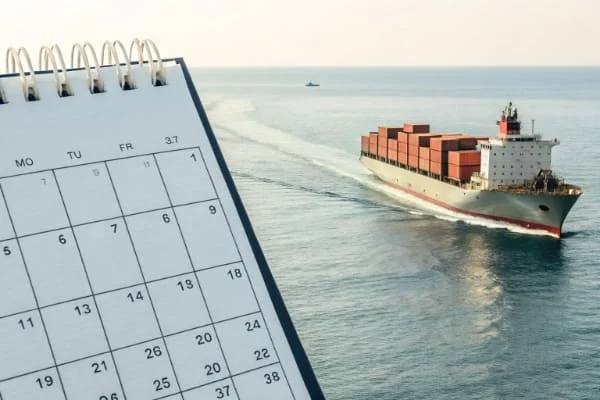
Your delivery timeline is just as important as your budget. The transit times9 I share with clients are always estimates. Real-world factors can add delays2. I remember a client who needed urgent promotional items for a trade show in Sydney. They chose air freight, and the goods arrived in 4 days, just in time. If they had picked sea freight, they would have missed their event entirely. Always add a buffer to your timeline. Popular routes like Shanghai to Sydney or Shenzhen to Melbourne are generally reliable, but it's wise to plan ahead.
Sea Freight Transit Times
This is the "slow and steady" option. The time depends on the specific ports and carrier schedule.
- Port-to-Port: The ocean journey itself usually takes 18 to 35 days.
- Door-to-Door: The entire process, including pickup in China and delivery in Australia, can take 30 to 50 days. This accounts for ground transport, customs, and port handling.
Air Freight & Express Transit Times
When you need speed, air is the way to go.
- Standard Air Freight: Typically takes 3 to 5 days for your goods to arrive at an Australian airport.
- Express Shipping (Courier): This is the fastest method, with providers like DHL or FedEx offering door-to-door delivery in 1 to 3 days.
Factors That Affect Shipping Time
Several things can change your delivery date. Be aware of them.
| Factor | Impact on Timeline |
|---|---|
| Customs Clearance | Delays can happen if paperwork is wrong. |
| Port Congestion | Busy ports can add days to your wait. |
| Weather | Bad weather can delay ships at sea. |
| Holidays | Chinese and Australian holidays shut down operations. |
What is the best shipping method3 from China to Australia?
Choosing a shipping method3 can be confusing. The wrong choice costs you money or time. Let's help you decide based on your shipment's size, budget, and urgency.
For large shipments (over 15 CBM or half a 20ft container), FCL sea freight is most cost-effective. For smaller shipments, LCL sea freight is ideal. If you need products fast, air freight is the best balance of speed and cost for urgent orders.
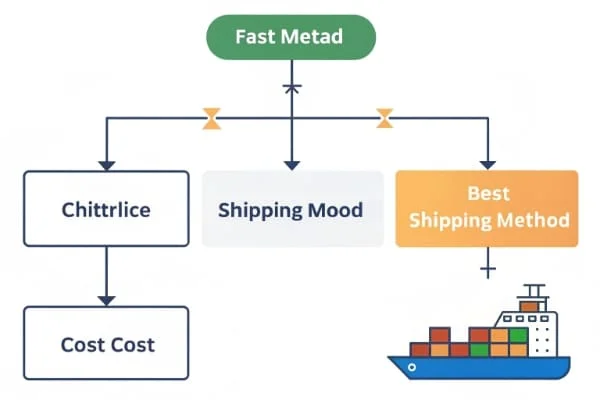
There is no single "best" method. The right choice depends entirely on your situation. I work with many e-commerce sellers who start by using LCL to test new products. They consolidate small orders from different suppliers with us to save on costs. As their business grows, they often move to FCL shipments for better cost-per-unit. The key is to match the method to your current business needs. Using a digital freight platform can also help you compare real-time rates and book the best option instantly.
When to Choose Sea Freight (FCL & LCL)
Sea freight4 is your go-to for cost savings, especially with heavy or bulky goods.
- Choose FCL when your shipment volume is large, typically 15 CBM or more. It provides security since the container is sealed just for you, and it offers the lowest cost per unit for big orders.
- Choose LCL when your shipment is smaller, usually between 2 and 15 CBM. It’s a great way to save money by sharing container costs, which is why we offer consolidation services to combine multiple small orders into one LCL shipment.
When to Choose Air Freight or Express
Air freight5 is all about speed.
- Choose Air Freight for time-sensitive cargo, like products for a specific event or to restock a popular item quickly. It's also great for high-value, low-volume goods where the shipping cost is a smaller percentage of the total value.
Making the Right Choice: A Simple Guide
Use this table as a quick reference to make your decision.
| Factor | Sea Freight (FCL/LCL) | Air Freight |
|---|---|---|
| Best For | Large, bulky, or non-urgent goods. | Urgent, high-value, or small goods. |
| Cost | Low | High |
| Speed | Slow (18-35 days) | Fast (3-5 days) |
| Volume | Ideal for 2 CBM and up. | Best for smaller, lighter shipments. |
What customs rules, duties, and GST apply in Australia?
Worried about Australian customs rules? Unexpected duties and clearance delays2 can be a major problem. Let’s cover the key customs requirements so your shipment goes smoothly.
Most goods imported into Australia are subject to a duty (often 5%) based on their HS code and a 10% Goods and Services Tax (GST)10 on the total value. You will need a commercial invoice, packing list, and Bill of Lading for clearance.
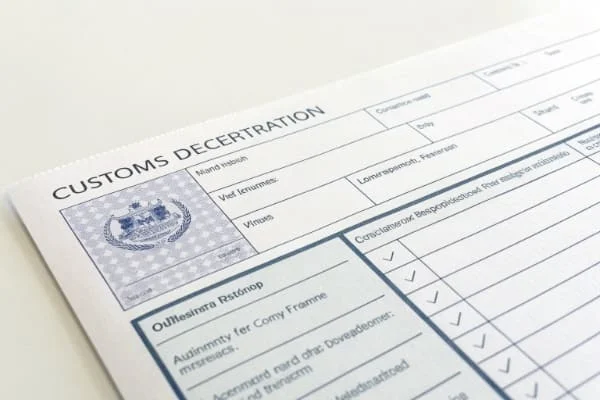
Customs is often the most intimidating part for new importers. I once helped a client who had misclassified their products with the wrong HS code. Their shipment was held up for weeks, and they had to pay extra fees to get it corrected. Getting your paperwork right from the start is critical. All commercial goods entering Australia require formal customs clearance8, so it's important to understand your obligations regarding duties and GST. Working with a reliable partner who can prepare the correct documents makes this process much easier.
Understanding Import Duties
The duty you pay depends on the type of product you are importing.
- HS Codes: Every product has a Harmonized System (HS) code. This code determines the duty rate. Most goods imported into Australia have a duty rate of 5%, but some can be 0% or higher.
- Calculating Duty: The duty is calculated as a percentage of the customs value of your goods (the price you paid for them).
Calculating the Goods and Services Tax (GST)10
Almost all imports are subject to a 10% GST.
- How it's Calculated: The GST is not just on the product cost. It's calculated on the (Value of Goods + Shipping Cost + Insurance + Import Duty). You must factor this into your final landed cost.
Essential Documents for Customs Clearance
To avoid delays2, make sure you have these documents ready.
- Commercial Invoice: Shows the price, description, and HS code of your goods.
- Packing List: Details the contents, weight, and dimensions of each carton.
- Bill of Lading (for sea) or Air Waybill (for air): The contract between you and the carrier.
- Certificate of Origin (if applicable): May be needed for certain free trade agreements.
Conclusion
Shipping from China to Australia1 is manageable. Choose the right method based on cost, time, and volume, and prepare for customs to ensure a smooth, profitable import process.
Explore comprehensive guides on shipping from China to Australia to streamline your import process. ↩
Learn strategies to minimize delays and ensure timely delivery of your goods. ↩
Discover various shipping methods to find the one that best suits your business needs. ↩
Sea freight can be cost-effective for large shipments; find out how it can benefit your business. ↩
Air freight is fast; explore its benefits for urgent shipments and high-value goods. ↩
Understand the benefits of FCL shipping for large orders and how it can save you money. ↩
LCL shipping is ideal for smaller shipments; learn how it works and its advantages. ↩
Familiarize yourself with customs clearance to avoid delays and ensure compliance. ↩
Knowing transit times helps you plan your inventory and delivery schedules effectively. ↩
Learn how GST affects your total landed cost and budgeting for imports. ↩