
Are you struggling to understand the process of shipping goods from China to the UAE? The costs, timelines, and paperwork can feel overwhelming, but I'm here to simplify it.
Ocean freight from China to the UAE1 typically takes 16 to 30 days. The process involves booking space on a ship, trucking goods to a Chinese port, customs clearance2, sea transit to a UAE port like Jebel Ali3, and final delivery4. Costs vary based on the shipping mode5.
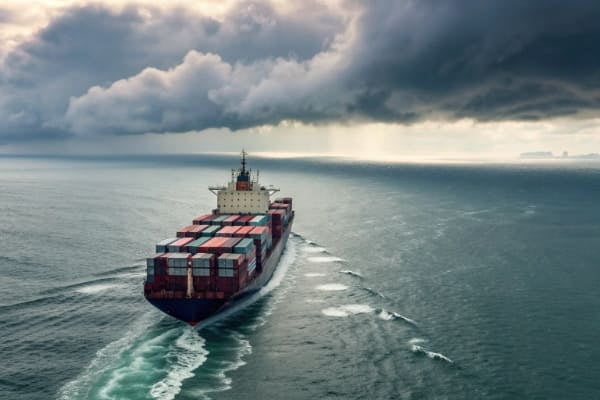
I've managed countless shipments for clients to the UAE, and I know how confusing it can seem at first. You're trying to get your products, but you're hit with terms like FCL6, LCL7, FOB8, and DDP9. It feels like a different language. But don't worry. Once you understand the basic steps and options, it becomes much easier. In this guide, I'll walk you through everything you need to know, from choosing the right shipping method to clearing customs and getting your products delivered to your door. Let's get your goods moving.
What Is Ocean Freight from China to the UAE, and How Does Door-to-Door Shipping Work?
"Door-to-door" sounds simple, but what does it really involve? You might be missing key steps or hidden costs in the process. Let's clarify the entire journey.
Ocean freight is the process of shipping goods by sea, which is very cost-effective for bulk cargo. Door-to-door service means your freight forwarder10 manages the entire journey from the factory in China to your warehouse in the UAE, including all logistics and paperwork.
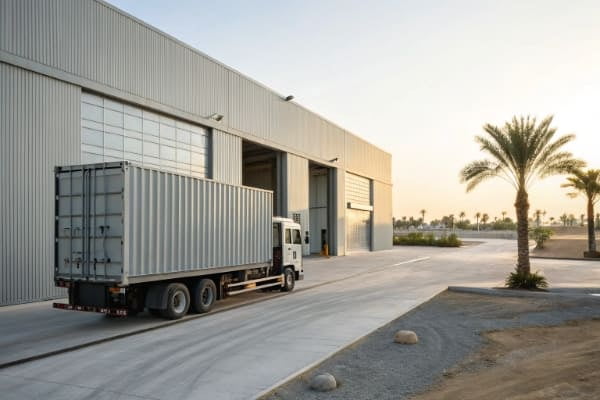
When we talk about door-to-door shipping, we are talking about a complete, hands-off service. I handle this for clients all the time. It means my team and I take responsibility for every single step. We don't just put your container on a boat. We coordinate the entire chain of events. This starts with picking up the finished products directly from your supplier's factory in China. We then handle the trucking to the port, manage all the export documents, and get it cleared with Chinese customs. After the sea voyage to a major UAE port like Jebel Ali3, our work continues. We manage the import customs clearance2, pay any necessary duties on your behalf, and then arrange for a truck to deliver the goods right to your final destination, whether it's a warehouse in Dubai or a retail store in Abu Dhabi. This integrated approach saves you from dealing with multiple companies and complex procedures.
Door-to-Door Shipping Steps
| Step | Action | Location |
|---|---|---|
| 1 | Cargo Pickup | Supplier's Factory in China |
| 2 | Trucking to Port | China |
| 3 | Export Customs Clearance | Chinese Port (e.g., Shenzhen, Ningbo) |
| 4 | Ocean Transit | From China to UAE |
| 5 | Import Customs Clearance | UAE Port (e.g., Jebel Ali3, Abu Dhabi) |
| 6 | Final Delivery | Your Address in the UAE |
What Are the Key Steps in the Ocean Freight Process via Jebel Ali3 and Abu Dhabi Ports?
Shipping to major UAE ports like Jebel Ali3 seems complex. One small mistake in the process can cause huge delays and extra fees. I'll outline the exact steps for you.
The process starts with booking with a forwarder and cargo pickup. It moves to export customs in China, sea transit to Jebel Ali3 or Abu Dhabi, and finally, import clearance11 and local delivery within the UAE. Each step requires careful coordination.
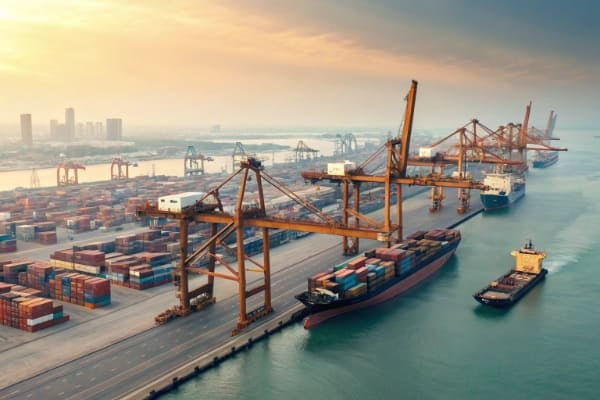
Navigating the logistics chain12 for the UAE requires precision. I remember a client whose previous forwarder failed to file the correct export documents in China. Their container was held at the port for two weeks, causing them to miss a major sales event in Dubai. This is why following a clear, structured process is so important. We manage every detail to prevent such problems.
1. Booking and Documentation
First, you provide us with details about your cargo, including the commercial invoice and packing list. We use this to book space on a vessel and give you a clear shipping schedule.
2. Cargo Collection and Consolidation
Our team arranges for a truck to pick up your goods from the supplier's factory. If you're using LCL7 or have multiple suppliers, we bring the goods to our warehouse for consolidation13.
3. Export Customs Clearance in China
We prepare and submit all necessary export paperwork to Chinese customs authorities. This ensures your shipment can legally leave the country without any holds.
4. Sea Transit to the UAE
Once cleared, your container is loaded onto the ship. The vessel then sails from a major Chinese port like Shenzhen, Guangzhou, or Ningbo directly to a UAE port. Most of our clients ship to Jebel Ali3, the largest and most efficient port in the region.
5. Arrival and Import Clearance at a UAE Port
Upon arrival at Jebel Ali3 or Abu Dhabi, we handle the import declaration. We work with our local partners to ensure all documents are correct for UAE customs14, including the proper HS codes15 for your products.
6. Final Delivery
After the shipment is cleared and all duties are paid, we arrange for final delivery4. A truck picks up your container or LCL7 cargo from the port and delivers it straight to your door.
FCL vs LCL: Which Ocean Freight Option Is More Cost-Effective for Your UAE Imports?
Choosing between FCL6 and LCL7 can be confusing. Picking the wrong one can cost you a lot of money or cause unexpected delays. Let's find the best fit for you.
FCL6 (Full Container Load) is best for large shipments over 15 cubic meters (CBM), as you pay for an entire container. LCL7 (Less than Container Load) is cheaper for smaller shipments because you only pay for the space you use inside a shared container.
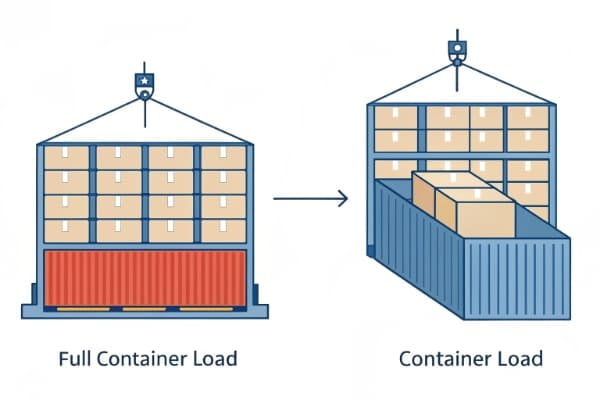
Deciding between FCL6 and LCL7 is one of the first big choices you'll make. The right answer depends entirely on the size of your shipment. Think of FCL6 as chartering a private bus—you get the whole thing to yourself. It's faster and more secure because the container is sealed at the factory and only opened at your warehouse. LCL7 is like buying a ticket on a public bus—you share the ride with others. It's more economical for small shipments but takes longer because the forwarder needs to group and separate cargo from different customers at both ends.
Generally, if your shipment is larger than 15 CBM, FCL6 becomes the more cost-effective option. For a 20-foot FCL6 container to the UAE, you might pay around $750-$1,100. For an LCL7 shipment, the rate is calculated per cubic meter, often around $18/CBM. So, for a 5 CBM shipment, LCL7 is clearly cheaper. But for a 16 CBM shipment, paying for an entire 20-foot container is usually the better deal.
FCL6 vs. LCL7 Comparison
| Feature | FCL6 (Full Container Load) | LCL7 (Less than Container Load) |
|---|---|---|
| Best For | Large, bulky shipments (over 15 CBM) | Small shipments (1-15 CBM) |
| Cost Structure | Flat rate per container | Per cubic meter (CBM) or per ton |
| Transit Time | Faster, more direct | Slower due to consolidation13/deconsolidation13 |
| Security | Higher (sealed container) | Lower (shared space, more handling) |
| Ideal Use Case | A full order from one supplier | Small test orders or multiple suppliers |
How Does UAE Customs Clearance Work for Mainland and Free Zone Shipments?
UAE customs14 can be tricky, especially with its mainland and free zone rules. A simple mistake can lead to costly fines and your goods being seized. I'll explain the process.
For mainland UAE shipments, a standard 5% import duty is usually charged on the CIF value. For shipments to a free zone like JAFZA, goods can be imported duty-free for storage or re-export. Proper HS codes15 and documents are critical for both.
Understanding the difference between a mainland and a free zone shipment is crucial for importing into the UAE. I had a client who was setting up a distribution hub in the Jebel Ali3 Free Zone (JAFZA) to serve the wider Middle East. They didn't realize that goods could enter JAFZA without paying the 5% UAE import duty. By structuring their shipments as "free zone transit," we saved them thousands in upfront costs, as duties were only payable on the small portion of goods they later moved into the Dubai mainland market. This is a perfect example of how the right knowledge can directly impact your bottom line.
Mainland Shipments
When your goods are destined for sale within the UAE market, they are cleared as a mainland shipment. This process requires:
- Standard Duty: A 5% duty is applied to the CIF value (Cost of Goods + Insurance + Freight).
- VAT: A 5% Value Added Tax (VAT) is also levied.
- Required Documents: You'll need a Commercial Invoice, Packing List, Bill of Lading, and sometimes a Certificate of Origin.
Free Zone Shipments
If you are using a UAE free zone like JAFZA for storage, assembly, or re-export, the rules are different:
- Duty Suspension: No import duty or VAT is paid when the goods enter the free zone.
- Benefits: This is ideal for companies using the UAE as a regional hub. You can store goods and ship them to other countries without paying UAE taxes.
- Moving to Mainland: Duty and VAT become payable only if you decide to move the goods from the free zone into the UAE mainland for local sale.
In both cases, using the correct Harmonized System (HS) code for your products is non-negotiable. An incorrect code can lead to inspections, delays, and financial penalties.
How Long Does Ocean Freight from China to the UAE Take, and What Is the Total Cost?
You need clear timelines and budgets for your projects. Unexpected delays and hidden fees can ruin your profitability and planning. Here are the real numbers you can expect.
Ocean freight transit time from China to the UAE is typically 16 to 30 days from port to port. The total landed cost includes the freight charge plus local fees, customs duties, and taxes. A 20ft FCL6 container costs around $750-$1,100 for the freight portion.

Let's break down the two most important questions my clients ask: "How long will it take?" and "How much will it cost?" The answers have a few layers. The sea journey itself (port-to-port) from a major Chinese port like Shenzhen to Jebel Ali3 can be as fast as 16-22 days. However, you must account for the full door-to-door timeline. This includes trucking in China, customs clearance2, and final delivery4 in the UAE, which adds another 7-14 days. So, a realistic door-to-door timeframe is usually 25-40 days.
For cost, the ocean freight rate is just one part. A 40-foot container might cost around $1,350 in freight, but you also need to budget for other charges. These include fees at the origin and destination ports, customs brokerage fees, and of course, the 5% UAE import duty and 5% VAT. Factors like peak shipping season or sudden fuel price increases can also affect the final cost. That’s why we always provide a detailed, all-inclusive quote, so you see the full picture upfront.
Estimated Transit Times & Costs
| Service | Transit Time (Port-to-Port) | Estimated Freight Cost |
|---|---|---|
| FCL6 (20ft Container) | 16-25 Days | $750 - $1,100 |
| FCL6 (40ft Container) | 16-25 Days | ~$1,350 |
| LCL7 (per CBM) | 20-30 Days | ~$18 |
Note: These are freight costs only. The total landed cost will include additional charges for trucking, customs, duties, and taxes.
How Do You Choose a Reliable Ocean Freight Forwarder for the UAE Market?
Your shipment's success depends almost entirely on your forwarder. A bad partner will cause stress, delays, and lost money. Here is what you need to look for.
Choose a forwarder with proven experience in the China-UAE shipping lane, especially with UAE customs14 and free zones. They must offer transparent, all-inclusive pricing, real-time tracking, and comprehensive door-to-door service16. A one-stop partner is the most reliable choice.

Choosing the right freight forwarder10 is the most important decision you will make in your shipping process. I see it as finding a true partner, not just a service provider. A good forwarder acts as an extension of your own team, protecting your interests every step of the way. You need someone who knows the specific challenges of the China-to-UAE route. They should understand the documentation requirements for Jebel Ali3, know how to handle free zone entries, and have strong relationships with local customs brokers.
Look for a company that offers a complete, integrated solution. Can they handle everything from picking up your products at the factory to quality control, consolidation13, and final delivery4? This is what we do at Toncentlink. By managing the entire supply chain, we eliminate the communication gaps and blame games that happen when you work with separate sourcing agents, factories, and forwarders. A reliable partner provides clear, upfront pricing with no hidden fees, gives you access to real-time tracking, and communicates proactively if any issues arise. This level of service is what turns a stressful shipping process into a smooth, predictable part of your business.
Conclusion
Shipping from China to the UAE is straightforward with the right plan. Understanding your options like FCL6 or LCL7, preparing for customs, and choosing a reliable partner are the keys to success.
Explore this resource to understand the entire shipping process and how to navigate it effectively. ↩
Get insights into customs clearance processes to avoid delays and fines. ↩
Explore the significance of Jebel Ali port in global shipping and logistics. ↩
Learn about the final delivery process to ensure your goods reach you safely. ↩
Learn about various shipping modes to choose the best option for your needs. ↩
Discover the benefits of Full Container Load (FCL) shipping and when to use it. ↩
Find out how Less than Container Load (LCL) shipping can save you money on smaller shipments. ↩
Understanding Free on Board (FOB) can help you negotiate better shipping deals. ↩
Learn about Delivered Duty Paid (DDP) and how it affects your shipping costs. ↩
Find tips on selecting a freight forwarder to ensure smooth shipping. ↩
Understand the import clearance process to ensure compliance and avoid delays. ↩
Explore the logistics chain to understand how goods move from origin to destination. ↩
Learn how cargo consolidation can save you money and improve efficiency. ↩
Understand UAE customs regulations to avoid complications during shipping. ↩
Learn about Harmonized System (HS) codes to ensure compliance in shipping. ↩
Discover the advantages of door-to-door shipping for hassle-free delivery. ↩