
Shipping from China to New Zealand feels complex. Worried about delays and hidden fees? Let's break down the entire process, timing, and costs for you.
Ocean freight from China to New Zealand1 typically takes 15-35 days port-to-port. A 20ft container (FCL) costs around $1,050-$1,650, while LCL rates start at $72/CBM. Door-to-door service2 extends this, making the total transit 25-40 days. Costs depend on volume and ports.
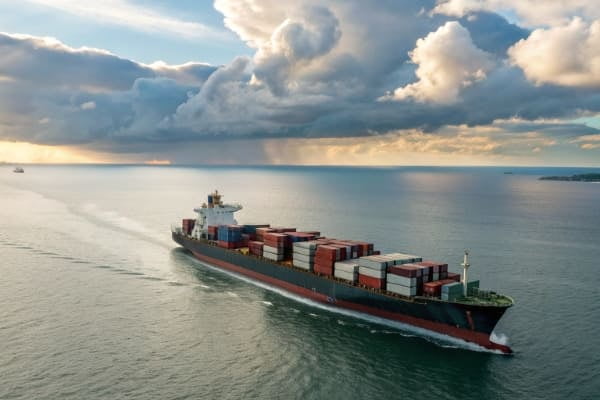
Now that you have a quick overview, you probably want more details. Understanding each step helps you plan better and avoid surprises. Let's dive into exactly how ocean freight works and what you can expect along the way.
What Is Ocean Freight from China to New Zealand and How Does Door-to-Door Shipping Work?
Heard of door-to-door shipping but unsure what it includes? Worried about managing multiple steps? I'll show you how this service simplifies everything from factory to final destination.
Ocean freight is shipping goods via sea carrier. Door-to-door service2 manages the entire process for you: pickup from the China factory, trucking, customs clearance in both countries, ocean transit, and final delivery to your New Zealand address. It’s an all-in-one logistics solution.
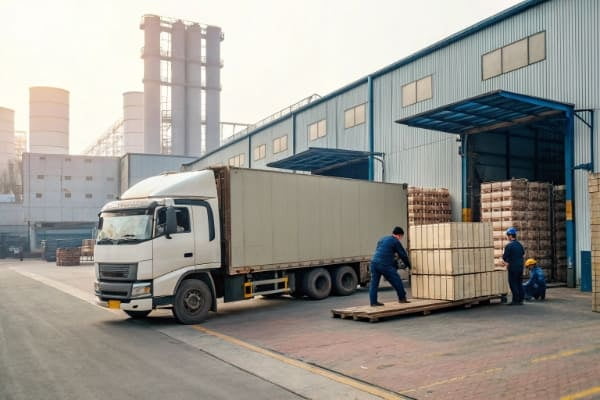
Ocean freight is the backbone of global trade, moving large volumes of goods between countries like China and New Zealand. But the process involves more than just the sea journey. That's where door-to-door service comes in. As your sourcing partner, we handle every single step. Think of us as your logistics team on the ground in China.
The process isn't just one step; it's a chain of events that need perfect coordination. Here’s a simple breakdown of what a typical door-to-door shipment includes:
The Door-to-Door Journey
| Stage | Description |
|---|---|
| 1. Factory Pickup | We arrange a truck to collect your goods directly from the supplier's factory in China. |
| 2. Port Trucking | Your cargo is transported to the nearest major port, like Shanghai or Shenzhen. |
| 3. Export Customs3 | We handle all the necessary export documentation and clear your goods with Chinese customs. |
| 4. Ocean Transit | The container is loaded onto a vessel and sails to a New Zealand port like Auckland. |
| 5. Import Customs4 | Upon arrival, we manage the import clearance process with New Zealand Customs. |
| 6. Final Delivery | After clearance, the goods are trucked from the port to your final address. |
This integrated approach saves you from juggling multiple contacts and worrying about handovers. You get one point of contact and one simple invoice for the entire journey. It’s the most hassle-free way to import.
What Are the Key Steps in the Ocean Freight Process via Auckland, Tauranga or Lyttelton?
The shipping process feels like a black box. Are you afraid of missing a step and causing a delay? I will walk you through the key stages sequentially.
The key steps are: 1) Booking freight and preparing documents. 2) Trucking goods to the port and clearing China export customs. 3) Ocean transit to Auckland, Tauranga, or Lyttelton. 4) Unloading and clearing New Zealand import customs. 5) Final delivery to your address.
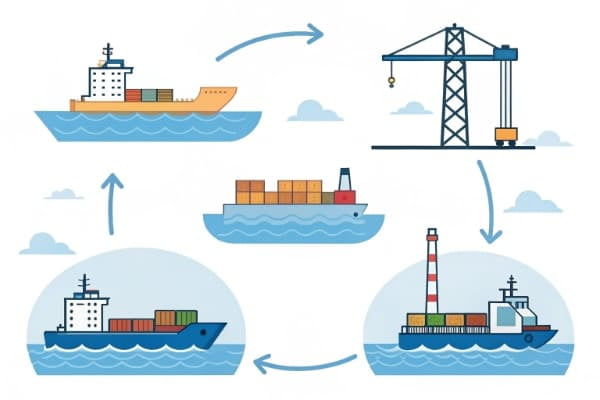
Understanding the step-by-step process demystifies shipping. When we manage your freight, we follow a clear, predictable path to get your products from China to major New Zealand ports like Auckland, Tauranga, or Lyttelton. Each stage has a specific purpose.
First, we start with Booking & Documentation. Once your production is complete, we book space on a container ship. At this time, we gather all essential paperwork: the Commercial Invoice (value of goods), Packing List (details of the shipment), and Bill of Lading (the contract of carriage). Getting these documents right is critical to avoid delays.
Next is Origin Handling. We arrange for your goods to be trucked to the port, for example, from a factory in Yiwu to the Port of Ningbo. Here, they are either loaded into a dedicated container (FCL) or grouped with other shipments (LCL). Then, we clear them through Chinese export customs.
After that comes the Ocean Transit. The vessel sails across the ocean, a journey that can take 15-35 days. We track the shipment and provide you with updates.
Finally, we have Destination Handling. Upon arrival in New Zealand, the container is unloaded. We then manage the import customs clearance and MPI biosecurity checks. Once cleared, your goods are ready for the final truck journey to your warehouse or facility.
FCL vs LCL: Which Ocean Freight Option Is More Cost-Effective for New Zealand Imports?
Not sure if you need a full container (FCL) or shared space (LCL)? Choosing wrong can be costly. I'll help you decide which is more cost-effective for your shipment.
FCL (Full Container Load)5 is more cost-effective for larger shipments, typically over 15 cubic meters. LCL (Less than Container Load)6 is cheaper for smaller volumes, as you only pay for the space you use. FCL is also faster and has a lower risk of damage.
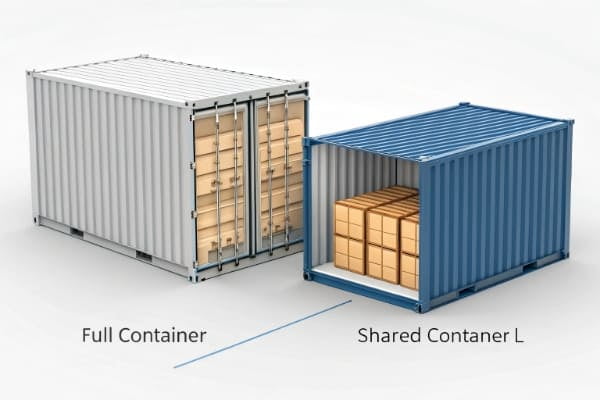
Choosing between FCL and LCL is one of the most important decisions you'll make when shipping. It directly impacts your cost, speed, and security. Let's break down the differences so you can make an informed choice.
FCL (Full Container Load)5 means you rent an entire 20ft or 40ft container for your goods alone. You don't share it with anyone. LCL (Less than Container Load)6 means your goods share container space with shipments from other importers. You pay based on the volume (in cubic meters, or CBM) your cargo occupies.
Here’s a quick comparison to help you decide:
FCL vs. LCL Comparison
| Feature | FCL (Full Container Load)5 | LCL (Less than Container Load)6 |
|---|---|---|
| Best For | Shipments over 15 CBM | Shipments between 1-15 CBM |
| Cost Structure | Flat rate per container | Per cubic meter (CBM) |
| Transit Time | Faster (no consolidation/deconsolidation) | Slower (requires extra handling at ports) |
| Security | More secure (container sealed at factory) | Higher risk of damage or loss |
As a general rule, if your shipment is around 15 CBM or more, FCL is almost always the cheaper and better option. For smaller shipments, LCL is the way to go. We often help clients consolidate multiple small orders into one LCL shipment, which reduces the per-unit shipping cost significantly.
How Does New Zealand Customs Clearance and MPI Biosecurity Inspection Work?
New Zealand's customs and biosecurity rules can be intimidating. Worried about your shipment getting stuck or fined? Let's walk through the clearance process so you can prepare correctly.
Upon arrival, your freight forwarder submits import documents to New Zealand Customs. This includes declaring the goods with the correct HS code7 to calculate duties and GST. The Ministry for Primary Industries (MPI) may also inspect goods for biosecurity risks like pests or untreated wood.
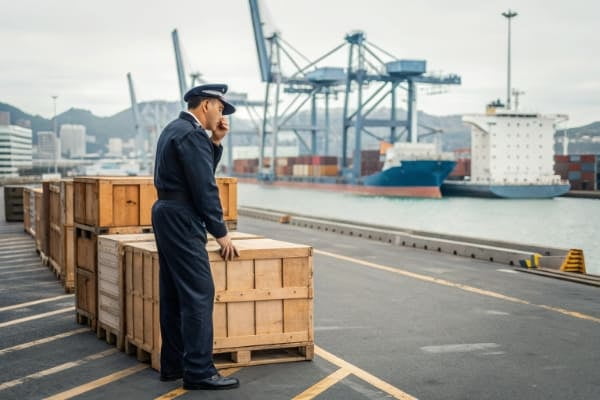
Getting through customs is a critical step, and New Zealand has some of the strictest rules in the world, especially regarding biosecurity. Understanding the process helps you avoid costly delays. There are two main government bodies you need to know about: New Zealand Customs Service and the Ministry for Primary Industries (MPI).
New Zealand Customs Service
Customs is responsible for collecting revenue and ensuring imported goods are legal. When your shipment arrives, we submit a declaration on your behalf. This involves:
- HS Codes: Every product has a Harmonized System (HS) code. Using the correct code is essential, as it determines the amount of duty you pay. An incorrect code is a common reason for delays.
- Duties and GST: Most goods imported into New Zealand are subject to duty (if applicable) and a 15% Goods and Services Tax (GST), calculated on the total value of the goods plus shipping and insurance.
MPI Biosecurity Inspection
MPI's job is to protect New Zealand from pests and diseases. They may inspect your cargo for risks. Common red flags include untreated wooden packaging (all wood must be ISPM 15 certified), soil, or plant material. We ensure your supplier uses compliant packaging and provides any necessary fumigation certificates to pass MPI checks smoothly.
How Long Does Ocean Freight from China to New Zealand Take and What Is the Total Cost?
Need to know exactly how long shipping takes and what it will cost? Vague estimates make planning difficult. Here are the typical transit times and a clear cost breakdown.
Port-to-port ocean freight takes 15-35 days. Door-to-door service2 takes 25-40 days. A 20ft FCL container costs $1,050-$1,650, while LCL starts around $72/CBM. Total cost also includes customs duties, GST, local fees, and insurance (0.5-2% of cargo value).
Two of the most common questions I get are about time and money. For any business, knowing your lead times and landing costs is essential for planning. Let's look at realistic figures for shipping from China to New Zealand.
Transit Time
The total time depends on whether you're looking at port-to-port or door-to-door.
- Port-to-Port: This is just the time on the water. From major Chinese ports like Shanghai or Shenzhen to Auckland or Tauranga, this is typically 15 to 35 days.
- Door-to-Door: This includes trucking in China, customs clearance, and final delivery in New Zealand. The total door-to-door time is usually 25 to 40 days.
Cost Breakdown
The total cost is more than just the freight rate. Here’s what to budget for:
| Cost Component | FCL (20ft Container) | LCL (Per CBM) |
|---|---|---|
| Ocean Freight | $1,050 - $1,650 | $72+ |
| Local Charges | Varies (port fees, handling) | Varies (port fees, handling) |
| NZ Customs/GST | Duty + 15% GST on value | Duty + 15% GST on value |
| Insurance | 0.5% - 2% of cargo value | 0.5% - 2% of cargo value |
Remember that rates can increase by 20-50% during peak seasons like Christmas or Chinese New Year. Always get a detailed quote that lists all charges to avoid surprises.
How to Choose a Reliable Ocean Freight Forwarder for New Zealand Shipments?
Choosing a shipping partner is a big decision. A bad one can cause delays and hidden costs. Here are the key qualities to look for in a freight forwarder.
Choose a forwarder with strong experience in the China-New Zealand route. Look for transparent pricing, excellent communication, and a comprehensive service that includes customs clearance and door-to-door delivery. Check reviews and ask for references to verify their reliability and track record.

Your freight forwarder is your most important partner in the shipping process. A good one makes importing feel easy, while a bad one can create nightmares. After years in this business, I've learned what truly matters when selecting a partner for your shipments to New Zealand.
Here are the essential things you should look for:
- Specific Route Experience: Don't just pick a general forwarder. Find one who specializes in the China-to-New Zealand lane. They will understand the best routes, carrier relationships, and specific customs requirements.
- Transparent, All-In Pricing: A reliable forwarder provides a detailed quote that breaks down all costs. Be wary of unusually low initial quotes, as they often hide extra fees that appear later.
- Excellent Communication: You need a partner who responds quickly and clearly in English. When issues arise, proactive communication is key to solving them fast.
- Comprehensive Services: The best partners offer a true one-stop solution. This includes not just shipping but also factory pickup, warehousing, consolidation, customs brokerage, and final delivery.
At Toncentlink, we built our business around these principles. We act as your team on the ground in China, managing the entire process so you don't have to.
Conclusion
Shipping from China to New Zealand is manageable with the right plan. Understanding the process, costs, and choosing a good partner ensures your goods arrive safely and on time.
Explore this resource to understand the complexities and benefits of ocean freight for your shipments. ↩
Learn how door-to-door service simplifies logistics and ensures a hassle-free shipping experience. ↩
Understanding export customs is crucial for smooth shipping; explore this link for detailed insights. ↩
Get informed about the import customs process to avoid delays and ensure compliance. ↩
Discover why FCL is often the best choice for larger shipments and how it can save you money. ↩
Find out when LCL is the right option for smaller shipments and how it can be cost-effective. ↩
Learn about HS codes and their significance in determining duties and taxes for your shipments. ↩