
Shipping goods from China to Australia seems complicated and full of hidden costs. This uncertainty can disrupt your plans, but understanding the process makes it manageable. I’ll show you how.
Ocean freight from China to Australia1 is the most affordable way to ship large volumes of goods. It involves choosing between FCL or LCL2, preparing key documents for customs, and managing logistics3. Port-to-port transit takes 14-28 days, with costs varying by season and container type.
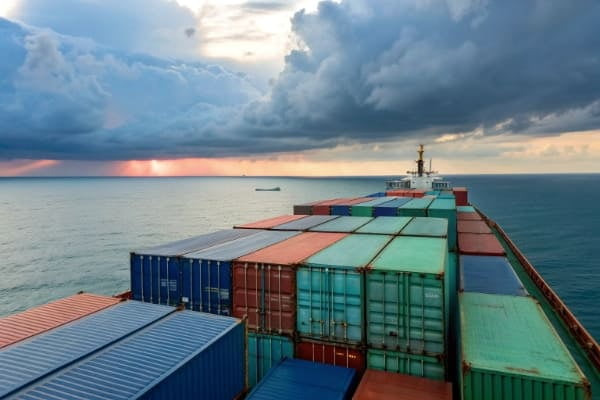
Getting your products across the sea is more than just booking a spot on a ship. It's a sequence of critical steps. When you manage them correctly, you can save a lot of time and money. I have handled hundreds of shipments on this route, and I want to break down the entire process for you so it feels simple. Let's start with the basics.
What Is Ocean Freight from China to Australia?
You know you need to ship your products, but what does "ocean freight" really mean? The industry terms can be confusing, but I'll make it simple for you.
Ocean freight is the process of transporting cargo in large shipping containers4 by sea. It is the most popular and cost-effective method for trade between China and Australia, perfect for bulky, heavy, or non-urgent goods like your custom promotional products.
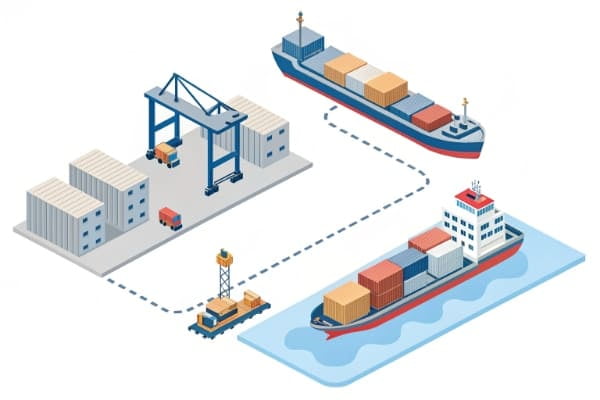
At its core, ocean freight is the backbone of global trade. It’s how we move massive quantities of goods from manufacturing hubs like China to markets like Australia. I remember a client who thought it was just one step. But it’s a full supply chain5 service. We manage everything from picking up the goods at a factory in Guangzhou, trucking them to the port in Shenzhen, handling all the export paperwork, and overseeing the sea journey to their final destination in Melbourne. This system makes it possible for you to source high-quality, cost-effective branded merchandise and get it to your customers efficiently. It’s not just about the voyage itself; it’s about a seamless, end-to-end logistics3 solution that connects your production line directly to your market.
Key Components of Ocean Freight
| Component | Description |
|---|---|
| Container | The metal box that holds your goods. Common sizes are 20ft and 40ft. |
| Vessel | The massive cargo ship that carries thousands of containers across the ocean. |
| Ports | The departure (e.g., Shanghai, Ningbo) and arrival (e.g., Sydney, Brisbane) points. |
| Freight Forwarder | The partner, like us, who organizes and manages the entire shipping process for you. |
What Are the Key Steps in the Ocean Freight Process?
Your goods are finally ready at the factory in China, but what happens next? Missing even one step in the shipping process can cause serious delays and extra costs.
The ocean freight process begins with booking your shipment. It includes factory pickup, export customs clearance6 in China, loading onto the ship, the sea voyage, import customs clearance7e]6 in Australia, and final delivery to your door. Each step needs specific documents and careful coordination.
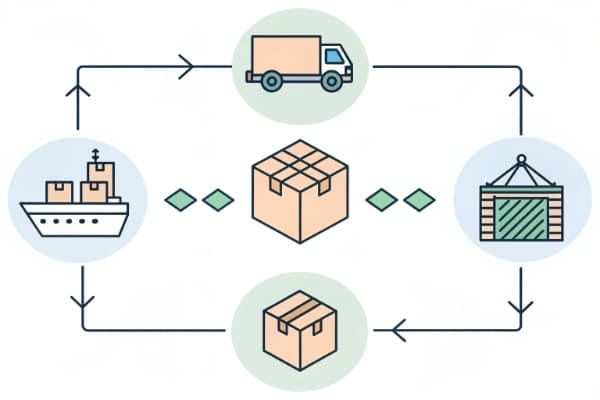
Let's walk through the journey of your products. It’s a well-defined path that we manage every day. I once had a client whose shipment was stuck at the port in Sydney for two weeks. The reason was simple but costly: the wooden pallets they used were not fumigated and certified according to Australian biosecurity laws8. It’s a small detail, but Australia is incredibly strict. That experience taught us to double-check every detail. Now, we ensure every shipment with wooden packaging has the correct fumigation certificate before it even leaves China. It's this attention to detail that prevents big problems later on. We see our job as managing this entire flow to make sure there are no surprises for you.
Step-by-Step Shipping Journey
- Booking and Cargo Pickup: We book space on a vessel and arrange for a truck to pick up your finished goods from the factory.
- Export Customs in China: We prepare all necessary documents, like the commercial invoice and packing list, and clear your goods for export.
- Sea Transit: Your container is loaded onto the ship and begins its journey across the ocean. We provide a Bill of Lading, which is the contract of carriage.
- Arrival and Import Clearance in Australia: Once the ship arrives, we handle the import customs clearance7e]6, including paying duties and GST, and ensuring all biosecurity rules are met.
- Final Delivery: After clearance, your container is trucked from the port to your warehouse or specified address.
FCL vs LCL: Which Ocean Freight Option Is More Cost-Effective?
You have products to ship, but you don't have enough to fill a whole container. Paying for empty space feels like wasting money, but is sharing a container always the best option?
FCL (Full Container Load) is more cost-effective if your shipment is over 15 cubic meters, as you pay a flat rate. For smaller shipments, LCL (Less than Container Load) is cheaper overall, but the cost per unit is higher due to extra handling fees.
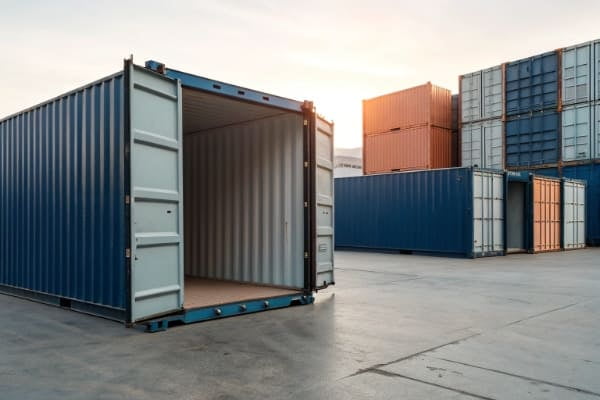
Choosing between FCL and LCL really depends on your specific needs. I often advise clients to think about more than just the immediate cost. For example, I had a customer who was consistently shipping three separate LCL orders per month for their promotional items. We sat down and helped them adjust their production schedule. By consolidating those orders, they could fill a single 20ft FCL container each month. Not only did they save over 20% on their total shipping costs9, but they also significantly reduced the risk of product damage. With LCL, your goods are handled multiple times as they are loaded and unloaded with other cargo. With FCL, your container is sealed at the factory and isn't opened again until it reaches you. This simple change in strategy made their supply chain5 more efficient and secure.
FCL vs. LCL: A Quick Comparison
| Feature | FCL (Full Container Load) | LCL (Less than Container Load) |
|---|---|---|
| Cost Structure | Flat rate per container. | Billed per cubic meter (CBM). |
| Best For | Shipments over 15 CBM. | Shipments between 2 and 15 CBM. |
| Transit Time | Faster, as there's no consolidation. | Slower due to consolidation/deconsolidation. |
| Security | Higher, as the container is sealed. | Lower, due to shared space and more handling. |
How Long Does Ocean Freight from China to Australia Take?
You have a product launch coming up and you need to know exactly when your goods will arrive. Unpredictable shipping timeline10s can throw your entire business plan into chaos.
Ocean freight transit time from China to Australia is typically 14-28 days for port-to-port travel. For a complete door-to-door service11, which includes ground transport and customs, the total time is usually around 25-35 days, depending on the specific route and conditions.
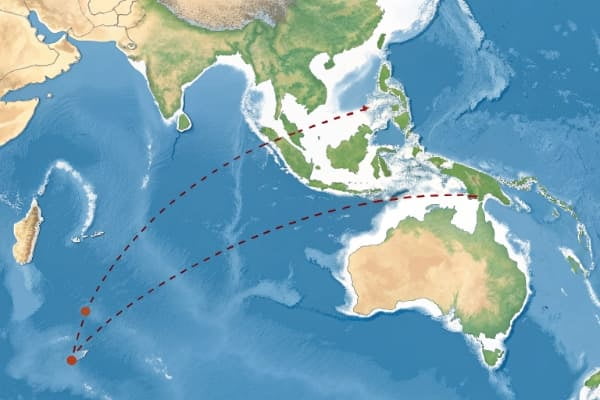
One of the biggest lessons I’ve learned in this business is to always plan for the unexpected. I always tell my clients to add a small buffer to their timelines, especially when shipping around major holidays like Chinese New Year. Before the holiday, factories rush to finish orders, and the ports in China become extremely congested. A shipment from Shanghai to Sydney that normally takes 16 days can easily stretch to 30 days during that peak period. The same goes for the pre-Christmas rush. We always advise our clients to place their orders well in advance to avoid these bottlenecks. Proactive planning is the best way to prevent stressful delays and ensure your goods arrive when you need them. Digital tracking also helps, as it gives you real-time visibility of where your shipment is on its journey.
Estimated Port-to-Port Transit Times
| From (China Port) | To (Australia Port) | Estimated Time |
|---|---|---|
| Shanghai | Sydney | 14 - 18 days |
| Shenzhen | Melbourne | 16 - 20 days |
| Ningbo | Fremantle | 18 - 25 days |
| Guangzhou | Brisbane | 15 - 22 days |
How Much Does Ocean Freight from China to Australia Cost?
You need a clear shipping quote, but the prices you see seem to change all the time. Hidden fees and fluctuating rates can make it impossible to create an accurate budget for your products.
A 20ft FCL container from China to Australia generally costs between $900 and $1,300 USD. A 40ft container costs $1,600 to $2,200 USD. For LCL, the rate is about $90-$120 USD per cubic meter. These prices can change based on the season, fuel costs, and market demand.
My best advice is to always ask for an all-inclusive, door-to-door quote. I’ve seen too many importers get a very attractive low base freight rate, only to be surprised by a dozen extra charges for things like terminal handling, documentation, and customs fees at the destination. It’s a common trick that ends up costing more. We believe in transparency. That’s why we provide clear DDP (Delivered Duty Paid) quotes. This means the price you see is the price you pay, covering everything from factory pickup in China to final delivery at your warehouse in Australia, including all duties and taxes. This approach eliminates surprises and allows you to budget with confidence. For specialized cargo, like perishable goods needing a refrigerated (reefer) container, costs are higher, typically around $2,000-$3,000, due to the electricity and monitoring required.
Sample Ocean Freight Costs (Estimates)
| Service | Estimated Cost (USD) |
|---|---|
| 20ft FCL Container | $900 - $1,300 |
| 40ft FCL Container | $1,600 - $2,200 |
| LCL (per CBM) | $90 - $120 |
| 20ft Reefer Container | $2,000 - $3,000 |
How to Choose a Reliable Ocean Freight Forwarder to Australia?
Picking the wrong freight forwarder12 for your shipments can be a total disaster. Poor communication, unexpected delays, and even lost cargo can seriously damage your business and your reputation.
To choose a reliable freight forwarder12, check their experience on the China-Australia route, verify their licenses, and read client reviews. Look for a partner who offers transparent pricing, responsive communication, and a complete service that includes customs clearance6 and door-to-door delivery.

Finding the right partner is everything in this business. I learned this the hard way. Early on, we worked with a forwarder who was cheap but terrible at communication. A client's urgent shipment of branded tech accessories was stuck in customs, and we couldn't get a clear answer from the forwarder for three whole days. It was a complete nightmare for us and our client. That experience was a turning point. It made us commit to becoming the kind of partner we wished we had back then—one that communicates proactively, solves problems before they escalate, and acts as a true extension of our client's team. Your freight forwarder12 shouldn't just be a company that moves boxes. They should be a strategic part of your supply chain5, helping you navigate the complexities of international trade with confidence.
Checklist for a Good Freight Forwarder:
- Experience: Do they have proven expertise on the China-Australia shipping lane?
- Comprehensive Services: Can they manage everything from sourcing and quality control to logistics3?
- Transparent Pricing: Do they provide clear, all-inclusive quotes with no hidden fees13?
- Communication: Are they responsive, professional, and fluent in English?
- Tracking: Do they offer a digital platform to track your shipment's progress?
- Network: Do they have strong relationships in both China and Australia to resolve issues quickly?
Conclusion
Shipping from China to Australia is straightforward with the right plan. Focus on choosing the correct method, understanding the steps, and finding a reliable partner to ensure your success.
Explore this resource to understand the basics of ocean freight and its significance in global trade. ↩
Learn about FCL and LCL options to make informed decisions for your shipping needs. ↩
Explore logistics management to streamline your shipping process and avoid delays. ↩
Discover the different types of shipping containers to choose the right one for your cargo. ↩
Learn about the role of ocean freight in the supply chain for better logistics management. ↩
Understanding customs clearance is crucial for smooth shipping; this resource provides essential insights. ↩
Gain insights into the import customs process to ensure compliance and avoid issues. ↩
Understanding biosecurity laws is vital to avoid costly delays; this resource explains the requirements. ↩
Learn about the various factors influencing shipping costs to budget effectively. ↩
Get tips on estimating shipping timelines to better plan your product launches. ↩
Understand the benefits of door-to-door service for hassle-free shipping. ↩
Find tips on selecting a trustworthy freight forwarder to ensure smooth shipping operations. ↩
Learn about hidden fees to avoid unexpected costs in your shipping budget. ↩