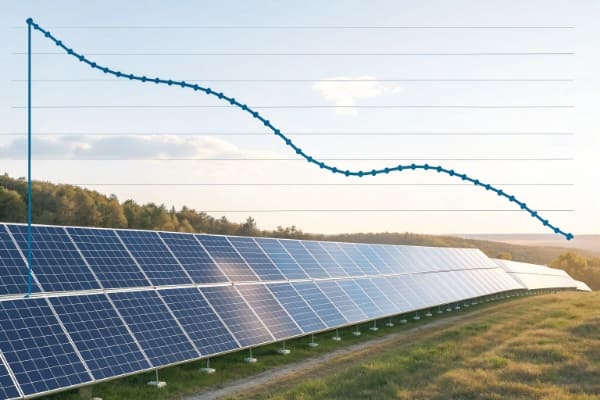
High electric bills1 are a constant worry for homeowners. They seem to go up every year. Solar energy2 offers a way to take back control and reduce your monthly costs.
Solar energy2 is often worth it for long-term savings3 on electricity and increasing home value4. While the initial cost5 is high, panels can pay for themselves in about 10 years, offering decades of cheaper power and a smaller carbon footprint. It is a major financial decision.
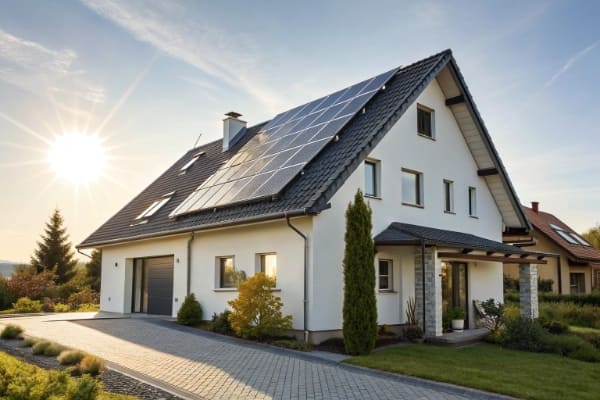
I've seen so many people ask if making the switch to solar is a good idea. The answer isn't a simple yes or no. It depends on your home, your finances, and where you live. Over the years, I've helped clients navigate big decisions, and this is one of the biggest for a homeowner. Let's break down the real advantages and disadvantages to see if it makes sense for you. We will look at everything from the initial cost5 to the long-term benefits.
Why Is Solar Energy Becoming So Popular Worldwide?
Are you concerned about rising energy costs and climate change? These are big problems for everyone. People are looking for better, cleaner ways to power their lives and businesses.
Solar energy2 is becoming popular because costs have dropped significantly. Governments also offer incentives like tax credits. More people want to be independent from utility companies and use clean, renewable power to help the environment. This trend is happening all over the world, from big cities to small towns.
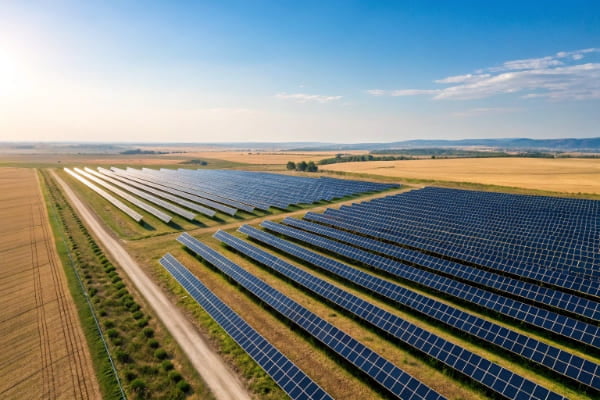
The growth of solar power is truly amazing. A decade ago, it was a niche product for eco-enthusiasts. Today, it's a mainstream solution. I remember when a solar installation was a rare sight; now, you see them in almost every neighborhood. This boom is driven by a few key things.
First, technology has improved a lot. Solar panels are more efficient than ever, meaning they can produce more electricity from the same amount of sunlight. At the same time, manufacturing has become cheaper and more streamlined. This combination means you get more power for your money.
Second, there is a global push for clean energy6. Governments worldwide are setting goals to reduce carbon emissions7. They offer financial help to encourage people and businesses to switch to solar. These incentives can cut the upfront cost by a large amount, making it much more affordable.
Here's a simple look at how panel costs have changed:
| Year | Average Cost per Watt |
|---|---|
| 2010 | ~$6.50 |
| 2015 | ~$3.80 |
| 2020 | ~$2.90 |
| 2024 | ~$2.70 |
This price drop makes solar a smart financial choice, not just an environmental one.
What Are the Key Advantages of Solar Energy for Homes and Businesses?
Are you tired of your electricity bill getting bigger every month? It feels like you have no control. Solar energy2 lets you produce your own power and lock in your energy costs.
The main advantages of solar energy are much lower electric bills1, a higher property value, and a smaller environmental footprint. Solar panels provide a stable power source for over 25 years with very little maintenance, giving you long-term energy security and peace of mind.

When my clients ask about the benefits, I always start with the money. The savings are real and they add up over time. Let's look closer at these key advantages.
Significant Bill Reduction
Once your solar panels are running, you generate your own electricity. This means you buy much less power from the utility company. On sunny days, you might produce more electricity than you use. In many places, a system called "net metering8" lets you sell that extra power back to the grid for credits. This can lower your bill to near zero or even give you a negative balance. It's a great feeling to see an electric bill for just a few dollars.
Increased Home Value
Studies have shown that homes with solar panels sell for more money. Buyers see the system as a major upgrade. They know they will save on electricity bills for years to come. On average, a solar installation can increase a home's value by 5% to 10%. It's an investment that not only saves you money monthly but also pays you back when you decide to sell.
Environmental Impact
Solar energy2 is clean energy6. It doesn't produce greenhouse gases or other pollutants. By switching to solar, you directly reduce your carbon footprint. You are helping to fight climate change and create a healthier planet for the future. For many people I've worked with, this is just as important as the financial savings.
How Much Money Can Solar Panels Actually Save?
Do you look at your energy bill and wonder where all that money is going? It's a huge monthly expense. Solar panels can turn that ongoing cost into a smart investment.
Solar panels can save a typical household hundreds or even thousands of dollars each year. The exact savings depend on your energy use, local electricity rates, and how much sun your roof gets. For many, it cuts their bill by 70% or more.
Let's do some simple math to understand the potential savings. This is the part that gets everyone excited. The numbers can be very impressive.
Imagine your average monthly electricity bill is $150. That means you spend $1,800 per year on electricity. Now, let's say you install a solar panel system that covers 90% of your energy needs.
Your new annual electricity cost would be just $180. That's a savings of $1,620 in the first year alone. Over the 25-year lifespan of the solar panels, your total savings could be over $40,000, and that's without accounting for future electricity rate hikes.
Here are the key factors that determine your exact savings:
- Your Electricity Consumption: The more power you use, the more you can save by generating your own.
- Local Utility Rates: Savings are higher in areas where electricity is expensive.
- Sunlight Exposure: A sunny, south-facing roof will generate more power than a shaded, north-facing one.
- System Size: The system must be properly sized to meet your energy needs for maximum savings.
A friend of mine who installed panels last year went from paying over $200 a month to just a $15 grid connection fee. He said it was one of the best financial moves he's ever made.
What Are the Hidden Costs of Solar Energy Systems?
Do you think the price of solar is just the cost of the panels? Many people are surprised by the final bill. There are other essential parts and fees you need to budget for.
The hidden costs of solar can include inverters, mounting hardware, wiring, installation labor, and city permits. A battery storage9 system to provide power at night is another major expense that is often not included in the initial quote.
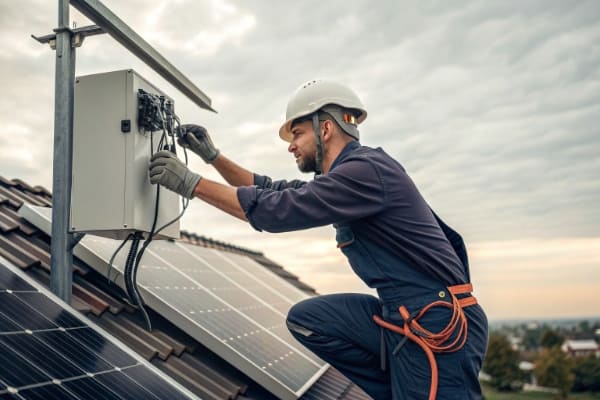
The sticker price you see in an advertisement is rarely the final price you pay. I always advise people to get a detailed, itemized quote to understand exactly what they are paying for. A complete solar energy system has several components, and each one has a cost.
Core System Components
- Solar Panels: These are the most visible part, but they only make up a fraction of the total cost.
- Inverter: This device is crucial. It converts the direct current (DC) electricity from your panels into alternating current (AC) that your home can use. Inverters may need to be replaced every 10-15 years, which is an added long-term cost.
- Racking and Mounting: This is the hardware that safely attaches the panels to your roof. The cost varies depending on your roof type.
- Wiring and Electrical: All the components need to be connected to each other and to your home's electrical panel.
Soft Costs and Add-ons
- Labor: Installation is a skilled job and a significant part of the cost.
- Permits and Inspections: Your local city or county will require permits and inspections, which have fees.
- Battery Storage: If you want to store excess energy for use at night or during a power outage, you need a battery. Batteries can add thousands of dollars to the system cost but provide true energy independence10.
- Potential Roof Repairs: If your roof is old, you may need to repair or replace it before installing panels. It's best to do this first.
How Long Does It Take for Solar Panels to Pay for Themselves?
Are you worried about the large upfront investment for solar? It seems like a lot of money to spend at once. But this is an investment that eventually pays you back completely.
The average payback period11 for residential solar panels is between 8 and 12 years. This is the point where your total savings on electricity bills equal your initial installation cost. After that, the energy you produce is essentially free profit.
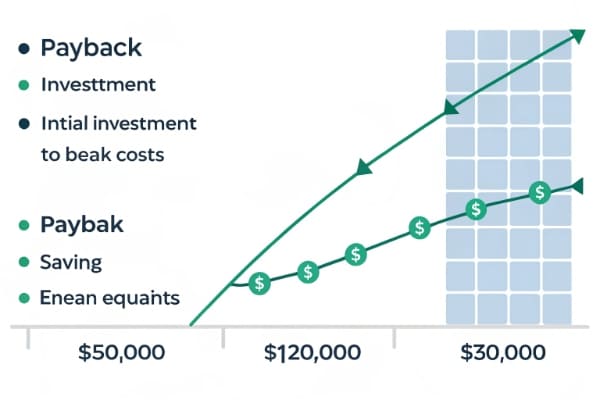
The "solar payback period11" is one of the most important numbers to understand. It tells you how long you have to wait before your system starts making you money. Calculating this is straightforward. The basic formula is:
(Total System Cost - Incentives) / Annual Electricity Savings = Payback Period in Years
Let's use an example. Suppose your system costs $20,000. You receive a $6,000 federal tax credit, so your net cost is $14,000. If you save $1,600 per year on electricity, your payback period11 would be:
$14,000 / $1,600 = 8.75 years
After less than 9 years, your system has paid for itself. Since most solar panels are warrantied for 25 years, you will get over 16 years of nearly free electricity.
Several factors can make this payback period11 shorter or longer:
| Factor | Effect on Payback Period |
|---|---|
| Higher Electricity Rates | Shorter |
| More Government Incentives | Shorter |
| Lower Initial Cost | Shorter |
| Less Sunlight | Longer |
I've seen clients in sunny areas with high electricity rates reach their break-even point in as little as 6 or 7 years. It really highlights how your location impacts the return on investment.
What Factors Determine Whether Solar Energy Is Worth It?
Is solar a good fit for your specific home? It's not a universal solution that works for everyone. You need to check a few key things to know if it's a smart move.
The most important factors are your roof's condition and sun exposure, your average monthly power bill, and the local solar incentives12 available to you. If you have a sunny roof, high bills, and good rebates, solar is probably worth it.
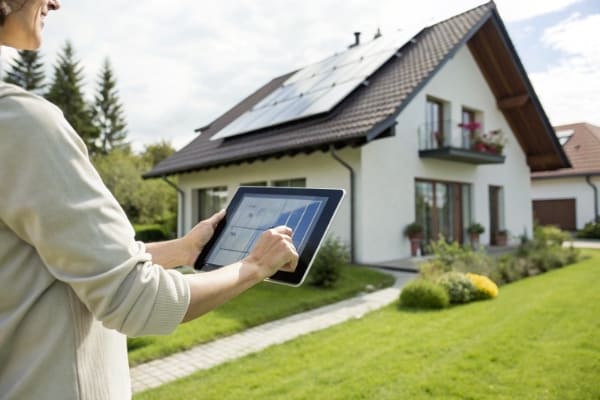
Before you even start getting quotes, you should do a quick self-assessment. Answering these questions will tell you if you are a good candidate for solar. This is the same process I walk my clients through to see if it makes financial sense for them.
Your Roof's Health
Is your roof in good condition? Solar panels last for 25-30 years. If your roof needs to be replaced in the next 5-10 years, you should do that before installing panels. Removing and reinstalling panels later is an expensive extra cost.
Your Roof's Direction and Shading
Which way does your roof face? In the Northern Hemisphere, a south-facing roof is ideal because it gets the most direct sunlight throughout the day. East or west-facing roofs can also work well. Also, look for shade. Are there large trees or nearby buildings that cast shadows on your roof for long parts of the day? Too much shade will significantly reduce your energy production.
Your Energy Usage
How much electricity do you use? Pull out your last few utility bills. If your monthly bill is consistently high (e.g., over $100), you have more potential savings to offset the cost of the system. If your bill is already very low, the payback period11 will be much longer.
Local Incentives and Policies
What financial help is available in your area? Look up federal, state, and local incentives. This includes tax credits, rebates, and performance-based payments. Also, check your utility company's "net metering8" policy, which determines how you are compensated for extra power you send to the grid.
Who Should (and Should Not) Install Solar Panels?
Are you ready to make the switch to solar? It's a fantastic option for many people. But it's definitely not the right choice for everyone, and it's important to know which group you fall into.
Homeowners with good sun exposure, high electricity bills, and plans to stay in their home for many years should install solar. Renters, people with heavily shaded roof13s, or those who might move soon should probably avoid it.

Making the right choice comes down to your personal situation. Based on my experience, here is a clear breakdown of who benefits the most from solar and who should think twice before signing a contract.
Good Candidates for Solar
You are likely a good candidate if you:
- Own your home. You can't install a permanent system on a property you don't own.
- Have high electric bills1. The more you pay now, the more you stand to save.
- Have a sunny, suitable roof. Your roof gets plenty of direct sunlight and is in good shape.
- Plan to stay in your home long-term. You will be there long enough to pass the break-even point and enjoy years of free electricity.
- Can afford the investment. You have the cash or can get a low-interest loan to cover the upfront cost.
Businesses are also great candidates, especially those with large, flat roofs and high daytime energy needs, like warehouses or manufacturing plants.
People Who Should Wait
You should probably wait or avoid solar if you:
- Are a renter. You don't have the authority to make major changes to the property.
- Plan on moving soon. You likely won't stay long enough to recoup your investment, even with the added home value4.
- Have a heavily shaded roof13. If trees or buildings block the sun for most of the day, your panels won't produce enough energy to be worthwhile.
- Have a very old roof. You must factor in the cost of a roof replacement first.
- Have a very low electricity bill. The savings won't be significant enough to justify the high initial cost.
Conclusion
Solar energy is a great long-term investment for the right person. It cuts bills and helps the planet but requires a big upfront cost. Weigh these pros and cons carefully.
Learn effective strategies to lower your electric bills and save money. ↩
Explore the advantages of solar energy, including cost savings and environmental benefits. ↩
Discover how solar energy can lead to significant long-term savings on electricity. ↩
Find out how installing solar panels can increase your home's market value. ↩
Get insights into the upfront costs associated with solar panel installation. ↩
Explore the advantages of transitioning to clean energy sources like solar. ↩
Learn how solar energy contributes to reducing carbon emissions and fighting climate change. ↩
Understand how net metering can help you save on electricity bills. ↩
Learn about battery storage systems and their role in maximizing solar energy use. ↩
Explore how solar energy can help you achieve energy independence from utility companies. ↩
Understand how long it takes for solar panels to pay for themselves through savings. ↩
Discover the best solar incentives that can help reduce your installation costs. ↩
Learn about the challenges and solutions for installing solar panels on shaded roofs. ↩