
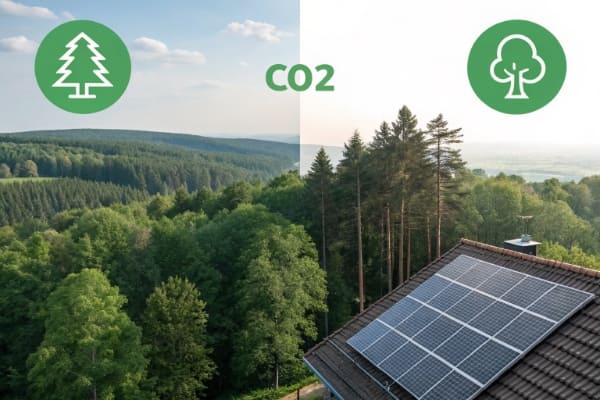
Tired of high electricity bills and your impact on the planet? You want a cleaner solution, but solar seems complex. We can help you understand if it's the right choice.
Yes, solar energy1 is good for the environment and often worth the investment. It provides clean, renewable power that reduces emissions and lowers your bills, despite some initial costs and manufacturing impacts. It's a powerful tool for a sustainable future.
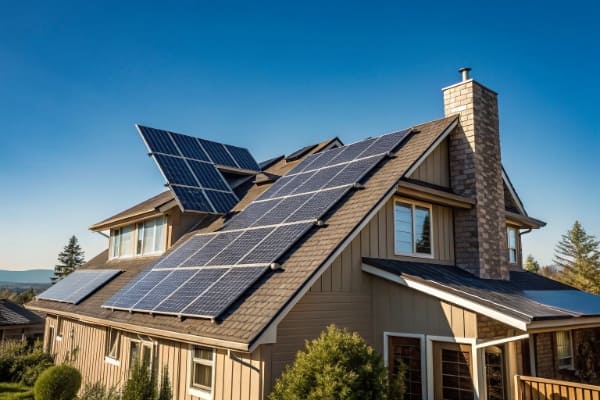
I remember when I first looked into solar. The numbers and claims were overwhelming. Is it really as green as they say? And does it actually save you money in the long run? Let's break it down piece by piece so you can see the full picture. It's important to look at both the good and the bad before making a decision.
Is Solar Energy Truly Eco-Friendly?
You hear that solar is "green," but what does that really mean? The manufacturing process raises questions. Let's find out if the final product is truly eco-friendly for our planet.
Solar energy is largely eco-friendly because its operation produces no greenhouse gases. While manufacturing has an environmental cost, its lifecycle impact is far lower than fossil fuels, making it a much cleaner alternative for generating electricity over the long term.
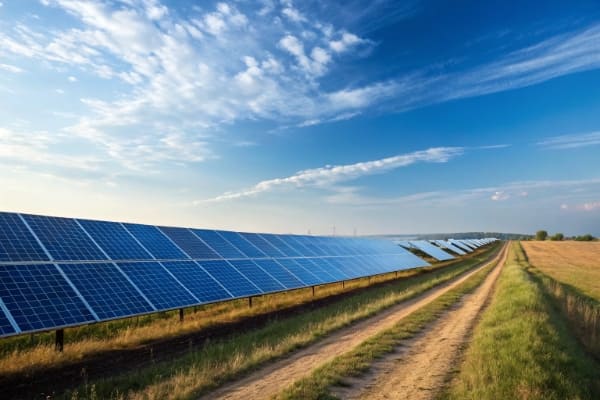
When I was researching solar, my biggest concern was its production. It's true that making a solar panel isn't a perfectly clean process. It requires energy and involves mining materials like quartz to create silicon. However, the key is to look at the bigger picture. We need to think about something called the "energy payback period2." This is the time it takes for a panel to generate the same amount of clean energy that was used to produce it. For modern panels, this is typically only one to two years. Since a panel lasts 25 to 30 years, it spends most of its life creating a huge energy surplus. This makes its initial environmental cost a very good investment.
Lifecycle Emissions Comparison
| Energy Source | Lifecycle CO2 Emissions (grams per kWh) |
|---|---|
| Solar (PV) | 20-50 |
| Natural Gas | 400-500 |
| Coal | 900-1100 |
As you can see, even when we include manufacturing, solar's impact is tiny compared to fossil fuels. So, while it's not perfect, it is a giant step in the right direction.
What Are the Main Environmental Benefits of Solar?
We all want to help the planet, but how much difference can one choice make? You might wonder if solar's benefits are significant. They are, and they go beyond just emissions.
The main environmental benefits of solar3 are reducing greenhouse gas emissions4, cutting down on air pollution5, and conserving water. Unlike fossil fuel plants, solar panels don't burn fuel or require large amounts of water for cooling, leading to cleaner air and healthier ecosystems.
The most obvious benefit of solar is its impact on climate change. By generating electricity without burning fossil fuels, solar panels directly reduce the amount of carbon dioxide going into our atmosphere. But the good news doesn't stop there. Traditional power plants also release harmful pollutants like sulfur dioxide and nitrogen oxides, which cause smog, acid rain, and respiratory problems. Solar power produces none of these, meaning cleaner air for everyone.
Another huge benefit I discovered is water conservation6. I live in an area where water is precious, so this really hit home. Power plants that burn coal or natural gas use massive amounts of water for cooling. Solar panels, on the other hand, use almost no water to generate electricity. This helps protect our rivers, lakes, and local water supplies.
Water Usage in Power Generation
| Power Source | Water Usage (Gallons per MWh) |
|---|---|
| Solar (PV) | ~20 (for cleaning) |
| Natural Gas | ~200 |
| Coal | ~500 |
Switching to solar helps protect our air and our water, making our communities healthier places to live.
Are There Any Environmental Downsides to Solar?
Nothing is perfect, and you're right to be skeptical. Hearing only the good things can feel like a sales pitch. Let's look at the real environmental downsides of solar energy1.
Yes, there are downsides. The manufacturing of solar panels is energy-intensive and uses certain chemicals. Large-scale solar farms can also impact land use and local habitats. Proper recycling at the end of a panel's life is another challenge that needs to be addressed.
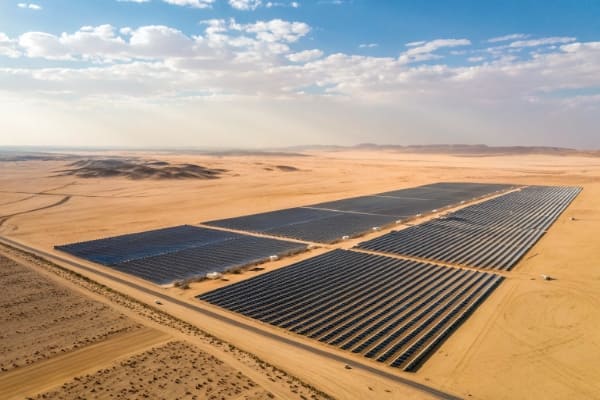
We've already touched on manufacturing. It requires energy and materials that must be mined. But there are other considerations too. One of the biggest is land use. For utility-scale solar farms7 that power entire cities, you need a lot of space. This can sometimes disrupt local ecosystems or compete with land for agriculture. This is one reason why rooftop solar on homes and businesses is so valuable—it uses space that is already developed.
Another challenge is what happens at the end of a panel's life, typically after 25-30 years. The panels contain valuable materials like silver, copper, and silicon that can be recovered. However, the solar recycling industry is still growing. We need to build better systems to ensure old panels don't end up in landfills. The good news is that companies and governments are working hard on this problem. As more panels reach the end of their life, recycling will become more common and efficient, creating a more circular economy for clean energy. It’s a challenge we have to solve, but it is solvable.
How Much Can You Reduce Your Carbon Footprint?
You want to make a real impact, not just a symbolic one. How much does switching to solar actually reduce your carbon footprint8? Let's look at the real numbers and see.
A typical residential solar system can reduce your carbon footprint8 by over 35,000 pounds of CO2 per year. This is equivalent to planting nearly 300 trees annually. The exact amount depends on your energy usage and the carbon intensity of your local power grid.

When I installed my solar system, I was excited to see the numbers. The impact you have depends heavily on where your electricity came from before. If your local grid relies on coal, your carbon savings will be massive. If it already uses a lot of hydropower or nuclear, your savings will be smaller but still very significant.
Let’s use an example. Say your home uses 10,000 kilowatt-hours (kWh) of electricity per year. Here’s a rough idea of the annual CO2 emissions you would be responsible for, depending on the source.
Annual CO2 Emissions for a Typical Home (10,000 kWh)
| Power Source | Annual CO2 Emissions (Pounds) |
|---|---|
| Coal | ~22,000 |
| Natural Gas | ~11,000 |
| Solar | 0 (during operation) |
By switching to solar, a family in a coal-powered region could prevent over 10 tons of CO2 from entering the atmosphere every single year. That’s like taking four cars off the road. It’s a concrete, measurable impact that you can feel proud of every time the sun shines.
Is Solar a Good Choice for Your Home?
You like the green benefits, but your wallet has the final say. Is solar a smart financial move for your home? Let's break down the costs, savings, and overall value.
Solar is a great financial choice for many homeowners. It significantly lowers or eliminates electricity bills and increases home value. While upfront costs are high, federal tax credits9 and a strong return on investment10 (often 10-15%) make it a worthwhile long-term investment.

Let's be honest: the initial cost of a solar system is high. This was the biggest hurdle for me. But then I learned about the incentives. In the U.S., there is a 30% federal tax credit that immediately cuts down the price. Many states and local utilities offer their own rebates, too.
Once the system is running, your electricity bill can drop to near zero. With today's rising energy costs, that's a huge relief. The return on investment10 is often between 10-15% per year, which is better than many traditional investments. On top of that, studies have shown that homes with solar panels sell for more. One report found an average increase of about 6.8% in home value.
Of course, solar isn't for everyone. Here are a few things to think about:
- Your Roof: Does your roof get plenty of sun, and is it in good condition?
- Your Location: Sunny places like Utah or Arizona get more production, making the investment even better.
- Your Electricity Rates: If you live somewhere with high electricity prices, you’ll save more money.
For me, the numbers made sense. It was a big purchase, but it was an investment in my home and my financial future.
How Can You Start Using Solar Energy?
You're convinced, but where do you even begin? The process of going solar can seem intimidating. Let's outline the simple, concrete steps you can take to get started today.
To start using solar, first get a professional assessment of your home's suitability and energy needs. Then, get quotes from several certified installers. Finally, review financing options11 and available incentives to choose the best plan for your budget and start the installation process.
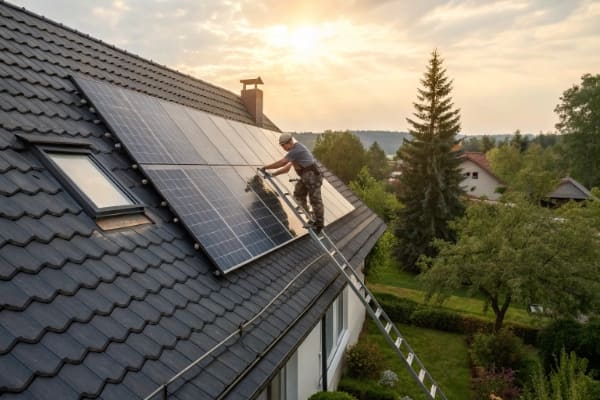
Taking the first step is often the hardest part, but the process is more straightforward than you might think. I broke it down into four simple stages when I went through it myself.
Step 1: Get a Solar Assessment
Contact a few reputable solar companies. They will look at your roof using satellite imagery and review your past electricity bills. They’ll tell you if your home is a good candidate for solar and estimate how large of a system you need. This consultation is usually free.
Step 2: Compare Quotes
You should always get at least three quotes from different certified installers. Don't just look at the price. Compare the quality of the panels and inverters they offer, the warranties, and the company's reviews and reputation.
Step 3: Choose Your Financing
You can pay for your system with cash, get a solar loan, or in some areas, choose a lease or Power Purchase Agreement (PPA). Your installer will help you understand the pros and cons of each option and make sure you apply for all available tax credits and rebates.
Step 4: Installation and Activation
Once you sign a contract, the installer will handle all the permits and paperwork. The actual installation usually only takes one or two days. After that, the utility company will give final approval to connect your system to the grid, and you can start generating your own clean power.
Conclusion
Solar energy offers huge environmental and financial benefits. While not perfect, it is a powerful way to reduce your carbon footprint8, save money, and invest in a cleaner future.
Explore the numerous advantages of solar energy, including environmental and financial benefits. ↩
Discover how quickly solar panels generate clean energy compared to the energy used in their production. ↩
Explore the various ways solar energy positively impacts the environment. ↩
Understand the significance of greenhouse gas emissions and how solar energy helps reduce them. ↩
Learn how solar energy contributes to cleaner air and healthier ecosystems. ↩
Discover the water-saving benefits of solar energy compared to traditional power generation. ↩
Learn about the benefits and challenges of large-scale solar energy projects. ↩
Learn how switching to solar can significantly lower your carbon emissions. ↩
Explore the financial incentives available for homeowners considering solar energy. ↩
Find out how solar energy can provide a strong return on investment for homeowners. ↩
Explore various financing options to make solar energy more affordable. ↩