
Importing from China to New Zealand feels overwhelming. One mistake can cause costly delays. This guide breaks down everything you need for a smooth, successful first shipment.
To import from China to New Zealand, you need a commercial invoice1, packing list2, and bill of lading3. You must file an electronic entry4, pay 15% GST5 and any duties, and ensure goods meet NZ's biosecurity and safety standards. Using a freight forwarder6 simplifies this process.
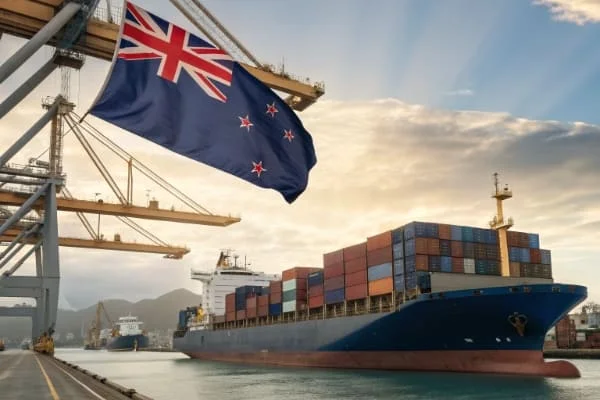
Now that you have a basic overview, you're probably wondering why so many businesses take on this challenge. It's a valid question, and the answer lies in the incredible opportunities it presents. Let's explore the benefits and then dive into the specific steps you need to take.
Why Do So Many Businesses Import from China to New Zealand?
Struggling with high local costs and tight profit margins? Sourcing locally can limit your growth. Importing from China offers access to a massive market with competitive manufacturing prices.
Businesses import from China to New Zealand to access a wider range of products at lower manufacturing costs. This allows them to increase profit margins, offer competitive pricing, and scale their operations with custom OEM/ODM products7 that aren't available locally. It’s a proven growth strategy.
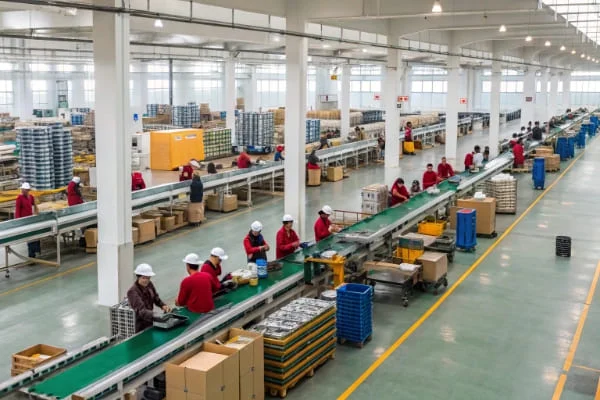
China is known as the "world's factory" for good reason, and New Zealand businesses are taking full advantage. The benefits go far beyond just a lower price tag. It’s about strategic growth and gaining a competitive edge. I've seen countless clients transform their businesses by building a smart supply chain8 from China.
Cost Advantages
The most obvious benefit is the cost. China's mature manufacturing ecosystem, efficient production lines, and economies of scale mean you can produce goods for a fraction of what it might cost in New Zealand. This has a direct and powerful impact on your bottom line. I remember a client who wanted to launch a new line of eco-friendly home goods. By sourcing from our network in China, they cut their unit cost by over 60%. This didn't just increase their profit; it made their entire business model viable from day one.
Product Variety and Customization
You can find a supplier for almost any product imaginable in China. But more importantly, you have the power to customize. Do you need a product in your specific brand colors? Want to print your logo on the packaging? Or do you have an idea for a completely new product? Chinese factories excel at OEM (Original Equipment Manufacturer) and ODM (Original Design Manufacturer) projects. This is how you create a unique product that stands out. We help clients navigate this process every day, turning their vision into a tangible product.
Scalability
As your business grows, you need a supply chain8 that can grow with you. Chinese manufacturers are equipped to handle huge order volumes. You can start with a small trial order to test the market, and once you're ready, you can scale up to full container loads without having to find a new supplier. This stability is crucial for long-term, sustainable growth. We make sure the factories we partner with have the capacity and reliability to support our clients' ambitions, from their first order to their hundredth.
What Are the Import Regulations When Importing from China to New Zealand?
Worried about your shipment getting stuck at the border? New Zealand's import regulations9 can seem confusing and strict. Here’s a clear breakdown of the essential rules to follow.
Key import regulations9 for New Zealand include filing an electronic customs entry (ECI), paying 15% GST5 on most goods, and ensuring products meet biosecurity and safety standards. Certain items are restricted and require permits, and all wooden packaging must be treated and declared to prevent pests.
Navigating New Zealand's import rules is a critical step. Getting it wrong can lead to fines, delays, or even seizure of your goods. As the importer, the legal responsibility falls on you. That’s why it’s so important to understand the basics before your shipment leaves China.
Customs and Biosecurity
The two government bodies you’ll interact with most are the New Zealand Customs Service and the Ministry for Primary Industries (MPI). Customs is responsible for collecting duties and GST. MPI is responsible for biosecurity—protecting New Zealand from pests and diseases. This is why MPI has very strict rules for wood packaging. All wooden pallets, crates, or dunnage must be treated according to the ISPM 15 standard and clearly marked. If your supplier uses untreated wood, MPI will order it to be treated, re-shipped, or destroyed, all at your expense. We always verify this with suppliers to prevent these costly situations.
Product Safety and Compliance
Your products must be safe for New Zealand consumers and comply with all relevant standards. This applies to a huge range of goods. For example, electronics must meet electrical safety regulations, children's toys have strict safety standards, and any product that comes into contact with food must be made from food-grade materials. As the importer of record, you are legally liable if a product you import causes harm. This is why our on-site quality control inspections in China are so important—we check for compliance and safety before the goods are even packed.
Restricted and Prohibited Goods
Some goods are completely prohibited, while others are restricted and require a special permit to import. It's crucial you check which category your products fall into before you pay your supplier.
| Category | Examples | Requirement |
|---|---|---|
| Prohibited | Certain weapons, objectionable material, asbestos | Cannot be imported under any circumstances. |
| Restricted | Some medicines, agricultural chemicals, firearms | Requires a specific permit or approval from the relevant authority. |
| Controlled | Vehicle tires, hazardous substances | Subject to specific rules and documentation. |
Always check the official New Zealand Customs and MPI websites for the most up-to-date lists, as regulations can change.
How Much Does It Cost to Import from China to New Zealand?
Worried about hidden fees eating your profits? Budgeting for an import can be tricky. I'll show you how to calculate the total landed cost so there are no surprises.
The total cost to import from China to New Zealand includes the product cost (FOB price), international shipping, insurance, customs duties10 (if applicable), and a 15% Goods and Services Tax (GST). GST is calculated on the total value of the goods, shipping, and insurance.
To understand if importing is profitable, you must calculate the "landed cost"—the total cost to get a product from the factory in China to your warehouse in New Zealand. Many beginners make the mistake of only looking at the factory price, but there are several other costs to factor in.
Calculating Duties and GST
The largest costs after the product itself are usually duties and GST. Thanks to the China-New Zealand Free Trade Agreement, the duty rate for many goods is 0%. However, you must still pay the 15% GST5. A common mistake is thinking GST is only on the product value. It's actually calculated on the "CIF" value (Cost, Insurance, and Freight) plus the duty amount.
Let's walk through a simple example:
- Product Cost (FOB Price): NZ$8,000
- International Freight & Insurance: NZ$1,500
- Customs Value (CIF): NZ$9,500
- Duty (assuming a 5% rate for this example): NZ$475
- Value for GST Calculation (CIF + Duty): NZ$9,975
- GST Payable (15%): NZ$1,496.25
Your total landed cost before local fees would be NZ$11,471.25.
The De Minimis Rule
For smaller shipments, New Zealand has a "de minimis" threshold. Generally, if the total value of your goods is under NZ$1,000, you won't have to pay duty or GST at the border. This is fantastic for ordering samples or running small test orders. However, this exception does not apply to alcohol and tobacco products.
Other Potential Costs
Beyond duties and GST, there are other fees to budget for. These can include:
- Customs Broker/Freight Forwarder Fees: For managing your customs entry and logistics.
- Port Charges: Fees for handling your container at the port in New Zealand.
- Domestic Transport: The cost of trucking your goods from the port to your final destination. A transparent quote from a freight forwarder6 or sourcing agent should outline all these potential charges.
What Documents Are Required to Import from China to New Zealand?
Panicked about missing a crucial document? Incorrect paperwork can leave your goods stuck in customs for weeks. This simple checklist covers all the essential documents you'll need.
The core documents for importing from China to New Zealand are the Commercial Invoice, Packing List, and Bill of Lading (for sea freight) or Air Waybill (for air freight). Depending on the product, you may also need a Certificate of Origin11 or specific compliance certificates12.
Your shipping documents are like a passport for your goods. If they aren't complete and accurate, your shipment isn't going anywhere. Getting the paperwork right is one of the most important steps in the entire import process.
The Core Three Documents
Every commercial shipment needs these three documents. They must all be consistent with one another.
| Document | Purpose | Provided By |
|---|---|---|
| Commercial Invoice | Details the transaction: buyer, seller, product description, HS codes, value, Incoterms. Used by customs to assess duty/GST. | Your Supplier |
| Packing List | Lists the contents of each carton: quantities, weights, and dimensions. Used by customs to verify the shipment's contents. | Your Supplier |
| Bill of Lading (B/L) / Air Waybill (AWB) | The contract between you and the carrier. It's a receipt for the goods and acts as the title of ownership. | Your Freight Forwarder |
Supporting Documents
Depending on your goods, you may need additional paperwork. A Certificate of Origin11 can be used to claim preferential duty rates under the free trade agreement. For regulated products like electronics, machinery, or cosmetics, you will need compliance certificates12 or test reports to prove they meet New Zealand's safety standards. We often help our clients obtain these reports from accredited labs as part of our service.
Why Accuracy Matters
Accuracy is everything. I once had a new client whose previous supplier put the wrong HS code on the commercial invoice1. New Zealand Customs flagged the discrepancy, which led to a full container inspection. The process caused a three-week delay and cost thousands in storage and inspection fees. The value on the invoice must match what you paid. The product description must be specific and clear. Any inconsistency is a red flag for customs. At Toncentlink, our team reviews every document from the supplier to catch these errors before the shipment even leaves China.
How Long Does It Take to Ship from China to New Zealand?
Need to plan your inventory and sales promotions? Unpredictable shipping time13s can ruin your plans. Here’s a realistic look at how long it takes to ship from China.
Shipping from China to New Zealand typically takes 3-7 days by air freight and 18-30 days by sea freight for port-to-port transit. You should add another 7-10 days for customs clearance14, port handling, and domestic delivery to get the total door-to-door time.
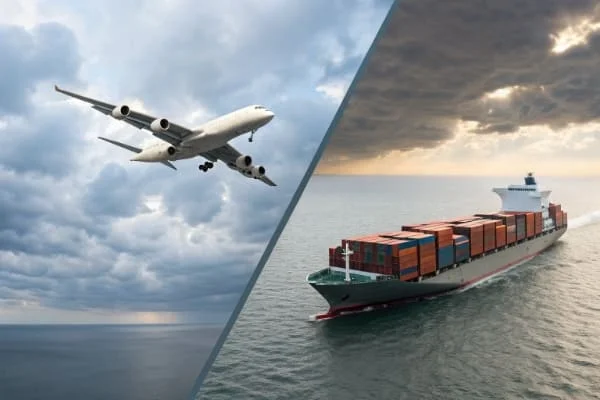
Understanding the full timeline is essential for managing your cash flow and inventory. The "transit time" you see quoted is just the time on the water or in the air. The true door-to-door time is much longer.
Air Freight vs. Sea Freight
Your choice between air and sea depends on your budget, timeline, and the type of goods you're shipping.
| Shipping Mode | Port-to-Port Transit Time | Best For |
|---|---|---|
| Air Freight | 3-7 days | High-value, lightweight, or urgent goods (e.g., samples, electronics, fashion items). |
| Sea Freight (FCL/LCL) | 18-30 days | Bulk orders, heavy or large goods, and non-urgent stock replenishment. |
Air freight is much faster but also significantly more expensive, often 5 to 10 times the cost of sea freight.
The Full Door-to-Door Timeline
Let's break down the timeline for a typical sea freight shipment to see how it all adds up:
- Factory Production & Packing: Varies by order.
- Inland Transit to China Port: 2-5 days
- China Customs Clearance & Port Handling: 2-4 days
- Sea Transit to New Zealand Port: 18-30 days
- NZ Customs Clearance & Port Handling: 3-7 days
- Inland Transit to Your Warehouse: 1-3 days
As you can see, a 25-day sea journey can easily become a 35-50 day process from the moment your goods leave the factory until they arrive at your door.
Factors That Cause Delays
Unfortunately, delays can happen. It's smart to build a buffer into your timeline. Common causes for delays include:
- Peak Seasons: Pre-Christmas and pre-Chinese New Year are extremely busy, causing port congestion and backlogs.
- Customs Inspections: Random or targeted inspections can add a week or more to your timeline.
- Bad Weather: Typhoons or rough seas can delay vessels.
- Documentation Errors: An incorrect document will halt your shipment until it's corrected. Planning for these potential issues will help you manage expectations with your customers.
Should You Use a Freight Forwarder or Import Agent in New Zealand?
Feeling overwhelmed by logistics, customs, and paperwork? Managing it all yourself is risky and time-consuming. A professional partner can make the entire process simple and safe.
For most importers, especially beginners, using a freight forwarder6 or a sourcing agent like Toncentlink is highly recommended. They handle logistics, customs clearance14, and paperwork, preventing costly mistakes. The cost is often offset by the time and money saved from avoiding delays and penalties.

Trying to manage an international shipment yourself, especially for the first time, is a huge risk. You can quickly get lost in a sea of logistics jargon, customs regulations, and paperwork. Partnering with an expert is not a cost; it's an investment in a smooth, efficient supply chain.
What Does a Freight Forwarder Do?
A freight forwarder is a logistics specialist. They act as an intermediary between you and the shipping carriers (sea lines, airlines). Their job is to arrange the entire transport process, from booking space on a vessel to managing the documentation like the Bill of Lading. Most importantly, they or their partner customs brokers will handle the complex customs clearance process in New Zealand. Their expertise is invaluable for ensuring your ECI is lodged correctly and all duties/GST are paid, preventing your goods from getting stuck.
The Advantage of a Sourcing Agent
A sourcing agent, which is what we are at Toncentlink, offers a more comprehensive, end-to-end service. We are your team on the ground in China. Our role starts long before the shipping process. We help you:
- Find and audit reliable factories.
- Negotiate competitive pricing.
- Manage your production schedule.
- Conduct on-site quality control inspections.
- Consolidate goods from multiple suppliers. After all that, we then manage the entire logistics process, just like a freight forwarder. The key difference is accountability. When you work with us, one partner is responsible for the entire chain, from product quality to final delivery.
Making the Right Choice
If you have years of experience, a trusted relationship with a supplier, and simply need someone to move a box from A to B, a good freight forwarder might be all you need. However, for most businesses, especially those looking to scale, the integrated solution of a sourcing agent is far more powerful. It reduces risk, simplifies communication, and lets you focus on growing your business in New Zealand, knowing your entire supply chain is being professionally managed.
Conclusion
Importing from China to New Zealand offers huge benefits. By understanding the regulations, costs, and documents, and by partnering with the right experts, you can build a successful and scalable business.
Understanding the commercial invoice is crucial for smooth customs clearance and avoiding delays. ↩
A detailed packing list ensures accurate customs processing and helps avoid potential fines. ↩
The bill of lading is essential for ownership and tracking of your shipment; learn its importance. ↩
Filing an electronic entry correctly is vital to avoid shipment delays and fines. ↩
Understanding GST calculations helps you budget accurately for your imports. ↩
A freight forwarder simplifies the import process, saving you time and reducing risks. ↩
Exploring OEM/ODM options can help you create unique products that stand out in the market. ↩
A well-structured supply chain is key to scaling your business efficiently. ↩
Familiarizing yourself with import regulations is essential to avoid fines and delays. ↩
Understanding customs duties is essential for accurate cost estimation and compliance. ↩
A Certificate of Origin can help you claim preferential duty rates; learn when it's necessary. ↩
Compliance certificates ensure your products meet safety standards, protecting your business. ↩
Knowing shipping times helps you plan inventory and manage customer expectations effectively. ↩
Understanding customs clearance is vital to ensure your goods arrive on time and without issues. ↩