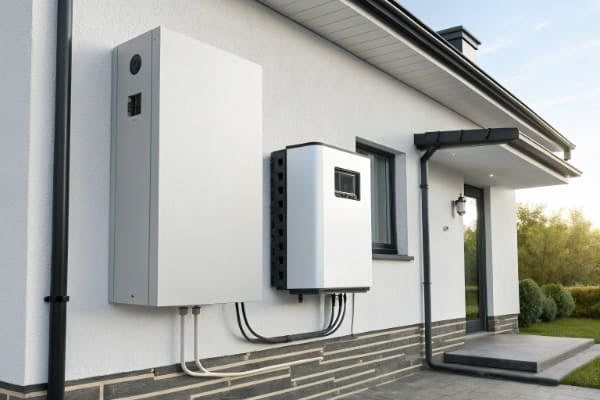
Confused about solar inverters? Choosing the wrong one can cost you money and leave you powerless. This guide makes the decision simple, ensuring you get the right system.
A hybrid inverter1 is an all-in-one unit that converts solar power and manages a battery. A traditional inverter2 only converts solar power for immediate use or sends it to the grid, requiring separate components for battery storage3.
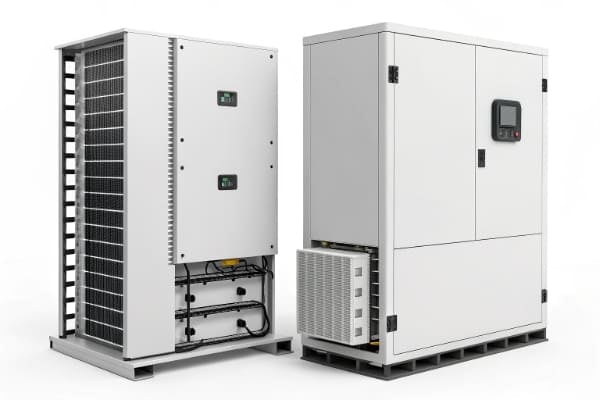
When I first started helping clients source energy products, the world of inverters seemed overly complex. But once you break it down, the choice becomes much clearer. It's not just about technical specs; it's about what you want your solar system4 to do for you. Let’s walk through the key questions I ask my clients to help them decide. This will help you find the perfect fit for your home or business.
What Are the Key Differences Between Hybrid and Traditional Solar Inverters?
Struggling to see beyond the technical jargon? The differences seem small, but they have a huge impact on how your solar system4 works and saves you money.
The main difference is function. Traditional inverters just convert DC to AC. Hybrid inverters do that, plus they manage energy flow5 between solar panels6, batteries, and the grid, offering more control.
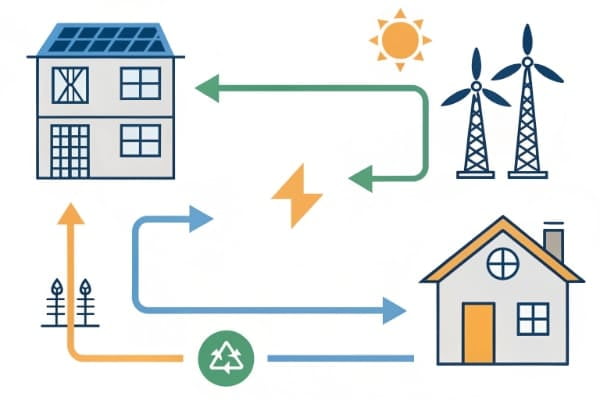
At its core, every solar inverter turns the DC power from your panels into AC power your home can use. But how they handle that power is where they diverge. A traditional, or "string," inverter is a one-way street. It takes solar power and sends it to your appliances or back to the grid. That's it.
A hybrid inverter1 is more like a smart traffic controller for your home's energy. It can direct power from multiple sources—your panels, the grid, and a battery—to where it's needed most. This integrated approach means fewer boxes on your wall. For many of our clients' projects, this simplified setup is a major advantage.
Here is a simple breakdown:
| Feature | Traditional Inverter | Hybrid Inverter |
|---|---|---|
| Primary Function | Converts DC to AC | Converts DC to AC & Manages Battery |
| Battery Ready? | No (needs extra parts) | Yes (built-in) |
| Backup Power | No (shuts down in outage) | Yes (switches to battery) |
| System Complexity | Simpler (if no battery) | More integrated |
| Energy Management | Basic | Advanced (stores and directs energy) |
How Do Hybrid Inverters Maximize Solar Power Efficiency?
Are you wasting the solar power you generate? Sending excess energy to the grid for a low price feels like a loss, especially when you have to buy it back later.
Hybrid inverters maximize efficiency by storing your excess solar energy7 in a battery. This "self-consumption8" means you use more of your own free power instead of selling it cheap.
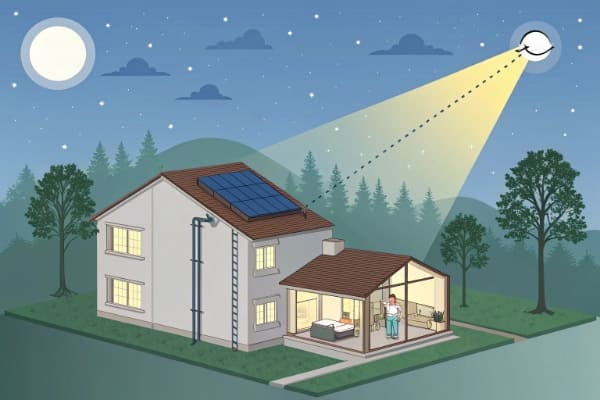
Think about a typical day. Your solar panels6 produce the most power around noon, but you might be at work with low energy usage at home. With a traditional inverter2, all that extra power gets sold to the grid, often for a very low price. Then, in the evening when you're home using more electricity, you have to buy it back from the grid at a much higher rate.
This is where a hybrid inverter1 changes the game. It allows you to achieve higher "self-consumption8."
Storing Daytime Power for Nighttime Use
Instead of exporting your valuable solar energy7, a hybrid inverter1 uses it to charge a connected battery. When the sun goes down, your home automatically starts drawing power from the battery instead of the grid. You get to use the energy you generated hours earlier, for free.
Reducing Grid Dependence
By storing and using your own solar power, you drastically cut down on the electricity you need to buy. For our clients in regions with high energy costs9 or time-of-use pricing10, this translates directly into significant long-term savings on their utility bills.
Why Are Hybrid Inverters Better for Battery Storage and Backup Power?
Worried about power outages? A standard grid-tied solar system4 won't work when the grid is down, leaving you in the dark despite having solar panels6 on your roof.
Hybrid inverters are designed to work with batteries from the start. They can seamlessly switch to battery power during an outage, keeping your lights on while a traditional inverter2 must shut down.

This is one of the most common pain points I hear about. People invest in solar for energy independence11, only to find out their system is useless during a blackout. This is due to a safety rule called "anti-islanding," which requires traditional inverter2s to shut down to protect utility workers repairing the lines.
Hybrid inverters provide a solution because they are built for this exact scenario.
Integrated and Seamless Operation
A hybrid inverter1 has the battery charger and management system built right in. When it detects a grid outage, it instantly and safely disconnects from the grid and creates its own mini-grid for your home. It then draws power from your battery, and if it's sunny, your solar panels6 can continue producing power to run your home and recharge the battery simultaneously.
Prioritizing What Matters Most
Many hybrid systems can be configured to power "critical loads12" during an outage. This means you can choose to keep only the essentials running—like your refrigerator, lights, and internet router—to make your backup power13 last much longer. For businesses, this can mean the difference between staying open or shutting down.
Which Inverter Is More Cost-Effective in the Long Run?
Is the higher upfront cost of a hybrid inverter1 worth it? You want the best return on your investment, not just the cheapest option today when you are sourcing products.
A traditional inverter2 has a lower initial cost. However, a hybrid inverter1 often proves more cost-effective14 long-term by reducing electricity bills15 and protecting you from rising energy prices.
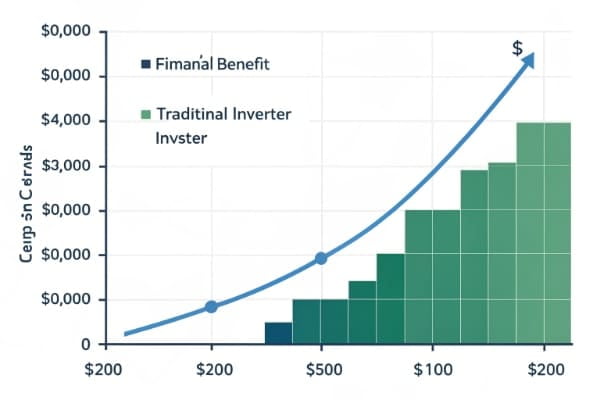
When discussing costs with my clients, I always frame it in terms of total value over the system's lifetime, not just the initial purchase price. A traditional inverter2 is undeniably cheaper to buy. If your only goal is to offset some of your daytime energy use and your budget is tight, it's a perfectly fine choice.
However, the long-term financial picture often favors a hybrid inverter1. The higher upfront cost is an investment in future savings and energy security.
Calculating the Return on Investment
The ROI for a hybrid inverter1 comes from maximizing self-consumption8. By storing and using your own solar energy7, you avoid buying expensive electricity from the grid, especially during peak evening hours. Over 10-15 years, these savings can easily surpass the initial price difference.
Future-Proofing Your Investment
Energy markets are changing. Utility rates are rising, and many are introducing "time-of-use" pricing, making evening electricity even more expensive. A hybrid inverter1 is already equipped to handle this. It allows you to adapt to new rate structures without needing a costly system overhaul. Adding a battery to a traditional system later is possible, but it's often more complex and expensive than doing it with a hybrid from day one.
When Should You Choose a Hybrid Inverter Over a Traditional One?
Feeling stuck between two good options? Choosing the wrong one for your specific situation can lead to regret and unnecessary expense down the road when planning your project.
Choose a hybrid inverter1 if you want battery backup, plan to add batteries later, or live where the grid is unreliable. Choose a traditional inverter2 for the lowest upfront cost with no storage plans.
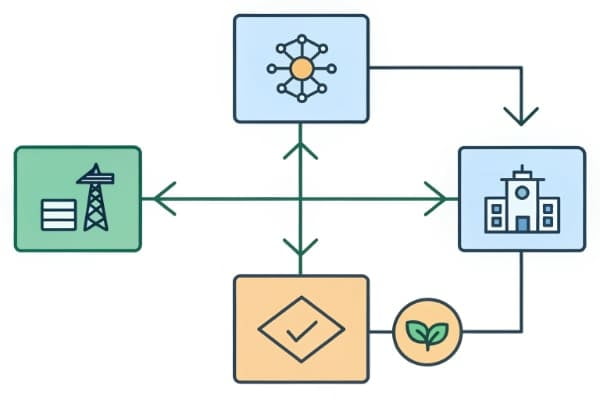
The right choice comes down to your priorities and circumstances. After helping hundreds of clients source and implement solar solutions, I've found the decision usually boils down to a few key factors. Ask yourself these questions to find your answer.
You should choose a HYBRID inverter if:
- You want backup power13: If energy security during a blackout is a top priority for your family or business, a hybrid is the clear winner.
- Your area has an unreliable grid: For clients in regions with frequent power outages, a hybrid inverter1 isn't a luxury; it's a necessity for comfort and continuity.
- You want to maximize savings: If your goal is to use as much of your own solar power as possible and minimize what you buy from the utility, a hybrid with a battery is the most effective tool.
- You plan to add a battery later: Getting a "battery-ready" hybrid inverter1 from the start is the most seamless and cost-effective14 way to future-proof your system.
You should choose a TRADITIONAL inverter if:
- Your budget is the primary concern: It offers the lowest point of entry into solar energy7.
- You have a stable grid: If power outages are very rare in your area, the added cost of a backup-capable system might not be justified.
- Your electricity rates are low and flat: If there's no financial penalty for using grid power at night, the savings from a battery will be minimal.
Conclusion
Choosing the right inverter depends on your goals. A hybrid offers energy independence11 and long-term savings, while a traditional inverter2 provides a simpler, lower-cost entry to solar power.
Explore the advantages of hybrid inverters, including energy management and backup power capabilities. ↩
Learn about traditional inverters and their role in converting solar energy for immediate use. ↩
Understand how battery storage enhances solar energy efficiency and provides backup power. ↩
Get an overview of the essential components of a solar energy system. ↩
Explore the differences in energy flow between hybrid and traditional inverters. ↩
Learn about the technology behind solar panels and their efficiency. ↩
Stay updated on the latest advancements and trends in solar energy technology. ↩
Find out how maximizing self-consumption can lead to significant savings on electricity bills. ↩
Understand the factors that affect energy costs and how to manage them. ↩
Learn about time-of-use pricing and its impact on solar energy consumption. ↩
Explore how solar systems can help you achieve energy independence and security. ↩
Discover what critical loads are and how to prioritize them during outages. ↩
Learn how hybrid inverters ensure you have power during grid outages. ↩
Investigate the long-term financial benefits of investing in hybrid inverters. ↩
Discover how solar energy can lead to lower electricity bills over time. ↩