
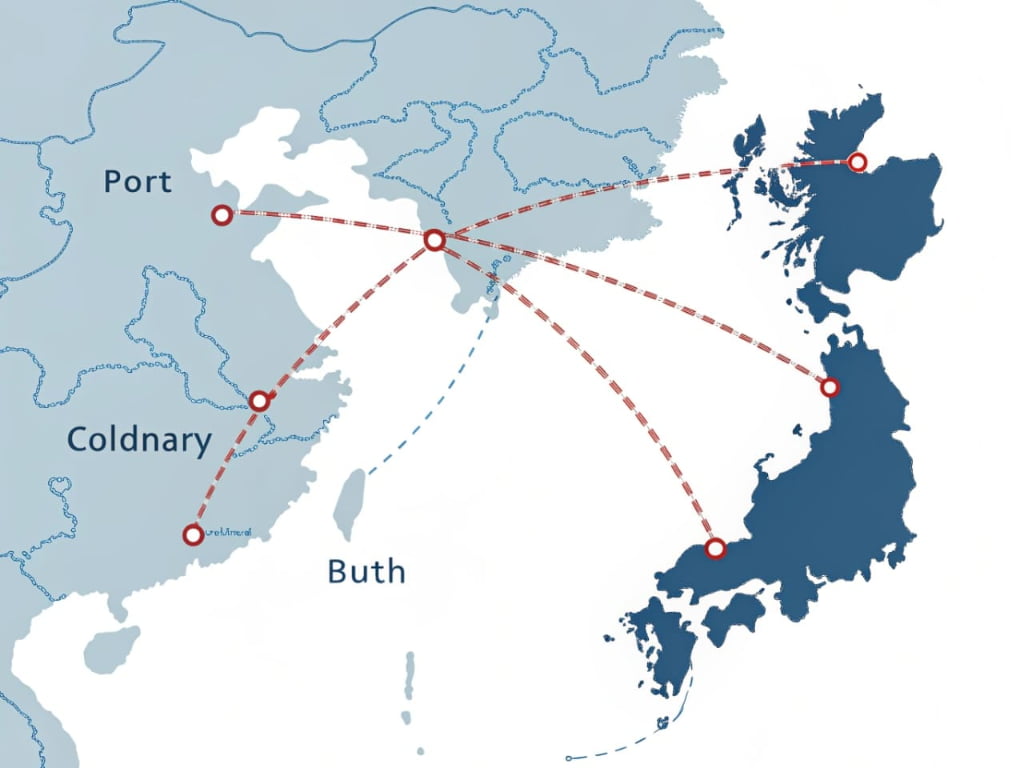
Struggling to figure out sea freight from China to the UK? The process can seem confusing, with risks of delays and hidden fees that threaten your budget and deadlines.
To ship from China to the UK by sea, you must hire a freight forwarder1, prepare key documents like the Bill of Lading2 and Commercial Invoice3, and choose between FCL4 (full container) or LCL5 (shared container). The process involves export clearance6 in China and customs clearance7 in the UK.
I’ve managed hundreds of shipments for clients, and I know how overwhelming it can feel at first. But once you understand the core steps, you’ll see it’s a very logical process. Let's walk through each part of the journey together, so you can import with confidence and avoid costly mistakes.
How Does Shipping from China to the UK by Sea Work?
The sea freight process can feel like a black box. You see your goods leave the factory in China, and then you just have to wait and hope they arrive correctly.
The process works in stages: your freight forwarder1 arranges pickup from the factory, handles export customs in China, and books space on a vessel. The ship sails to a UK port like Southampton, where the forwarder manages import customs clearance7 before final delivery8 to your address.
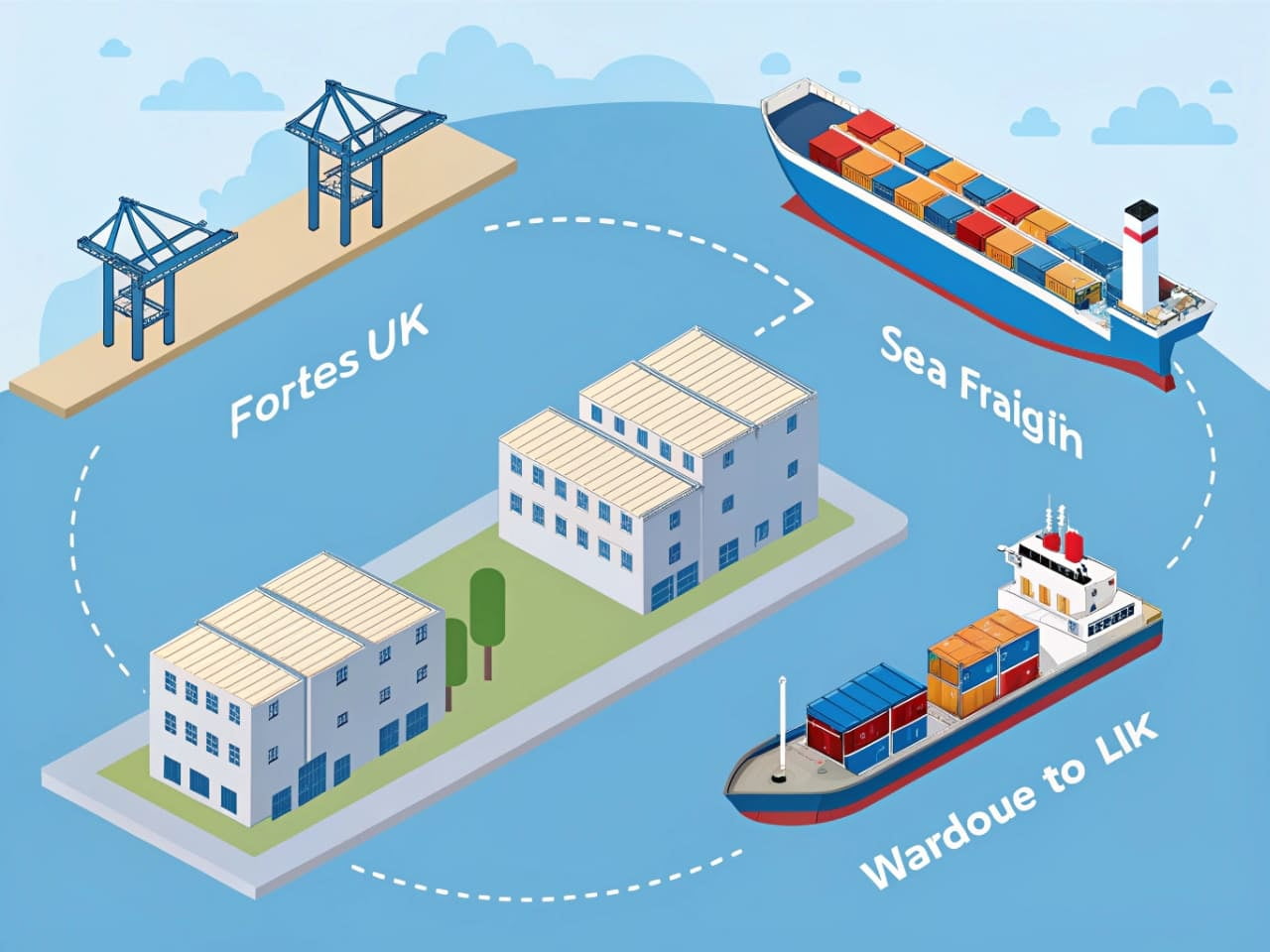
When I first started helping clients like David import from China, the biggest relief I could provide was a clear roadmap of the shipping journey. It’s not just about a boat crossing the ocean; it’s a coordinated logistics chain. Your freight forwarder1 is the project manager for this entire operation. They coordinate trucking in China, book your cargo on a vessel sailing from a major port like Shenzhen or Shanghai, and ensure it's routed to a UK port like London Gateway or Southampton.
A key part of this is understanding Incoterms9, like FOB (Free On Board), which defines when responsibility transfers from your supplier to you. Under FOB, your supplier handles getting the goods to the Chinese port, and your forwarder takes over from there. This clear division of responsibility prevents confusion.
Here is a simple breakdown of the journey:
| Stage | Description | Key Action |
|---|---|---|
| 1. Booking | You confirm your shipment details with a freight forwarder1. | Hire a reliable forwarder. |
| 2. Export Haulage | Goods are trucked from the factory to the departure port. | Forwarder coordinates pickup. |
| 3. Export Customs | Your shipment is cleared to leave China. | Forwarder files declaration. |
| 4. Sea Transit | The vessel sails from China to the UK. | Track your shipment. |
| 5. Import Customs | Your shipment is cleared by UK authorities (HMRC). | Forwarder submits documents. |
| 6. Final Delivery | Goods are trucked from the UK port to your warehouse. | Forwarder arranges final transport. |
What Documents Are Required for Sea Freight to the UK?
Are you dreading the mountain of paperwork needed for international shipping? It feels like one missing form could stop your entire shipment in its tracks, costing you time and money.
For a smooth customs process in the UK, you need three essential documents: a Commercial Invoice3, a Packing List, and a Bill of Lading2 (B/L). These papers prove ownership, declare the value of your goods, and detail the contents of your shipment for customs officials.
I always tell my clients to think of these documents as your shipment's passport. Without them, your goods aren't going anywhere. We work very closely with every client to ensure each document is perfect before the ship even leaves China. It’s the single most important step to prevent delays at the UK border.
First, the Commercial Invoice3 lists the buyer, seller, description of goods, and their value. This is what UK customs uses to calculate duties and VAT10, so it must be accurate. Second, the Packing List details every item in the shipment, including weights, dimensions, and carton numbers. It helps customs verify the contents and is essential for your own warehouse team to check the delivery. Finally, the Bill of Lading2 is the most critical document. It acts as a receipt from the carrier, a contract for transport, and the title to the goods. You need it to claim your cargo in the UK.
Depending on your product, you might also need other papers.
| Document | Purpose | Why It's Critical |
|---|---|---|
| Commercial Invoice3 | Declares the value of the goods for tax purposes. | Determines the amount of duty and VAT10 you pay. |
| Packing List | Details the contents, weight, and dimensions of each package. | Used by customs to verify the shipment and by you for inventory. |
| Bill of Lading2 (B/L) | Acts as a receipt, contract, and title to the goods. | You cannot claim your goods at the UK port without it. |
| Certificate of Origin11 | States where the goods were manufactured. | May be required for certain trade agreements or products. |
| CE Marking12 | A declaration that the product meets EU/UK standards. | Mandatory for products like toys, electronics, and medical devices. |
How Long Does Sea Shipping from China to the UK Take?
You need to know when your products will arrive, but shipping times often seem totally unpredictable. This uncertainty makes it hard to manage inventory or give your own customers a reliable delivery date.
Sea shipping from China to the UK takes around 30 to 40 days for the port-to-port journey. However, you should plan for a total door-to-door transit time of 6 to 8 weeks, which accounts for ground transport, port handling, and customs clearance7 on both ends.
One of the most common questions I get from clients like David is about timing. It's crucial for their business planning. The 30-40 day ocean transit is just one part of the puzzle. The full door-to-door time is what really matters. For example, it can take up to a week just to get your goods from the factory to the port in China and clear export customs, especially during busy periods.
Once the ship arrives in the UK, it can take another week or more for the container to be unloaded, clear import customs, and be trucked to your final destination. Several factors can affect this timeline. Bad weather can delay a vessel, and port congestion13 at either end can create a backlog. We also have to plan around major holidays like Chinese New Year, when everything in China shuts down for weeks. I always advise clients to build a 1-2 week buffer into their schedule to absorb any unexpected delays.
Here’s a typical timeline:
| Phase | Duration | What's Happening |
|---|---|---|
| Pre-Loading | 5-7 days | Cargo pickup, trucking to port, export customs clearance7. |
| Ocean Transit | 30-40 days | The vessel is at sea, traveling from China to the UK. |
| Post-Arrival | 5-10 days | Unloading, import customs clearance7, final delivery8 to your door. |
| Total Estimated Time | 6-8 weeks | Complete door-to-door journey. |
How Much Does It Cost to Ship a Container from China to the UK?
Are you worried about the hidden costs of international shipping? The initial quote you receive often doesn't match the final bill, and these surprises can destroy your profit margins.
The cost to ship a container from China to the UK can range from £1,500 to over £5,000, depending on the container size and market demand. Your total cost will also include local charges, customs duties, VAT10, insurance14, and your forwarder's fee, so budget accordingly.
I always stress transparency when it comes to cost. The ocean freight rate is the biggest part of the price, but it's not the only part. To help clients budget accurately, I provide a full breakdown of all expected charges. This includes origin charges in China (like trucking and terminal handling) and destination charges in the UK (like customs clearance7 fees and final delivery8).
Freight rates are not static; they fluctuate based on supply and demand, the time of year (peak season from August to October is more expensive), and global events. That's why it's important to compare quotes from different forwarders, but make sure you are comparing apples to apples. Ask for a detailed quote that lists all potential fees. Also, remember to factor in UK import duty15 and VAT10, which are calculated based on the value of your goods. Insurance is another small but vital cost to protect your investment.
Here are the main cost components to budget for:
| Cost Component | Description |
|---|---|
| Ocean Freight | The base cost for shipping the container from port to port. |
| Origin Charges | Fees in China for trucking, port handling (THC), and export clearance6. |
| Destination Charges | Fees in the UK for port handling (THC), customs clearance7, and port security. |
| Import Duty & VAT10 | Taxes levied by the UK government (HMRC) based on the goods' value and type. |
| Final Delivery | The cost of trucking the container from the UK port to your warehouse. |
| Insurance | Protects your cargo against loss or damage during transit. |
| Forwarder Fee | The service fee for managing the entire process. |
FCL4 vs LCL5: Which Is Better for Shipping to the UK?
You're not sure whether to book a whole container or just share one. Choosing the wrong method can mean paying for empty space or facing unexpected delays and damage risks.
Choose Full Container Load (FCL4) for larger shipments (typically 15 cubic meters or more) as it is faster and more secure. For smaller shipments, Less than Container Load (LCL5) is more cost-effective because you only pay for the space you use inside a shared container.
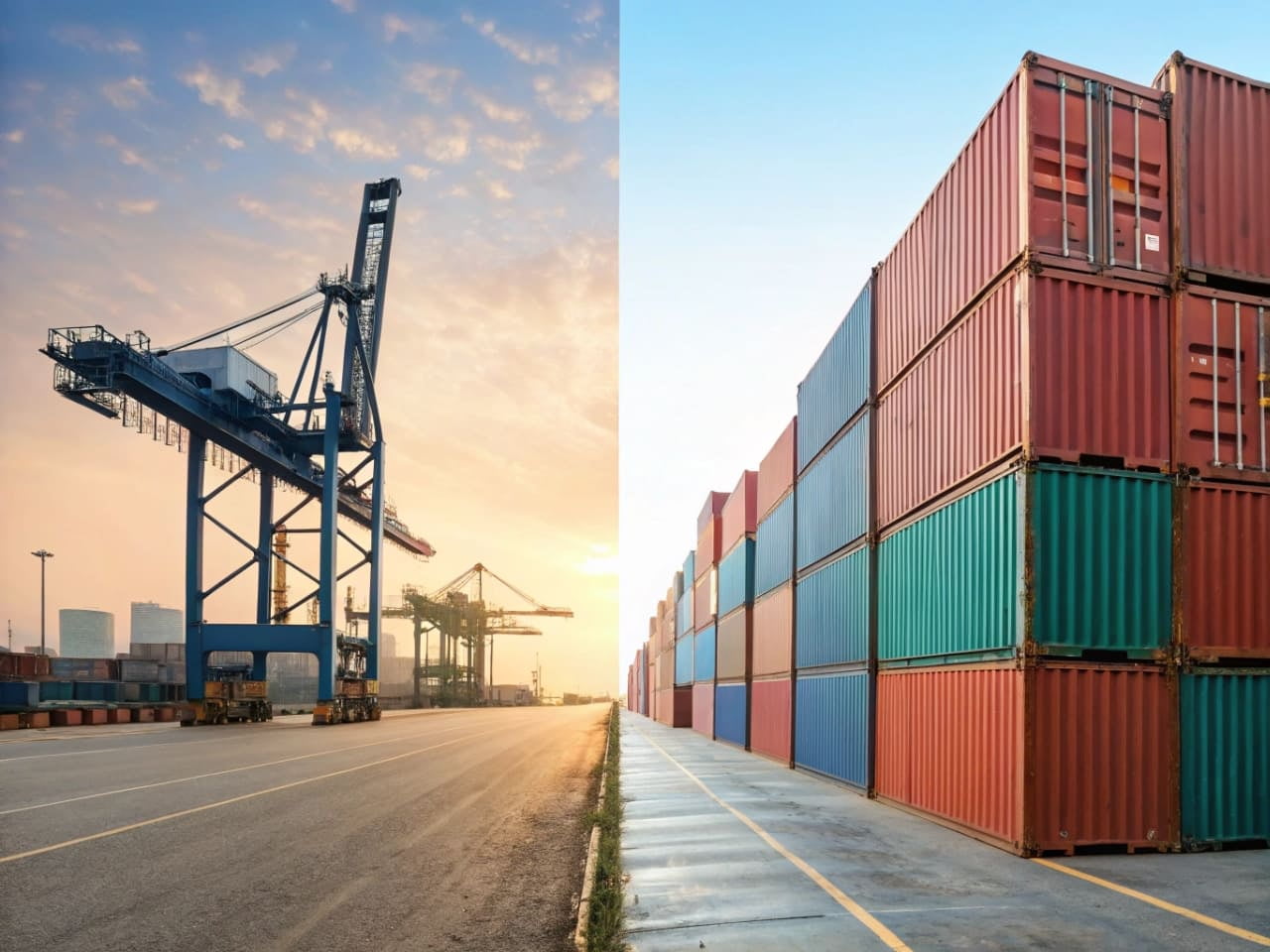
This is a decision I help my clients with every day, and the right choice depends entirely on the size of your order. FCL4 means you rent an entire 20ft or 40ft container for your exclusive use. The container is sealed at the factory and isn't opened again until it reaches you. This makes it very secure and generally faster, as there's no need to consolidate or deconsolidate cargo at the ports.
LCL5 is the "ride-sharing" option. Your goods are combined with other importers' cargo to fill a single container. It's a great way to save money on smaller shipments, as you're not paying for a full container you don't need. However, LCL5 has downsides. It takes longer because of the extra handling at both ends, and there's a slightly higher risk of damage since your goods are handled more. As a general rule, if your shipment is around 15 cubic meters (CBM) or more, it’s worth getting a quote for a 20ft FCL4 container, as it often becomes the cheaper option per CBM.
Here’s a quick comparison to help you decide:
| Feature | FCL4 (Full Container Load) | LCL5 (Less than Container Load) |
|---|---|---|
| Best For | Large shipments (>15 CBM) | Small shipments (<15 CBM) |
| Cost | Higher upfront cost, but cheaper per CBM for large volumes. | Lower upfront cost, but more expensive per CBM. |
| Speed | Faster transit time. No consolidation delays. | Slower due to consolidation and deconsolidation. |
| Security | High. Your goods are sealed in a dedicated container. | Lower. Shared with other cargo, more handling involved. |
Common Customs & VAT10 Issues When Importing into the UK?
Navigating UK customs can feel like walking through a maze blindfolded. You're constantly worried that one small mistake will get your shipment stuck, leading to frustrating delays and costly storage fees.
The most common UK customs issues16 include not having an EORI number17, using an incorrect commodity code18, or undervaluing goods on the commercial invoice. To avoid problems, ensure all your paperwork is accurate and you are properly registered with HMRC before your goods arrive.

I’ve seen firsthand how a simple administrative error can hold up a shipment for weeks. The key to avoiding these headaches is preparation. The first thing you absolutely need is a UK EORI number17 (Economic Operators Registration and Identification). It's a unique ID required for all businesses importing into the UK. You can apply for one online for free, and you must have it before your shipment arrives.
Another major issue is the valuation of your goods. It can be tempting to declare a lower value on the commercial invoice to save on duty and VAT10, but HMRC is very strict about this. If they suspect undervaluation, they can hold your goods, demand proof of payment, and issue heavy fines. Always declare the true transaction value. Finally, make sure you use the correct HS (Commodity) Code for your products. This code determines the rate of import duty15 you'll pay, and using the wrong one can lead to paying too much or too little, both of which cause problems. A good freight forwarder1 will help you verify all of this.
Here’s how to solve the most common issues:
| Common Issue | How to Avoid It |
|---|---|
| No EORI Number | Apply for your free EORI number17 on the UK government website well before you ship. |
| Incorrect HS Code | Work with your supplier and freight forwarder1 to identify the correct commodity code18 for your products. |
| Invoice Undervaluation | Always declare the true price you paid for the goods on your commercial invoice. |
| Missing Compliance Docs | For products like electronics or toys, ensure you have the required CE marking and test reports. |
Conclusion
Sea freight to the UK is a reliable and cost-effective process when you understand the steps, prepare your documents correctly, and work with a trusted partner to manage the details.
Understanding the role of a freight forwarder can simplify your shipping process and help you avoid costly mistakes. ↩
Learn about the significance of the Bill of Lading to ensure your shipment is processed smoothly and legally. ↩
Discover the essential details of a Commercial Invoice to prevent delays and ensure compliance with customs. ↩
Explore the benefits of FCL shipping to determine if it's the right choice for your larger shipments. ↩
Understand LCL shipping to save costs on smaller shipments while being aware of its potential downsides. ↩
Learn about export clearance to ensure your goods leave the country without unnecessary delays. ↩
Gain insights into customs clearance to navigate the process smoothly and avoid unexpected fees. ↩
Learn about the final delivery process to ensure your goods reach you promptly and without issues. ↩
Understanding Incoterms is crucial for clarifying responsibilities and avoiding confusion in shipping. ↩
Learn about VAT implications to ensure compliance and accurate financial planning for your imports. ↩
Find out when a Certificate of Origin is necessary to ensure compliance with trade agreements. ↩
Learn about CE Marking to ensure your products meet EU/UK standards and avoid legal issues. ↩
Understanding port congestion can help you plan better and anticipate potential delays in your shipments. ↩
Discover the importance of shipping insurance to protect your investment against potential losses. ↩
Understanding import duty helps you budget accurately and avoid unexpected costs when importing. ↩
Identifying common customs issues can help you prepare and avoid costly delays in your shipments. ↩
Learn about the importance of an EORI number to ensure your shipments are processed without issues. ↩
Understanding commodity codes is essential for accurate duty calculations and compliance with customs. ↩