

Shipping goods from China to Qatar feels overwhelming. You worry about complex logistics1, hidden fees2, and unexpected delays. I will give you a clear, step-by-step guide.
Sea shipping from China to Qatar involves hiring a freight forwarder3, preparing key documents like the Bill of Lading4, and loading your goods. The journey typically takes 20-40 days, with costs varying based on whether you choose a full or shared container.

I remember when I first helped a client, David, with his shipment to Qatar. He was a brand manager launching a new line of corporate gifts and was completely lost. He saw a dozen different steps and didn't know where to begin. Once we walked through the process together, he realized it wasn't so scary. This guide will give you that same clarity, breaking down everything you need to know. Let's start with how the whole process works from beginning to end.
How Does Shipping from China to Qatar by Sea Work?
Are you confused by the different stages of sea freight? You see many steps but are unsure of the correct order. I'll outline the simple, sequential process for you.
The process begins when you book your shipment with a freight forwarder3. Your goods are then moved to the port, cleared through China customs, and loaded onto a vessel. After sailing to Qatar, the container is unloaded and cleared by Qatari customs for final delivery.
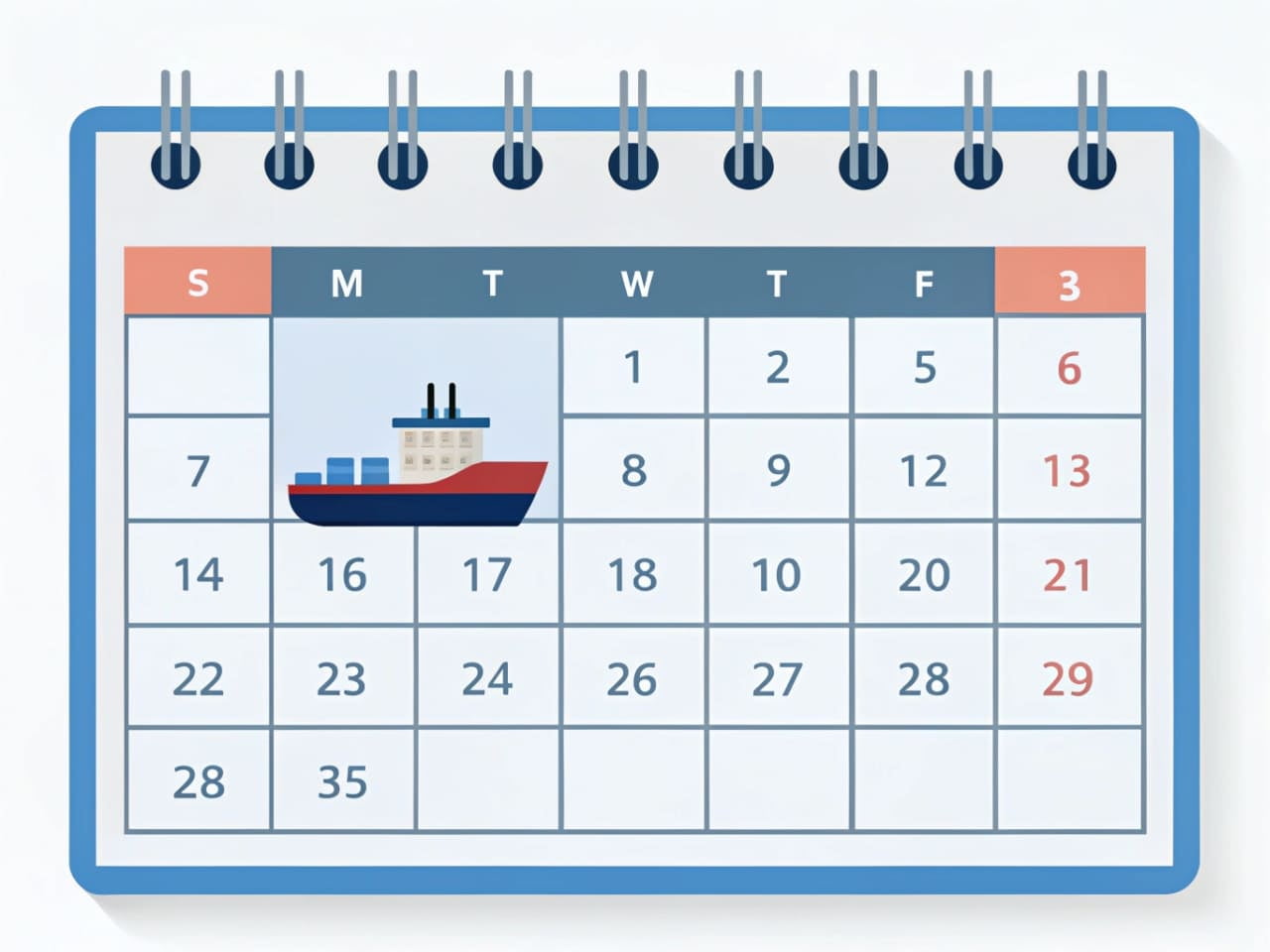
The entire journey can be broken down into a few key phases. It’s a chain of events where each step must be completed correctly for the next one to proceed smoothly. I always tell my clients to think of it as a relay race. Our job at Toncentlink is to make sure every baton pass is perfect.
Here is a breakdown of the typical workflow:
The Main Stages of Sea Shipping
| Stage | Key Activities | Who is Responsible? |
|---|---|---|
| 1. Pre-Shipping | Booking container space, preparing goods, arranging inland transport to the port. | You and your Freight Forwarder |
| 2. Export Port | Loading the container (FCL5/LCL6), customs clearance7, and loading onto the vessel. | Freight Forwarder and Carrier |
| 3. Ocean Transit | The ship sails from the Chinese port (e.g., Shanghai) to the Qatari port (Hamad). | Shipping Line / Carrier |
| 4. Import Port | Unloading the container, customs clearance7 in Qatar, and paying duties/taxes. | Freight Forwarder and Customs Broker |
| 5. Post-Arrival | Transporting the goods from the port to your final warehouse or address. | Freight Forwarder or your Local Agent |
The first step is always choosing a reliable freight forwarder3. They act as your project manager, coordinating everything from picking up goods at the factory in China to final delivery in Doha. Once you book with them, they secure space on a ship. Your supplier then prepares the goods, and we arrange for a truck to move them to the port. At the port, everything is inspected, cleared by Chinese customs, and loaded. After the 20-40 day voyage, the process repeats in reverse at Hamad Port. Your forwarder handles the import paperwork, pays the necessary duties, and arranges for delivery to your door.
What Documents Are Required for Sea Freight to Qatar?
Paperwork can be a real headache. You worry that one missing or incorrect document will cause your shipment to get stuck at customs. I will list the essential documents you need.
For smooth customs clearance7 in Qatar, you absolutely must have a Commercial Invoice8, a Packing List9, a Bill of Lading4 (B/L), and a Certificate of Origin10. These documents are non-negotiable and prove the shipment's value, contents, and ownership.
Getting your documentation right is probably the most critical part of international shipping. I’ve seen shipments delayed for weeks over a simple typo. The Qatari customs authorities are very strict, so precision is key. You need to ensure every detail on these documents matches perfectly.
Here are the core documents and why they matter:
Key Shipping Documents for Qatar
| Document | Purpose | My Pro Tip |
|---|---|---|
| Commercial Invoice8 | Declares the value of the goods. Used by customs to calculate duties and taxes. | The value must be accurate. Qatar applies a 5% GCC tariff on the CIF (Cost, Insurance, Freight) value, so undervaluing goods can lead to fines. |
| Packing List9 | Details the contents of your shipment, including quantity, weight, and dimensions of each box. | Make it as detailed as possible. This helps customs officials if they decide to physically inspect your cargo, speeding up the process. |
| Bill of Lading4 (B/L) | Acts as the title of the goods, a receipt from the carrier, and a contract of carriage. | This is a critical legal document. Ensure the consignee's name is exactly as it appears on their Qatar import license. |
| Certificate of Origin10 (CO) | Certifies that the goods were manufactured in China. Often required for customs. | This must be issued by a recognized chamber of commerce in China. Your forwarder can help you obtain a certified one. |
In addition to these, every importer in Qatar needs an Import License11. Without this, you cannot legally bring commercial goods into the country. Make sure your business or your consignee has this license ready before the shipment arrives. For certain products, you may also need additional permits or certificates, so always check with your freight forwarder3 about requirements specific to your goods.
How Long Does Sea Shipping from China to Qatar Take?
Waiting for your shipment to arrive is stressful. You have deadlines to meet, and unpredictable timelines can ruin your plans. I'll give you realistic transit times and explain common delays.
Sea shipping from a major port in China to Hamad Port in Qatar generally takes 20 to 40 days. This is just the port-to-port ocean transit12 time. The total door-to-door time will be longer, including inland transport and customs clearance7.
When a client asks me for a timeline, I always break it down into four parts: inland transit in China, port processing time, ocean transit12, and destination processing in Qatar. The ocean transit12 is just one piece of the puzzle. A 25-day sea journey can easily become a 40-day door-to-door delivery.
Here are some estimated port-to-port transit times to Hamad Port, Qatar:
Estimated Sea Transit Times to Qatar
| From (China Port) | To (Qatar Port) | Estimated Transit Time |
|---|---|---|
| Shanghai | Hamad Port | 22-30 days |
| Shenzhen | Hamad Port | 20-28 days |
| Ningbo | Hamad Port | 24-32 days |
| Guangzhou | Hamad Port | 21-29 days |
| Qingdao | Hamad Port | 28-40 days |
Remember, these are estimates. The final time depends on the shipping line's schedule, weather conditions, and port congestion. For example, before a major holiday like Chinese New Year, ports get extremely busy, which can add a week or more to your timeline. We always advise clients to add a buffer of at least 7-10 days to their schedule to account for potential delays in customs or at the port. Proper planning is the best way to avoid stress and keep your supply chain13 moving smoothly.
How Much Does It Cost to Ship a Container from China to Qatar?
Shipping quotes can be very confusing. You get a price but fear hidden fees2 will appear later and destroy your budget. I'll break down all the costs for you.
The base cost to ship a full 20ft container (FCL5) from China to Qatar is around $1,500-$2,500, and a 40ft container is $2,200-$3,200. For smaller shipments (LCL6), expect to pay $80-$150 per cubic meter. These rates do not include all charges.
The first quote you receive for ocean freight is often just the beginning. A complete shipping budget must account for various fees at both the origin and destination. A client of mine was once shocked when his final bill was 40% higher than the initial quote because he didn't account for destination charges14. I want to help you avoid that surprise.
Let's break down the full cost structure:
Components of a Shipping Quote
| Cost Component | Description |
|---|---|
| Ocean Freight | The base rate for shipping the container from port to port. This is what's usually advertised. |
| Origin Charges | Fees in China, including trucking from the factory, customs export clearance, and port handling (THC). |
| Destination Charges | Fees in Qatar, including port handling (THC), customs clearance7, and duties/taxes. The main tax is the 5% GCC tariff. |
| Surcharges | Additional fees like the Bunker Adjustment Factor (BAF) for fuel price changes or Peak Season Surcharges (PSS). |
| Final Delivery | The cost of trucking the container from Hamad Port to your warehouse in Doha or another location. |
The total cost is a sum of all these parts. For example, for a 20ft container, your total cost might look like this: $1,800 (Ocean Freight) + $300 (Origin Charges) + $400 (Destination Charges) + customs duty (5% of CIF value) + $250 (Final Delivery). Always ask your freight forwarder3 for a full door-to-door or port-to-door quote to get a clear picture of the total expense. This transparency is crucial for accurate budgeting.
FCL5 vs LCL6: Which Is Better for Shipping to Qatar?
Choosing between a full container or a shared one is a common dilemma. You want the most cost-effective option without risking damage to your goods. I will help you decide.
Choose Full Container Load (FCL5) if your shipment is over 15 cubic meters (CBM). It's faster and more secure. For smaller shipments (2-15 CBM), Less than Container Load (LCL6) is more economical because you only pay for the space you use.
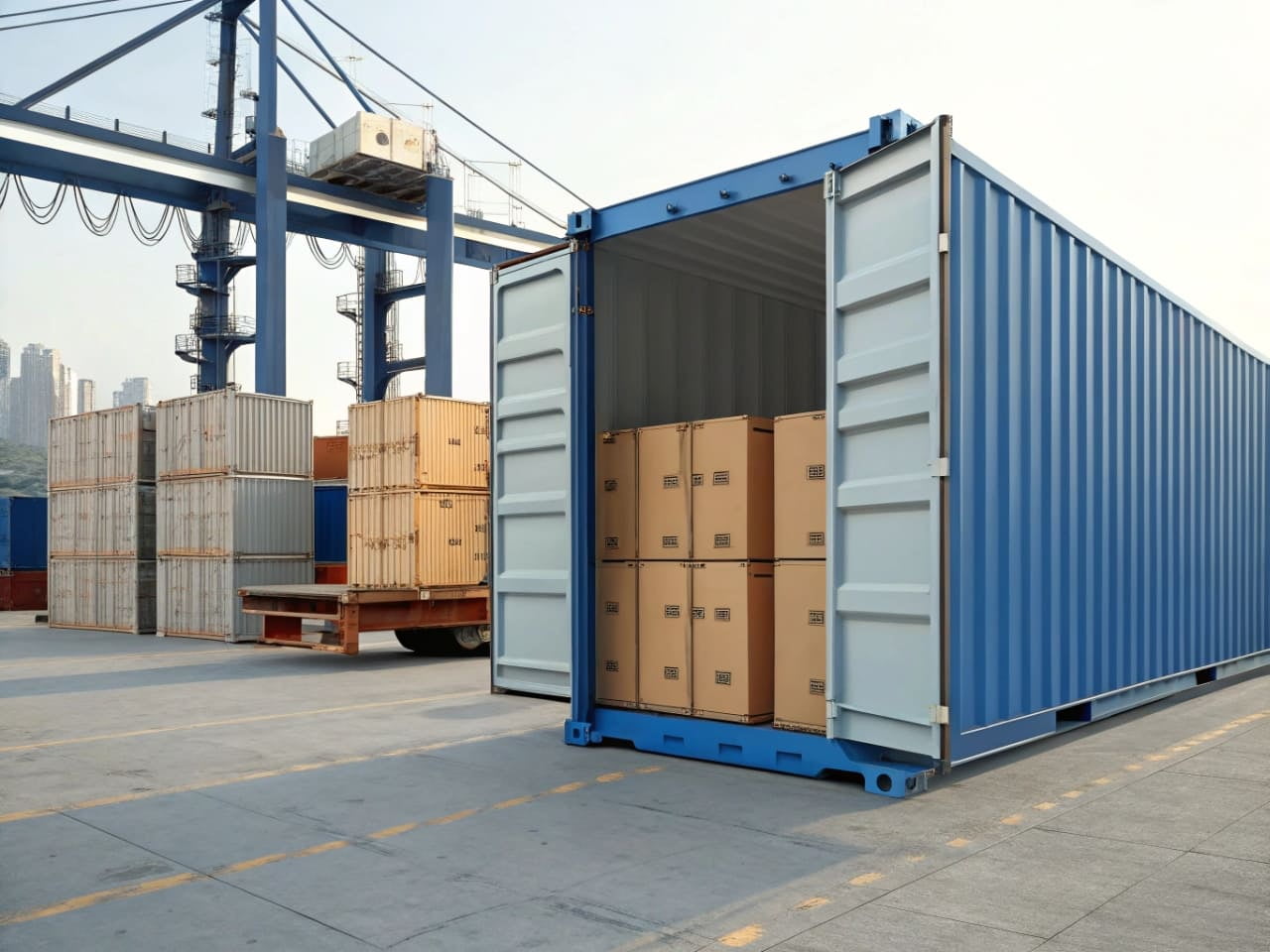
The right choice between FCL5 and LCL6 depends entirely on your shipment's size, budget, and timeline. I had a client who started with LCL6 for his promotional products. As his orders grew, we helped him transition to FCL5. This saved him money per unit and reduced transit time, allowing him to restock faster.
Here is a simple comparison to guide your decision:
FCL5 vs. LCL6: A Quick Comparison
| Feature | FCL5 (Full Container Load) | LCL6 (Less than Container Load) |
|---|---|---|
| Best For | Shipments larger than 15 CBM. | Shipments between 2 and 15 CBM. |
| Cost Structure | Flat rate per container. Cheaper per CBM. | Priced per CBM. More expensive per CBM. |
| Speed | Faster. The container is sealed at the factory and opened at the destination. No extra handling. | Slower. Your goods are consolidated with others at the origin and deconsolidated at the destination. |
| Security | More secure. Less handling means a lower risk of damage, loss, or theft. | Higher risk. More touchpoints mean a greater chance of damage or mix-ups. |
| Flexibility | Less flexible. You pay for the whole container even if it's not full. | Very flexible. You can ship small quantities without committing to a full container. |
My general advice is this: if your shipment volume is close to filling half a container (around 13-15 CBM), it's often better to upgrade to a 20ft FCL5. The extra cost for the full container is often less than the high per-CBM rate of LCL6, and you gain significant benefits in speed and security.
What Are Common Mistakes to Avoid When Shipping to Qatar by Sea?
Simple mistakes can cause huge headaches, like costly delays and customs fines15. You want a smooth process without any surprises. I'll highlight the common traps so you can avoid them.
The most common mistakes are providing inaccurate paperwork, underestimating total costs, not having a valid Qatar import license, and using poor packaging16. Any of these can halt your shipment at the border, leading to delays and unexpected fees.

I once helped a new importer whose shipment was held for ten days at Hamad Port. The reason? A single typo in the consignee's name on the Bill of Lading4. It didn't match their import license. It was a stressful and costly lesson for them. By being aware of these common mistakes, you can protect your business from similar issues.
Here are the top four mistakes I see people make:
1. Incorrect or Incomplete Documentation
Your commercial invoice, packing list, and B/L must be 100% accurate and consistent. The declared value must be correct to avoid accusations of under-invoicing. The HS codes used to classify your products must also be precise. A good freight forwarder3 will review your documents before submission.
2. Ignoring the Total Landed Cost
Many importers focus only on the ocean freight quote. They forget about origin fees, destination charges14, customs duties17 (5% in Qatar), and final delivery costs. Always calculate your "landed cost"—the total price to get the product to your warehouse. This prevents budget overruns.
3. Not Having a Qatar Import License11
This is a non-negotiable requirement for commercial imports into Qatar. You or your consignee must have a valid import license before the goods arrive. Trying to import without one will result in the shipment being rejected by customs.
4. Using Subpar Packaging
Your goods will travel thousands of miles and be handled multiple times, especially with LCL6. Use strong, durable boxes, palletize your cargo correctly, and add protective wrapping. Poor packaging16 can lead to damaged products, which is a loss that shipping insurance18 may not even cover if negligence is proven.
Conclusion
Shipping to Qatar is manageable with the right knowledge and partner. Plan your steps, prepare your documents carefully, and understand all your costs to ensure a smooth, successful import process.
Explore logistics considerations to ensure a smooth shipping process and avoid common pitfalls. ↩
Understanding potential hidden fees can help you avoid budget overruns and ensure financial planning. ↩
Understanding the role of a freight forwarder can simplify your shipping process and ensure smooth logistics. ↩
Learn about the significance of the Bill of Lading to avoid delays and ensure legal compliance in your shipments. ↩
Learn when to choose FCL shipping for cost efficiency and faster delivery of your goods. ↩
Discover the advantages of LCL shipping for smaller shipments and how it can save you money. ↩
Explore customs clearance processes to prevent unexpected delays and ensure your goods arrive on time. ↩
A well-prepared Commercial Invoice is crucial for smooth customs clearance; learn how to create one. ↩
Discover the importance of a detailed Packing List to expedite customs inspections and avoid issues. ↩
Understanding the Certificate of Origin can help you meet customs requirements and avoid shipment delays. ↩
Learn about the Import License requirements to ensure your shipments comply with Qatari regulations. ↩
Understanding ocean transit factors can help you better plan your shipping timelines and manage expectations. ↩
Explore strategies to streamline your supply chain and improve efficiency in your shipping process. ↩
Learn about destination charges to ensure you account for all costs in your shipping budget. ↩
Learn about customs fines to protect your business from costly mistakes during shipping. ↩
Proper packaging is crucial for protecting your goods; explore best practices to avoid damage. ↩
Understanding customs duties is essential for accurate budgeting and avoiding unexpected costs. ↩
Understanding shipping insurance can safeguard your investment and provide peace of mind during transit. ↩