
Struggling with delayed shipments from China? A bad freight forwarder1 causes huge losses and stress. Find a reliable partner to ensure your cargo arrives safely and on time.
To find a reliable freight forwarder1 for New Zealand, you must verify their experience with NZ routes, check their carrier relationships2, and ensure they understand local biosecurity rules3. Look for clear quotes4, positive reviews5, and industry certifications6 like FIATA to confirm their legitimacy and expertise.
Choosing the right partner is crucial for your business. It can be the difference between a smooth import process and a logistical nightmare that costs you time and money. I've seen it happen many times. Let's break down exactly what you need to look for to make the right choice and protect your investment.
What Makes a Freight Forwarder Reliable for China–New Zealand Shipping?
Worried your forwarder doesn't really know the New Zealand route? Inexperience leads to customs delays7 and unexpected fees. A reliable forwarder has proven expertise and strong local connections.
A reliable forwarder for New Zealand has years of specific experience, strong relationships with carriers and NZ customs agents, and offers clear, all-inclusive quotes. They provide proactive communication and have a deep understanding of New Zealand's unique biosecurity and import requirements.
When we talk about reliability, it's more than just moving a box from one country to another. For the China to New Zealand lane, reliability is built on a few key pillars. I always tell my clients to look for a partner who treats New Zealand as a specialist destination, not just another country on the map. This means they have a track record of successful shipments and understand the specific challenges involved. A strong network is non-negotiable. This includes solid relationships with major shipping lines8 for better rates and guaranteed space, plus a competent and responsive agent on the ground in New Zealand. This local agent is your key to smooth customs clearance9. Finally, transparency in pricing10 is a huge sign of a trustworthy partner. A reliable forwarder provides a detailed, itemized quote with no hidden fees, so you know your total landed cost upfront.
Reliable vs. Unreliable Forwarder Checklist
| Feature | Reliable Forwarder | Unreliable Forwarder |
|---|---|---|
| Experience | Specializes in the China-NZ shipping lane. | Treats NZ as just another destination. |
| Network | Strong ties with carriers and NZ agents. | Limited or no local contacts in New Zealand. |
| Pricing | Provides clear, itemized quotes. No hidden fees. | Vague quotes with potential for extra charges. |
| Communication | Proactive updates and responsive support. | Poor communication, reactive to problems. |
What Should a Freight Forwarder Know About Shipping to New Zealand?
Are you afraid of your shipment getting stuck in customs? Ignorance of New Zealand's rules can lead to fines, delays, and even seizure of your goods. Your forwarder must know the regulations.
Your freight forwarder1 must be an expert on New Zealand's strict biosecurity laws, managed by the Ministry for Primary Industries (MPI). They need to handle proper fumigation for wood packaging, correctly declare goods, and understand all import requirements to avoid costly delays.
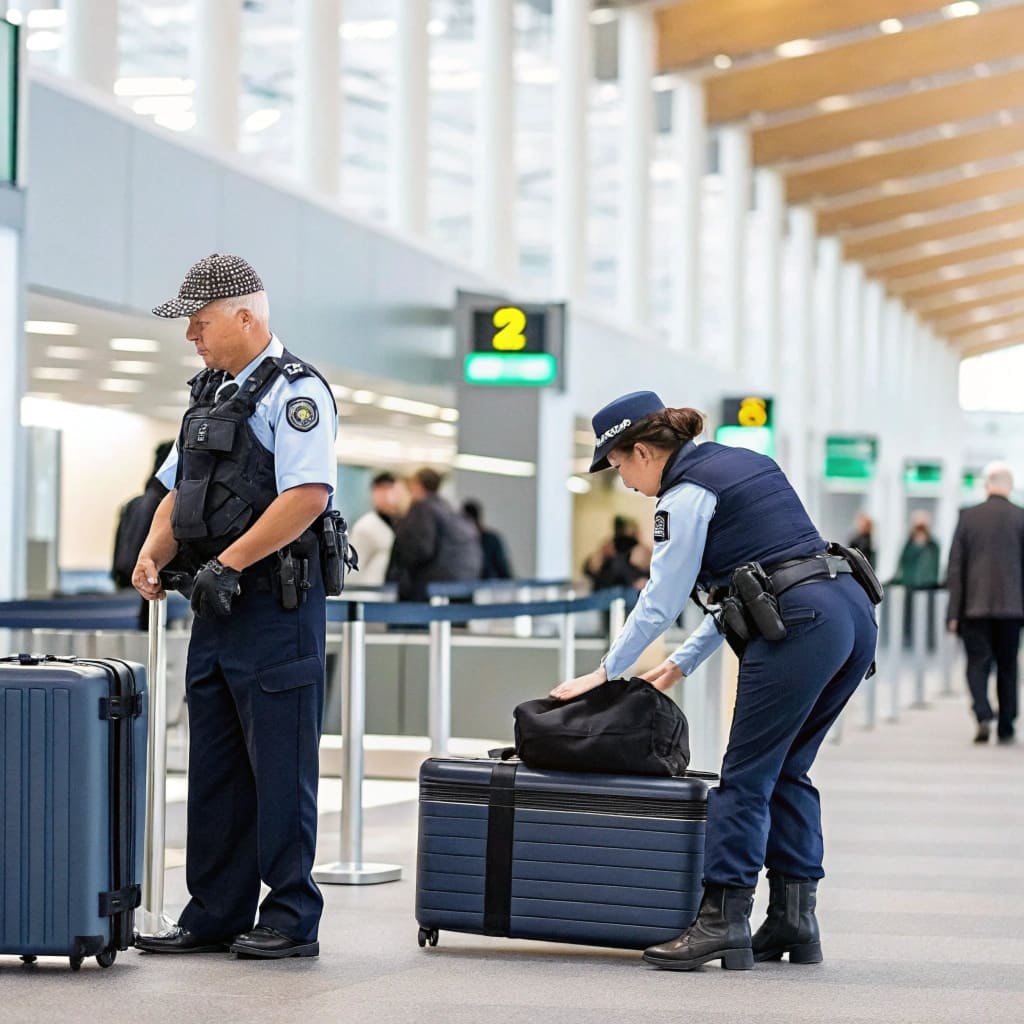
New Zealand has some of the strictest biosecurity rules3 in the world, and for good reason. A good freight forwarder1 must be an expert in these regulations, which are enforced by the Ministry for Primary Industries (MPI). This is not something they can learn on the job. For example, any shipment containing wood packaging, including pallets or crates, must comply with ISPM 15 standards. This means the wood must be heat-treated or fumigated, and you need the certificate to prove it. I’ve seen shipments held for weeks because of a missing stamp on a wooden pallet. A knowledgeable forwarder checks this before your goods even leave our factory. They will also help you declare your goods correctly with the right HS codes11 to ensure you pay the correct amount of GST and duty. They should advise you on any restricted items12 that might need special permits, preventing a nasty surprise at the border.
Key Compliance Checks for NZ Imports
| Regulation Area | Key Requirement | Why It Matters |
|---|---|---|
| Biosecurity (MPI) | ISPM 15 compliance13 for all wood packaging. | Prevents pests. Avoids fumigation costs or destruction of goods in NZ. |
| Customs Declarations | Accurate HS codes11 and value declaration. | Ensures correct duty/GST is paid. Avoids fines and delays. |
| Restricted Goods | Check for items needing special permits. | Prevents seizure of goods at the border. |
| Documentation | Correct Commercial Invoice, Packing List, and Bill of Lading. | Provides a smooth and fast clearance process. |
How Can You Tell If a Freight Forwarder Is Legit or a Scam?
Found a forwarder with prices that seem too good to be true? They probably are, and you could lose your money and your goods. You need to learn the red flags.
A legitimate freight forwarder14 has a professional website, a verifiable physical address, and official credentials like FIATA or IATA membership. Check online reviews, ask for references from NZ clients, and be wary of anyone demanding full payment upfront via untraceable methods.

In my years in this business, I've heard horror stories about scam forwarders. Luckily, there are clear signs you can look for to protect yourself. First, do your basic homework. A legitimate company will have a professional website with a physical address and a company phone number, not just a mobile number or a generic email address. Next, check for credentials. Membership in organizations like FIATA (International Federation of Freight Forwarders Associations) shows they are committed to industry standards. You can also ask for their Chinese business license to verify they are a legally registered company. Social proof is powerful. Ask for references from past clients, especially those in New Zealand. Look for reviews on independent platforms, not just testimonials on their own site. Finally, be very careful with payment terms15. A scammer will often pressure you for 100% payment upfront, often through an untraceable method like Western Union. A real partner will have professional payment terms15, often with a deposit and a balance payment due later.
Spotting Red Flags
- Vague contact information: No physical address or using a free email account (e.g., Gmail, Hotmail).
- Prices are too low: Significantly cheaper than all other quotes is a major warning sign.
- Pressure for full upfront payment: Legitimate forwarders have structured payment plans.
- No professional credentials: Unable to provide a business license or proof of industry association membership.
- Poor communication: Unprofessional emails with grammar mistakes and slow response times.
What Questions Should You Ask Before Choosing a Freight Forwarder?
Don't know what to ask a potential freight forwarder1? Asking the wrong questions, or no questions at all, can lead you to choose the wrong partner. Use this checklist to hire with confidence.
Ask about their specific experience with the China-New Zealand route and request case studies. Inquire about their network of carriers and their agent in New Zealand. Get a detailed, itemized quote and confirm exactly what's included. Also, ask about their communication process.

Before you commit to a freight forwarder1, you need to interview them. This is a critical business partnership, so treat it like a job interview. Your goal is to confirm their expertise, understand their process, and see if they are a good fit for your business. Don't be afraid to ask detailed questions. A good forwarder will be happy to answer them because it shows you are a serious client. I always recommend comparing at least three different forwarders. By asking them all the same set of questions, you can easily compare their services, knowledge, and professionalism. Pay close attention not just to what they say, but how they say it. Are they confident and clear? Or are their answers vague? This process will help you find a partner who can truly support your business growth.
Your Essential Vetting Checklist
| Category | Essential Questions to Ask |
|---|---|
| Experience | How many shipments do you manage to NZ per month? Can you share a reference from an NZ client? |
| Services | Is your quote door-to-door? Does it include customs clearance9, duties, GST, and final delivery? |
| Pricing | Can I get an itemized breakdown of all costs? What are potential extra charges I should know about? |
| Logistics | What is the estimated transit time for sea and air freight? Who is your customs agent in New Zealand? |
| Support | How will I receive updates on my shipment? Who is my single point of contact if there is a problem? |
Is Door-to-Door Shipping the Best Option for New Zealand Imports?
Juggling multiple contacts for shipping, customs, and local delivery? It’s complex, time-consuming, and increases the risk of something going wrong. Door-to-door shipping simplifies the entire process.
For most importers, door-to-door (DDP) shipping is the best option. It bundles all logistics, from the factory in China to your address in New Zealand, under one forwarder. This simplifies management, reduces risk, and provides a clear, all-inclusive cost.
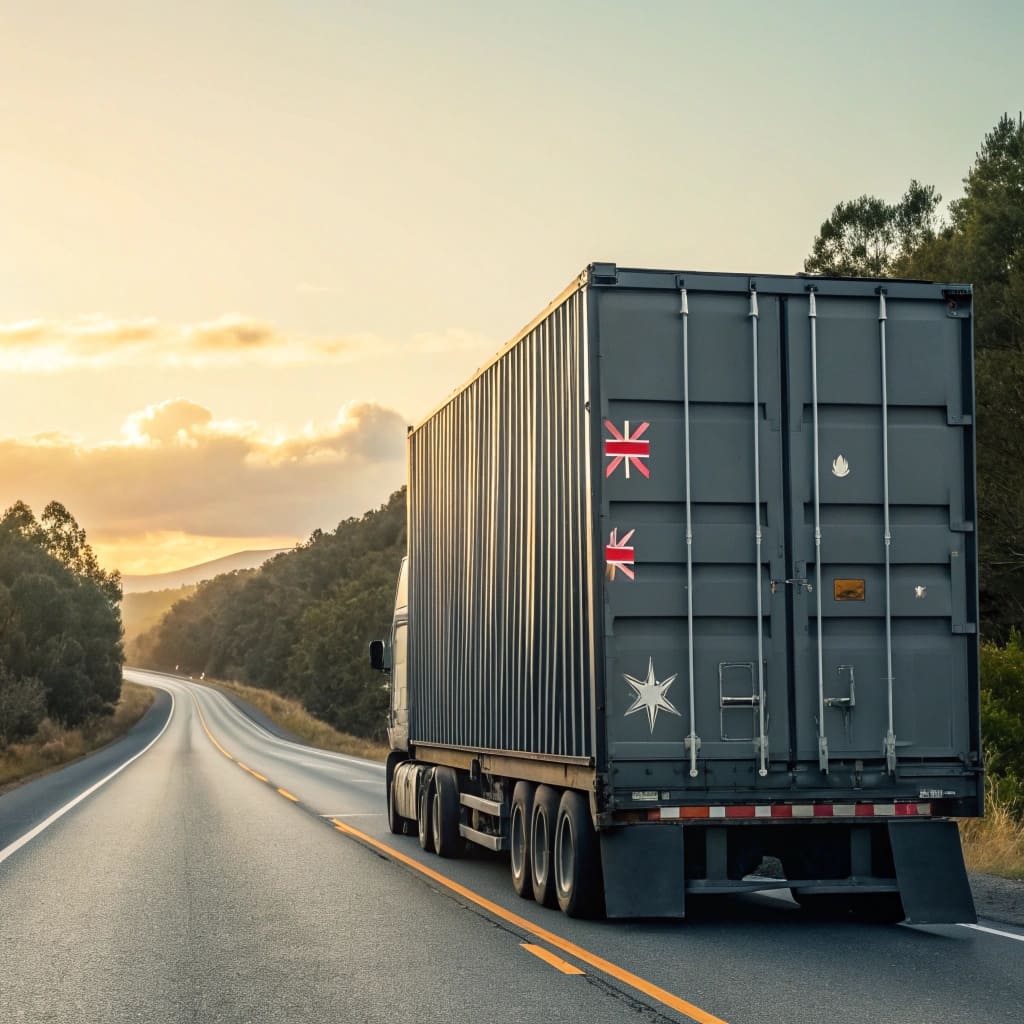
For most of our clients importing to New Zealand, I almost always recommend a door-to-door (DDP) shipping solution. DDP stands for "Delivered Duty Paid," and it means your freight forwarder1 handles every single step of the process. This includes picking up the goods from the factory in China, handling export customs, managing the sea or air freight, clearing import customs in New Zealand, paying the duty and GST on your behalf, and arranging the final delivery to your warehouse or office. The alternative, such as a FOB or CIF service, leaves you responsible for managing customs and delivery once the ship arrives in New Zealand. This can be incredibly difficult and stressful if you don't have a logistics team16 or trusted partners there. With DDP, you get one point of contact and one all-inclusive price. This gives you complete cost clarity and peace of mind, knowing a single partner is responsible for your shipment from start to finish. It’s the simplest, most secure way to import.
Conclusion
Finding a reliable freight forwarder1 is about verifying experience, understanding NZ rules, and asking the right questions. This ensures your goods arrive safely, on time, and within budget.
Explore this link to find trusted freight forwarders that ensure timely and safe deliveries. ↩
Discover why strong carrier relationships can lead to better shipping rates and reliability. ↩
Understanding biosecurity rules is crucial to avoid delays and fines when importing goods. ↩
Find out how to get transparent pricing to avoid hidden fees in your shipping costs. ↩
Check reviews to gauge the reliability and service quality of potential freight forwarders. ↩
Learn about certifications like FIATA that indicate a forwarder's credibility and expertise. ↩
Understanding customs delays can help you choose a forwarder who minimizes these risks. ↩
Explore major shipping lines to find reliable options for your freight needs. ↩
Learn about customs clearance to ensure your goods pass through smoothly. ↩
Discover how transparent pricing can protect you from unexpected shipping costs. ↩
Learn how to use HS codes to ensure accurate customs declarations and avoid fines. ↩
Check for restricted items to prevent your goods from being seized at the border. ↩
Understand ISPM 15 compliance to avoid issues with wood packaging in your shipments. ↩
Learn the signs of a legitimate forwarder to protect yourself from scams. ↩
Understand payment terms to ensure you are not overcharged or scammed. ↩
Learn how a logistics team can simplify your shipping and customs processes. ↩