
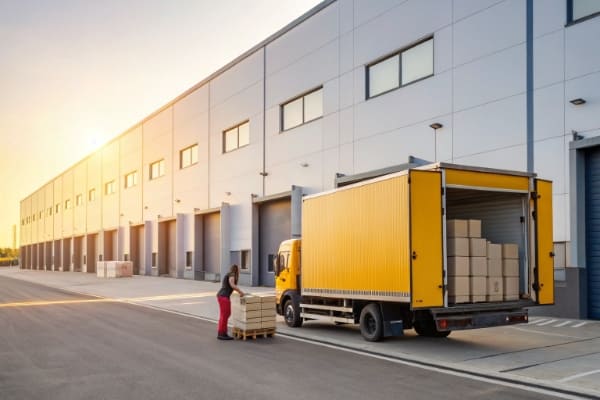
Worried your shipment from China to Germany will get stuck? Customs issues, delays, and hidden fees1 can ruin your profits. Finding a reliable freight forwarder2 is the key.
To find a reliable freight forwarder2, verify their Chinese business license3, check their experience with EU customs4 (VAT, EORI), and ensure they offer DDP services5. Look for positive reviews, professional affiliations like WCA6, and test them with a small shipment first to confirm their service quality.
Choosing the right partner feels overwhelming, but it doesn't have to be. It's a critical decision for your business, as this partner will be responsible for moving your valuable goods across the world. Let's break down exactly what you need to look for to make the right choice and build a secure supply chain.
What Makes a Freight Forwarder Reliable for China–Germany Shipping?
Choosing a forwarder feels like a gamble. A bad choice means lost cargo, surprise bills, and angry customers. But a reliable partner offers security and peace of mind.
A reliable forwarder for Germany has a valid Chinese business license3, a strong network, and deep knowledge of EU customs4. They offer transparent pricing, cargo insurance7, real-time tracking8, and excellent communication. Affiliations like WCA6 or FIATA are also strong indicators of their professionalism.

Reliability is more than just a low price. It's about trust and competence. When I look for a partner, I check for a few key things that tell me they are serious about their business. They must have a verifiable business license from the Chinese government. This is non-negotiable. I also look for proof of cargo insurance7 and clear communication9 channels. A professional forwarder will give you a dedicated contact person who responds quickly. I've learned the hard way that a cheap quote often comes from a forwarder who cuts corners on insurance or customer service. True reliability means they have systems in place for when things go wrong.
Key Reliability Indicators
A truly reliable partner has a strong presence in both China and Germany, or at least has very strong local agents. This ensures they can manage everything from factory pickup to final delivery without issues.
| Factor | Why It's Important |
|---|---|
| Valid Business License | Confirms they are a legal and registered entity in China. |
| Cargo Insurance | Protects your investment against loss or damage during transit. |
| Real-Time Tracking | Gives you visibility and peace of mind about your shipment's location. |
| Clear Communication | Ensures you can resolve issues quickly and stay informed. |
| Network Affiliations | Memberships in groups like WCA6 mean they are vetted by the industry. |
What Should a Freight Forwarder Know About Shipping to Germany?
German customs are notoriously strict. One missing document can hold your entire shipment for weeks. An experienced forwarder knows the rules and gets your goods through smoothly.
A freight forwarder2 must understand German customs regulations, including VAT, EORI number10s, and CE certification11 for specific products. They need to be experts in preparing the correct import declarations and commercial invoices to avoid delays and fines at ports like Hamburg or Bremerhaven.

A forwarder's knowledge of German import rules is what separates the professionals from the amateurs. It’s not just about booking space on a ship; it’s about navigating a complex legal system. I once had a shipment of electronics held up because the forwarder didn't check for the CE mark. It was a costly lesson in both time and money. Now, I only work with partners who ask about product compliance before the goods even leave the factory. They need to understand the specific requirements for your products, whether it's CE for electronics, REACH for chemicals, or VerpackG12 for packaging. This proactive approach shows they are truly managing your shipment, not just moving a box. They should be able to advise you on all the necessary paperwork to ensure a smooth entry into the EU.
German Customs Checklist
- EORI Number: Your business needs an Economic Operators Registration and Identification number to import goods into the EU. Your forwarder should confirm you have one.
- VAT & Duties13: They must know how to correctly classify your goods with an HS code to calculate the right import tax and duties.
- CE Marking: For many products, like toys and electronics, a CE mark is mandatory to show it meets EU safety standards.
- VerpackG12 (Packaging Act): Germany has strict rules about packaging recycling. Importers must register their packaging, and your forwarder should be aware of this.
What Are the Most Common Mistakes When Choosing a Freight Forwarder for Germany?
It's easy to make a costly mistake when you're new to this. Choosing the wrong partner can lead to lost money, damaged goods, and ruined business relationships. Avoid these common pitfalls.
The most common mistakes are choosing based on the lowest price alone, ignoring customer reviews, failing to verify their license and insurance, and not clarifying all costs upfront. Another error is picking a forwarder without specific experience in the China-to-Germany shipping lane.
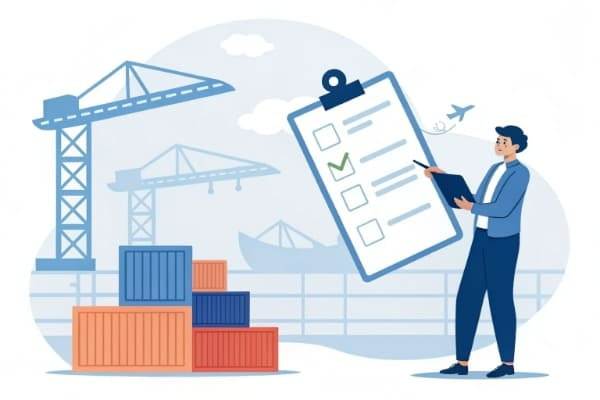
I see people make the same mistakes over and over. The biggest one is getting tempted by a rock-bottom price. A quote that seems too good to be true usually is. These forwarders often make up for it with hidden fees1 at the destination, like high terminal handling charges or unexpected customs inspection fees. Another big mistake is not doing your homework. You have to check them out. Look for independent reviews, ask for references, and verify their business credentials. I always tell my clients to think of it as hiring a key employee. You wouldn't hire someone without checking their resume, so don't hire a forwarder without vetting them properly. A little extra work upfront can save you from a massive headache down the line.
How to Avoid Costly Errors
- Look Beyond the Price: Get detailed, all-inclusive quotes (like DDP) from at least three different forwarders. Compare what's included, not just the final number.
- Verify Everything: Ask for their business license number and check it on China's official company registry website. Ask for proof of insurance.
- Get a Detailed Contract: Your agreement should clearly state all costs, transit times, insurance coverage, and the forwarder's liability for delays or damage. If they are hesitant to put it in writing, that's a huge red flag.
What Questions Should You Ask Before Choosing a Freight Forwarder?
Don't know what to ask a potential forwarder? You might end up with a partner who can't meet your needs. Asking the right questions ensures you find the perfect fit.
Ask about their experience with the China-Germany route and if they handle your specific product type. Inquire about their network affiliations (WCA6, FIATA), what's included in their DDP quote, their insurance coverage, and how they handle customs delays. Also, ask for references.
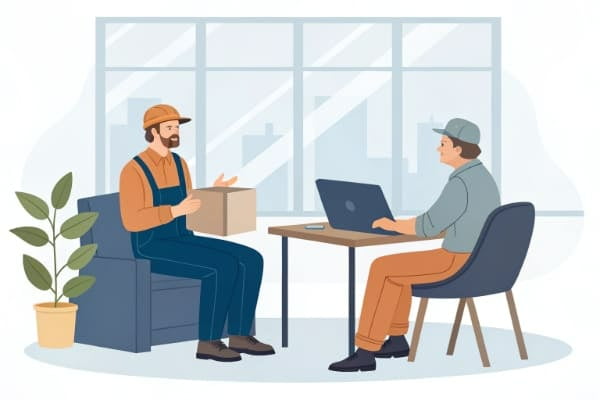
Before I sign a contract with any new logistics partner, I have a standard list of questions. This is my vetting process, and their answers tell me everything I need to know about their professionalism and capability. I want to see if they have specific, confident answers. If they are vague about their agent in Germany or can't clearly explain what happens during a customs inspection, I know they lack the experience I need. A good forwarder will welcome these questions because it shows them that you are a serious client. They should be proud to talk about their processes, their network, and their experience shipping goods just like yours to Germany. Don't be shy; this is your business on the line.
Your Pre-Hire Questionnaire
- Can you provide your Chinese business license3 and any network certifications like WCA6?
- What is your process for handling customs clearance14 in Germany? Do you have your own office or a dedicated local agent?
- Is your quote all-inclusive (DDP), or are there potential extra charges? Please list them.
- What is your standard liability insurance, and can I purchase additional coverage for the full value of my goods?
- Can you share a case study or reference from a client shipping similar goods to Germany?
- Who will be my single point of contact, and what are your communication hours?
China-Based vs Germany-Based Freight Forwarder: Which Is Better?
Should you hire a forwarder in China or Germany? The wrong choice can create communication gaps and coordination problems. Understanding the pros and cons helps you decide which is best for you.
A China-based forwarder15 is often better for managing export processes, factory collections, and consolidation, plus they usually offer more competitive pricing. A Germany-based forwarder16 has stronger local customs knowledge. The ideal choice is a forwarder with strong offices or partners in both countries.
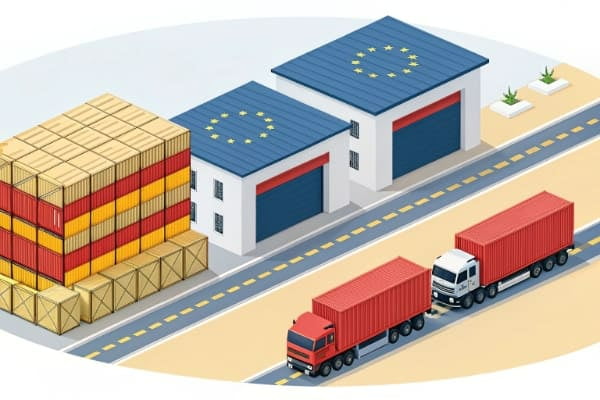
This is a question I get all the time. From my experience, working with a China-based forwarder15 gives you a huge advantage at the start of the shipping process. We are on the ground here, in the same time zone as your factory. We can coordinate pickups, consolidate goods from different suppliers, and handle all the export paperwork in Chinese. This solves many problems before they even begin. A Germany-based forwarder16 is great once the goods arrive, but they are relying on an agent in China to handle the origin services. This can lead to miscommunication. The perfect solution, of course, is a company like ours that has a strong presence in China and a deeply integrated network in Germany. This gives you the best of both worlds: control at the source and expertise at the destination.
Comparing Your Options
| Feature | China-Based Forwarder | Germany-Based Forwarder |
|---|---|---|
| Pricing | Often more competitive due to lower overhead. | May include higher margins for managing agents. |
| Export Process | Excellent. Direct contact with factories and local authorities. | Relies on Chinese agents, which can cause delays. |
| Import Customs | Relies on German agents for clearance. | Excellent. Direct contact with local customs. |
| Communication | Great for coordinating with your Chinese suppliers. | Great for communicating with you in your time zone. |
How Much Does It Cost to Ship from China to Germany?
Confused by shipping quotes17 and hidden fees1? Budgeting becomes impossible when you don't know the final cost. You need to understand the factors that determine your total shipping price.
Shipping costs from China to Germany depend on the mode (sea, air, rail), cargo weight and volume, the incoterm18 (like DDP), and current market rates. Sea freight is cheapest but slowest, while air freight is fastest but most expensive. Rail offers a balance.

The final cost of shipping is made up of many different parts, which can be confusing. It's not just the price to move the box from Port A to Port B. You have to account for costs at the origin and destination. This includes trucking from the factory, export customs fees, port charges in China, the ocean or air freight itself, port charges in Germany, import customs clearance14 fees, duties and VAT, and finally, trucking to your warehouse. This is why I always recommend getting a DDP (Delivered Duty Paid) quote. It bundles all these potential costs into one clear price. You know exactly what you'll pay to get the goods from the factory floor in China to your doorstep in Germany. It simplifies your budgeting and removes the risk of surprise bills.
What's Included in Your Shipping Quote?
- Main Freight Cost: The charge for sea, air, or rail transport.
- Origin Charges: Factory pickup, export declaration, terminal handling.
- Destination Charges: Terminal handling, customs clearance14, import duties and taxes.
- Final Delivery: Trucking from the German port or airport to your final address.
- Surcharges: These can include fuel surcharges19 (BAF) or peak season surcharges19 (PSS). A good forwarder will be transparent about these.
Conclusion
Finding a reliable freight forwarder2 for Germany requires careful research. Focus on experience with EU customs4, transparent DDP pricing, and strong communication to ensure your supply chain is secure.
Learn about potential hidden fees to avoid surprises in your shipping costs. ↩
Explore this link to find trusted freight forwarders that can ensure smooth shipping from China to Germany. ↩
Learn how to verify a freight forwarder's business license to ensure legitimacy and reliability. ↩
Understanding EU customs regulations is crucial for smooth shipping; this resource can help. ↩
Discover the benefits of DDP services and how they simplify shipping costs and logistics. ↩
Find out how WCA membership can indicate a freight forwarder's reliability and professionalism. ↩
Explore the importance of cargo insurance to protect your investment during transit. ↩
Learn about real-time tracking and how it provides visibility and peace of mind for shipments. ↩
Discover how effective communication can prevent issues and ensure smooth shipping. ↩
Learn about the EORI number and its importance for importing goods into the EU. ↩
Explore the significance of CE certification for compliance with EU safety standards. ↩
Understand the VerpackG regulations to ensure compliance with German packaging laws. ↩
Get insights on calculating VAT and duties to avoid unexpected costs when importing. ↩
Understanding customs clearance is vital; this resource can guide you through the process. ↩
Discover the benefits of working with a China-based forwarder for your shipping needs. ↩
Explore the advantages of using a Germany-based forwarder for customs expertise. ↩
Get tips on understanding shipping quotes to make informed decisions. ↩
Learn about incoterms to better understand shipping agreements and responsibilities. ↩
Get familiar with common surcharges to avoid unexpected costs in your shipping. ↩